Have you ever wondered how many different breeds of cats exist? If you’re a cat lover, knowing the variety can be exciting and surprising.
In 2018, experts counted a fascinating number of distinct cat breeds, each with unique traits and personalities. Whether you’re thinking about adopting a new furry friend or just curious about these mysterious creatures, understanding the diversity of cat breeds can help you connect more deeply with your favorite feline.
Keep reading, and you’ll discover just how many breeds there are and what makes each one special.
Cat Breed Counts In 2018
Cat breed counts in 2018 show a rich variety of feline types worldwide. Different sources report varying numbers. This depends on how breeds are recognized and classified by major organizations. Understanding these counts helps cat lovers appreciate the diversity found in cats.
Global Breed Listings
Global breed listings include all cat types recognized in various countries. The number of breeds can range from around 40 to over 70. Some breeds are well-known everywhere, while others are local or newly developed. These listings reflect the wide range of cat appearances and traits.
Major Cat Registries
Major cat registries keep official records of recognized breeds. Examples include:
- The Cat Fanciers’ Association (CFA)
- The International Cat Association (TICA)
- The Fédération Internationale Féline (FIFe)
- The Governing Council of the Cat Fancy (GCCF)
Each registry has its own standards and breed lists. In 2018, CFA recognized about 44 breeds. TICA listed more than 70 breeds. FIFe and GCCF numbers fall between these ranges.
Differences In Breed Recognition
Breed recognition varies by registry rules and criteria. Some organizations accept new breeds faster. Others require long periods of testing and breeding. This leads to differences in total breed counts. Also, some breeds may be considered variants or subtypes. These factors create a complex picture of cat breeds worldwide.
Popular Cat Breeds
Cats have captured the hearts of millions, and their variety is part of what makes them so fascinating. In 2018, there were about 70 recognized cat breeds worldwide, each with distinct personalities and looks. Understanding popular breeds can help you find the perfect companion that matches your lifestyle and preferences.
Top 10 Most Loved Breeds
- Persian:Known for their long, luxurious fur and calm nature, Persians are perfect if you want a gentle lap cat.
- Maine Coon:One of the largest breeds, Maine Coons are friendly and great with families.
- Siamese:Vocal and social, Siamese cats love interaction and thrive on attention.
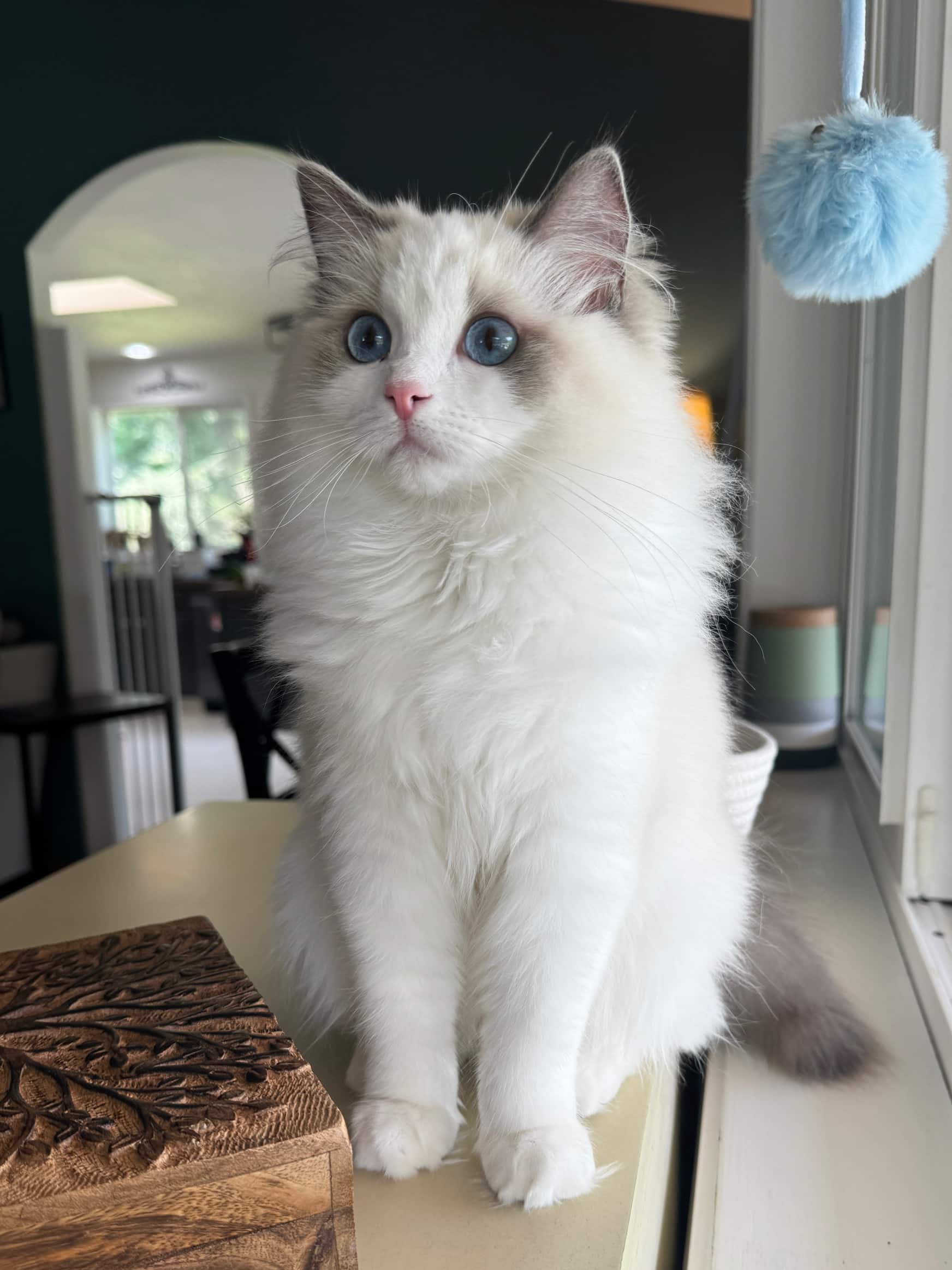
- Ragdoll:Named for their tendency to go limp when held, Ragdolls are affectionate and relaxed.
- Bengal:With a wild look, Bengals are energetic and playful, ideal if you want an active pet.
- Sphynx:Hairless and unique, Sphynx cats crave warmth and human contact.
- Scottish Fold:Famous for their folded ears, these cats are calm and adapt well to different homes.
- British Shorthair:Stocky and easygoing, they are low-maintenance and great for first-time cat owners.
- Abyssinian:Intelligent and curious, Abyssinians love exploring and playing.
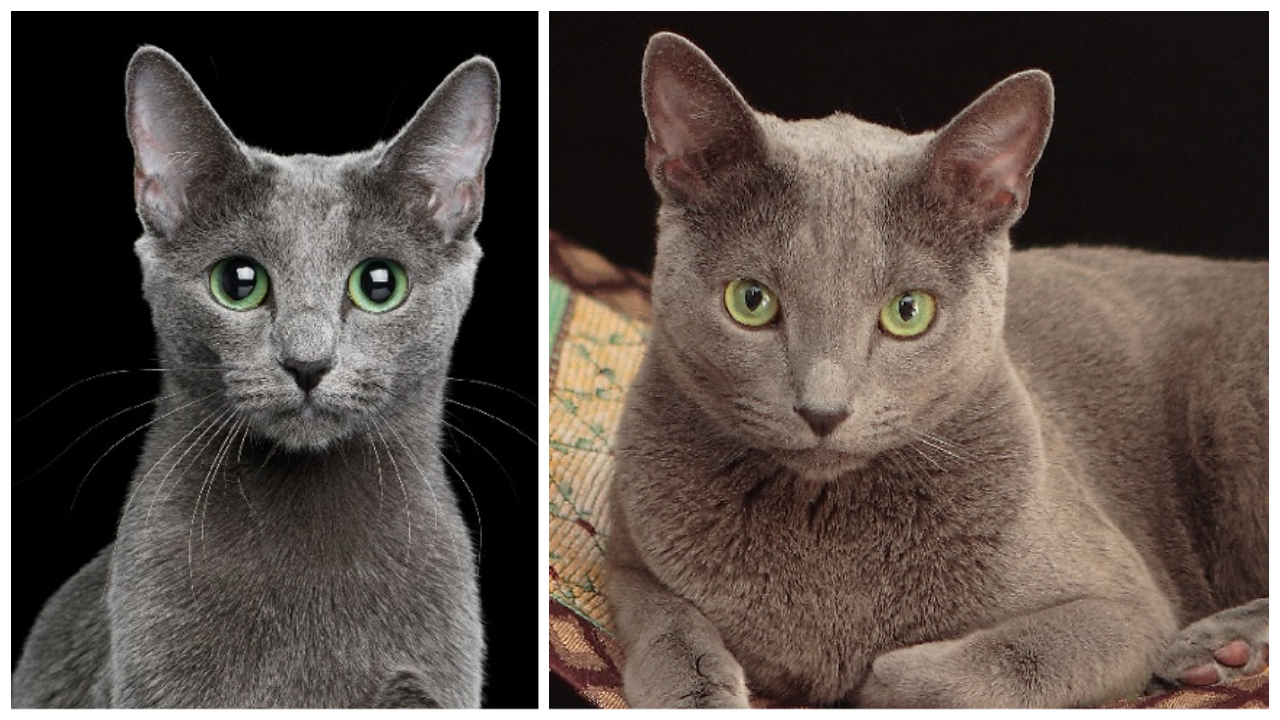
- Russian Blue:Known for their striking blue coat and shy nature, Russian Blues are loyal to their owners.
Unique Traits Of Popular Cats
Each popular breed comes with traits that make them stand out. For instance, the Maine Coon’s bushy tail and tufted ears are not just cute but help them survive cold climates.
Have you noticed how Siamese cats are almost like little chatty companions? Their vocal nature means they “talk” to you a lot, which can be a delightful or overwhelming experience depending on your preference.
Ragdolls’ relaxed demeanor often surprises new owners—they really do feel like holding a soft, floppy toy. This makes them ideal for people seeking a calm and cuddly friend.
Consider the Sphynx if you want a cat that loves constant human interaction. Their lack of fur means they need more warmth and care, which can deepen your bond.
When choosing a breed, think about what traits fit your daily life. Would you prefer a playful cat that keeps you entertained or a quiet one that enjoys lounging? Your choice can shape your experience as a cat owner in surprising ways.
Rare And Exotic Breeds
Rare and exotic cat breeds add variety to the feline world. In 2018, over 70 unique cat breeds were recognized globally. These breeds often have distinct looks and traits that make them special.
Rare and Exotic Breeds The world of cats is vast and varied, with rare and exotic breeds often stealing the spotlight for their unique traits. These breeds are not just a treat for the eyes but also offer intriguing personalities that set them apart from the more common feline companions. If you’re a cat lover, exploring these rare breeds could introduce you to a whole new dimension of feline charm.Less Known Cat Varieties
Many cat enthusiasts may not have heard of the Lykoi, often referred to as the “werewolf cat.” Its sparse fur and striking resemblance to a wolf make it a captivating choice for those seeking something different. On the other hand, the Khao Manee, with its dazzling white coat and often mismatched eye colors, has been revered in its native Thailand for centuries. The Kurilian Bobtail, with its distinctive short tail and playful nature, is another lesser-known breed that captivates with its wild appearance. These cats are not only visually unique but also come with stories and histories that add to their allure. Have you ever considered adding a rare breed to your family?Breeds With Limited Populations
Some cat breeds remain rare due to their limited populations. The Sokoke, originating from Kenya, is one such breed with only a handful of breeders worldwide. These cats are known for their wild look and energetic personality, making them a lively addition to any home. Similarly, the American Wirehair, with its unusual crimped fur, has a small breeding population primarily in the United States. Despite their rarity, these cats offer unique companionship and often become conversation starters. Would you consider a cat with such limited numbers? Exploring these rare breeds not only adds diversity to your feline knowledge but can also enrich your life with unique companionship. Each breed carries its own charm and story, waiting to be discovered by an appreciative owner like you.
Credit: www.thewildlifediaries.com
Factors Influencing Breed Numbers
The number of recognized cat breeds changes over time. Several factors affect these breed counts. Breed standards evolve with new discoveries and preferences. Some breeds appear as a result of breeding efforts. Others merge or become extinct due to various reasons. These elements shape how many cat breeds exist at any point.
Breed Standard Changes
Breed standards define the features of a cat breed. Organizations may update these standards to reflect new traits. Changes can include size, coat patterns, or behavior. When standards change, some cats may no longer fit a breed. This can increase or decrease the total number of recognized breeds.
New Breeds Emergence
New breeds often arise through selective breeding. Breeders combine traits from different cats to create unique looks. Some new breeds gain quick recognition from cat associations. This adds to the official breed count. The rise of new breeds keeps the cat world dynamic and diverse.
Extinct And Merged Breeds
Some breeds disappear over time due to lack of breeders. Others merge when similar breeds combine into one category. Extinct breeds reduce the overall breed numbers. Merged breeds simplify classifications but may hide diversity. These processes influence how many breeds are counted.
Choosing The Right Breed
Choosing the right cat breed is important for a happy life together. Each breed has unique features that suit different lifestyles. Knowing these differences helps find a cat that fits your home and personality.
Personality Traits
Every cat breed has a distinct personality. Some cats are playful and active. Others prefer quiet and calm environments. Consider your daily routine and energy level. Matching your personality with the cat’s nature creates a strong bond. For example, Siamese cats are social and talkative. Persian cats tend to be gentle and relaxed.
Care Needs
Cat breeds vary in grooming and exercise needs. Long-haired cats need regular brushing to avoid mats. Short-haired cats usually require less grooming. Some breeds need more playtime to stay healthy and happy. Think about how much time you can spend on care. This helps keep your cat comfortable and well cared for.
Health Considerations
Some breeds have specific health risks. Knowing common issues can prepare you for future care. For instance, Maine Coons may face heart problems. Scottish Folds can have joint issues. Choose a breed with fewer health concerns if you want low maintenance. Regular vet visits are important for all cats.
Credit: catfancast.com
Future Of Cat Breeds
The future of cat breeds is both exciting and complex. As breeders and scientists work together, new breeds may emerge while existing ones could change in appearance and health. You might wonder how these changes will affect the cats you love and the choices you make when adopting or buying a pet.
Trends In Breeding
Breeders today focus more on health and temperament than just looks. This shift aims to reduce genetic diseases that often come with purebred cats.
Some breeders are also experimenting with mixing breeds to create unique appearances and friendly personalities. This raises questions about how much you value pedigree versus the cat’s health and behavior.
Another trend is the rising popularity of hypoallergenic breeds. If you’ve struggled with allergies but want a cat, these breeds might be your best option in the near future.
Genetic Research Impact
Genetic research is changing how breeders select cats for mating. DNA testing helps identify potential health risks before breeding decisions are made.
This means fewer cats will suffer from inherited diseases, leading to longer and happier lives. Imagine knowing your kitten’s health risks before you bring it home.
Gene editing techniques, though controversial, could one day eliminate certain genetic disorders entirely. How comfortable would you be with using such technology on your pet?
Credit: www.thewildlifediaries.com
Frequently Asked Questions
How Many Cat Breeds Existed In 2018?
In 2018, there were about 70 recognized cat breeds worldwide. Different cat associations may list slightly varied numbers.
Which Cat Breed Was Most Popular In 2018?
The Persian cat topped popularity charts in 2018. Its long fur and calm nature attracted many cat lovers.
How Are New Cat Breeds Recognized?
New cat breeds are recognized by cat associations after strict evaluation. They assess traits, lineage, and breed standards carefully.
Did Any New Cat Breeds Emerge In 2018?
Yes, a few new breeds gained recognition in 2018. These included hybrids and naturally occurring breeds with unique traits.
Conclusion
Cats come in many breeds, each with its own charm and traits. Knowing how many breeds existed in 2018 helps appreciate their variety. These breeds differ in size, color, and personality. Whether you like fluffy or sleek cats, options abound.
Each breed offers a unique experience for cat lovers. Exploring these breeds can be fun and educational. The world of cats is vast and full of surprises. Keep learning, and you may find the perfect cat for you.

Leave a Reply