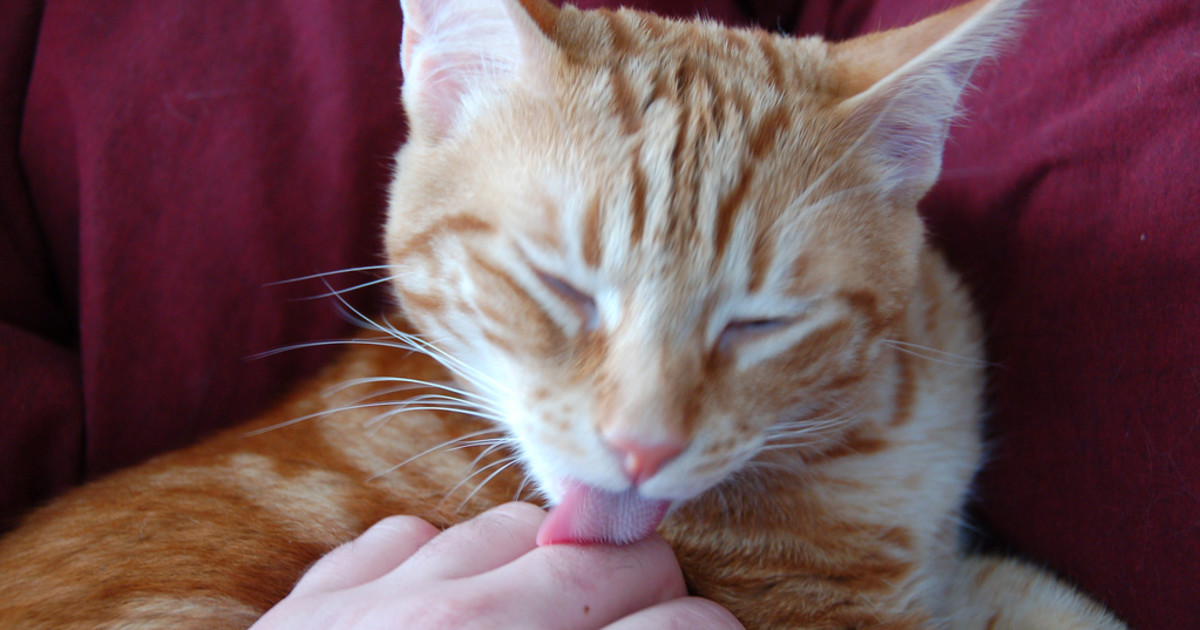
Have you ever watched your cat spend a long time licking its face and wondered why they do it so often? You might think it’s just about staying clean, but there’s much more behind this simple act.
Understanding why your cat grooms their face can help you see your furry friend in a whole new light. Keep reading to discover the surprising reasons behind this behavior and what it means for your cat’s health and happiness.
Credit: medium.com
Grooming Basics
Cats grooming their face is a natural and important behavior. It keeps them clean and healthy. Grooming also helps cats feel calm and relaxed. Understanding grooming basics helps us see why cats spend time on their faces.
How Cats Groom Themselves
Cats use their tongues to clean their fur. Their tongues have tiny, hook-like structures. These hooks catch dirt and loose hair. Cats lick their face gently with their tongues.
They also use their paws to clean hard-to-reach spots. Cats lick their paw and rub it on their face. This action spreads saliva, which helps remove dirt and oils. It also cools and soothes their skin.
Frequency Of Face Grooming
Cats groom their face several times a day. Some cats spend up to 50% of their awake time grooming. The frequency depends on the cat’s health and environment.
Stress or illness can change how often a cat grooms. A healthy cat usually grooms more often. Grooming helps keep their fur soft and shiny. It also removes loose fur and prevents matting.
Health Benefits
Grooming is not just about keeping your cat looking neat. It plays a vital role in maintaining their health, especially when it comes to their face. Understanding the health benefits can help you appreciate why your feline friend spends so much time licking and cleaning their whiskers, eyes, and mouth.
Removing Dirt And Debris
Cats use their tongues to remove dirt, dust, and food particles from their face. This helps prevent infections and keeps their skin healthy. You might notice your cat licking their face after eating or coming inside from outside, which is their way of cleaning up.
Have you ever seen your cat pause to carefully clean around their eyes or whiskers? This focused grooming helps clear away any irritants that could cause discomfort or lead to eye problems.
Controlling Parasites
Parasites like fleas and mites can hide around a cat’s face, especially near the ears and neck. Grooming helps reduce these unwanted visitors before they multiply. Your cat’s tongue acts like a natural comb, catching and removing tiny parasites.
Regular grooming lowers the risk of skin irritation and infections caused by parasites. If you notice excessive scratching or redness, it might be a sign your cat’s grooming isn’t enough, and a vet visit could be necessary.
Social And Emotional Reasons
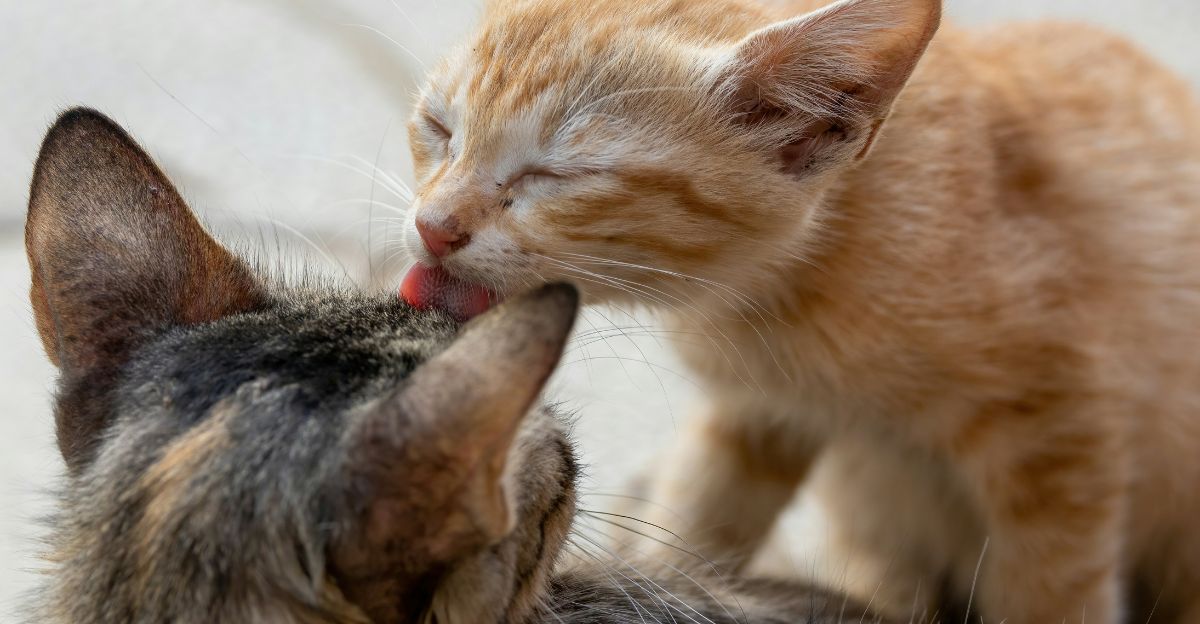
Cats groom their faces to feel calm and safe. This habit helps them reduce stress and connect with their surroundings. Grooming also strengthens bonds with other cats and humans.
Cats are fascinating creatures, and their grooming habits are more than just a way to keep clean. Understanding the social and emotional reasons behind why cats groom their face can offer a deeper insight into their behaviors and needs. From marking territory to finding comfort, each grooming action serves a purpose that goes beyond mere hygiene.Marking Territory
Grooming is not just about cleanliness for cats; it’s also about marking territory. When a cat rubs its face, it’s spreading its scent. This scent-marking is a way of claiming ownership and establishing boundaries. This behavior can be especially noticeable when new objects or people enter a cat’s environment. By grooming their face, they are leaving a familiar scent, which can provide a sense of security and control. Have you ever noticed your cat rubbing its face against your belongings? It’s their way of saying, “This is part of my world.”Stress Relief And Comfort
Grooming is also a mechanism for stress relief and comfort for cats. Just like humans might find solace in certain repetitive actions, cats groom themselves to soothe anxiety. This can be particularly evident in situations where your cat feels threatened or uneasy. The act of grooming can release endorphins, which help them to calm down. Next time you see your cat grooming after a visit to the vet or a loud noise, they’re likely using the behavior to find comfort. Understanding these social and emotional reasons can enhance your relationship with your feline friend. It allows you to be more in tune with their needs, ensuring they feel secure and loved in their environment. Have you noticed your cat’s unique grooming habits? What do they tell you about their emotional state?Sensory Functions
Cats groom their faces for more than just cleanliness. Grooming plays a key role in their sensory health. It helps keep important sensory tools in perfect shape. These tools guide their actions and reactions in daily life. Grooming their face supports these senses and sharpens their awareness.
Enhancing Whisker Sensitivity
Whiskers are vital for a cat’s sense of touch. They detect small changes in the environment. Grooming removes dirt and dust from whiskers. Clean whiskers can pick up vibrations better. This helps cats judge space and movement around them. Grooming also prevents whisker damage. Healthy whiskers improve balance and hunting skills.
Maintaining Clear Vision
Grooming around the eyes clears away debris and discharge. This keeps the eyes free from irritation. Clean eyes reduce the risk of infections. Cats use their sight to explore and hunt. Grooming helps maintain sharp vision. It ensures they can see well in different light levels.
Age And Grooming Habits
Age plays a big role in how cats groom their faces. As cats grow older, their grooming habits often change. These changes can tell us a lot about their health and comfort. Watching a cat’s grooming routine helps understand their well-being.
Changes In Grooming Over Time
Kittens groom their faces often and thoroughly. They use their tongues to clean every spot. Young adult cats keep this habit strong. They groom to remove dirt and stay neat. Older cats may groom less often. Their movements become slower and less precise. Sometimes, they miss spots on their face. This happens because their energy and flexibility drop. Changes in grooming are a natural part of aging.
Impact Of Health On Grooming
Health issues affect a cat’s ability to groom well. Pain or arthritis can make face cleaning hard. Dental problems may stop cats from licking their mouths. Skin infections or allergies cause discomfort, reducing grooming. Cats with poor health may look messy or unkempt. Regular grooming helps spot health problems early. Owners should watch for sudden grooming changes. These signs can mean the cat needs a vet check.

Credit: www.express.co.uk
When Grooming Signals Problems
Grooming is a natural and healthy behavior for cats, but it can also be a sign that something is wrong. When your cat starts grooming their face more than usual, it’s important to pay attention. This could indicate discomfort, stress, or an underlying health issue that needs your attention.
Excessive Grooming Indicators
How do you know if your cat is grooming too much? Look for signs like bald spots, red or irritated skin, and constant licking or scratching around the face. If your cat seems restless or focused only on their face, it’s a clear indicator that grooming has gone beyond normal behavior.
Sometimes, excessive grooming can lead to wounds or scabs, which may become infected. You might also notice your cat avoiding certain areas or acting unusually sensitive when you touch their face. These signs are your cat’s way of telling you that something is bothering them.
Seeking Veterinary Help
If you observe these excessive grooming behaviors, don’t wait to consult a vet. A professional can help diagnose the cause, whether it’s allergies, parasites, dental problems, or anxiety. Early intervention can prevent complications and improve your cat’s quality of life.
Ask your vet specific questions about treatment options and how to reduce your cat’s stress. You might be surprised how small changes at home can make a big difference. Remember, your cat relies on you to recognize when grooming signals a problem and to act quickly.
Credit: hellopetsinc.com
Frequently Asked Questions
Why Do Cats Groom Their Faces Frequently?
Cats groom their faces to keep clean and remove dirt or food. Facial grooming also spreads natural oils that protect their skin and fur.
How Does Face Grooming Benefit A Cat’s Health?
Face grooming removes bacteria and reduces the risk of infections. It also stimulates blood flow and keeps their skin healthy.
Do Cats Groom Their Faces For Stress Relief?
Yes, grooming releases endorphins in cats, helping them feel calm. It is a natural way for cats to reduce anxiety.
Can Face Grooming Indicate A Cat’s Mood?
Yes, frequent grooming can show contentment, while excessive grooming may signal stress. Observing grooming habits helps understand a cat’s feelings.
Conclusion
Cats groom their faces to stay clean and healthy. This behavior helps remove dirt and loose fur. Grooming also spreads natural oils, keeping their skin soft. It calms cats and reduces stress. Face grooming supports their strong bond with other cats.
Understanding this habit helps you care for your pet better. Watch your cat’s grooming to spot health issues early. Clean faces mean happy, healthy cats. Simple but important.

Leave a Reply