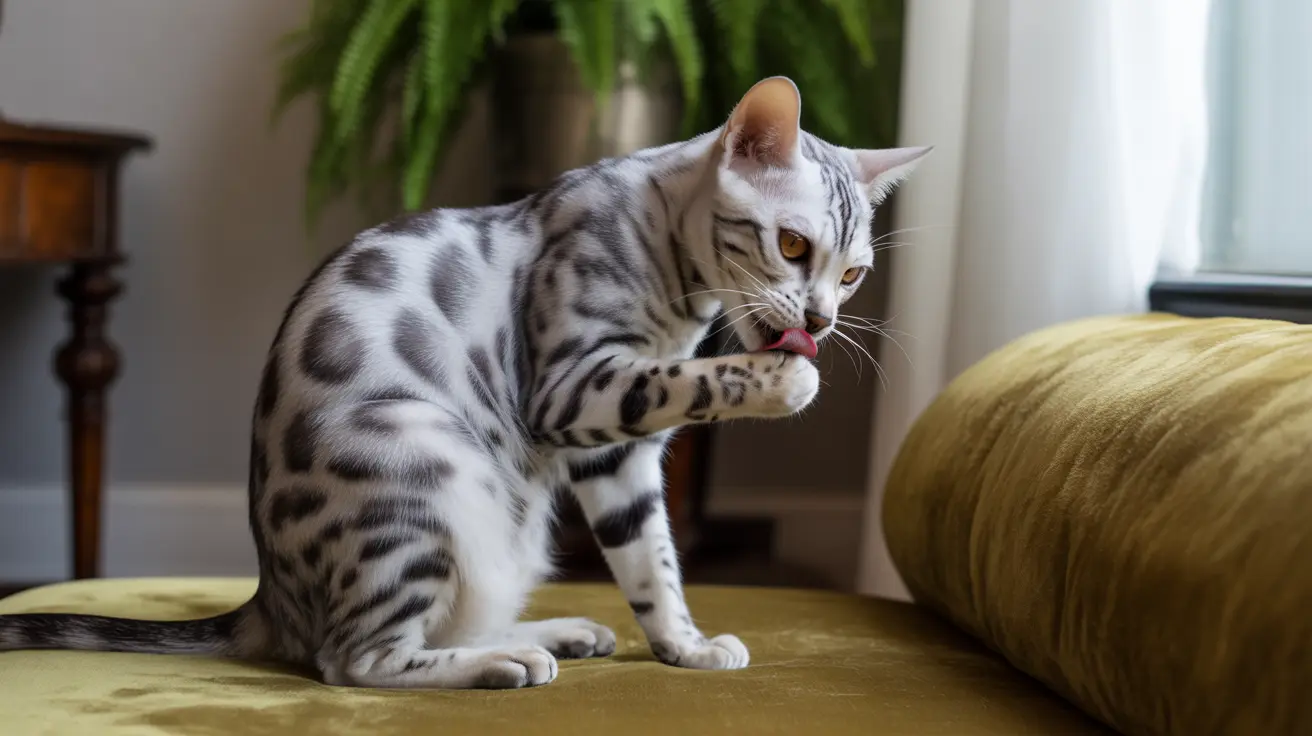
Have you ever noticed your cat quickly start grooming itself right after you pet it? It might seem a bit puzzling or even a little funny.
But there’s actually a fascinating reason behind this behavior. Understanding why your cat cleans itself after your touch can help you connect with your furry friend on a deeper level. Keep reading to discover what’s really going on when your cat suddenly starts licking and grooming after your gentle petting.
You’ll be surprised by what you learn!
Cats’ Grooming Basics
Cats spend a lot of time grooming themselves. This behavior is natural and important. It helps them stay clean and healthy. Understanding the basics of cat grooming gives insight into why cats act this way after you pet them. Grooming is more than just cleaning; it plays many roles in a cat’s life.
How Cats Groom Themselves
Cats use their tongues to groom. Their tongues have tiny, hook-like structures called papillae. These help remove dirt and loose fur. Cats lick their fur in a precise way. They start from the head and move toward the tail.
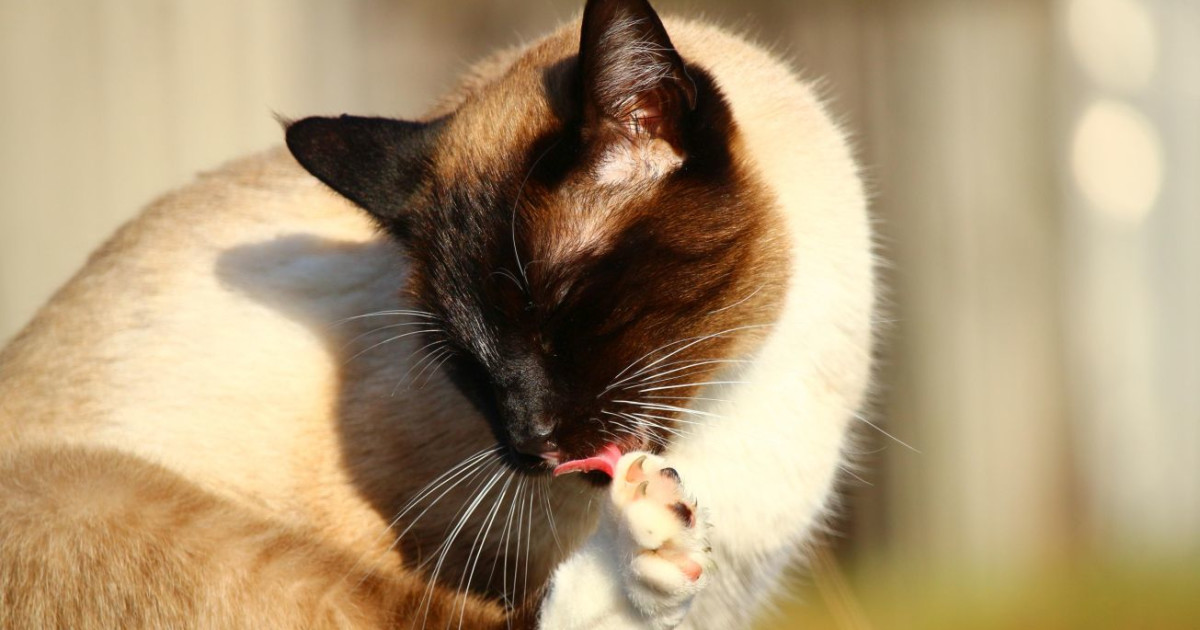
Cats also use their teeth and paws while grooming. Teeth help remove tangles and debris. Paws work like little washcloths. Cats lick their paws and rub their faces with them. This cleans areas hard to reach with the tongue.
Benefits Of Grooming For Cats
- Cleanliness:Grooming removes dirt and parasites.
- Temperature Control:Spreading saliva helps cool the cat.
- Comfort:Grooming reduces stress and calms the cat.
- Health:Stimulates blood flow and skin health.
- Social Bonding:Cats groom each other to show trust.

Credit: tryfurgo.com
Petting And Its Effects
Petting affects cats in many subtle ways. It triggers their senses and changes their fur and skin. These effects explain why cats groom themselves after being petted. Understanding these changes helps us connect better with our feline friends.
Sensory Stimulation From Petting
Petting activates a cat’s sense of touch. The gentle strokes send signals to their brain. These signals can make cats feel calm or excited. The stimulation also helps cats explore their environment. It can cause a mix of pleasure and alertness. Cats often respond by licking themselves to process this new feeling.
Changes In Cat’s Fur And Skin
Petting moves oils and dirt on a cat’s coat. It spreads natural oils that keep fur shiny and smooth. Sometimes, petting can disturb loose fur or dirt. This makes cats groom to clean their coat again. Grooming also soothes their skin after stimulation. It keeps their fur healthy and free from irritants.
Reasons For Post-petting Grooming
Have you noticed your cat start licking itself right after you pet it? This behavior might seem puzzling, but it’s a natural response with several reasons behind it. Understanding why cats groom themselves after being petted can deepen your connection with your feline friend and help you better interpret their signals.
Restoring Scent And Territory
Cats rely heavily on scent to mark their territory. When you pet your cat, your hands leave a different scent on their fur. Grooming helps them mix their own scent back onto their coat, restoring their personal smell.
This action is like your cat saying, “This is still my space.” Have you ever wondered how your cat keeps its unique scent even after meeting new people or animals? Grooming is the key.
Calming And Stress Relief
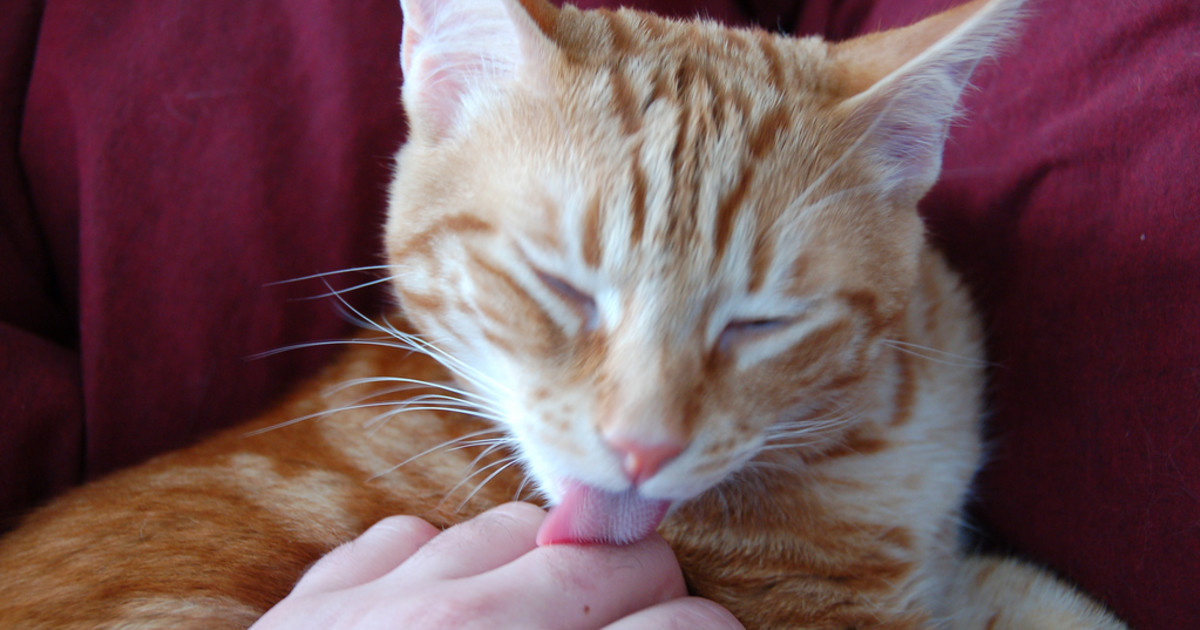
Grooming is a self-soothing activity for cats. After being petted, especially if the touch was intense or unfamiliar, cats might feel a bit overstimulated. Licking themselves helps release tension and brings a sense of calm.
Think of it as your cat’s way to reset after social interaction. Next time your cat grooms after petting, consider it their method of coping with excitement or mild stress.
Removing Foreign Substances
Your hands carry oils, lotions, or scents from the environment. When you pet your cat, these foreign substances transfer onto their fur. Grooming helps them clean off anything unfamiliar or uncomfortable.
Have you noticed your cat focusing on a spot you touched? They might be trying to remove something that doesn’t feel right. This grooming keeps their coat clean and comfortable.
Social Bonding Signals
Grooming after petting can also be a subtle social signal. Cats use grooming to communicate feelings and establish relationships. By grooming themselves, they might be showing a need for space or signaling contentment in their own way.
Next time your cat licks itself after your affection, ask yourself if they are communicating a boundary or simply processing the interaction. Paying attention to these signals will improve your bond.
Behavioral Insights
Cats are known for their meticulous grooming habits. After being petted, many cats immediately start grooming themselves. This behavior can seem puzzling. Yet, it provides insight into their unique communication and habits. Understanding these behaviors can deepen our bond with them.
Cats’ Communication Through Grooming
Grooming is more than just cleanliness for cats. It serves as a form of communication. When a cat grooms after being petted, it might be processing your scent. This act helps them feel comfortable with the new scent on their fur. Cats also use grooming to self-soothe. If they feel overstimulated, they may groom to calm down.
Individual Differences In Grooming Habits
Each cat has its unique grooming routine. Some may groom immediately after being touched. Others might take their time before starting. This can depend on their personality or past experiences. Observing these habits can provide clues about their comfort levels. Understanding these differences helps us cater to each cat’s needs.
When Grooming Signals A Problem
Grooming is a natural behavior for cats, but sometimes it can be a sign that something is wrong. Paying attention to changes in how often or how intensely your cat grooms after you pet them can help you catch issues early. Understanding when grooming signals a problem can make a big difference in your cat’s well-being.
Excessive Grooming And Stress
If your cat starts grooming more than usual, especially after you pet them, it could be a sign of stress or anxiety. Cats often lick or bite their fur to soothe themselves when they feel uneasy.
Have you noticed your cat licking a spot repeatedly or even creating bald patches? This behavior might indicate that your cat is overwhelmed or anxious. It’s important to observe what triggers this response—are there loud noises, new people, or changes in routine?
Try creating a calm environment and use gentle petting techniques to reduce stress. Sometimes, simple adjustments like a quiet space or interactive toys can help your cat feel more secure.
Medical Concerns Related To Grooming
Changes in grooming habits can also point to medical problems. Skin infections, allergies, or parasites like fleas often cause discomfort, leading cats to groom excessively in certain areas.
If your cat shows redness, swelling, or hair loss after grooming, it’s time to visit the vet. These signs could indicate infections or allergic reactions that need treatment.
Keep an eye on your cat’s grooming patterns, especially after petting, and don’t hesitate to seek professional advice. Catching medical issues early can prevent them from becoming serious problems.
Credit: pethelpful.com
Tips To Support Healthy Grooming
Supporting your cat’s grooming habits is essential to keep them comfortable and healthy. Grooming is more than just cleaning—it’s a way your cat manages stress and stays connected to their own body. Helping your cat groom effectively after petting can improve your bond and prevent skin problems.
Proper Petting Techniques
How you pet your cat affects their grooming behavior. Gentle strokes along the direction of their fur encourage relaxation and reduce the need for excessive grooming afterward.
Try focusing on areas cats naturally like, such as behind the ears or under the chin. Avoid rough or fast movements that might irritate their skin and trigger more grooming as a calming response.
Creating A Comfortable Environment
Your cat’s surroundings play a big role in their grooming routine. Make sure they have quiet, warm spots where they can clean themselves without interruptions.
Provide soft bedding and keep their living area clean to prevent dirt or allergens from causing discomfort. Have you noticed your cat grooming more when the environment is noisy or stressful?
Regular Health Checks
Frequent grooming can sometimes signal health issues like skin infections or allergies. Regular checkups with your vet help catch problems early before they cause excessive licking or scratching.
Watch for signs like bald patches, redness, or sores. Catching these early means your cat can return to comfortable grooming quickly, keeping their coat shiny and skin healthy.
Credit: pethelpful.com
Frequently Asked Questions
Why Do Cats Groom After Being Petted?
Cats groom after petting to reset their scent and feel secure. Grooming helps remove unfamiliar smells and calms them emotionally. It’s a natural behavior to maintain cleanliness and comfort after social interaction.
Does Grooming Mean A Cat Is Stressed?
Not always. Cats may groom to soothe themselves when mildly stressed. However, grooming is also a normal habit for relaxation and cleanliness. Watch for excessive grooming, which might indicate stress or health issues.
How Does Petting Affect A Cat’s Grooming Habits?
Petting can stimulate grooming by spreading scents and triggering comfort. Cats often groom to reestablish their own scent after petting. This behavior shows their need to feel safe and maintain personal hygiene.
Can Grooming After Petting Show Affection?
Yes, grooming can signal contentment and relaxation. Cats may groom to express comfort after bonding moments like petting. It’s a subtle way they communicate trust and emotional connection.
Conclusion
Cats groom themselves after being petted to feel calm and clean. It helps them relax and stay comfortable. Grooming also shows they trust you and care about their scent. This behavior keeps their fur healthy and free of dirt. Next time your cat grooms after petting, remember it’s a natural and loving habit.
Understanding this helps build a stronger bond with your furry friend. Simple but meaningful.

Leave a Reply