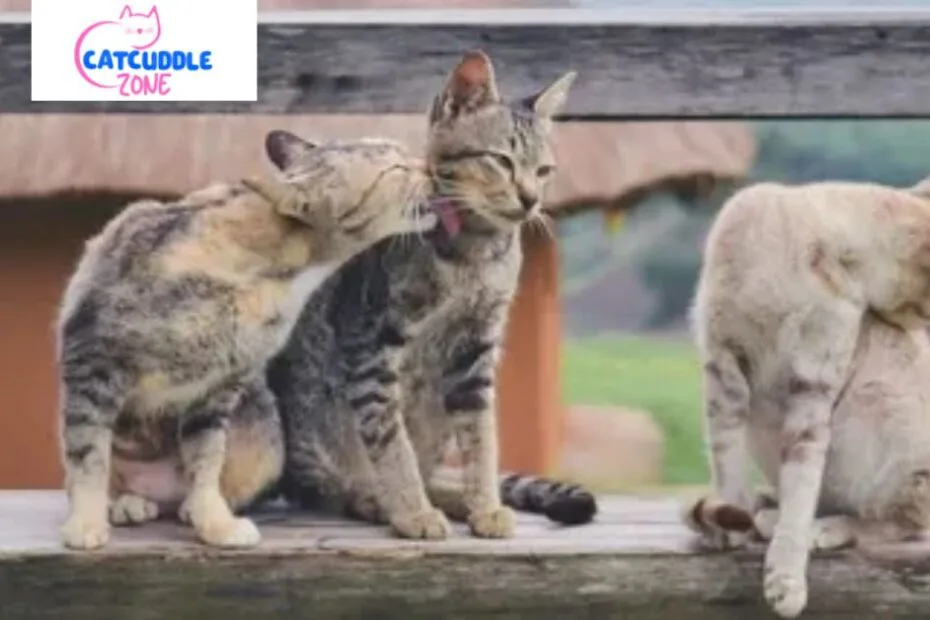
Have you ever watched your cats sitting close but noticed they don’t groom each other? You might wonder if something is wrong or if they simply don’t get along.
Grooming is a big part of how cats show friendship and trust. So when your cats skip this step, it can leave you puzzled. Understanding why your cats don’t groom each other can help you strengthen their bond and create a happier home.
Keep reading to discover the surprising reasons behind this behavior and what you can do about it.
Credit: www.rd.com
Cat Grooming Basics
Understanding cat grooming basics helps explain why cats may not groom each other. Grooming is a vital part of a cat’s daily life. It keeps them clean and healthy. It also helps cats feel comfortable and relaxed. Each cat has its own grooming habits and style. Knowing these habits reveals more about their behavior and relationships.
Purpose Of Grooming
Cats groom to stay clean. Their tongues remove dirt and loose fur. Grooming also controls body temperature. It helps remove parasites like fleas. Grooming lowers stress and calms cats. It is a way to show care and comfort. Cats groom themselves to feel safe and relaxed.
How Cats Groom Themselves
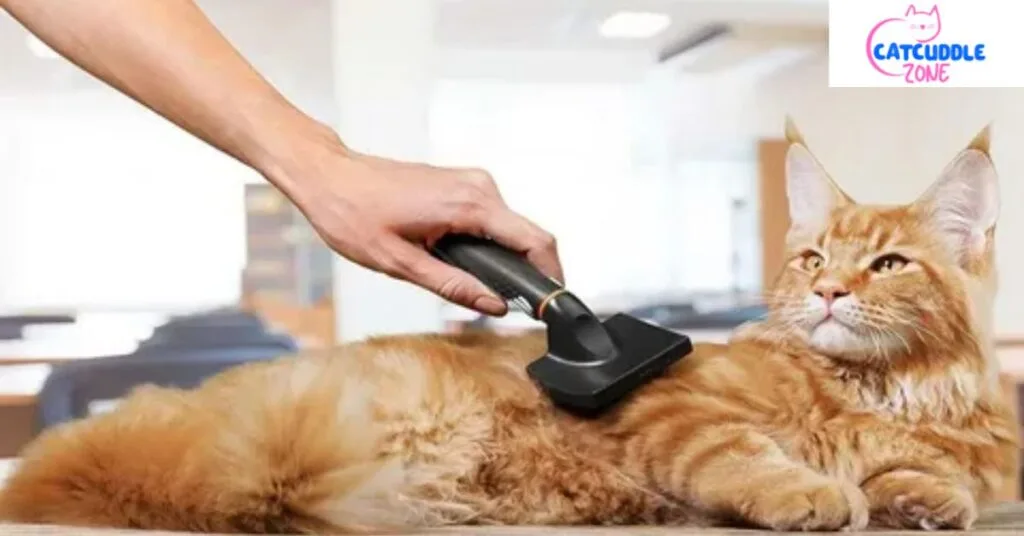
Cats use their tongues to clean their fur. Their tongues have tiny hooks that catch dirt. They lick their paws and rub their faces. This cleans hard-to-reach areas. Cats often groom in short, focused sessions. They also stretch and twist to reach all spots. Grooming is a careful, repeated action that keeps them neat.
Credit: www.companionanimalpsychology.com
Social Grooming In Cats
Cats may not groom each other if they don’t feel close or comfortable together. Sometimes, they prefer to groom themselves to stay clean and relaxed. Social grooming depends on trust and friendship between cats.
Social grooming, or allogrooming, is a delightful feline behavior. Cats groom each other for various reasons. It involves licking and cleaning each other’s fur. This act is not just about cleanliness. It is a social behavior that strengthens bonds between cats.Benefits Of Grooming Each Other
Grooming each other has many benefits. It helps cats maintain healthy fur. They remove dirt, debris, and loose hair. Grooming also distributes natural oils across their coats. This keeps their skin healthy and fur shiny. Grooming each other also strengthens social bonds. It helps build trust between cats. It reduces stress and creates a sense of companionship. Cats that groom each other often feel more secure.When Cats Typically Groom Each Other
Cats often groom each other in a relaxed setting. This usually happens in their shared living space. They may groom each other after eating. It often occurs during resting periods. Grooming can also happen before or after playtime. Cats groom each other when they feel safe and comfortable. It is a sign of affection and friendship. Understanding these grooming behaviors helps cat owners. It reveals how their feline friends interact.Reasons Cats Don’t Groom Each Other
Understanding why your cats don’t groom each other can help you better interpret their social behaviors and emotional states. Grooming is often a sign of trust and bonding among cats, but not all cats show this behavior toward each other. Several factors can influence whether your cats engage in mutual grooming or prefer to keep their distance.
Personality Differences
Just like people, cats have unique personalities. Some cats are naturally more social and affectionate, while others prefer solitude. If one cat is shy or independent, they may avoid grooming or being groomed by others.
Think about how your cats interact during play or rest. If they rarely share space, grooming may not be part of their dynamic.
Stress And Anxiety
Stress can make cats less likely to groom each other. Changes in the environment, new pets, or even loud noises can cause anxiety.
You might notice your cats grooming themselves more but avoiding each other when stressed. Are there recent changes in your home that might unsettle them?
Territorial Behavior
Cats are territorial animals. When two cats feel they need to protect their space, they may avoid close contact, including grooming.
Watch for signs like staring, hissing, or blocking access to certain areas. This behavior often reduces shared grooming opportunities.
Health Issues
Sometimes, a cat avoids grooming others due to health problems. Pain or discomfort can make grooming uncomfortable or difficult.
If one cat suddenly stops grooming a companion, check for signs of illness or injury in either cat. Your vet can help rule out underlying issues.
Lack Of Bonding
Mutual grooming usually develops between cats that have a strong bond. Without this connection, grooming might not happen.
Consider how long your cats have lived together and how they interact overall. Building a bond takes time, and patience can encourage this behavior.
Signs Of Healthy Cat Relationships
Understanding the signs of healthy cat relationships helps you see beyond grooming habits. Cats show their bonds in many ways, not just by licking each other. Watching how your cats interact daily can reveal the strength and warmth of their connection.
Play And Interaction
Healthy cats often engage in playful behavior together. You might notice chasing games, gentle wrestling, or even exchanging toys. These interactions build trust and show they feel safe around each other.
Have you seen your cats pause during play to check on each other? That’s a subtle but strong sign of friendship. If they avoid aggressive moves and keep their play light, it means they respect each other’s boundaries.
Sleeping Together
Sleeping close or cuddling is a clear indication of comfort and trust. Cats are vulnerable when they sleep, so sharing a nap spot signals a strong bond. Even if they don’t groom each other, sleeping side-by-side means your cats feel secure in each other’s presence.
If your cats choose to nap in the same area regularly, it’s a sign their relationship is healthy. Notice if they seek each other out after a day of activity—that’s their way of connecting on a deeper level.
Other Affectionate Behaviors
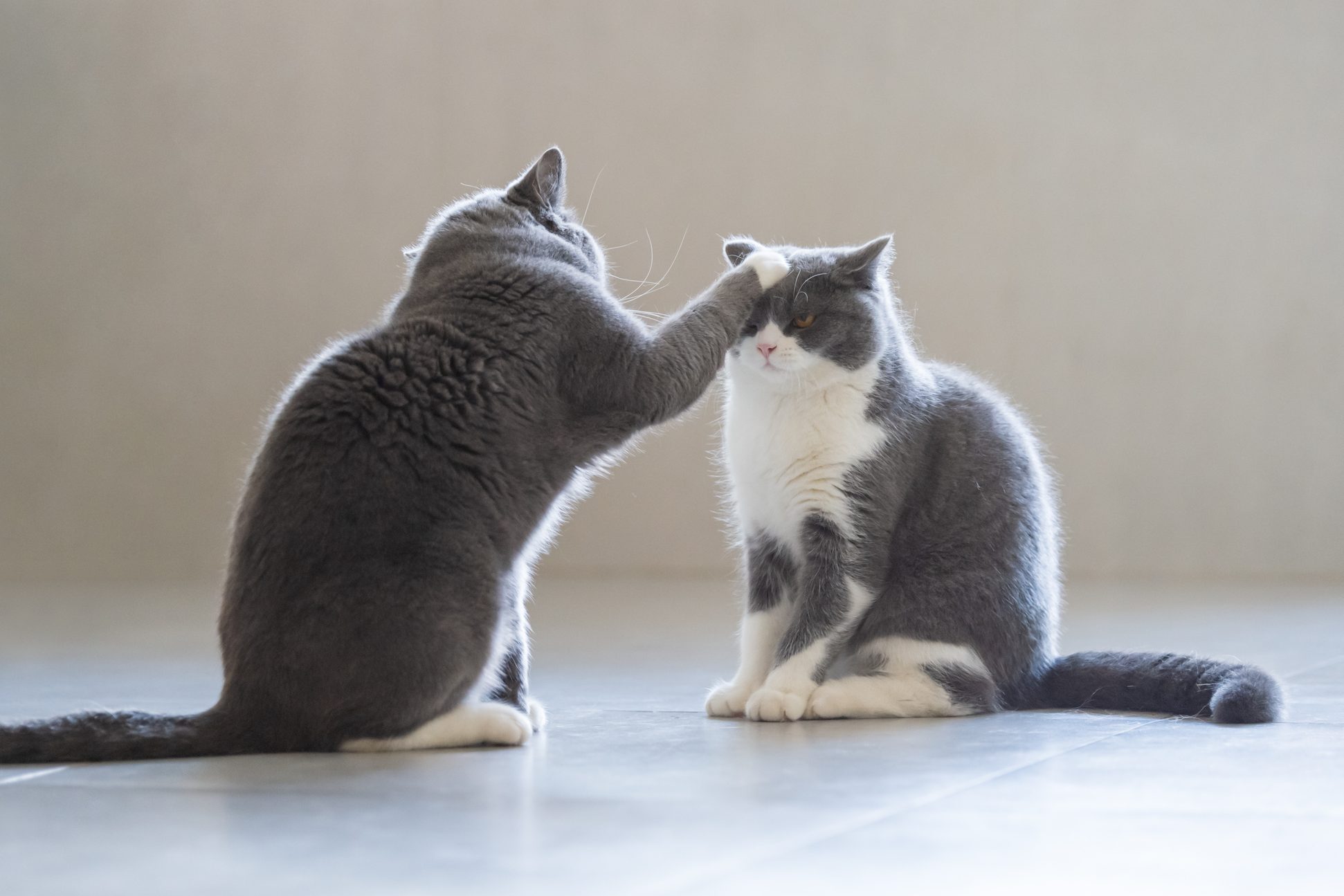
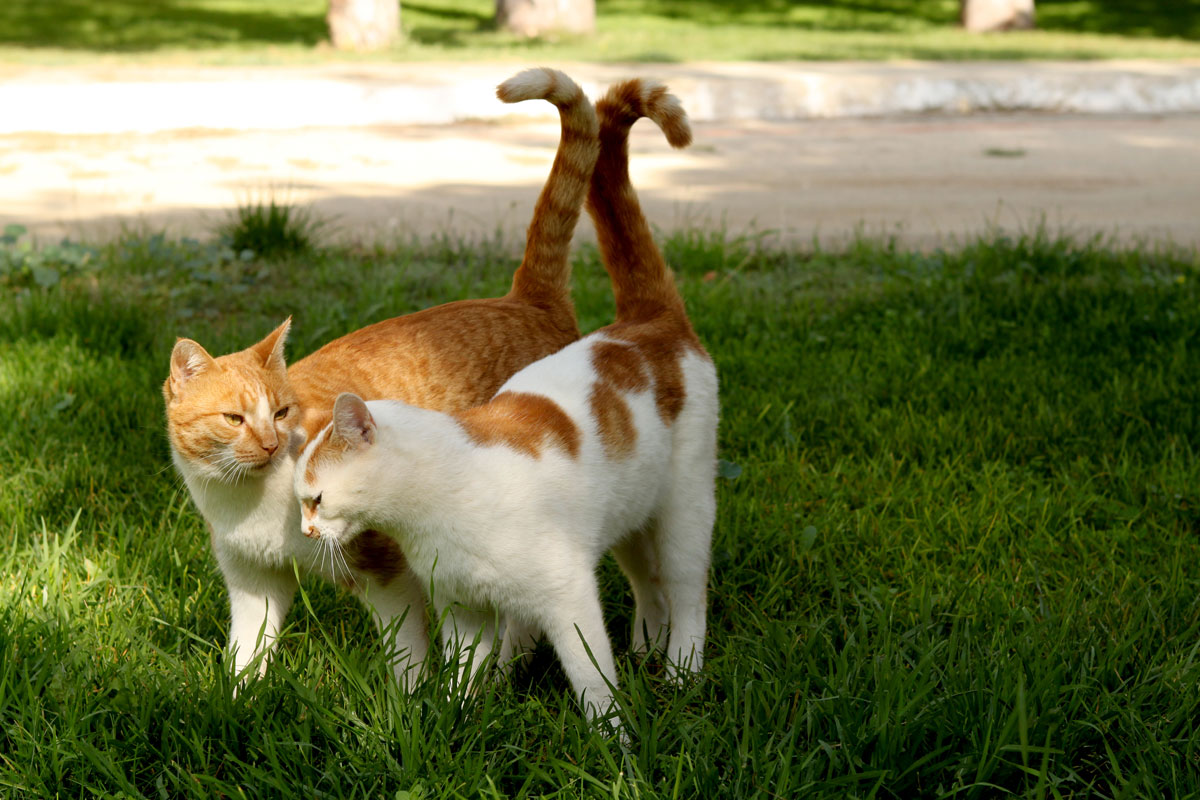
Besides grooming, cats express affection through behaviors like head-butting, tail wrapping, and gentle kneading. These small actions tell you they enjoy each other’s company. You might see one cat rubbing against the other or even sharing food, which shows a strong social bond.
Ask yourself: are your cats comfortable sharing spaces and resources without tension? If yes, they likely have a positive relationship even without mutual grooming. These alternative signs help you understand their unique way of showing love.
Encouraging Grooming Between Cats
Encouraging grooming between your cats can strengthen their bond and keep them healthier. Grooming is a natural way cats show affection and trust. If your cats aren’t grooming each other, there are ways you can gently encourage this behavior.
Creating A Comfortable Environment
Cats need to feel safe and relaxed to groom each other. Make sure they have quiet, cozy spots where they can hang out together without stress. You might try placing their beds or favorite blankets close to each other to invite shared space.
Sometimes, subtle changes in the environment can make a big difference. Soft lighting and minimal noise help cats stay calm. Have you noticed if your cats avoid grooming when the room feels busy or loud?
Positive Reinforcement
Reward your cats when they show grooming behavior or even when they get close to each other. Use treats, gentle petting, or soothing words to reinforce these moments. This encourages them to repeat the behavior.
Try praising your cats right after they groom one another or even when they start to lick each other’s fur. Positive reinforcement can build a habit over time. Have you tried sitting nearby and softly talking to them while they interact?
Monitoring Health And Behavior
Sometimes, a cat may avoid grooming others if it feels unwell or stressed. Watch for signs like excessive scratching, licking itself, or changes in appetite. These could signal skin problems or discomfort that stop grooming.
Keep an eye on how your cats behave around each other. Aggression or avoidance can mean underlying issues. If you see these signs, a vet visit might be necessary to rule out health problems.
Credit: catcuddlezone.com
Frequently Asked Questions
Why Don’t My Cats Groom Each Other?
Cats may not groom each other due to personality differences or lack of bonding. Some cats prefer self-grooming. Stress or health issues can also reduce mutual grooming behavior.
Is It Normal For Cats To Avoid Grooming Together?
Yes, it is normal. Not all cats enjoy mutual grooming. Some prefer personal space or grooming themselves to stay clean and comfortable.
Can Stress Stop Cats From Grooming Each Other?
Yes, stress can reduce grooming between cats. Changes in environment, new pets, or loud noises can cause stress. This affects their social behaviors, including grooming.
Does Lack Of Grooming Signal Health Issues In Cats?
Sometimes. If a cat stops grooming itself or others, it may indicate pain or illness. Consult a vet to rule out medical problems.
Conclusion
Cats have different ways to show care. Not all cats groom each other. Some prefer to groom alone. Health, personality, or stress can affect grooming. Watch your cats’ behavior closely. Help them feel safe and calm. Grooming may increase as they bond.
Patience is key with cats’ habits. Understanding their nature helps you care better. Each cat is unique in their way.

Leave a Reply