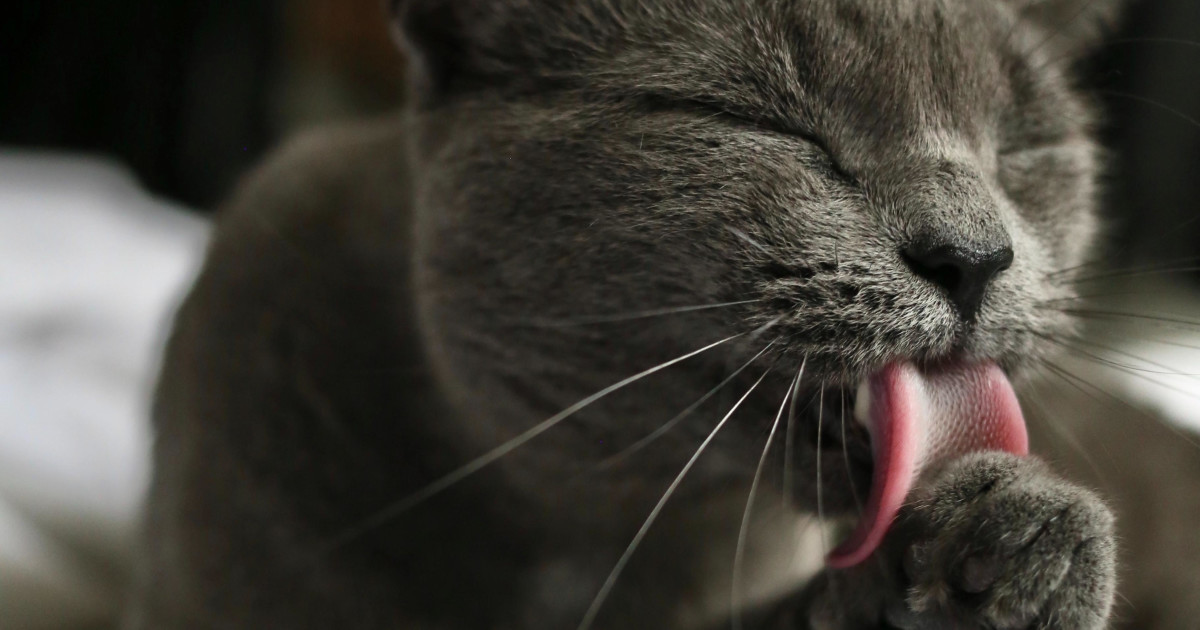
Have you noticed your cat spending hours licking and cleaning itself every day? It might seem normal, but when your furry friend grooms constantly, it could be a sign that something is off.
Understanding why your cat is grooming so much can help you keep them happy and healthy. Keep reading to discover the surprising reasons behind this behavior and what you can do to help your cat feel their best.
Normal Grooming Habits
Cats spend a lot of time grooming themselves. This is a natural and important part of their daily routine. Grooming helps keep their fur clean and healthy. It also helps cats feel calm and comfortable. Understanding normal grooming habits can help you know when your cat is healthy.
How Cats Groom Themselves
Cats use their tongues to clean their fur. Their tongues have tiny, rough bumps that act like a brush. They lick their fur to remove dirt and loose hair. Cats also use their teeth and paws during grooming. They bite gently to untangle fur and use paws to clean their face.
This grooming process also helps spread natural oils over their fur. These oils keep the coat shiny and waterproof. Cats groom different body parts in a certain order. They start with the face, move to the head, and then the rest of the body.
Frequency Variations Among Cats
Not all cats groom at the same pace. Some cats groom very often, up to several times an hour. Others may groom less frequently. Factors like age, breed, and personality affect grooming habits.
Young cats usually groom more than older cats. Long-haired breeds need more grooming to avoid mats. Stress or boredom can also cause a cat to groom more than usual.
Watch your cat’s grooming patterns. Changes may hint at health or emotional issues.
Stress And Anxiety Triggers
Cats often turn to grooming as a way to manage their feelings of stress and anxiety. Understanding the triggers behind this behavior can help you support your feline friend better. Stress isn’t always obvious, but it can significantly affect your cat’s well-being and habits.
Signs Of Stress In Cats
Recognizing stress in your cat is the first step in helping them feel safe. Look for changes like:
- Excessive grooming or licking in one spot
- Hiding or avoiding interaction
- Changes in appetite or litter box habits
- Increased vocalization or restlessness
These signs might seem subtle at first, but they often hint at underlying anxiety.
How Grooming Acts As A Coping Mechanism
When your cat grooms constantly, they’re not just keeping clean—they’re soothing themselves. Grooming releases endorphins, which help reduce their stress levels.
Think about how you might twirl your hair or tap your fingers when nervous. Grooming serves a similar calming purpose for cats.
If your cat is grooming more than usual, it’s their way of trying to regain control and comfort in a situation that feels overwhelming.
Medical Causes
Have you ever noticed your cat grooming excessively and wondered why? While cats are naturally clean animals, constant grooming can sometimes indicate underlying medical issues. Understanding these causes can help you ensure your cat’s well-being.
Skin Allergies And Irritations
Cats can suffer from skin allergies just like humans. Allergies can arise from various sources such as food, pollen, or even dust. If your cat is grooming frequently, it might be trying to relieve the itchiness caused by these allergens.
Check for red or inflamed patches on their skin. It could be a sign of an allergic reaction or irritation. Consulting a vet can help identify the allergen and provide relief for your furry friend.
Parasites And Infections
Parasites like fleas and ticks are common culprits behind excessive grooming. These pesky invaders cause irritation, leading your cat to groom more as a way to soothe the itch.
Regular checks and preventive treatments can keep these parasites at bay. If you suspect an infection, a vet visit is crucial to ensure it doesn’t escalate.
Pain And Discomfort Signals
Sometimes, grooming is a sign that your cat is experiencing pain or discomfort. Cats might groom areas that are painful or sore as a way to cope.
If you notice your cat focusing on a specific area, pay attention. Is there a visible injury, or does your cat flinch when you touch it? Such behavior warrants a closer look and possibly a vet’s expertise.
Have you faced any of these situations with your cat? Recognizing these signs early can make a significant difference in your cat’s comfort and health. Addressing medical causes not only alleviates their discomfort but also strengthens the bond you share with your feline companion.
Behavioral Factors
Understanding why your cat grooms constantly often leads to exploring behavioral factors. Cats use grooming not only to stay clean but also to cope with their environment and emotions. When grooming turns excessive, it may signal boredom or a need for attention.
Boredom And Lack Of Stimulation
Your cat might groom excessively simply because it’s bored. Without enough playtime or mental challenges, grooming becomes a way to fill time and self-soothe. Have you noticed your cat spending hours licking itself when left alone?
Adding new toys or interactive play sessions can reduce this behavior. Puzzle feeders, laser pointers, or even short bursts of play can make a big difference. A stimulated cat is less likely to turn to compulsive grooming as a pastime.
Attention-seeking Behaviors
Sometimes, your cat grooms constantly to get your attention. If you respond with petting or talking when it grooms excessively, your cat learns this behavior works. Have you ever caught your cat grooming just before you sit down or start a task?
Try redirecting their need for interaction with scheduled playtimes or gentle affection when they’re calm. This helps your cat feel noticed without encouraging over-grooming. Consistency is key to changing attention-seeking grooming habits.
Environmental Influences
Cats often groom themselves to feel safe and calm. Their environment affects this behavior a lot. Changes around them can make cats groom more to cope with stress. Understanding these influences helps us care for our pets better.
Changes In Surroundings
Moving to a new home can upset a cat’s routine. New smells and sights may confuse or stress them. Grooming becomes a way to handle this discomfort. Even small changes, like new furniture, can cause more licking or cleaning.
Noise from outside or inside the house may also bother cats. Loud sounds make some cats nervous. They might groom more to calm down and feel secure. A stable, quiet place helps reduce this stress-driven grooming.
Effects Of New Pets Or People
Introducing new pets or visitors can disturb a cat’s peace. Cats feel the need to protect their space. Grooming increases as a comfort action during these times. It helps them manage anxiety and uncertainty.
New animals mean new scents and competition for attention. Cats may groom to mask unfamiliar smells or show submission. New people might make shy cats uneasy, leading to extra grooming. This is their way to stay relaxed and safe.
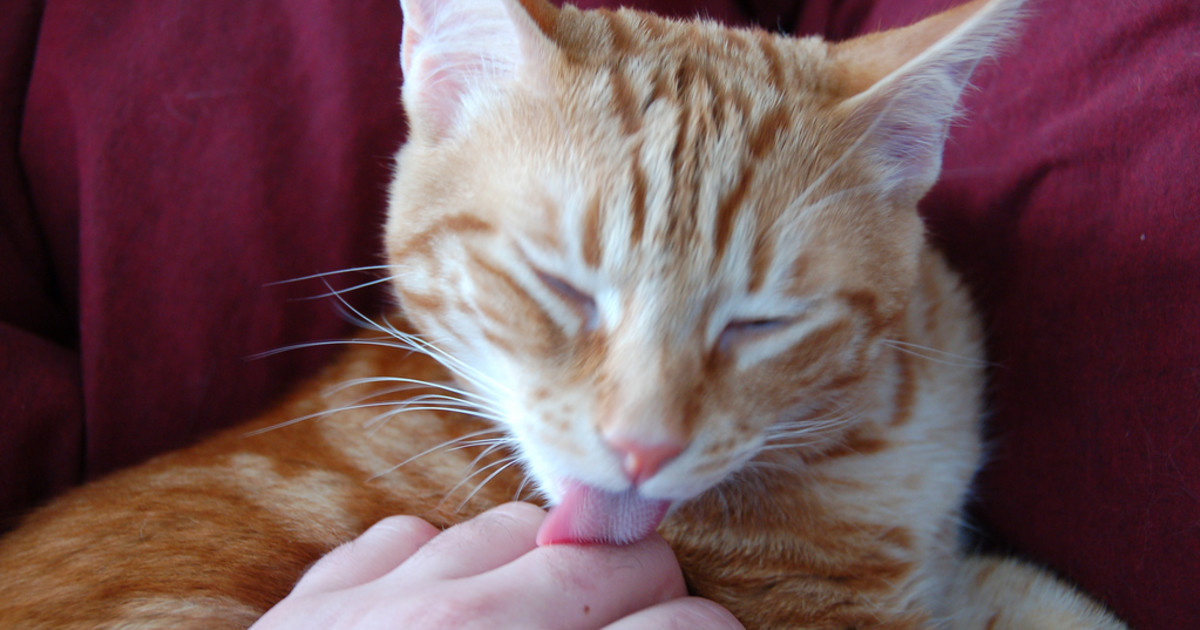
Credit: pethelpful.com
When To See A Vet
Noticing your cat grooming more than usual can be worrying. It’s important to know when this behavior is a sign to visit the vet. Some grooming habits are normal, but constant grooming might hide deeper health issues.
Warning Signs Of Excessive Grooming
Watch for bald patches, red or irritated skin, and scabs. These often mean your cat is over-grooming to relieve discomfort. If your cat seems restless or is licking the same spot repeatedly, it’s a clear warning sign.
Also, if grooming leads to changes in behavior like hiding, aggression, or loss of appetite, don’t ignore it. These signs can indicate stress or pain that needs professional attention. Have you noticed your cat’s coat looking less shiny or patchy?
Diagnostic Steps And Treatments
Your vet will start with a physical exam to check for skin conditions, parasites, or allergies. They may perform skin scrapings or blood tests to find the root cause. Diagnosis often includes ruling out infections or underlying diseases.
Treatment depends on the diagnosis and could range from medicated shampoos to dietary changes or medication for allergies and anxiety. Sometimes, simple changes like a new diet or stress reduction at home can make a big difference. Would you consider tracking your cat’s grooming patterns to help your vet understand the problem better?
Managing Excessive Grooming
Managing excessive grooming in cats requires understanding and care. Cats groom to stay clean, but too much grooming can signal stress or health issues. Addressing this behavior helps your cat feel calm and healthy. It also protects their skin from damage caused by over-grooming.
Simple changes in your cat’s environment and routine can reduce stress. Sometimes, medical help is necessary to stop the behavior. Here are ways to manage your cat’s excessive grooming effectively.
Stress Reduction Techniques
- Create a quiet space where your cat can relax without noise.
- Keep a regular feeding and play schedule to provide structure.
- Use calming pheromone sprays or diffusers designed for cats.
- Spend quality time petting and playing to reduce anxiety.
- Avoid sudden changes in the home environment that may upset your cat.
Environmental Enrichment Ideas
- Provide scratching posts and climbing trees to keep your cat busy.
- Introduce puzzle feeders to stimulate your cat’s mind during mealtime.
- Place toys around the house to encourage play and exercise.
- Offer window perches so your cat can watch outside activity.
- Rotate toys to maintain your cat’s interest and prevent boredom.
Medical Interventions
- Visit a vet to rule out skin allergies or infections.
- Discuss possible treatments for parasites like fleas or mites.
- Ask about medications to reduce anxiety if stress is severe.
- Consider allergy testing to identify food or environmental triggers.
- Follow vet advice on topical treatments for skin irritation.

Credit: petcube.com
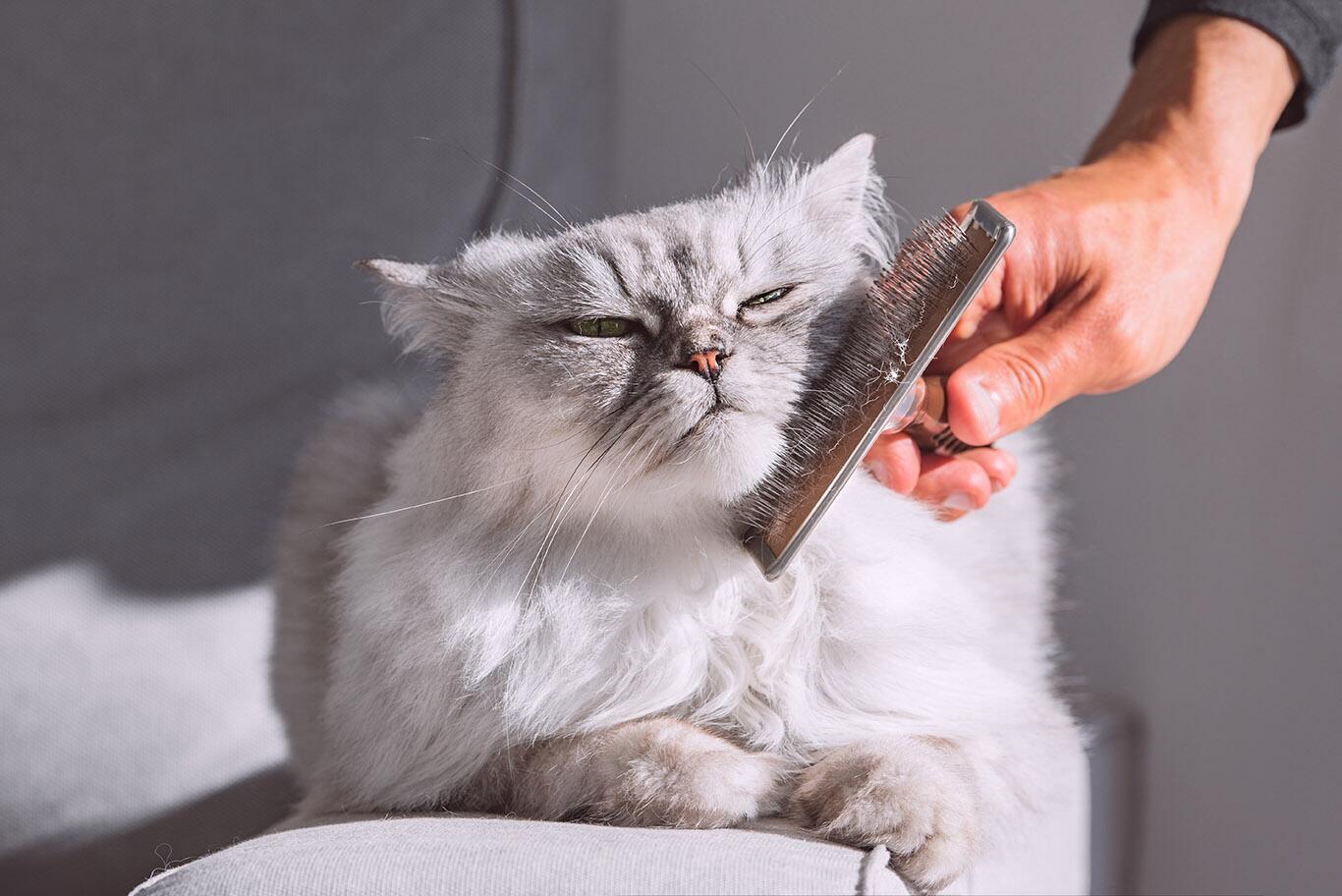
Credit: www.latimes.com
Frequently Asked Questions
Why Does My Cat Groom Itself So Often?
Cats groom frequently to keep their fur clean and remove dirt or parasites. Grooming also helps regulate their body temperature and reduce stress.
Can Excessive Grooming Indicate Health Problems In Cats?
Yes, excessive grooming can signal skin allergies, infections, or parasites. It may also indicate anxiety or pain, so consult a vet if grooming increases suddenly.
How Does Grooming Benefit My Cat’s Overall Health?
Grooming removes loose fur and dirt, preventing matting and skin issues. It also stimulates blood flow and strengthens the bond between cats and their owners.
What Should I Do If My Cat Grooms Excessively?
Observe your cat’s behavior and check for skin issues or parasites. Provide a calm environment and visit the vet to rule out medical or psychological causes.
Conclusion
Cats groom to stay clean and calm. Sometimes, constant grooming means stress or health issues. Watch your cat’s behavior closely. Offer a quiet, safe space to reduce anxiety. Regular vet visits help catch problems early. Understanding why your cat grooms can improve their well-being.
Keep observing and caring for your furry friend. Small changes make a big difference. Your cat will thank you with purrs and love.

Leave a Reply