Have you ever watched your cat grooming and wondered, “Why is my cat grooming so much?” You’re not alone.
Your furry friend’s licking and cleaning might seem simple, but there’s a lot more behind this behavior than meets the eye. Understanding why your cat grooms can help you spot if something is wrong or just normal self-care. Keep reading to discover the surprising reasons your cat spends so much time grooming—and what it means for their health and happiness.
Normal Grooming Habits
Cats spend a lot of time grooming themselves. This behavior is natural and important. Grooming keeps their fur clean and healthy. It also helps cats feel comfortable and calm. Understanding normal grooming habits helps you know what is usual for your cat. It shows when your cat is happy and healthy.
Daily Grooming Routine
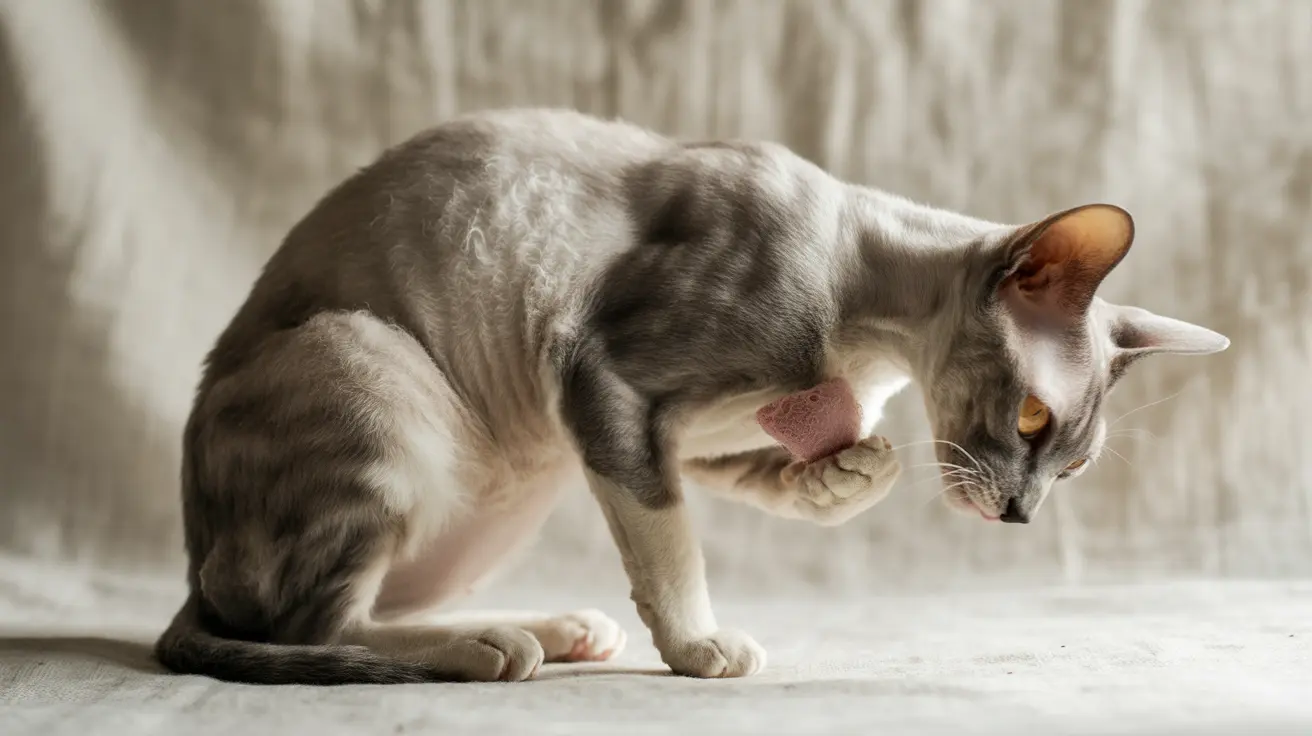
Cats lick their fur many times each day. Their tongue has tiny hooks that catch loose fur and dirt. They clean their face, ears, and paws carefully. Cats also use their teeth to remove mats and tangles. This routine takes about 30 to 50 percent of their day. Grooming is a way cats stay fresh and neat.
Benefits Of Self-cleaning
- Removes dirt, dust, and loose hair
- Prevents skin infections and parasites
- Distributes natural oils to keep fur shiny
- Regulates body temperature by spreading saliva
- Reduces stress and promotes relaxation
Self-cleaning supports a cat’s health and well-being. It helps them feel safe and secure in their environment. Grooming also strengthens bonds when cats groom each other. This behavior is a sign of trust and friendship.
Health Issues Behind Excess Grooming
Excess grooming in cats often points to underlying health issues that need your attention. It’s more than just a quirky habit; it can be a sign your cat is dealing with discomfort or irritation. Understanding these health problems can help you provide the care your furry friend truly needs.
Skin Allergies And Irritations
Skin allergies are a common cause of excessive grooming in cats. Your cat might be reacting to something in their environment like pollen, dust, or certain foods. Allergies cause itching and redness, making your cat lick or chew their fur to find relief.
Have you noticed your cat focusing on one spot repeatedly? That’s often a clue to an allergy or irritation. Checking for redness, swelling, or hair loss can help you spot the problem early. Your vet can recommend treatments or diet changes to ease your cat’s discomfort.
Parasites And Fleas
Parasites like fleas are infamous for making cats over-groom. Even a single flea bite can cause intense itching that drives your cat to groom obsessively. Fleas don’t just cause discomfort—they can lead to infections and other skin problems if left untreated.
Look for small black specks or flea dirt in your cat’s fur and watch for signs of scratching or biting. Regular flea control is crucial, especially if your cat goes outdoors or lives with other pets. Have you checked your cat’s coat lately for these tiny invaders?
Pain And Discomfort
Sometimes, excessive grooming signals pain or discomfort in a specific area. Cats can’t tell us where it hurts, but they show it by licking or biting the painful spot. This behavior might be linked to arthritis, injury, or internal issues like urinary problems.
If your cat suddenly starts grooming a new area intensely, pay attention. It’s worth a vet visit to rule out pain-related causes. How often do you observe your cat’s grooming habits to catch changes early?
Stress And Anxiety Triggers
Cats groom themselves to stay clean and healthy. But excessive grooming can signal stress or anxiety. Understanding the causes can help you support your cat’s wellbeing. Let’s explore some common stress and anxiety triggers in cats.
Environmental Changes
Cats are sensitive to changes in their surroundings. Moving to a new home or rearranging furniture can stress them out. New pets or family members can also disrupt their peace. Creating a stable environment can help ease their anxiety.
Separation Anxiety
Cats can form strong bonds with their owners. When left alone, they may feel stressed and anxious. This can lead to excessive grooming as a coping mechanism. Providing comfort items like familiar blankets can help soothe them.
Boredom And Lack Of Stimulation
Cats need mental and physical stimulation to stay happy. Without it, they can become bored and anxious. This may result in over-grooming. Engage them with toys and interactive play to keep them entertained.

Credit: www.latimes.com
Hormonal And Medical Factors
When your cat suddenly starts grooming excessively, it’s easy to think it’s just a quirky behavior. But sometimes, this habit points to underlying hormonal or medical issues. Understanding these factors can help you spot when your furry friend needs a vet’s attention.
Thyroid Problems
Thyroid issues are common in cats, especially as they age. An overactive thyroid can make your cat restless and cause them to groom excessively, often leading to hair loss or irritated skin.
If you notice your cat is losing fur or seems unusually anxious, a thyroid check might be needed. Have you ever seen your cat suddenly start acting hyper or scratching more than usual? These signs could be your first clue.
Hormonal Imbalances
Hormonal imbalances don’t just affect humans—they can impact your cat’s behavior too. Changes in hormone levels can trigger over-grooming as your cat tries to soothe discomfort or stress.
For example, a female cat in heat may groom more frequently. Neutering or spaying often helps balance these hormones and reduce excessive grooming. Does your cat’s grooming pattern shift with their age or reproductive cycle?
Other Medical Conditions
Besides hormones, other health problems can cause your cat to groom more than usual. Skin infections, allergies, or parasites often lead to itching, prompting your cat to lick or bite at their fur.
Even pain from arthritis or injuries might cause grooming as a coping mechanism. Watching for other symptoms like redness, swelling, or limping can guide you to the right treatment. Are you paying attention to what your cat’s grooming could be telling you about their health?
When To Seek Veterinary Help
Noticing your cat grooming more than usual can be puzzling. Sometimes, it’s a normal behavior, but other times it signals a deeper issue. Knowing when to seek veterinary help can make a huge difference in your cat’s health and comfort.
Warning Signs To Watch For
Pay attention if your cat’s grooming turns into over-grooming or leads to bald patches. Excessive licking, biting, or scratching that results in sores or redness is a clear sign to act.
Other warning signs include:
- Sudden changes in grooming habits
- Visible skin irritation or swelling
- Hair loss in specific areas
- Behavioral changes like restlessness or hiding
If your cat shows any of these, don’t wait. Early intervention can prevent more serious problems.
Diagnostic Tests
Your vet will start with a thorough physical exam, focusing on the skin and coat condition. They may perform skin scrapings or allergy tests to identify parasites or allergens.
Blood tests and biopsies might be necessary to uncover infections or underlying diseases. Sometimes, a simple check for fleas or mites reveals the cause quickly.
These tests help pinpoint the exact reason behind your cat’s grooming changes, guiding the best treatment plan.
Treatment Options
Treatment depends on the diagnosis but often includes medications like anti-parasitics, antibiotics, or anti-inflammatory drugs. Your vet might also recommend special shampoos or diet changes.
Behavioral causes may require environmental changes or stress relief strategies. You might need to add playtime or reduce triggers that cause anxiety.
Remember, your active involvement in following treatment advice and monitoring your cat’s response is key to recovery. Have you noticed changes in your cat’s environment that could be affecting their grooming?
Credit: www.petscare.com
Tips To Reduce Excess Grooming
Excess grooming in cats can signal stress, health issues, or boredom. Reducing this behavior improves your cat’s well-being. Focus on creating a comfortable and stimulating environment. Observe your cat’s habits and adjust care routines. These tips help manage and reduce excess grooming effectively.
Environmental Enrichment
Keep your cat active and engaged with toys and playtime. Provide scratching posts and climbing structures for exercise. Rotate toys to keep interest high. Create cozy resting spots near windows for natural stimulation. A busy environment helps reduce boredom and over-grooming.
Regular Vet Checkups
Schedule vet visits to rule out medical causes like allergies or parasites. A professional exam finds skin problems or pain that triggers grooming. Early detection of health issues prevents worsening behavior. Follow your vet’s advice on treatment and care.
Stress Reduction Techniques
Identify and minimize stress factors in your cat’s surroundings. Use calming pheromone diffusers designed for cats. Establish a consistent daily routine to provide stability. Spend quiet time petting and soothing your cat. Reduce loud noises and sudden changes to calm your pet.

Credit: www.latimes.com
Frequently Asked Questions
Why Is My Cat Grooming Excessively?
Excessive grooming in cats may indicate stress, allergies, or skin infections. It’s a way to soothe themselves or respond to discomfort. If grooming is intense, consult a vet to rule out medical issues or behavioral problems.
How Often Should A Cat Groom Itself?
Cats typically groom themselves multiple times a day to stay clean. Normal grooming helps remove dirt and loose fur. If grooming frequency changes drastically, it could signal health or stress issues requiring attention.
Can Grooming Be A Sign Of Cat Anxiety?
Yes, cats often groom excessively when anxious or stressed. Grooming acts as a calming behavior. Identifying and reducing stressors can help manage anxiety-related grooming. If persistent, seek advice from a vet or animal behaviorist.
Does Grooming Help Cats Stay Healthy?
Grooming keeps a cat’s coat clean and reduces hairballs. It also helps regulate body temperature and stimulates blood flow. Regular grooming is essential for overall feline health and wellbeing.
Conclusion
Cats groom to stay clean, cool, and healthy. Grooming also helps them feel calm and relaxed. Sometimes, grooming shows stress or skin problems. Watch your cat’s habits to spot changes early. Regular grooming supports your cat’s well-being and comfort. Caring for your cat means understanding their grooming needs.
Keep an eye out for over-grooming or lack of grooming. This helps you keep your furry friend happy and healthy. Simple care makes a big difference in your cat’s life.

Leave a Reply