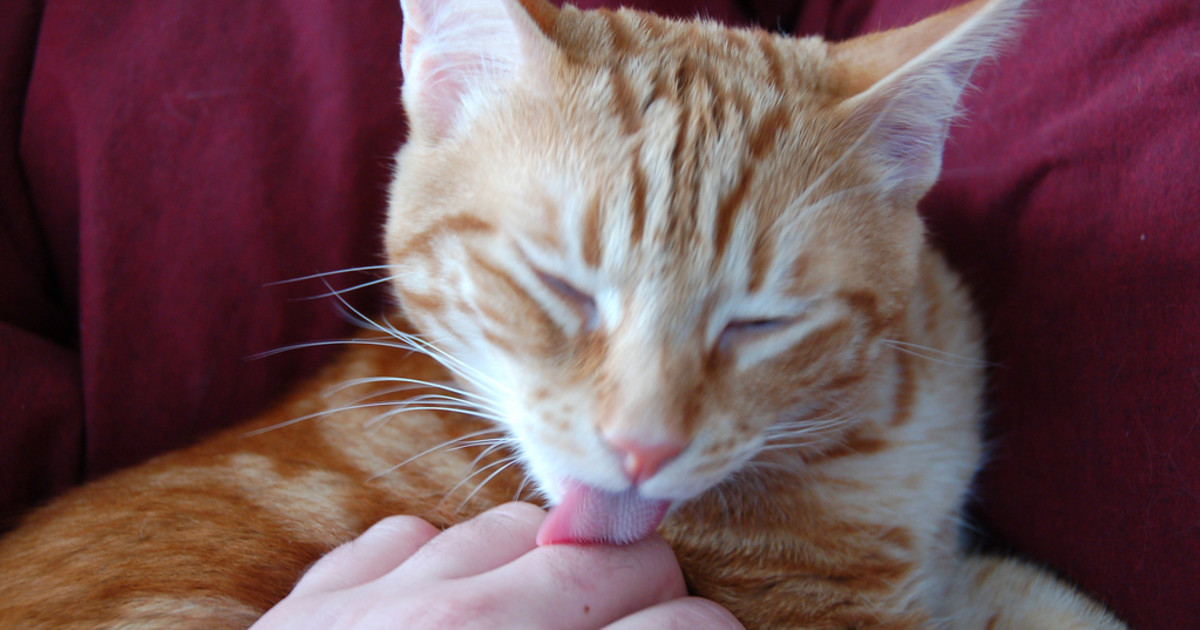
Have you ever noticed your cat licking your hand or gently nibbling on your hair and wondered, “What does it mean if a cat grooms you?” It’s more than just a quirky habit.
When your cat grooms you, they are sending a message—one that reveals their feelings and strengthens the bond you share. Understanding this simple yet powerful behavior can change how you connect with your furry friend. Keep reading, and you’ll discover the surprising reasons behind this affectionate act and what it truly means for your relationship with your cat.
Credit: www.petscare.com
Cat Grooming Behavior
Cats groom themselves and others as a natural part of their daily routine. Grooming is more than just cleaning. It helps cats relax, bond, and communicate. Understanding cat grooming behavior reveals why your cat may groom you.
Natural Grooming Habits
Cats spend many hours each day licking their fur. This keeps their coat clean and removes loose hair. Grooming also controls body temperature by spreading natural oils. It reduces stress and calms the cat’s mind. Cats use their tongues to clean hard-to-reach spots. Their rough tongues help remove dirt and debris effectively.
Social Grooming In Cats
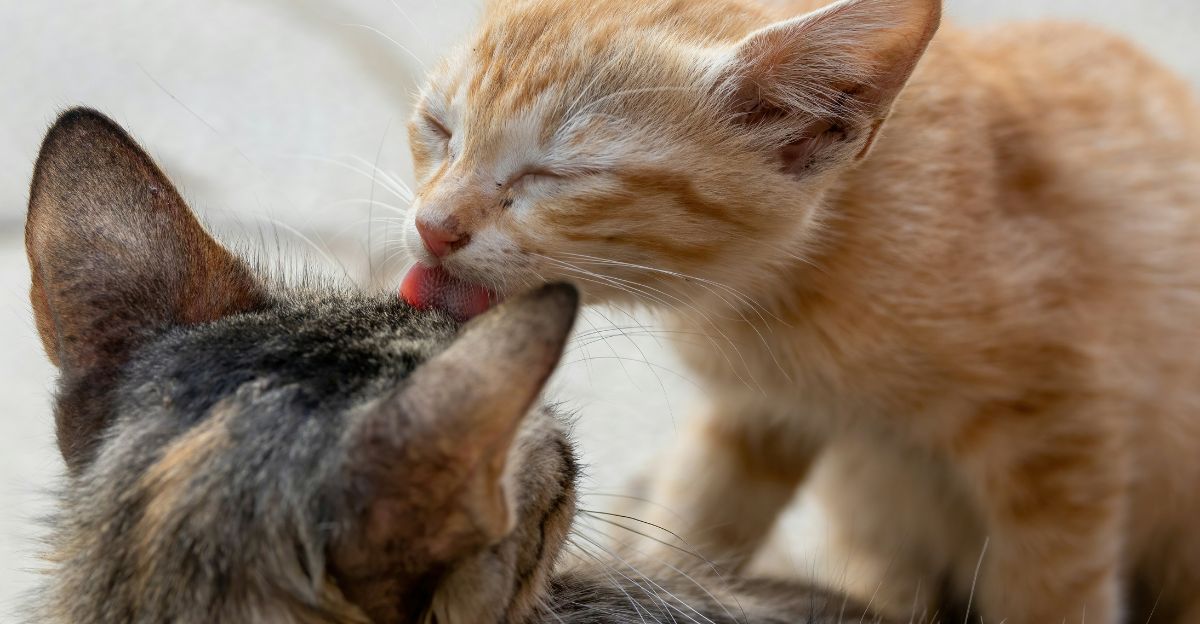
Social grooming, called allogrooming, happens between cats in a group. Cats lick each other to build trust and strengthen bonds. This behavior shows affection and creates a sense of safety. When your cat grooms you, it copies this social habit. It means your cat sees you as part of its family. Grooming you can also mark you with its scent, showing ownership and care.
Reasons Cats Groom Humans
Cats use grooming as a special way to connect with humans. This behavior shows more than just cleanliness. It reveals the bond between you and your cat. Understanding why cats groom humans helps you appreciate their feelings and needs better.
Showing Affection
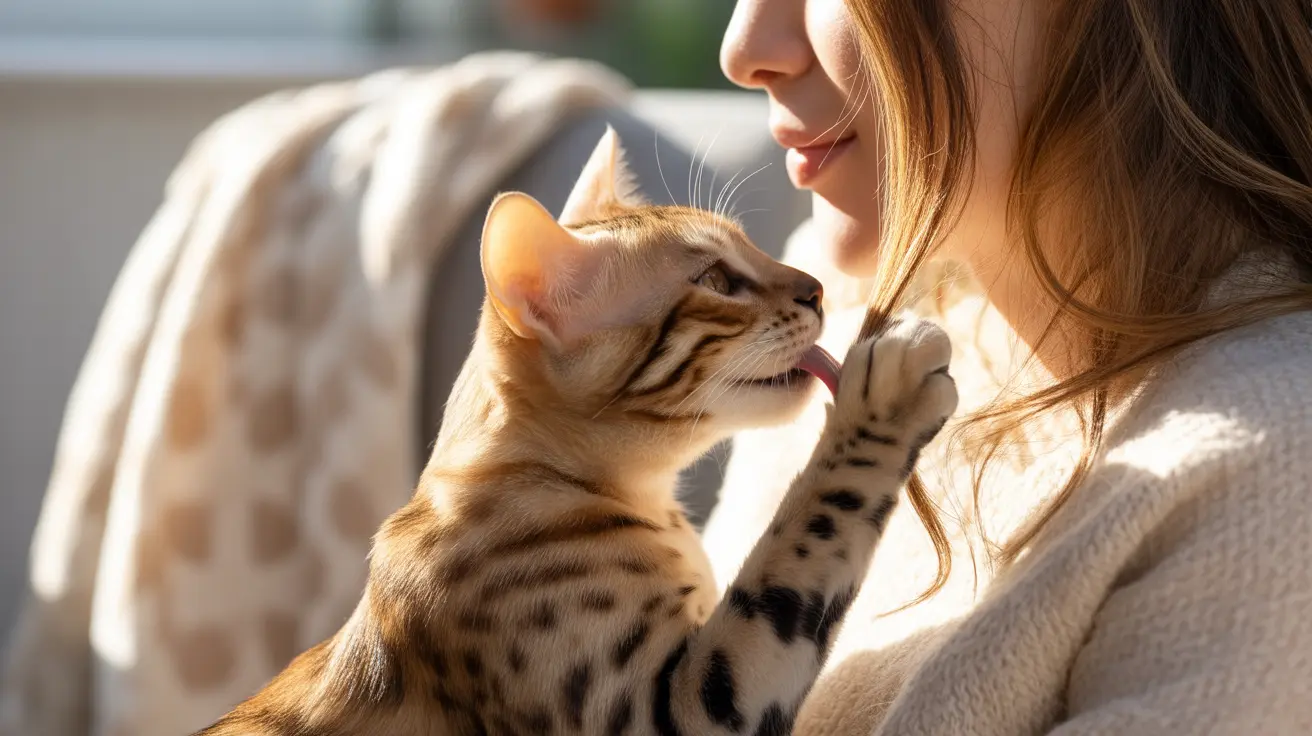
Cats groom humans to show love and trust. It’s a gentle way to say, “I care about you.” This action builds a strong bond. Cats often lick areas like hands or face to express closeness. Grooming is a sign your cat feels safe and happy around you.
Marking Territory
Cats have scent glands in their mouths and tongues. When they lick you, they leave their scent behind. This marks you as part of their territory. It helps cats feel secure in their environment. Grooming is a way to claim you as a member of their family.
Seeking Comfort
Grooming humans can calm cats during stress or anxiety. The act of licking releases soothing feelings. It reminds them of being cared for as kittens. Cats may groom to relax and find comfort in your presence. This behavior shows they trust you deeply.
Types Of Grooming Actions
Cats groom you to show affection and trust. Different grooming actions, like licking or nibbling, express comfort and bonding. Such behavior often means your cat feels close and safe with you.
Cats are fascinating creatures, and their grooming actions are a language of their own. If your cat starts grooming you, it might be a sign of affection or a way to bond. Let’s explore some specific types of grooming actions your feline friend might use to show their love and what they mean.Licking
When a cat licks you, it’s often a sign of affection and trust. Similar to how they groom themselves or other cats, licking is a way to show you’re part of their family. If your cat licks you, consider it a compliment. However, some cats might lick excessively due to anxiety or boredom, so pay attention to the context.Nibbling
Nibbling can be a quirky yet endearing behavior. Often, cats nibble gently as a playful gesture or to get your attention. These little nips are usually harmless, but if they become too frequent or hard, it might be time to redirect their energy with toys. Do you notice when your cat nibbles? It could be their way of saying, “I want to play!”Head Butting
Head butting, or “bunting,” is a strong sign of trust and affection. When a cat head butts you, they’re marking you with their scent, claiming you as part of their territory. It’s a gesture that says, “I feel safe with you.” Next time your cat head butts you, give them a gentle scratch behind the ears—they’ll appreciate the reciprocation. Understanding these grooming actions can deepen your bond with your cat. Have you experienced any of these behaviors? Reflect on what they might be trying to tell you.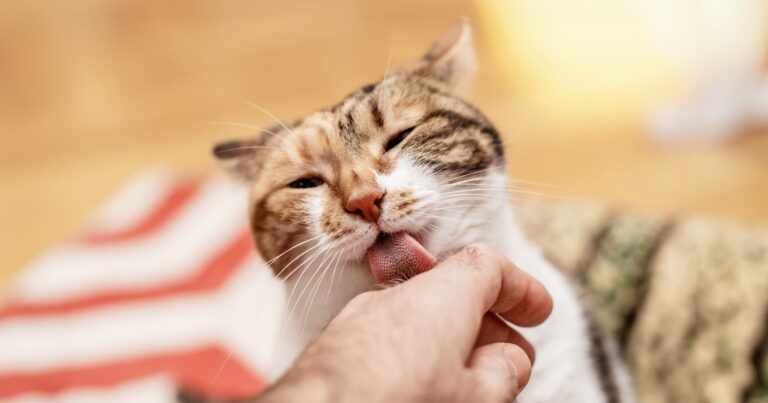
Credit: www.diamondpet.com
Emotional Messages Behind Grooming
Cats use grooming as a way to share their feelings. This act carries strong emotional messages. It shows more than just cleaning. It reveals trust, comfort, and connection. Understanding these messages helps us bond with our cats deeply.
Trust And Bonding
When a cat grooms you, it shows trust. Cats only groom those they feel safe with. This behavior builds a strong bond between you and your pet. It is a silent way to say, “You are family.”
Stress Relief
Grooming helps cats calm down. It reduces their stress and anxiety. When cats groom you, they share this peaceful feeling. It is a way to relax together. This action creates a calm and happy environment.
Attention Seeking
Sometimes, grooming is a way to ask for attention. Cats want your focus and love. Grooming gently reminds you to notice them. It is their quiet call for affection and care.
How To Respond To Your Cat’s Grooming
Understanding how to respond to your cat’s grooming can deepen the bond between you and your furry friend. Cats groom as a sign of affection and trust, but your reaction can either encourage or discourage this behavior. Knowing the right way to engage with your cat during these moments helps maintain a positive relationship and ensures your cat feels safe and loved.
Encouraging Positive Interaction
When your cat grooms you, it’s a sign they see you as part of their family. You can encourage this behavior by gently petting them back or softly talking to your cat. Offering a calm environment with minimal distractions helps your cat feel comfortable and more likely to groom you again.
Try responding by stroking their head or chin—areas cats often enjoy being touched. This reinforces the grooming as a shared, loving activity. Have you noticed how your cat’s purring increases when you respond warmly?
Recognizing Over-grooming
While grooming is healthy, too much grooming directed at you or themselves can signal stress or health issues. If your cat starts grooming you aggressively or excessively, it might be time to observe their overall behavior and environment.
Look for signs like hair loss, skin irritation, or sudden changes in mood. Over-grooming can mean your cat is anxious or uncomfortable, so consider consulting a vet if you suspect this. How often does your cat stop grooming to rest or play?
Setting Boundaries
It’s okay to set limits if your cat’s grooming becomes too much or uncomfortable. You can gently move away or redirect their attention with a toy or treat. This teaches your cat that while grooming is welcome, it should be balanced and respectful.
Consistency is key—always respond the same way when setting boundaries. This helps your cat understand your comfort zone and respects their natural behaviors at the same time. Have you found certain signals your cat understands better than others?
When Grooming Signals Health Issues
Grooming is a natural way cats show affection, but sometimes it can signal health problems. When your cat grooms you too much or behaves differently while grooming, it could mean they are stressed or unwell. Paying attention to these subtle signs helps you act quickly and keep your furry friend healthy.
Excessive Grooming Warning Signs
Excessive grooming goes beyond a loving lick and can indicate discomfort or illness. If your cat starts licking you repeatedly in the same spot or seems unable to stop, it might be a red flag. This behavior could mean your cat is trying to soothe pain or anxiety.
- Look for raw or irritated skin caused by over-licking.
- Notice if your cat’s grooming sessions last much longer than usual.
- Check for bald patches on your cat’s fur, which may show they are grooming themselves excessively as well.
I once noticed my cat licking my arm nonstop; it turned out he was stressed after a loud thunderstorm. That behavior was his way of coping, signaling I needed to help him feel safe.
Behavioral Changes To Watch
Changes in your cat’s usual grooming habits often come with other behavioral shifts. A normally calm cat might become restless or hide more, and grooming might become frantic or obsessive. These signs often point to underlying health or emotional issues.
- Is your cat grooming more after a change in environment or routine?
- Does your cat seem agitated or avoid contact during grooming?
- Are there new vocalizations like meowing or growling when grooming happens?
When your cat’s grooming behavior changes, ask yourself if something stressful has happened recently. Recognizing these signs early can help you seek veterinary advice before problems worsen.

Credit: tryfurgo.com
Frequently Asked Questions
Why Does My Cat Groom Me Regularly?
Cats groom you to show affection and trust. It’s a sign they consider you part of their family. Grooming also strengthens your bond and makes your cat feel safe and comfortable around you.
Is Cat Grooming A Sign Of Love?
Yes, cat grooming is a clear sign of love. It’s their way of expressing care and forming a close social bond with you. Grooming shows your cat values your companionship and feels secure with you.
Can Grooming Indicate A Cat’s Stress Or Anxiety?
Generally, grooming is a positive behavior, not stress-related. However, excessive grooming might signal anxiety or discomfort. Monitor if your cat grooms you too often or aggressively, and consult a vet if concerned.
Does Cat Grooming Have Health Benefits For Humans?
Cat grooming can improve your mood by reducing stress and increasing oxytocin levels. It also helps cats bond with you, promoting emotional well-being for both. However, it doesn’t have direct physical health benefits for humans.
Conclusion
A cat grooming you shows trust and love. It means your cat feels safe with you. This gentle act builds a strong bond. Cats also share their scent to mark you as family. Enjoy these moments; they are special. Remember, your cat wants to care for you.
So, cherish the quiet grooming times. They speak louder than words.


Leave a Reply