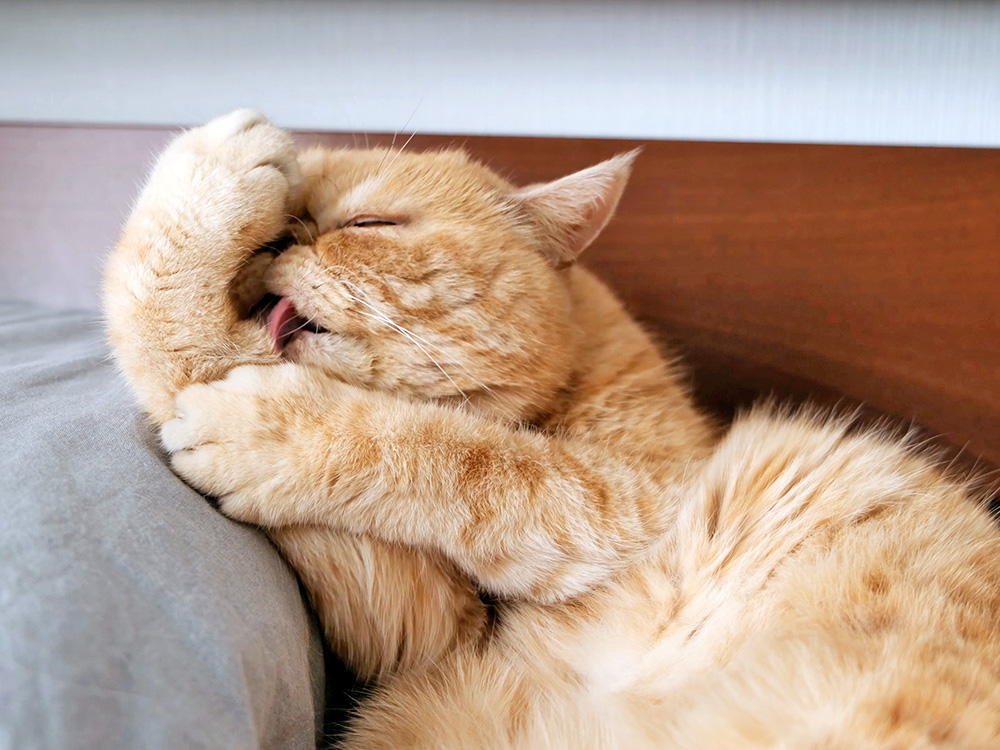
Have you ever noticed your cat spending hours licking its fur, almost as if it can’t stop? You might wonder why your furry friend seems obsessed with grooming.
It’s more than just cleanliness—your cat’s grooming habits can reveal a lot about its health and emotions. Understanding why cats over groom can help you keep your pet happy and healthy. Keep reading to discover the surprising reasons behind this behavior and what you can do to help your cat feel its best.
Reasons Behind Excessive Grooming
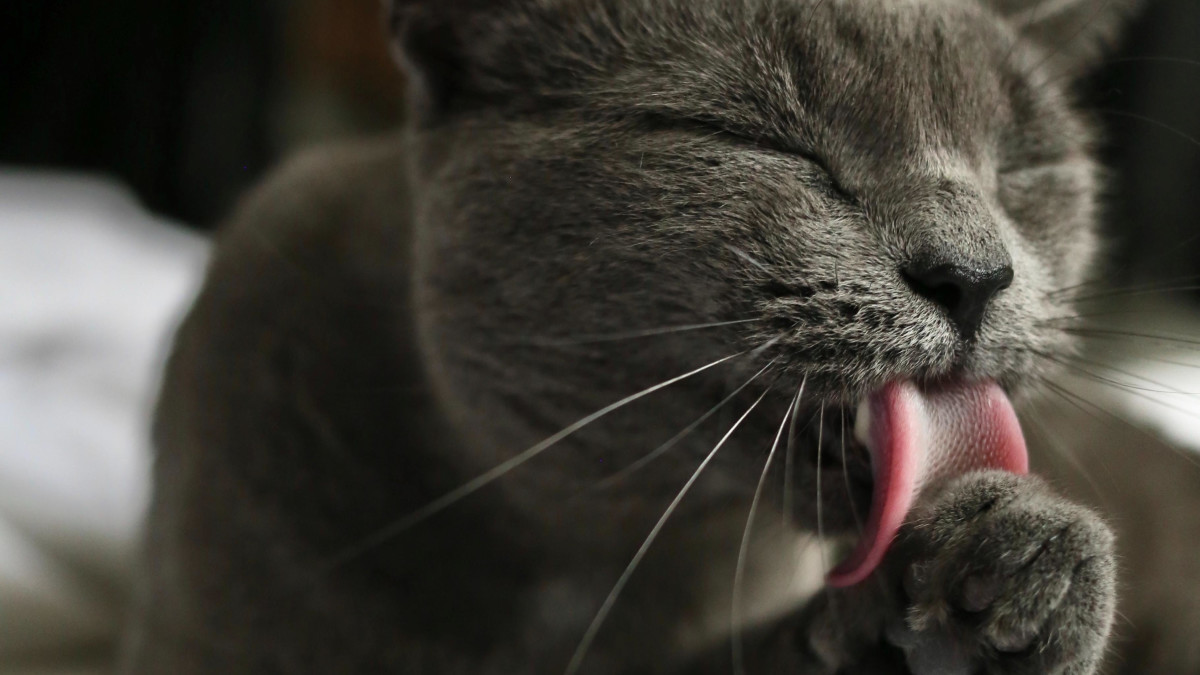
Cats groom themselves to stay clean and comfortable. Sometimes, grooming becomes excessive. This behavior can signal different issues. Understanding why cats over groom helps address the problem early.
Stress And Anxiety Triggers
Cats often groom to calm down. Stress from loud noises, new places, or strangers may cause over grooming. It acts as a self-soothing habit. This helps cats feel safer but may harm their skin.
Allergies And Skin Irritations
Allergies to food, pollen, or dust can cause itching. Cats lick and scratch to relieve discomfort. This leads to hair loss or red patches. Identifying allergens can reduce excessive grooming.
Parasites And Infections
Fleas, mites, or ticks irritate a cat’s skin. Cats groom more to remove these pests. Skin infections can also cause itching and pain. Treating parasites and infections stops over grooming.
Boredom And Lack Of Stimulation
Cats need mental and physical activity. Without enough play, they may groom out of boredom. Over grooming replaces fun and exercise. Providing toys and interaction helps reduce this behavior.
Medical Conditions Affecting Grooming
Some illnesses affect a cat’s grooming habits. Arthritis or pain may limit grooming in some areas. Hormonal imbalances or skin disorders can cause over grooming. Vet checks are important for diagnosis and care.
Credit: pethelpful.com
Signs To Watch For
Watching your cat closely helps spot grooming problems early. Cats groom to stay clean and calm. But too much grooming can signal stress or illness. Signs to watch for show when grooming is more than normal. These signs fall into behavior, skin condition, and grooming habits. Knowing them guides you to help your pet quickly.
Behavioral Changes
Notice if your cat acts restless or anxious. Hiding more than usual may occur. They might seem irritable or avoid playtime. Excessive licking or biting of fur can happen. Changes in appetite or sleeping patterns are common. These shifts often point to stress or discomfort behind grooming.
Physical Symptoms On Skin And Fur
Look for bald spots or thinning fur. Red, inflamed, or scaly skin shows irritation. Small wounds or scabs might appear from over-licking. Dry or greasy patches can indicate skin problems. Dull or matted fur is a warning sign. These physical changes suggest grooming has become harmful.
Frequency And Duration Of Grooming
Track how often your cat grooms daily. Grooming sessions lasting more than 10 minutes need attention. Repeated licking of the same area is a concern. Grooming that interrupts eating or sleeping is unusual. Watching these patterns helps identify obsessive grooming early.
Home Remedies To Soothe Your Cat
Cats groom themselves to stay clean, but too much licking can mean stress or skin problems. Simple home remedies like gentle brushing and calm spaces help soothe your cat’s urge to over-groom. Observing their behavior can reveal when they need extra care.
Cats often over-groom due to stress, allergies, or skin issues. This behavior can cause bald spots and skin infections. Understanding the root cause is essential. Home remedies can help soothe and comfort your cat, providing relief and promoting healing.Creating A Calm Environment
Create a peaceful space for your cat. Use soft lighting and minimize loud noises. A quiet corner with a comfy bed can be ideal. Consider adding a cat tree for a safe retreat. Use calming scents like lavender in moderation. Ensure your cat has a space to relax undisturbed.Enrichment Activities And Toys
Offer toys that engage your cat’s instincts. Puzzle toys can provide mental stimulation. Interactive play sessions can redirect grooming behavior. Rotate toys to maintain interest. Feather wands and laser pointers can be great choices. Enrichment activities can reduce stress and promote well-being.Proper Nutrition And Hydration
A balanced diet supports healthy skin and coat. Ensure your cat’s food contains essential nutrients. Omega-3 fatty acids can improve skin health. Always provide fresh water to keep your cat hydrated. Wet food can also increase water intake. Proper nutrition plays a key role in reducing over-grooming.When To See A Veterinarian
Obsessive grooming in cats can sometimes be more than just a quirky habit. It might signal underlying health problems that need immediate attention. Knowing when to see a veterinarian can save your cat from discomfort and prevent serious complications.
Identifying Serious Health Issues
Not every bout of grooming is cause for alarm. But if your cat is grooming so much that their fur becomes patchy or the skin looks red and irritated, it’s time to act.
Watch for signs like:
- Persistent licking or biting in one spot
- Open sores or scabs
- Changes in behavior such as hiding or aggression
- Sudden hair loss or bald patches
These signs can indicate allergies, parasites, infections, or even stress-related issues that require professional care. Have you noticed your cat grooming more than usual after a change in environment or diet?
Diagnostic Tests And Procedures
When you bring your cat to the vet, they will perform a thorough examination to pinpoint the cause of over-grooming. This often involves:
- Skin scrapings to check for mites or infections
- Allergy testing to identify environmental or food triggers
- Blood tests to rule out hormonal imbalances or systemic diseases
- Behavioral assessments if stress or anxiety is suspected
These tests help the vet tailor a treatment plan specific to your cat’s condition. Have you ever wondered what’s really behind your cat’s sudden obsession with grooming?
Treatment Options Available
Treatment depends on the root cause discovered. For parasites, your vet may prescribe topical or oral medications. Allergies might require dietary changes or antihistamines.
If stress is the culprit, environmental enrichment and calming products can help. In severe cases, medications like steroids or antibiotics might be necessary to heal skin infections.
Remember, early intervention often leads to better outcomes. Could a quick vet visit today prevent your cat’s grooming habit from spiraling out of control?
Preventing Over Grooming In The Future
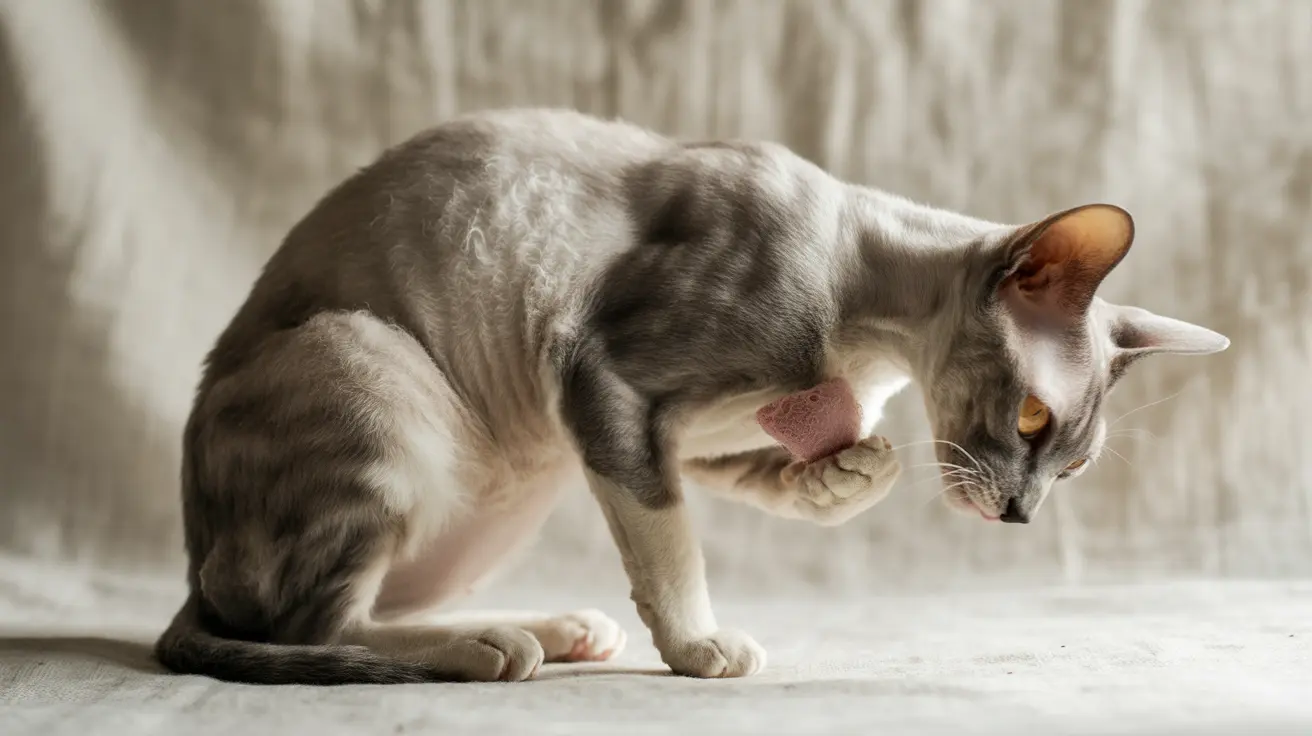
Preventing over grooming helps keep your cat healthy and happy. Cats may groom too much due to health or stress issues. Addressing these problems early stops serious damage to their skin and fur. A good routine and care reduce the chance of over grooming in the future.
Regular Health Checkups
Take your cat to the vet often. Regular exams catch skin problems or parasites early. Your vet can spot allergies that cause itching. Vaccinations and parasite control keep your cat comfortable. Early treatment stops over grooming before it starts.
Stress Reduction Techniques
Cats groom more when they feel stressed or bored. Create a calm space with quiet and soft bedding. Use toys and playtime to keep your cat busy. Scents like lavender can help cats relax. Avoid sudden changes that upset your cat’s routine.
Maintaining A Healthy Lifestyle
Feed your cat a balanced diet for healthy skin and coat. Fresh water and good food boost their immune system. Regular exercise keeps your cat active and reduces anxiety. Groom your cat gently to remove loose fur and dirt. A healthy lifestyle lowers the chance of over grooming.
Credit: www.petscare.com

Credit: basepaws.com
Frequently Asked Questions
Why Do Cats Groom Themselves So Often?
Cats groom to keep their fur clean, remove loose hair, and regulate body temperature. Grooming also reduces stress and strengthens their bond with other cats.
Can Obsessive Grooming Harm My Cat?
Yes, excessive grooming can cause skin irritation, hair loss, and infections. It often signals stress, allergies, or underlying health problems.
What Causes Cats To Over Groom?
Cats may over groom due to anxiety, parasites, allergies, pain, or boredom. Identifying the cause helps prevent further obsessive grooming behavior.
How Can I Stop My Cat From Over Grooming?
Provide mental stimulation, reduce stress, and treat medical issues promptly. Consult a vet for diagnosis and tailored treatment options.
Conclusion
Cats groom to stay clean and healthy. Grooming helps them cool down and feel safe. Sometimes, they groom too much because of stress or health issues. Watching your cat’s grooming habits can tell you a lot. If grooming seems excessive, a vet visit might help.
Understanding why cats groom helps you care for them better. Their grooming is natural but needs balance. Every cat is different, so pay attention to your pet’s behavior. This way, you keep your cat happy and healthy.


Leave a Reply