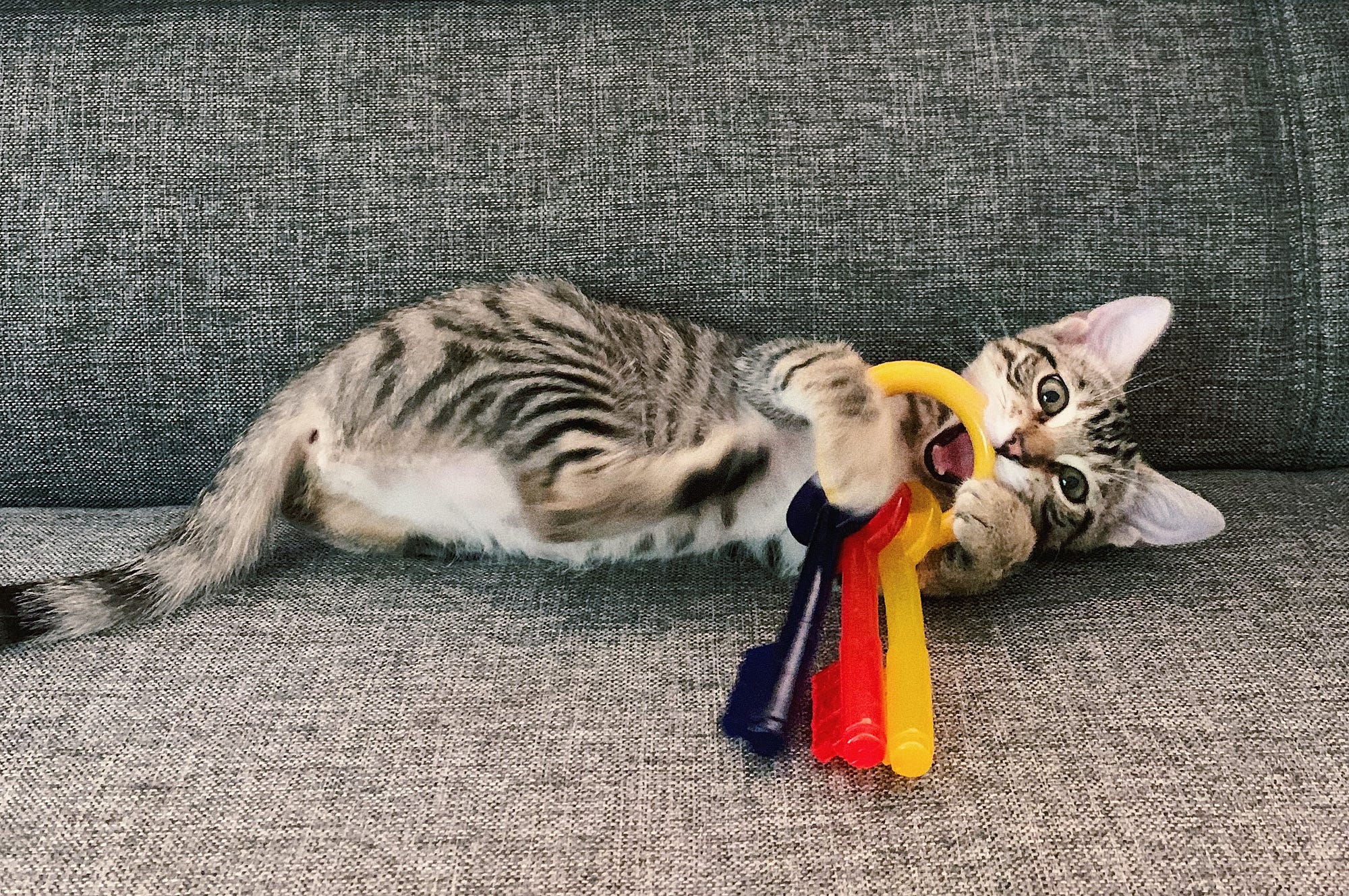
Have you ever caught your dog playing with your cat’s toys and wondered why? It might seem strange at first, but there’s actually a lot going on behind that curious behavior.
Understanding why your dog prefers cat toys can help you keep them happy and entertained. Keep reading, and you’ll discover surprising reasons that explain this quirky habit and learn how to turn it into a fun part of your pet’s playtime.

Credit: www.amazon.com
Curiosity And Novelty
Your dog’s fascination with cat toys often boils down to curiosity and the thrill of something new. Dogs are naturally inquisitive creatures, always eager to explore their environment. When a cat toy enters their space, it stands out as an intriguing object worthy of investigation.
Attraction To New Textures
Cat toys often feature textures that differ from typical dog toys. They might be soft, crinkly, or even fuzzy—surfaces your dog doesn’t usually encounter. This variety stimulates your dog’s sense of touch and keeps them engaged longer than their usual toys.
Think about the last time you introduced a new texture to your dog—did they immediately try to bite, paw, or carry it around? That’s their way of learning and enjoying the new sensation. Offering different textures can also provide mental stimulation, which is just as important as physical exercise.
Interest In Unfamiliar Shapes
Cat toys often come in unique shapes like small mice, balls with bells, or feathered objects. These shapes aren’t typical in most dog toys, so they spark your dog’s curiosity. Your dog might be intrigued by how these toys move or feel in their mouth.
Have you noticed your dog’s playful behavior shift when they have a new toy? They might shake it, toss it, or carry it around differently. These unfamiliar shapes invite your dog to experiment with new ways of playing, keeping their mind sharp and their energy focused.
Instinctive Play Behavior
Your dog’s fascination with cat toys often traces back to instinctive play behavior deeply rooted in their nature. Play isn’t just fun for dogs—it’s a way for them to practice skills vital for survival. Understanding this can help you see why your dog might prefer the small, fast-moving toys designed for cats.
Chasing And Pouncing Drives
Dogs are natural predators, and their instincts push them to chase and pounce on moving objects. Cat toys often mimic the quick, erratic movements of small animals, which triggers your dog’s chasing drive. Have you noticed how your dog suddenly springs to life when a dangling feather or a tiny mouse-shaped toy catches their eye?
This behavior is not about the toy itself but the movement and size, which perfectly match your dog’s hunting instincts. Giving your dog toys that encourage chasing and pouncing can keep them mentally and physically stimulated. You might try using a cat wand toy to see how your dog reacts—it could become their new favorite game.
Hunting Simulation
Cat toys often simulate prey animals in both size and movement, providing a mini hunting experience for your dog. This satisfies their urge to stalk, grab, and shake, which are crucial parts of their natural hunting routine. When your dog plays with a cat toy, they are essentially practicing these survival skills in a safe and controlled way.
Consider the way your dog focuses intently, crouches low, and then pounces—these are all hunting behaviors. If you want to engage your dog more during playtime, try rotating toys that mimic different prey behaviors to keep their interest alive. Does your dog prefer toys that flutter, squeak, or roll? Observing this can help you choose the right playthings.
Scent And Sound Appeal
Dogs are drawn to cat toys because of their scent and sound. These toys often carry smells and noises that catch a dog’s attention. The appeal lies in how these senses trigger curiosity and play instincts.
Smell Of Catnip Or Other Ingredients
Catnip is a strong attractant for cats but can also interest dogs. Some dog toys contain catnip or similar herbs, which smell fresh and exciting. Dogs use their nose to explore, and these scents invite sniffing and chewing.
Other ingredients in cat toys, like valerian root or silver vine, have unique smells. Dogs find these smells intriguing, which explains their attraction. The scent encourages dogs to play and stay engaged longer.
Noise From Toys That Engage Dogs
Many cat toys make noises such as crinkles, squeaks, or rattles. These sounds mimic small animals or prey, sparking a dog’s hunting instincts. The noise grabs a dog’s attention quickly and keeps them interested.
Dogs enjoy interactive play, and noisy toys provide fun feedback. The sounds invite dogs to chase, bite, and paw at the toy. This makes cat toys irresistible to many dogs despite being made for cats.
Size And Durability Factors
Size and durability play a big role in why your dog might prefer cat toys over their own. Cat toys tend to be smaller and lighter, making them easier for your dog to carry and chew. Plus, many cat toys are made with materials that can handle a good amount of rough play, which appeals to your dog’s natural instincts.
Easy To Carry And Chew
Cat toys are often designed to fit comfortably in a cat’s mouth, which means they are usually smaller and lighter than dog toys. This size can be just right for dogs who like to carry toys around in their mouths. You might notice your dog happily trotting around with a small, soft mouse toy instead of a bulky ball.
Smaller toys are also easier for dogs to chew. If your dog tends to get bored with large, heavy toys, a lightweight cat toy might keep their interest longer. Have you seen your dog gently nibble on a tiny toy for minutes instead of tossing a big one aside? That’s a clue about their preference.
Toys That Withstand Rough Play
Durability is another important factor. While cat toys are generally made for lighter play, some are surprisingly tough. Toys made from strong fabrics, reinforced stitching, or durable rubber can survive your dog’s enthusiastic chewing and shaking.
Choosing cat toys with reinforced seams or tough materials can save you money and frustration. You don’t want your dog to shred a toy in seconds. Look for toys advertised as “durable” or “made for active cats” since they often handle rough play better.
Have you tried swapping out a fragile dog toy for a tough cat toy and noticed your dog playing longer? It’s worth experimenting with different sizes and materials to find the perfect fit for your dog’s play style.
Shared Interests In Play Items
Have you ever wondered why your dog seems just as interested in cat toys as your feline friend? It turns out, dogs and cats share more in common than we might expect, especially when it comes to their play preferences. This overlap can lead to some amusing and unexpected behaviors in your furry companions.
Overlap Between Dog And Cat Toy Preferences
Both dogs and cats are driven by curiosity and the instinct to hunt. This means toys that mimic small animals, like mice or birds, often attract both species. Toys with feathers, bells, or squeakers cater to these instincts, drawing in dogs just as they do cats. Cats may prefer toys that dangle or flit around, while dogs enjoy toys they can chase or pounce on. Despite these differences, the design of many toys appeals to the basic predatory instincts present in both animals. Who knew a simple ball or string could be so versatile?
How Dogs Adapt To Cat Toys
Dogs are incredibly adaptable creatures, often finding new ways to enjoy toys not intended for them. A small, jingly cat ball might become a challenge for a dog to chase around the room. The texture and sound appeal to their senses, providing a different kind of satisfaction than typical dog toys. You might notice your dog batting at a hanging feather toy, much like a cat. They learn from observation, and often mimic behaviors that appear fun. This adaptability not only keeps them entertained but also highlights the playful bond shared with their feline counterparts.
Have you ever caught your dog in the act of playing with a cat toy? It’s a reminder of the playful spirit shared across species, and a nudge to appreciate the simple joys they find in everyday objects. Next time, consider sharing a toy with both your cat and dog, and watch their shared interests bring them closer together.

Credit: www.amazon.com
Safety Considerations
Safety is a key factor when dogs play with cat toys. Cat toys are made for smaller animals. Dogs and cats have different chewing habits and strengths. Understanding safety helps keep pets healthy and happy. It also prevents accidents or injuries.
Potential Risks Of Using Cat Toys For Dogs
Cat toys can break easily under strong dog bites. Small parts may come loose and cause choking. Some cat toys have feathers or strings. Dogs can swallow these and get stomach problems. Soft toys may not last long with heavy chewing. Sharp edges or hard materials may hurt dog teeth or gums.
- Choking hazards from small pieces
- Swallowing feathers or strings
- Breaking into sharp fragments
- Not durable for strong chewers
Choosing Appropriate Toys For Both Pets
Select toys that suit your dog’s size and chewing strength. Look for toys labeled safe for dogs. Avoid toys with small parts or loose pieces. Use cat toys only for gentle play, not intense chewing. Always supervise your pets during playtime. Replace toys that show signs of damage. Choose materials that are non-toxic and sturdy.
- Pick size-appropriate toys
- Check for durability and safety labels
- Supervise play to avoid accidents
- Regularly inspect and replace damaged toys
Tips To Encourage Healthy Play
Encouraging healthy play helps your dog enjoy cat toys safely. It supports exercise and mental stimulation. Proper guidance reduces risks of injury or destructive behavior. Playtime becomes fun and safe for your furry friend. Use these tips to create positive play habits.
Introducing Cat Toys Safely
Start by choosing cat toys made of non-toxic materials. Avoid toys with small parts that dogs can swallow. Let your dog sniff and explore the toy before playing. Show excitement and praise your dog to build interest. Keep the first play sessions short to avoid stress. Always supervise your dog during initial play with cat toys.
Monitoring Playtime Behavior
Watch your dog’s reactions while playing with cat toys. Look for signs of chewing or swallowing parts. Stop play if your dog becomes too rough or aggressive. Redirect your dog to appropriate toys if needed. Clean toys regularly to avoid germs and dirt. Keep playtime consistent to develop good habits and reduce boredom.

Credit: www.reddit.com
Frequently Asked Questions
Why Do Dogs Prefer Cat Toys Sometimes?
Dogs like cat toys because they mimic small prey. Cat toys are often lightweight, colorful, and make enticing noises. These features stimulate a dog’s hunting instincts, making cat toys more engaging than some dog toys.
Are Cat Toys Safe For Dogs To Play With?
Most cat toys are safe for dogs but supervise playtime. Avoid small parts that could be swallowed. Choose durable toys to prevent choking hazards and ensure your dog’s safety.
Can Cat Toys Satisfy My Dog’s Chewing Needs?
Cat toys are usually softer and less durable than dog toys. They might satisfy light chewing but not heavy chewing needs. For strong chewers, provide sturdier toys designed for dogs.
Why Do Dogs Like The Texture Of Cat Toys?
Dogs enjoy cat toys’ soft and fuzzy textures. These textures feel good in their mouths and paws. This sensory experience can make cat toys more appealing to dogs.
Conclusion
Dogs enjoy cat toys because they are small and fun to chase. These toys often move in ways that catch a dog’s attention. Dogs like to explore new textures and shapes with their mouths. Cat toys can satisfy their natural hunting instincts.
Watching your dog play with cat toys can be amusing and surprising. Let your dog enjoy different toys safely. It helps keep them happy and active. Understanding this behavior can improve your pet’s playtime. Every dog is unique, so observe what they like best.

Leave a Reply