Is your cat spending more time licking than usual? Excessive grooming can be more than just a quirky habit—it might be a sign that your furry friend is stressed, itchy, or facing health issues.
Knowing how to spot when grooming crosses the line is key to keeping your cat happy and healthy. You’ll learn the simple signs to watch for and what steps you can take to help your pet feel comfortable again. Keep reading to discover how to tell if your cat is grooming too much—and what that means for you both.
Signs Of Excessive Grooming
Excessive grooming in cats can signal stress, allergies, or health problems. Identifying signs early helps protect your cat’s well-being. Watch closely for physical and behavioral changes. These signs often appear before serious issues develop.
Bald Spots And Hair Loss
Look for patches where fur is missing or thinning. Bald spots appear in places your cat licks most. These areas may feel smooth or slightly rough. Hair loss shows your cat grooms more than usual.
Red Or Irritated Skin
Check your cat’s skin for redness or swelling. Irritated skin often feels warm or tender. This happens from constant licking or biting. Notice if your cat avoids touch in these spots.
Scabs And Sores
Scabs or open sores may form on the skin. These wounds result from persistent biting or scratching. They can cause pain or infection if untreated. Scabs show your cat’s grooming has become harmful.
Frequent Licking Or Biting
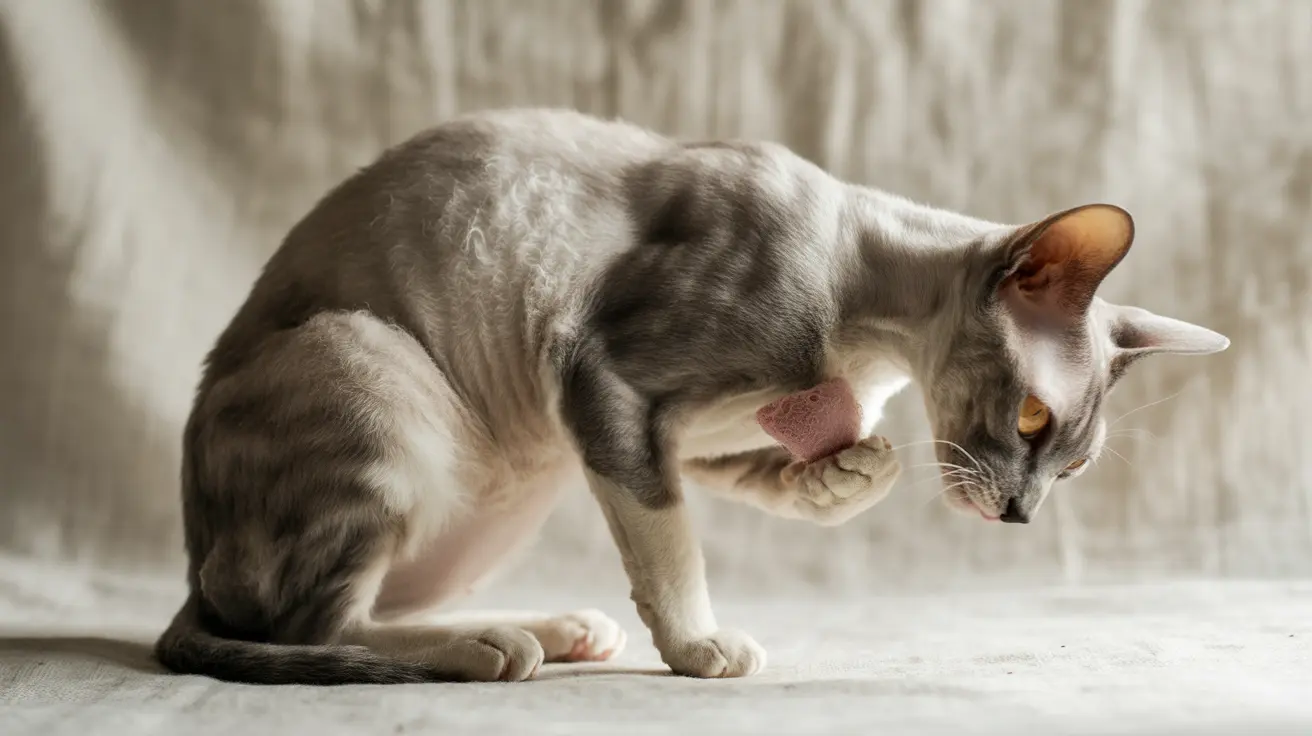
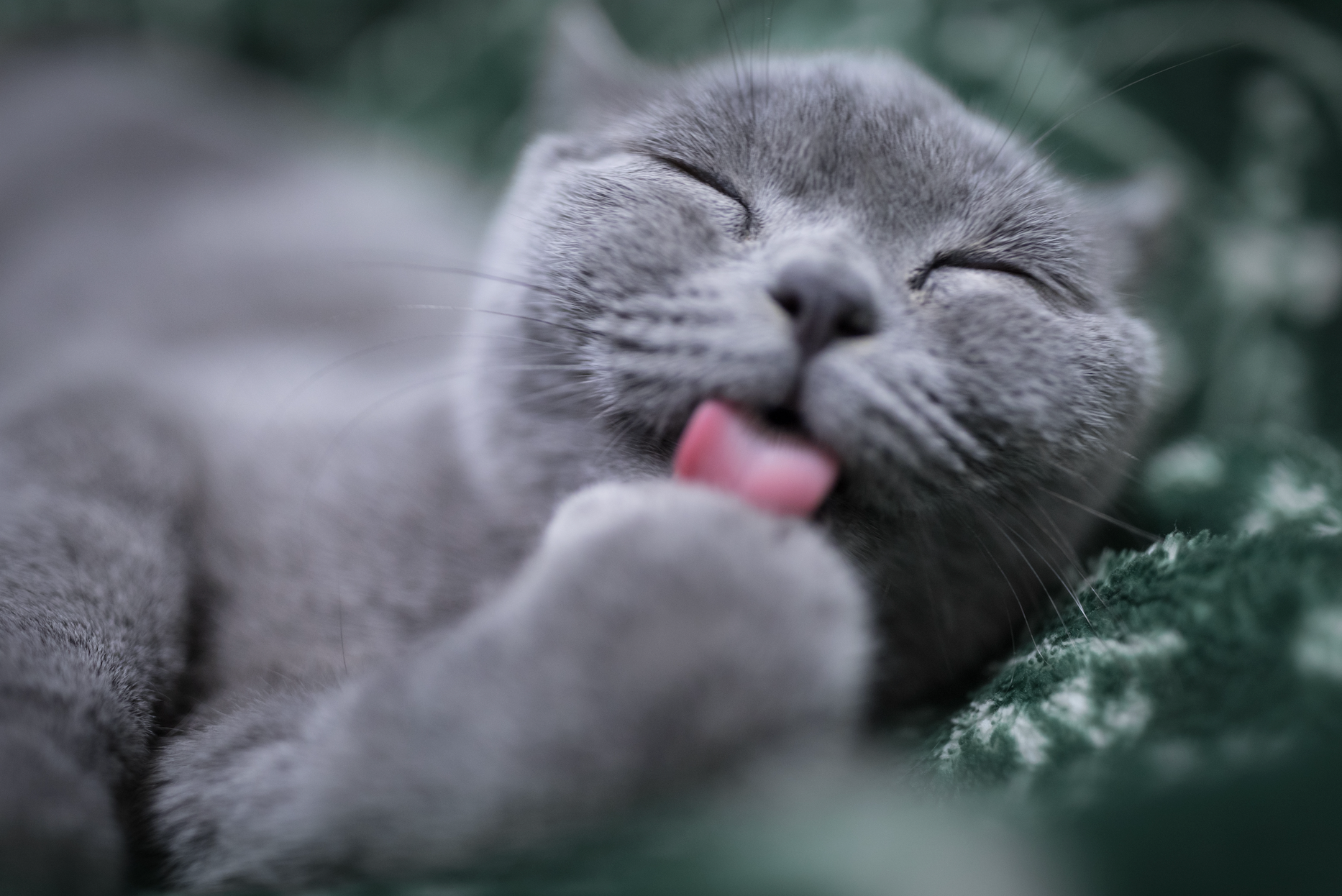
Observe your cat’s grooming habits closely. Excessive licking or biting takes up a lot of time. Your cat may focus on one or two areas repeatedly. This behavior often signals discomfort or anxiety.
Credit: www.petscare.com
Common Causes Of Over Grooming
Excessive grooming in cats can be more than just a quirky habit. It often signals underlying issues that need your attention. Understanding the common causes can help you spot the problem early and take action to keep your furry friend comfortable and happy.
Stress And Anxiety
Cats often lick or bite themselves more when they feel stressed or anxious. Changes in their environment, like moving to a new home or adding a new pet, can trigger this behavior. Have you noticed your cat grooming more after loud noises or when left alone?
Providing a safe space and consistent routine can help reduce their stress. Sometimes, simple changes like interactive toys or pheromone diffusers make a big difference.
Allergies And Skin Conditions
Allergies to food, pollen, or household cleaners can cause itchy skin, leading to over grooming. Cats might lick or scratch to relieve the irritation, which can worsen the problem. Check for redness, bumps, or hair loss as clues.
Consulting your vet for allergy testing or hypoallergenic diets might be necessary. Keeping your home clean and free of irritants can also reduce flare-ups.
Parasites And Infections
Fleas, mites, or fungal infections can make your cat’s skin uncomfortable, causing them to groom excessively. Even if you don’t see bugs, their presence is often the root cause of irritation. Look closely for tiny moving specks or scabs.
Regular flea control and vet check-ups are crucial. Early treatment can prevent your cat from developing painful sores or infections.
Pain Or Discomfort
Sometimes, grooming targets a specific painful area. Cats might lick a sore spot from injury or arthritis to soothe discomfort. You might notice your cat focusing on one paw, leg, or side more than usual.
If your cat suddenly increases grooming in one place, it’s a sign to visit the vet. Identifying pain early can improve your cat’s quality of life dramatically.
Behavioral Changes To Notice
Excessive grooming in cats may signal underlying issues. Noticeable behavioral changes often accompany this habit. Being aware of these changes can help identify the problem early. Observing your cat’s daily habits is key. Here are some behavioral changes to watch for.
Restlessness Or Agitation
A cat grooming too much may appear restless. It might pace around frequently. Agitation can manifest in sudden movements. Your cat may seem unable to settle down. This restlessness often disrupts their normal routine.
Avoidance Of Interaction
Excessive grooming can lead to social withdrawal. Cats may hide more often. They might avoid petting or cuddling. Some cats become less playful. This avoidance can be a sign of discomfort.
Changes In Eating Or Sleeping Patterns
Look for changes in appetite. A cat may eat less or more. Sleep patterns might also shift. Cats may sleep less or seem restless during sleep. These changes can reflect stress or anxiety.
When To Consult A Veterinarian
Knowing when to consult a veterinarian is key if your cat grooms too much. Excessive grooming might signal health or emotional problems. Acting early helps prevent serious issues and keeps your cat comfortable.
Persistent Skin Issues
Look for sores, redness, or hair loss that do not heal. Constant scratching or licking can cause wounds. These signs show your cat needs medical attention. A vet can diagnose infections or allergies causing the problem.
Worsening Behavior
If grooming increases or your cat seems anxious or restless, seek help. Sudden changes in behavior often mean stress or pain. Vets can check for underlying causes and suggest treatment to calm your pet.
Lack Of Improvement With Home Care
Home remedies may help at first but watch for no progress. If your cat’s skin or behavior does not improve, see a vet. Professional advice ensures proper diagnosis and effective treatment plans.
Preventing Excessive Grooming
Preventing excessive grooming in cats helps keep their skin healthy and fur intact. It reduces stress and avoids painful skin issues. Careful attention to your cat’s lifestyle and environment plays a big role in prevention.
Creating A Calm Environment
Stress often causes cats to groom too much. A quiet space with soft bedding helps them relax. Avoid loud noises and sudden changes in the house. Use pheromone diffusers to create a soothing atmosphere. A calm environment lowers anxiety and stops over-grooming.
Regular Parasite Control
Parasites like fleas make cats itchy and uncomfortable. Regular flea and tick treatments keep parasites away. Check your cat’s fur often for signs of pests. Consult a vet for the best parasite control options. Healthy skin means less need to groom excessively.
Proper Nutrition And Hydration
Good food supports a cat’s skin and coat health. Provide balanced meals rich in essential vitamins and fatty acids. Fresh water must always be available to keep your cat hydrated. Well-nourished cats have less skin irritation and are less likely to over-groom.
Providing Enrichment And Play
Boredom can lead to excessive grooming as a way to pass time. Offer toys and activities that stimulate your cat’s mind and body. Regular play sessions help release energy and reduce stress. Enrichment keeps your cat happy and less focused on grooming.
Credit: www.fullbuckethealth.com

Credit: www.utahhumane.org
Frequently Asked Questions
What Are Signs Of Excessive Grooming In Cats?
Excessive grooming signs include bald patches, redness, and skin sores. Cats may lick or chew the same area repeatedly. Watch for changes in behavior or grooming frequency as warning signs.
Why Do Cats Groom Themselves Excessively?
Cats groom excessively due to stress, allergies, parasites, or skin infections. It can also indicate pain or boredom. Identifying the root cause helps in providing proper treatment and comfort.
How Can I Stop My Cat From Over-grooming?
To stop over-grooming, reduce stress and ensure a parasite-free environment. Use vet-recommended treatments for allergies or infections. Providing toys and playtime helps distract and calm your cat.
When Should I See A Vet For Grooming Issues?
See a vet if your cat has hair loss, wounds, or persistent licking. Sudden behavior changes also warrant professional advice. Early diagnosis prevents worsening of underlying health problems.
Conclusion
Excessive grooming in cats can signal stress or health issues. Watch for bald spots, redness, or constant licking. Early action helps keep your cat healthy and happy. Consult a vet if grooming seems out of control. Understanding your cat’s habits prevents bigger problems later.
Keep an eye on changes and care with kindness. Your cat will thank you with purrs and play.

Leave a Reply