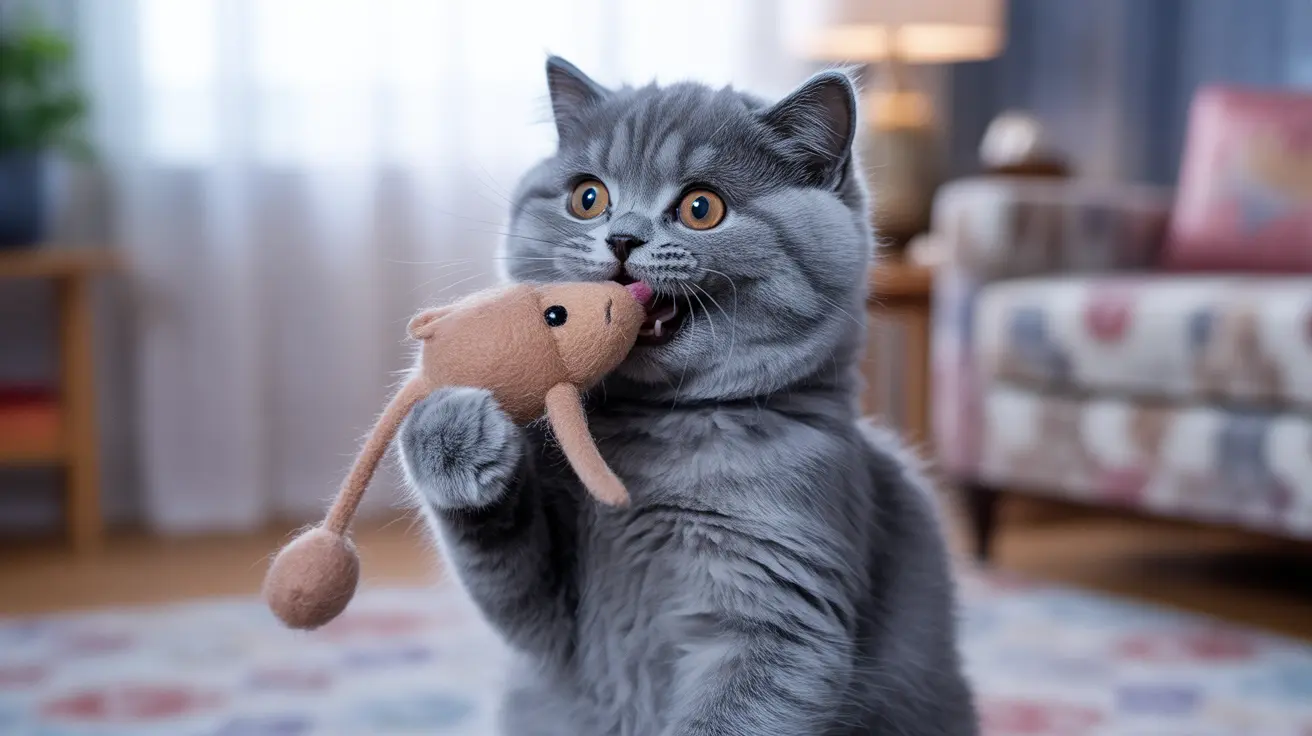
Have you ever noticed your cat meowing loudly while playing with a toy and wondered why? It can be surprising—and even a little puzzling—when your usually quiet kitty suddenly turns into a noisy player.
Understanding this behavior can help you connect better with your furry friend and make playtime more enjoyable for both of you. Keep reading to discover the real reasons behind those loud meows and what they mean for your cat’s happiness and health.
Credit: www.rd.com
Cat Vocalizations During Play
Cat vocalizations during play can be surprisingly loud and varied. Your cat’s loud meow while chasing a toy isn’t just noise—it’s a form of communication that reveals their emotions and intentions. Understanding these sounds can help you connect better with your furry friend.
Types Of Meows Cats Use
Cats use different types of meows to express themselves, even during play. You might hear a short, sharp meow signaling excitement or a prolonged, loud meow indicating intense focus on their toy.
Some common meow types include:
- Chirps and Trills:Often used when cats are feeling playful or curious.
- Loud Meows:These can express excitement or demand your attention.
- Short Meows:Typically used to greet or initiate interaction.
Have you noticed if your cat changes their meow depending on the toy or situation? That can show how finely tuned their communication really is.
How Cats Communicate Emotion
Loud meowing during play often shows a mix of emotions like excitement, frustration, or anticipation. Your cat might meow loudly when they’re caught up in the thrill of the chase or when they want you to join in the fun.
Beyond meows, cats also use body language, like tail flicks and ear positions, to express how they feel during play. Paying attention to these cues can give you a fuller picture of their mood.
Think about your last play session—did your cat’s vocalizations change as the game got more intense? That’s their way of telling you how deeply engaged they are.
Reasons Behind Loud Meowing
Cats often meow loudly while playing with toys for different reasons. Their loud meows express feelings and needs. Understanding these reasons helps improve your cat’s playtime experience. It also strengthens your bond and keeps your cat happy.
Excitement And Stimulation
Loud meowing shows your cat’s excitement during play. The toy triggers their hunting instincts. Chasing and pouncing make them energetic and alert. They use loud meows to express joy and thrill. This sound is part of their natural play behavior.
Attention Seeking
Your cat may meow loudly to get your attention. They want you to join the fun or watch them. Sometimes, they want you to throw the toy again. Meowing helps them communicate their desire for interaction. It strengthens the connection between you and your cat.
Frustration Or Overstimulation
Loud meows can also signal frustration or overstimulation. The toy might be hard to catch or too fast. Your cat feels annoyed or confused and vocalizes it. This sound warns you that playtime needs a break or change. Watching your cat’s body language helps spot this early.
Connection Between Play And Hunting Instinct
Your cat’s loud meowing during playtime might seem puzzling, but it actually taps into their intrinsic hunting instincts. Cats are natural-born hunters, and even the most domesticated feline retains these primal urges. This connection between play and hunting instinct is an important aspect of their behavior, allowing them to practice essential skills needed in the wild.
Mimicking Predatory Behavior
When your cat plays, they often mimic the behavior of stalking and hunting prey. This includes actions like pouncing, batting, and chasing toys. These playful antics are not just for fun; they are crucial for honing their predatory skills.
Think of your cat’s toy as a substitute for prey. The swatting and batting are akin to capturing and disabling prey in the wild. Notice how your cat crouches low and wiggles its hindquarters before a leap? That’s a classic hunting position, showcasing their natural instincts in full swing.
Meowing As A Hunting Signal
Have you ever wondered why your cat vocalizes loudly while playing? This meowing can serve as a hunting signal. In the wild, some cats use vocalizations to communicate or startle prey.
Your cat might be expressing excitement or trying to intimidate its ‘prey’. It’s their way of saying, “I’ve caught you!” This vocalization can vary in tone and intensity, reflecting their engagement level during the hunt.
Next time your cat meows loudly during a game, consider what they might be trying to communicate. Could it be a signal of a successful ‘hunt’ or simply an expression of joy? Understanding this behavior can deepen your bond and enrich playtime experiences.

Credit: www.kittyhelpdesk.com
Age And Personality Factors
Understanding why your cat meows loudly during play often comes down to looking at their age and personality. These two factors shape how your feline reacts to toys and expresses excitement or frustration. By tuning into these aspects, you can better interpret what your cat is trying to tell you while having fun.
Kittens Vs Adult Cats
Kittens tend to meow loudly when playing because they are still learning how to communicate and express their feelings. Their high energy levels and curiosity make playtime intense, and loud meows can be a way to grab your attention or show excitement.
Adult cats, on the other hand, usually have more controlled vocal habits. If your adult cat meows loudly during play, it might be a sign of strong enthusiasm or sometimes even a bit of frustration if the toy isn’t moving as expected. Have you noticed your kitten’s meows sounding more urgent than your older cat’s?
Individual Cat Temperaments
Every cat has a unique personality that affects how they play and vocalize. Some cats are naturally more vocal and will use loud meows to express themselves, while others prefer quiet play. Understanding your cat’s temperament helps you recognize when meowing means excitement versus when it might signal discomfort.
Think about your cat’s behavior beyond playtime. Is your cat generally talkative? If yes, loud meows during play could simply be part of their communication style. If your cat is usually quiet, a sudden burst of loud meowing might be their way of telling you something needs your attention.
When Loud Meowing Indicates A Problem
Loud meowing during play is usually normal excitement. Yet, sometimes it signals a deeper issue. Knowing when to worry helps keep your cat safe and happy.
Pay close attention to changes in your cat’s behavior. Sudden loud meows could mean stress or pain. Your cat might be trying to tell you something important.
Signs Of Stress Or Discomfort
Look for these signs that show your cat feels uneasy:
- Hiding more than usual
- Refusing to eat or drink
- Excessive grooming or scratching
- Restlessness or pacing
- Aggression or irritability
Stress can come from changes in the environment or loud noises. Loud meowing might be your cat’s way of asking for help.
Health Issues To Consider
Sometimes loud meowing points to health problems. Watch for these signals:
- Difficulty moving or limping
- Sudden weight loss or gain
- Changes in bathroom habits
- Breathing problems or coughing
- Swelling or wounds on the body
Illness or injury can make your cat vocalize more. A vet visit may be necessary to rule out serious conditions.
Credit: www.lordsandlabradors.co.uk
Tips To Manage Loud Meowing During Play
Managing your cat’s loud meowing during play can create a more peaceful environment for both of you. It’s important to understand that loud vocalizations are often a way for your cat to express excitement or frustration. By adjusting how you play and what toys you use, you can help your cat channel that energy more quietly.
Choosing The Right Toys
Select toys that match your cat’s hunting style and energy level. Interactive toys like feather wands or laser pointers can engage your cat without causing overwhelming excitement that leads to loud meowing.
Consider toys that encourage stalking and pouncing but allow your cat to release energy gradually. Soft, plush toys are great for gentle play and can reduce vocal outbursts compared to noisy or overly stimulating toys.
Setting Playtime Boundaries
Establish clear start and stop signals for playtime. This helps your cat understand when it’s time to be active and when to calm down.
Try ending play sessions before your cat gets too worked up. If your cat starts meowing loudly, pause the game and wait for quiet behavior before continuing. This teaches your cat that calmness earns more play.
Encouraging Quiet Play
Reward your cat for playing quietly with treats or gentle petting. This positive reinforcement helps your cat connect calmness with good outcomes.
If your cat meows loudly, avoid reacting immediately. Instead, redirect their attention to a quiet activity, like chewing on a toy or grooming. Over time, your cat will learn that quiet play gets the best response from you.
Frequently Asked Questions
Why Does My Cat Meow Loudly While Playing?
Cats meow loudly during play to express excitement and communicate their energy. It’s a natural way to show engagement and stimulate interaction with their environment.
Is Loud Meowing Normal When Cats Play With Toys?
Yes, loud meowing is normal. It reflects a cat’s enthusiasm and hunting instincts. It often happens when they are highly stimulated by the toy.
Can Loud Meowing Mean My Cat Is Stressed?
Sometimes, loud meowing can indicate stress or frustration if play becomes too intense. Observe your cat’s body language to distinguish excitement from discomfort.
How Can I Reduce My Cat’s Loud Meowing During Play?
Offer interactive toys and regular play sessions. Keep playtime calm and consistent to help your cat express excitement without excessive noise.
Conclusion
Cats meow loudly during play to express excitement and energy. This behavior shows their natural hunting instincts. Loud meows help them communicate and stay engaged. Watching your cat play loudly means they feel happy and active. Enjoy these moments as part of their unique personality.
Remember, each cat has its own way to show joy. Understanding their sounds builds a stronger bond. Keep playing and listen closely to what your cat tells you. Playtime is fun for both you and your furry friend.

Leave a Reply