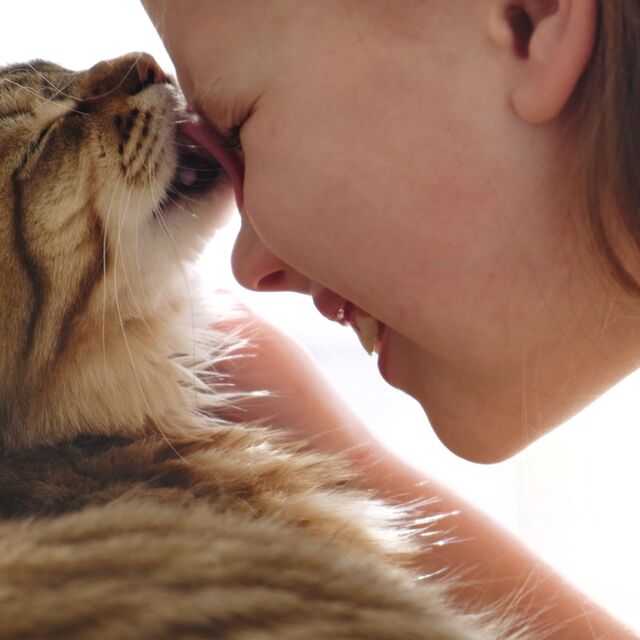
Have you ever noticed your cat licking itself more than other cats you know? You might wonder if some cat breeds simply lick more than others.
Understanding this can help you better care for your furry friend and spot if anything unusual is going on. You’ll discover which cat breeds are known for their grooming habits and why these differences matter to you. Keep reading to find out what your cat’s licking behavior really means.
Cat Grooming Basics
Understanding cat grooming basics helps explain why some breeds lick more than others. Grooming is a natural behavior for all cats. It keeps their fur clean and their skin healthy. Cats spend a significant part of their day licking themselves. This habit varies by breed, age, and personality. Some cats groom more often, while others do it less.
Why Cats Lick
Cats lick for several reasons. Grooming removes dirt and loose fur. Licking also cools them down. Cats spread natural oils across their fur, which keeps it shiny. It calms them during stress or anxiety. Mothers lick their kittens to clean and comfort them. Social licking helps cats bond with each other.
Benefits Of Grooming
- Removes dirt and parasites from fur
- Prevents matting and tangles
- Distributes natural oils for healthy skin
- Helps regulate body temperature
- Reduces stress and promotes relaxation
Grooming keeps cats healthy and comfortable. It also shows their mood and feelings. Different breeds might groom more due to coat type or skin sensitivity. Long-haired cats often need to lick more to avoid mats. Short-haired cats usually groom less but still keep clean.
Breed Differences In Licking
Different cat breeds show unique behaviors, and licking is one of them. Some cats are natural groomers and love to lick themselves and others, while some prefer to keep their tongues to themselves. Understanding these breed differences can help you better connect with your feline friend and know what to expect in terms of their affectionate habits.
High-licking Breeds
Cats like the Siamese and Maine Coon often top the list for frequent licking. Siamese cats use licking as a way to bond with their owners and other cats. Maine Coons, known for their friendly and social nature, also lick more to show affection and maintain their thick fur.
If you have one of these breeds, you might notice they lick your hands, face, or even your clothes often. It’s their way of saying they trust and love you. Have you ever felt your cat’s licking as a form of comfort during stressful times?
Low-licking Breeds
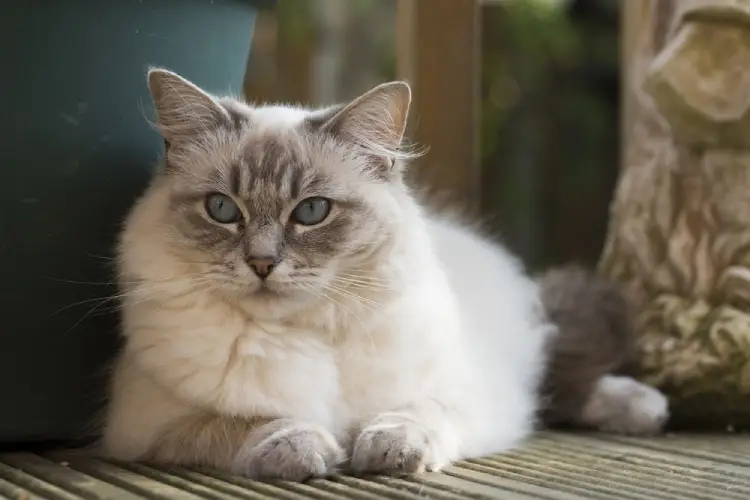
On the other hand, breeds like the British Shorthair and Russian Blue tend to lick less. These cats are often more independent and reserved with their grooming habits. They usually prefer to keep their affection subtle and may groom themselves more quietly.
Owners of these breeds might notice fewer licking sessions, but that doesn’t mean their cats love them any less. It’s just a different style of showing care. How do you show your cat love when they don’t use licking as a language?
Factors Influencing Licking Habits
Cat breeds can differ in how much they lick due to personality and grooming needs. Some breeds are naturally more affectionate and lick more often. Environmental factors and health also affect licking habits.
Cats are known for their quirky behaviors, and licking is certainly one of them. Have you ever wondered why some cats seem to lick more than others? Understanding the factors that influence a cat’s licking habits can give you insights into their unique personalities and needs. Here, we’ll explore how a cat’s personality, health, age, environment, and socialization can impact their licking behavior.Personality And Temperament
Cats, much like humans, have distinct personalities. Some are more affectionate and tend to show their love through licking. If you’ve ever had a cat that seemed to groom you as much as itself, it might be due to its loving nature. Certain breeds are known for being more social and outgoing, which can lead to increased licking. For example, Siamese cats are famous for their affectionate behavior. If your cat is a social butterfly, licking might be its way of bonding with you.Health And Age
A cat’s health and age play a significant role in its licking habits. Older cats might lick more due to grooming difficulties as they age. They may also lick to soothe themselves if experiencing discomfort from arthritis or other age-related issues. Health concerns, like allergies or skin irritations, can also cause excessive licking. If you notice your cat licking more than usual, a vet visit might be necessary to rule out any underlying health problems.Environment And Socialization
The environment in which a cat lives can greatly influence its licking behavior. Cats living in a stress-free environment with plenty of stimulation tend to have balanced licking habits. A lack of socialization might lead to boredom-induced licking. Interacting with your cat through play and social activities can reduce stress and excessive licking. If your cat is new to your home, gradually introducing it to the environment can help it feel secure and reduce anxiety-related licking. Have you noticed changes in your cat’s licking habits? Understanding these factors might provide the answers you’re looking for. Each cat is unique, and by observing their behavior, you can ensure they lead a happy and healthy life.
Credit: basepaws.com
When Licking Becomes Excessive
Excessive licking in cats can quickly move from a normal grooming habit to a sign of underlying issues. When your feline friend spends an unusual amount of time licking, it might be a signal that something is off. Understanding when licking becomes excessive helps you take timely action to support your cat’s health and happiness.
Signs Of Stress Or Anxiety
Excessive licking often shows up when a cat is stressed or anxious. You might notice your cat licking the same spot repeatedly or even licking you more than usual. This behavior can be triggered by changes in the environment, such as moving to a new home or introducing a new pet.
If your cat suddenly starts licking obsessively, ask yourself if anything has changed recently. Has your routine shifted? Are there loud noises or unfamiliar visitors? These questions help identify if stress is the cause.
- Repeated licking of paws or fur
- Restlessness or hiding more than usual
- Decreased appetite or changes in sleep patterns
Medical Conditions To Watch For
Sometimes, excessive licking points to medical problems. Skin allergies, parasites like fleas, or infections can make your cat lick to relieve itching or pain. If you notice bald spots or redness along with licking, it’s time to consult a vet.
Other health issues such as arthritis or dental pain can also cause increased licking. Your cat might lick a specific area because it hurts or feels uncomfortable. Don’t ignore these signs—early diagnosis can prevent complications.
| Medical Condition | Common Signs | What To Do |
|---|---|---|
| Fleas or Parasites | Excessive scratching and licking, visible fleas | Use flea treatment and consult your vet |
| Allergies | Red, irritated skin, frequent licking | Identify allergens, vet-prescribed medication |
| Infections | Swelling, discharge, constant licking | Immediate veterinary care required |
Tips To Manage Licking Behavior
Managing your cat’s licking behavior can make a big difference in their comfort and your peace of mind. Some cats lick more than others, and understanding how to support healthy grooming while gently steering away from excessive licking helps keep your feline friend happy and healthy.
Encouraging Healthy Grooming
Healthy grooming is essential for your cat’s well-being. You can support this natural behavior by providing a calm environment where your cat feels safe and relaxed. Cats often groom more when they are stressed, so reducing household noise or sudden changes can help.
Brush your cat regularly to remove loose fur and dirt. This not only keeps their coat shiny but also satisfies their grooming instinct. My cat used to lick her paws raw until I started daily brushing sessions; it gave her the attention she craved and reduced her licking drastically.
Offering a balanced diet rich in omega-3 fatty acids can improve skin and coat health. Healthy skin reduces irritation, which in turn lowers the urge to lick. Have you noticed if your cat’s licking increases during seasonal changes? Adjusting their diet or supplements might be worth trying.
Redirecting Excessive Licking
If your cat’s licking becomes excessive, it’s important to redirect this behavior before it causes harm. Providing alternative activities, like interactive toys or puzzle feeders, keeps their mind engaged and distracts them from over-grooming.
Try gently distracting your cat with a toy or a short play session when you see them starting to lick excessively. Consistency is key—reward calm behavior with treats or affection to reinforce positive habits.
Sometimes, excessive licking signals boredom or anxiety. Creating a routine that includes regular playtime and quiet moments can ease these feelings. Have you ever noticed your cat licking more when you’re busy or away? Setting up a cozy spot with your scent or leaving a soft toy might comfort them.
- Use bitter-tasting sprays on areas your cat over-licks, but only after checking with your vet.
- Keep your cat’s nails trimmed to prevent injury from self-licking.
- Consult your vet if licking leads to sores or hair loss, as it might indicate allergies or infections.

Credit: basepaws.com
Fun Facts About Cat Licking
Cat licking is more than just a grooming habit. It’s a fascinating behavior packed with meaning and purpose. Understanding why cats lick can change how you interact with your furry friend and help you spot when something might be off.
Why Do Cats Lick Themselves And Others?
Cats lick themselves to stay clean and regulate body temperature. Grooming removes dirt and loose fur, keeping their coat healthy.
But licking isn’t just for hygiene. Cats also lick other cats and even humans to show affection and build bonds.
Have you noticed your cat licking you after a long day? It’s their way of saying you’re part of their family.
Do Some Cat Breeds Lick More Than Others?
Yes, licking habits can vary between breeds. Siamese and Burmese cats are known to lick more often due to their social nature.
On the other hand, some breeds like the British Shorthair tend to groom less frequently but thoroughly.
Recognizing these differences helps you understand your cat’s unique personality and needs better.
Can Excessive Licking Indicate A Problem?
While licking is normal, too much licking can signal stress, allergies, or skin issues.
If your cat suddenly starts licking itself or you obsessively, it might be time to visit the vet.
Have you ever caught your cat licking a spot repeatedly? It could be more than just a habit.
How Does Licking Help Cats Communicate?
Licking is a form of communication. Cats use it to express trust and comfort.
Mother cats lick their kittens to comfort and clean them, teaching them this behavior early on.
When your cat licks you, it’s a sign they feel safe and connected.
Credit: www.webbox.co.uk
Frequently Asked Questions
Do Some Cat Breeds Lick More Than Others?
Yes, some cat breeds lick more due to temperament and grooming needs. Breeds like Siamese and Sphynx tend to lick more frequently. This behavior helps with bonding and cleanliness. However, individual personality also plays a significant role in licking habits.
Why Do Cats Lick Themselves Excessively?
Cats lick excessively to clean, soothe stress, or address skin issues. Over-licking may indicate allergies, parasites, or anxiety. If licking is excessive, a vet visit is recommended to rule out health problems and ensure proper care.
Can Cat Breed Affect Licking Behavior?
Yes, breed influences licking behavior due to coat type and social traits. Short-haired breeds may lick less than hairless or long-haired cats. Social breeds like Siamese often show more grooming and licking as part of their interaction.
Is Licking A Sign Of Affection In Cats?
Licking is often a sign of affection and bonding in cats. Cats lick their owners or other cats to show trust and care. It strengthens social bonds and helps cats feel secure within their group.
Conclusion
Different cat breeds show different licking habits. Some cats lick a lot to clean or show love. Others lick less but still stay clean. Your cat’s licking tells you about its mood and health. Watch your cat’s behavior to understand its needs better.
Every cat is unique, with its own personality. Enjoy the special ways your cat shows affection. Caring for your cat means paying attention to small signs. Licking is one way cats communicate with us.

Leave a Reply