Have you noticed your older cat isn’t grooming like before? It’s natural to feel worried when your furry friend suddenly stops cleaning themselves.
Grooming is more than just a habit for cats—it’s how they stay healthy and comfortable. When your cat stops this important routine, it could be a sign that something is wrong. Understanding why this change happens can help you take the right steps to keep your cat happy and healthy.
Keep reading to discover the common reasons behind this behavior and what you can do to help your beloved pet.

Credit: pennypaws.com
Common Grooming Issues In Older Cats
As your cat ages, you might notice changes in their grooming habits. This often signals underlying issues that make it harder for them to keep clean. Understanding the common grooming problems in older cats can help you support their health and comfort better.
Physical Limitations
Older cats often struggle with reaching certain areas of their body. Their flexibility decreases, making it tough to groom hard-to-reach spots like the back or belly. You might see patches of matted fur or dirt where they simply can’t clean themselves properly.
Have you noticed your cat avoiding grooming sessions or looking uncomfortable? That could be a sign their body isn’t cooperating anymore. Regular brushing by you can fill this gap and keep their coat healthy.
Dental Problems
Dental pain can stop your cat from grooming because licking and chewing become uncomfortable. Issues like gum disease, tooth decay, or infections make it painful to use their tongue effectively. This discomfort often leads to less frequent or less thorough grooming.
Watch for bad breath, drooling, or reluctance to eat hard food. These signs may point to dental troubles affecting their grooming. Scheduling a vet checkup can uncover hidden dental issues and improve your cat’s willingness to groom again.
Arthritis And Joint Pain
Arthritis is common in senior cats and causes joint stiffness and pain. Movements like bending and stretching for grooming can become difficult or painful. This can lead to a noticeable decrease in grooming behavior and a dull, unkempt coat.
Have you tried gently massaging your cat or providing soft bedding? These small changes might ease their discomfort. Your vet can also recommend treatments that reduce joint pain and help your cat groom more comfortably.
Health Conditions Affecting Grooming
Older cats may stop grooming due to underlying health problems. These issues can cause discomfort or weakness, making grooming difficult. Recognizing these health conditions helps in providing the right care and support for your cat.
Skin Disorders
Skin problems often cause itching and pain. Cats with dry, flaky, or irritated skin may avoid grooming. Parasites like fleas or mites can also make grooming uncomfortable. Treating skin disorders improves your cat’s comfort and grooming habits.
Kidney Disease
Kidney disease affects many aging cats. It causes weakness and fatigue, reducing grooming activity. Toxins build up in the body, making cats feel sick and less interested in cleaning themselves. Early diagnosis helps manage the disease and supports grooming.
Diabetes
Diabetes can cause dehydration and skin changes. These symptoms make grooming painful or tiring. High blood sugar may lead to infections and slow healing. Managing diabetes keeps your cat healthier and more active in grooming.
Behavioral And Emotional Factors
Changes in mood or stress can cause an older cat to stop grooming. Pain or confusion may also make self-care difficult for them. Emotional struggles often affect their daily habits and cleanliness.
Behavioral and emotional factors can significantly impact your cat’s grooming habits, especially as they age. Cats are creatures of habit, and any disruption in their emotional balance can lead to noticeable changes in their behavior, including grooming. Understanding these factors can help you provide the necessary support for your feline friend.Stress And Anxiety
Stress and anxiety can cause your cat to stop grooming. Changes in their environment, such as a new pet or moving to a new home, can trigger stress. Even subtle changes like rearranging furniture can unsettle them. Imagine feeling anxious and unable to relax; your cat might be experiencing something similar. Providing a stable environment and familiar scents can help reduce their anxiety. Consider using calming sprays or diffusers designed for cats to create a soothing atmosphere.Cognitive Decline
As cats age, they may experience cognitive decline, similar to dementia in humans. This decline can affect their memory and awareness, leading them to forget routine behaviors like grooming. You might notice other signs, such as confusion or decreased interaction with family members. Providing mental stimulation through play and interactive toys can help keep their minds sharp. Regular vet check-ups are also crucial to monitor their cognitive health.Changes In Routine
Cats thrive on routine, and any disruption can lead to changes in their behavior. This includes grooming. Have you recently changed your work schedule, affecting the time you spend with your cat? Such changes can make them feel insecure. Try to maintain a consistent daily schedule for feeding and playtime. Even small, predictable rituals can reassure your cat and encourage them to resume their grooming habits. By addressing these behavioral and emotional factors, you can help your old cat feel more comfortable and encourage them to return to their usual grooming routine. What changes have you noticed in your cat’s behavior, and how might they relate to their emotional state?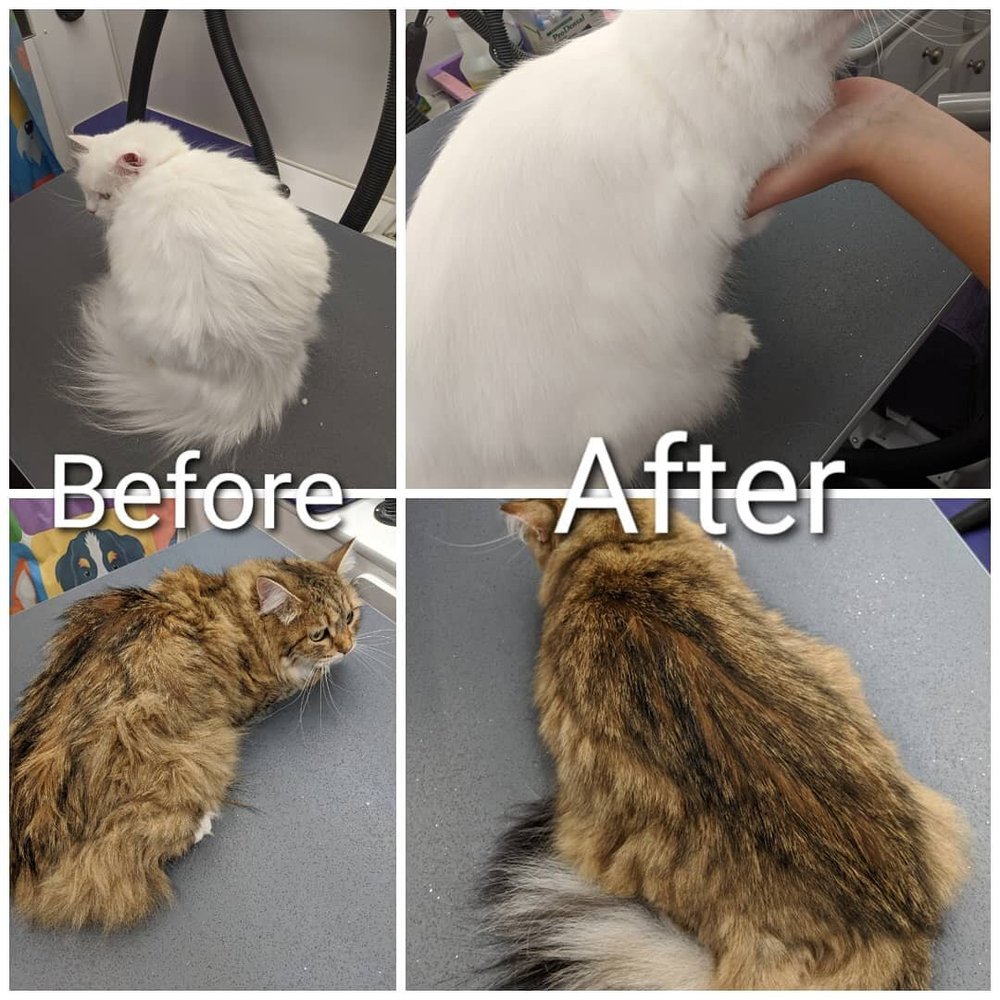
Credit: www.squeakycleangrooming.com
Environmental Influences On Grooming
Changes in the environment can affect your old cat’s grooming habits. Cats rely on familiar surroundings to feel safe and relaxed. When the environment shifts, grooming may decline. Understanding these influences helps in caring for your senior cat.
Temperature And Weather Changes
Cold or hot weather affects how much your cat grooms. In cold weather, cats may groom less to keep natural oils. Hot weather can make cats lick more to cool down. Sudden shifts in temperature can confuse older cats. They may stop grooming if they feel uncomfortable.
Access To Grooming Areas
Older cats may have trouble reaching their usual grooming spots. Arthritis or joint pain can limit their flexibility. If they cannot reach certain areas, grooming stops there. Objects blocking their path or changes in furniture can also cause problems. Make sure grooming spots are easy to access.
Household Changes
New pets, people, or noise can stress your cat. Stress often lowers grooming behaviors. Moving to a new home or changing rooms may confuse an old cat. A quiet, stable space helps encourage grooming. Keep routines steady to reduce stress and support grooming.
Steps To Help Your Cat Groom Again
If your old cat has stopped grooming, you might feel worried about their health and happiness. Helping your cat groom again can improve their comfort and prevent skin problems. Taking small, consistent steps can make a big difference in encouraging your cat to maintain their grooming habits.
Regular Vet Checkups
Health issues like arthritis, dental problems, or skin infections can make grooming painful or difficult for your cat. Regular vet visits help identify these problems early so you can treat them promptly. Have you noticed your cat limping or avoiding being touched? Mention these signs to your vet to get targeted help.
Assisted Grooming Techniques
Sometimes, your cat needs a little help to stay clean. Try gently brushing your cat with a soft brush to remove loose fur and dirt. Use slow, calm strokes to keep your cat relaxed. If your cat tolerates it, wipe their fur with a damp cloth to mimic grooming motions. You might be surprised how much your cat appreciates this extra care.
Creating A Comfortable Environment
Your cat’s environment plays a big role in their grooming habits. Make sure they have a quiet, warm space free from stress. Adding cozy bedding and easy access to favorite resting spots can encourage relaxation, which supports grooming behavior. Have you noticed your cat grooming less when the house is noisy or busy? Adjusting their space might be the key.
:strip_icc()/the-kitty-1011094438-5c3d1af5c9e77c00015e66a6.jpg)
Credit: www.thesprucepets.com
Frequently Asked Questions
Why Has My Old Cat Suddenly Stopped Grooming?
Older cats may stop grooming due to arthritis, dental pain, or decreased flexibility. Health issues make self-cleaning difficult. Regular vet checks help identify causes and provide treatment to improve grooming habits and overall well-being.
Can Illness Cause A Cat To Stop Grooming?
Yes, illnesses like kidney disease or diabetes can reduce grooming. Sick cats feel weak and lose interest in self-care. Early diagnosis and treatment by a vet can restore their grooming behavior and health.
How Does Arthritis Affect A Cat’s Grooming Habits?
Arthritis causes joint pain, making it hard for cats to reach certain areas. This leads to patchy or unkempt fur. Pain relief and joint supplements prescribed by vets can help improve grooming abilities.
Is Decreased Grooming A Sign Of Depression In Cats?
Yes, stress or depression can cause cats to stop grooming. Changes in environment or loss of a companion often trigger this behavior. Providing comfort, playtime, and vet advice can help your cat feel better.
Conclusion
Older cats may stop grooming for many reasons. Health issues, pain, or stress can cause this change. Watch your cat closely for signs of discomfort. Regular check-ups with a vet help catch problems early. Helping your cat stay clean keeps them happy and healthy.
Small changes in care can make a big difference. Remember, your cat depends on you for their well-being. Take action if you notice grooming stops. Your attention can improve your cat’s quality of life.

Leave a Reply