Have you ever wondered if your cat sees the world the same way you do? You might be surprised to learn that not all cats perceive colors in the same way—and their breed could play a role in this.
Understanding how different cat breeds see colors can change the way you interact with your furry friend. If you want to uncover how your cat experiences their colorful world, keep reading. This insight might just deepen the bond you share with your pet.
Cat Vision Basics
Cats have unique vision that shapes how they see their surroundings. Their eyes work differently than human eyes. Understanding cat vision basics helps us know if different breeds see colors differently.
How Cats See The World
Cats see well in low light. Their eyes have many rod cells. Rod cells help detect movement and shapes in the dark. This makes cats excellent hunters at dawn and dusk.
Their eyes are wide and reflective. This helps them capture more light. Cats also have a wider field of view than humans. They can see almost 200 degrees around them.
Color Perception In Cats
Cats see fewer colors than humans. They have fewer cone cells in their eyes. Cone cells help detect color. Cats mainly see shades of blue and green.
Red, orange, and brown colors appear dull or gray to cats. Their color vision is similar to people with red-green color blindness. Different breeds have similar color perception. Breed differences do not change how cats see colors.
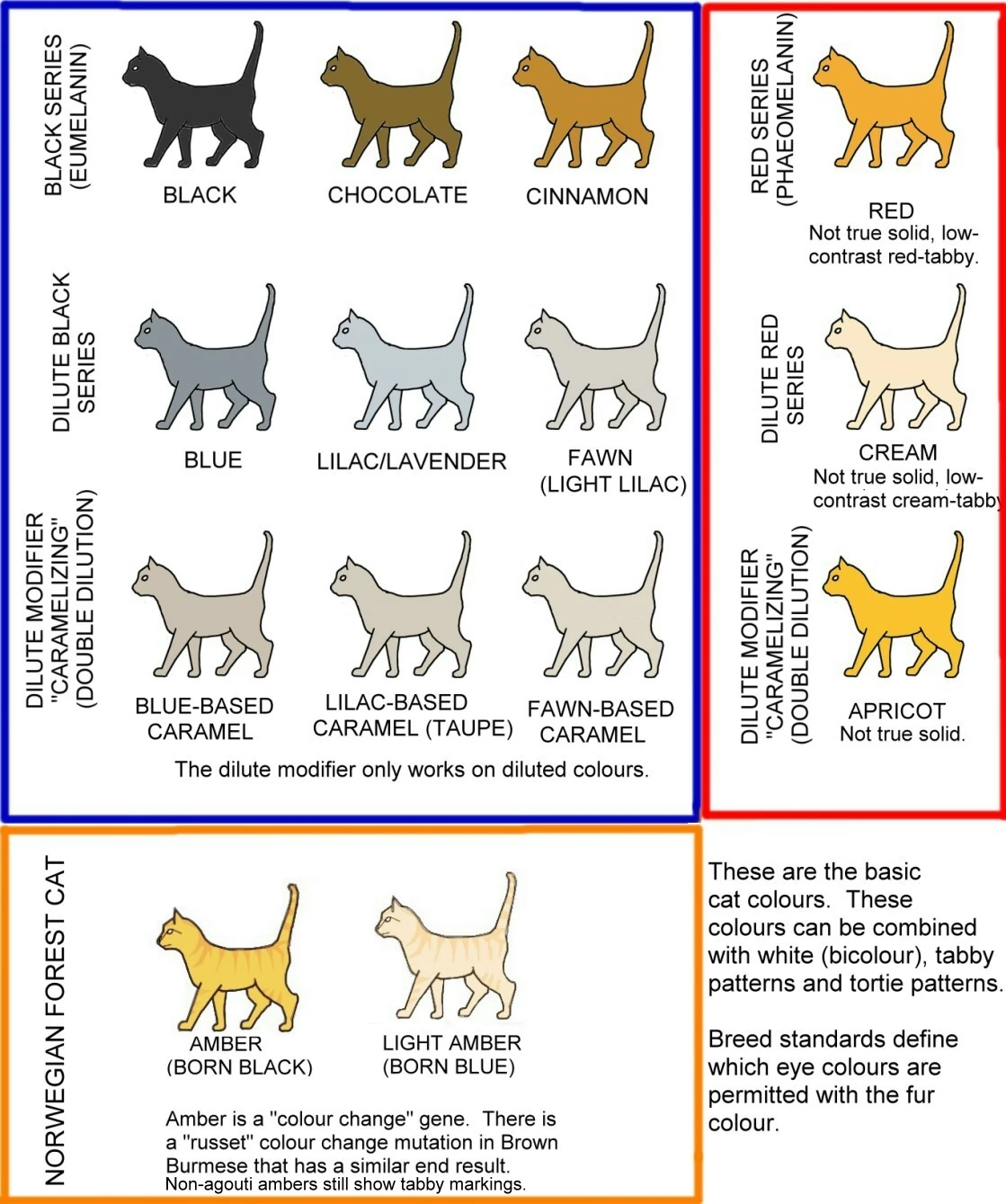
Credit: the-upbringing.fandom.com
Color Vision Across Breeds
Cats see the world differently than humans. Their ability to see colors varies across breeds. Understanding how cat breeds affect color vision helps pet owners appreciate their feline friends better. Color vision across breeds depends on several biological factors. These factors shape how cats perceive their environment.
Genetic Factors Influencing Vision
Genetics play a key role in a cat’s vision. Specific genes control the types of cells in the eyes. These cells, called cones, detect colors. Cats usually have fewer cone cells than humans. This means their color vision is limited but not absent.
Some breeds inherit unique genetic traits affecting their eyes. For example:
- Breeds with white fur and blue eyes may face vision challenges.
- Genetic variations can influence light sensitivity.
These genetic differences can change how cats see colors and light intensity.
Breed-specific Traits And Eye Structure
Eye structure varies between breeds and impacts color perception. Certain breeds have larger eyes, allowing more light in. This can enhance their ability to see in low light but does not always improve color vision.
Some breed traits include:
- Shape and size of the iris and retina
- Density and distribution of photoreceptor cells
- Presence of tapetum lucidum, a layer that improves night vision
These structural features influence how cats process colors and brightness. For example, Siamese cats have distinct eye traits that affect their vision. Breed-specific eye anatomy plays a role in how cats experience their surroundings.
Myths About Cat Colors And Vision
Different cat breeds do not change how cats see colors. All cats generally see fewer colors than humans, mainly blues and greens. Coat color or breed has no effect on their color vision.
Myths About Cat Colors and Vision Cats have always intrigued us with their mysterious nature and striking eyes. Yet, myths about their vision, especially regarding color perception, persist. Do different cat breeds really see colors differently, or is it just another myth?Common Misconceptions
Many believe that a cat’s breed affects its ability to see colors. Some say Siamese cats have superior color vision due to their unique eye structure. Others assume that cats with blue eyes see the world in a cooler hue. These misconceptions may stem from observing varied cat behaviors. Yet, just because a cat reacts differently to certain stimuli doesn’t mean its vision varies by breed.Scientific Evidence Against Breed Color Vision Differences
Scientific studies show that all domestic cats generally perceive colors in the same way. Cats are considered dichromats, meaning they primarily see shades of blue and green. Research indicates no significant breed-based differences in color perception. This suggests that your Persian, Maine Coon, or Tabby likely sees the world in a similar palette. The structure of a cat’s retina, with its rods and cones, is consistent across breeds. This consistency undermines the idea that breed affects color vision. Next time you watch your cat chase a red laser dot, remember it sees mostly movement and contrast, not the red hue. This insight helps debunk myths and appreciate your feline friend’s true visual capabilities.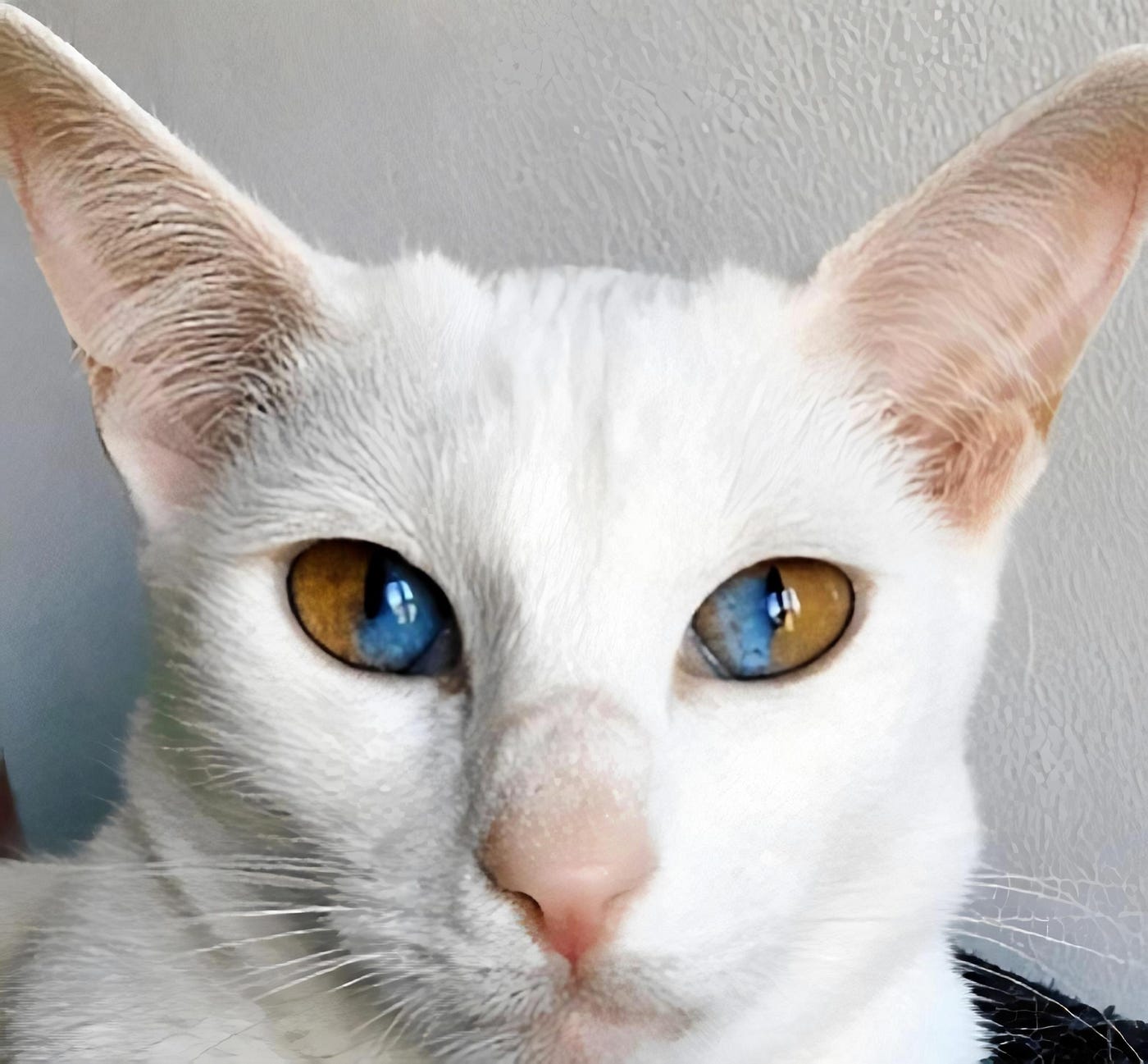
Credit: jennywilsons.medium.com
Research On Cat Color Perception
Understanding how cats perceive color has fascinated both scientists and cat lovers alike. You might wonder if different breeds see colors differently or if their vision is universally similar. Research on cat color perception aims to uncover these mysteries by studying their eyes and behavior.
Key Studies And Findings
Scientists have discovered that cats primarily see colors in the blue and green spectrum, but reds and pinks appear more muted or grayish to them. Unlike humans, cats have fewer cone cells, which are responsible for color detection, but they have more rod cells that help with night vision.
One notable study tested cats’ reactions to various colored lights to identify which hues they responded to most. Cats consistently showed more interest in blues and greens, suggesting these colors stand out more in their vision.
Breed-specific research is limited, but some evidence hints that eye structure differences might slightly influence color perception. For example, Siamese cats have unique retinal features, which could affect how they see colors compared to other breeds.
Limitations In Current Research
Most studies focus on general feline vision rather than breed-specific color perception. This leaves a gap if you’re curious whether your Maine Coon or Persian experiences colors differently.
Behavioral tests can be tricky because cats respond to many factors beyond color, like brightness and movement. These variables make it hard to isolate pure color perception in experiments.
Another challenge is the subjective nature of color vision testing. Since cats can’t verbally communicate what they see, researchers must infer from behavior, which isn’t always clear-cut.
Would knowing more about breed-specific color perception change how you choose toys or design spaces for your cat? It’s a question worth considering as research evolves.
Impact Of Eye Color And Coat On Vision
Eye color and coat pattern might seem like just surface traits, but they can subtly influence how cats see the world. Different breeds show a wide range of eye colors and fur patterns, which sometimes relate to variations in vision quality and color perception. Understanding these links helps you appreciate your cat’s unique way of experiencing its environment.
Eye Color Variations
Cats display a broad spectrum of eye colors—from deep amber to striking blue and green shades. These colors arise from the amount and type of pigment in the iris, but do they affect vision?
Interestingly, cats with blue eyes, common in breeds like Siamese and Ragdolls, often have a genetic makeup linked to partial deafness, but their vision isn’t necessarily impaired. However, eye color can influence light sensitivity. Cats with lighter-colored eyes may be more sensitive to bright light, just like humans with light eyes.
Have you noticed your cat squinting in sunlight? This could be related to their eye color’s impact on how much light enters their eyes. Paying attention to this can help you create comfortable spaces for your pet.
Coat Color And Its Relation To Vision
Your cat’s coat color and pattern might also play a role in vision, especially in breeds where pigmentation genes overlap with those affecting the eyes.
- White cats with blue eyes:Often linked to congenital deafness, but some studies suggest minor differences in visual processing as well.
- Odd-eyed cats:Cats with two different colored eyes sometimes have asymmetrical vision abilities, though this doesn’t typically impair their daily function.
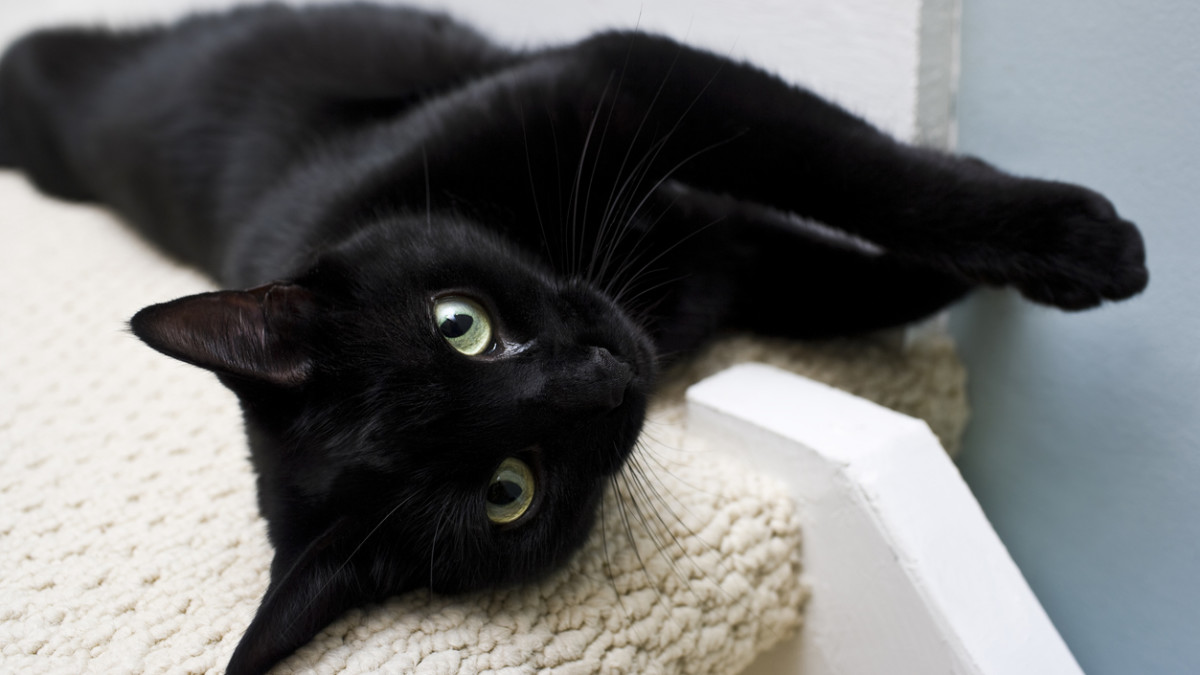
- Dark-coated cats:These often have darker eyes, which can provide better protection from glare and bright light.
I once observed a black cat that avoided bright outdoor areas but was very alert and active in dimmer settings. This behavior hints at how coat and eye traits might guide a cat’s preferred environment.
Considering your cat’s eye and coat colors can help you tailor their living space to suit their comfort and sensory needs. Could adjusting lighting or providing shaded areas improve your cat’s daily experience?

Credit: jennywilsons.medium.com
Practical Implications For Cat Owners
Understanding how different cat breeds perceive colors can influence how you interact with and care for your feline friend. Since vision varies, it shapes their behavior and how they respond to their environment. This knowledge helps you create a space that suits your cat’s unique way of seeing the world.
How Vision Affects Cat Behavior
Each cat breed may have slight differences in visual sensitivity, which can impact their daily activities. Cats rely heavily on movement and contrast rather than vivid colors, so their hunting and play behaviors are tuned to these cues.
If your cat seems uninterested in colorful toys, it might be because they don’t perceive those colors well. Instead, they may prefer toys that move quickly or have high contrast patterns. Have you noticed your cat chasing shadows or reacting more to certain shapes rather than bright colors?
Recognizing these visual preferences can explain why some cats prefer certain toys or hide in specific spots. It also helps prevent frustration for both you and your pet by matching their environment to their natural vision.
Tips For Enhancing Your Cat’s Visual Environment
- Choose high-contrast toys:Opt for black-and-white or brightly contrasting colors that stand out against your home’s background.
- Use movement to attract attention:Interactive toys that flutter or roll can engage your cat more effectively than static ones.
- Provide varied lighting:Cats see better in low light, so consider dimmable lights or natural light spots where your cat can relax and observe.
- Keep clutter minimal:Clear spaces help cats spot moving objects and navigate safely without confusion.
- Rotate toys regularly:This prevents boredom and encourages your cat to explore new shapes and movements.
Have you tried changing your cat’s toys or play area based on how they respond visually? Small tweaks can make a big difference in keeping your cat engaged and happy.
Frequently Asked Questions
Do Cat Breeds See Colors Differently?
No, all cat breeds have similar color vision. Cats generally see fewer colors than humans, mainly blues and greens. Their color perception is limited due to fewer cone cells in their eyes.
Can Breed Affect A Cat’s Color Vision Quality?
Breed does not impact color vision quality in cats. Color vision depends on eye anatomy, which is consistent across breeds. Genetic differences in breeds do not change how cats perceive colors.
Why Do Cats See Fewer Colors Than Humans?
Cats have fewer cone cells, which detect color, than humans. This limits their ability to see reds and oranges clearly. Cats rely more on motion and low-light vision than color distinction.
Do All Cats Have Similar Eye Structures?
Yes, cat eye structures are similar across breeds. Their eyes are adapted for night vision and detecting movement. This uniformity means color perception remains consistent among breeds.
Conclusion
Different cat breeds do not change how cats see colors. Cats generally see fewer colors than humans do. Their vision is more about movement and light than color shades. Breed differences affect looks and behavior, not color sight. Understanding this helps us better care for our pets.
Cats’ unique vision suits their hunting and night activity. Knowing this makes watching them more interesting. Each cat is special, no matter the breed or color sight.

Leave a Reply