Have you ever watched your cat carefully licking another cat and wondered why? It might seem like a simple act, but there’s more to this behavior than meets the eye.
When one cat grooms another, it’s not just about keeping clean—it’s a powerful way they connect, show trust, and even solve problems. If you want to understand what’s really going on behind those gentle licks and why it matters for your cats’ happiness, keep reading.
You’ll discover surprising reasons that will change the way you see your furry friends’ bond forever.
Social Bonding
Cats groom each other to build strong social bonds. This behavior helps them live peacefully together. Grooming shows trust and friendship. It creates a calm and safe environment. Cats use grooming to connect and communicate with each other.
Strengthening Relationships
Grooming helps cats grow closer. It lowers stress and tension between them. Cats feel more secure and happy after grooming sessions. This act keeps their friendship strong. It also helps solve minor conflicts without fighting.
Expressing Affection
Grooming is a way cats say, “I care about you.” It shows love and kindness. Cats lick each other’s fur gently, which feels good. This behavior is like a warm hug for cats. It deepens their emotional connection every time they groom.

Credit: www.companionanimalpsychology.com
Establishing Hierarchy
When you notice one cat grooming another, it might seem like a simple act of affection. But often, this behavior is about much more than cleanliness or care. Cats use grooming to establish and reinforce social order within their group, setting clear roles and boundaries.
Dominance Behavior
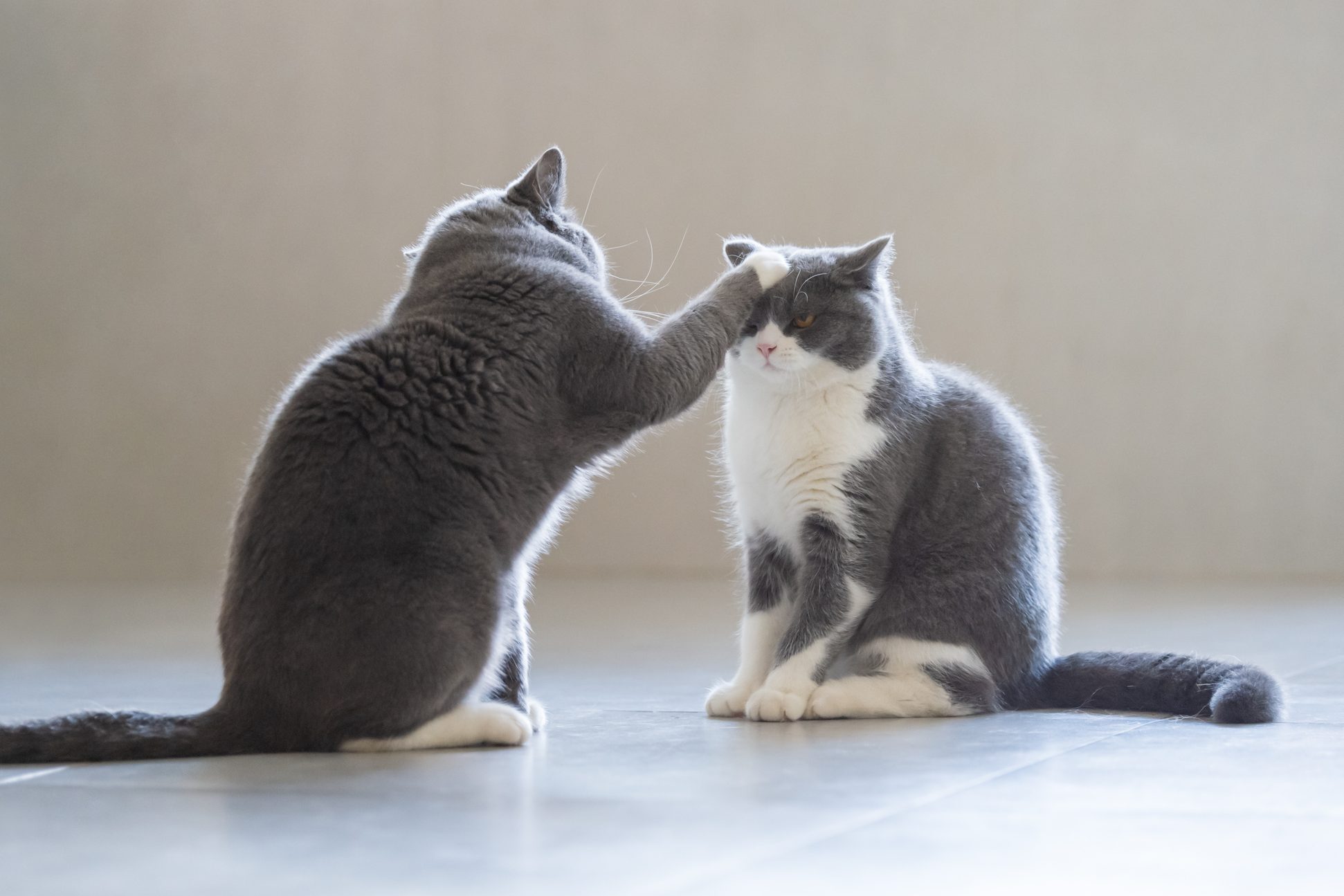
Grooming is a way for a dominant cat to assert control without aggression. The cat doing the grooming often takes on a leadership role, showing who is in charge. This behavior helps reduce conflicts by making the hierarchy obvious to both cats.
If your dominant cat licks the other’s head or neck, it’s a common sign of authority. The submissive cat usually accepts this grooming quietly, signaling respect or acceptance of its lower rank. Have you observed your cats’ body language during these moments? It can tell you a lot about their social dynamics.
Subtle Power Dynamics
Not all grooming is about clear dominance; sometimes, it’s about subtle power plays. The dominant cat may groom only certain spots or stop abruptly to remind the other of its status. This creates a delicate balance where both cats know their place without open fights.
Occasionally, the less dominant cat might try to groom back, testing limits or seeking reassurance. Watch for these small exchanges—they reveal the ongoing negotiation in your cats’ relationship. Understanding these signals helps you support a peaceful environment where both cats feel secure.
Stress Relief
Cats grooming each other often shows comfort and trust between them. This behavior helps reduce stress and strengthens their bond. It also keeps their fur clean and calm.
Cats are fascinating creatures with behaviors that often leave us puzzled. One such behavior is when one cat grooms another. This isn’t just about hygiene; it serves as a tool for stress relief. Grooming can create a calm environment, reducing anxiety levels for both the groomer and the one being groomed. Let’s dive deeper into how this grooming ritual acts as a stress buster for your feline friends.Calming Effects
Grooming can have a soothing impact on your cats. The repetitive motion of licking can be meditative, similar to how some people find knitting or painting relaxing. It helps to release endorphins, the ‘feel-good’ hormones, which can lower stress levels in both cats. Have you noticed your cats grooming each other after a chaotic event, like a thunderstorm or a visit from a noisy guest? This is their way of coping with stress and restoring peace in their environment. It’s their natural response to chaos, a self-regulating technique that keeps them calm.Comfort And Reassurance
Grooming provides a sense of comfort and reassurance between cats. It strengthens their bond and builds trust, essential components for a harmonious multi-cat household. When one cat grooms another, it’s a sign of affection and acceptance. Cats often engage in grooming when they’re in close quarters, like sharing a bed or a sunny spot by the window. This closeness and physical contact can be deeply comforting, easing any underlying tension. It reassures them that they are safe and loved, even in the presence of potential stressors. Ever observed your cat purring gently while being groomed by another? That purr is a testament to the comfort and security they feel in that moment. It’s these small interactions that contribute to a peaceful coexistence in your home.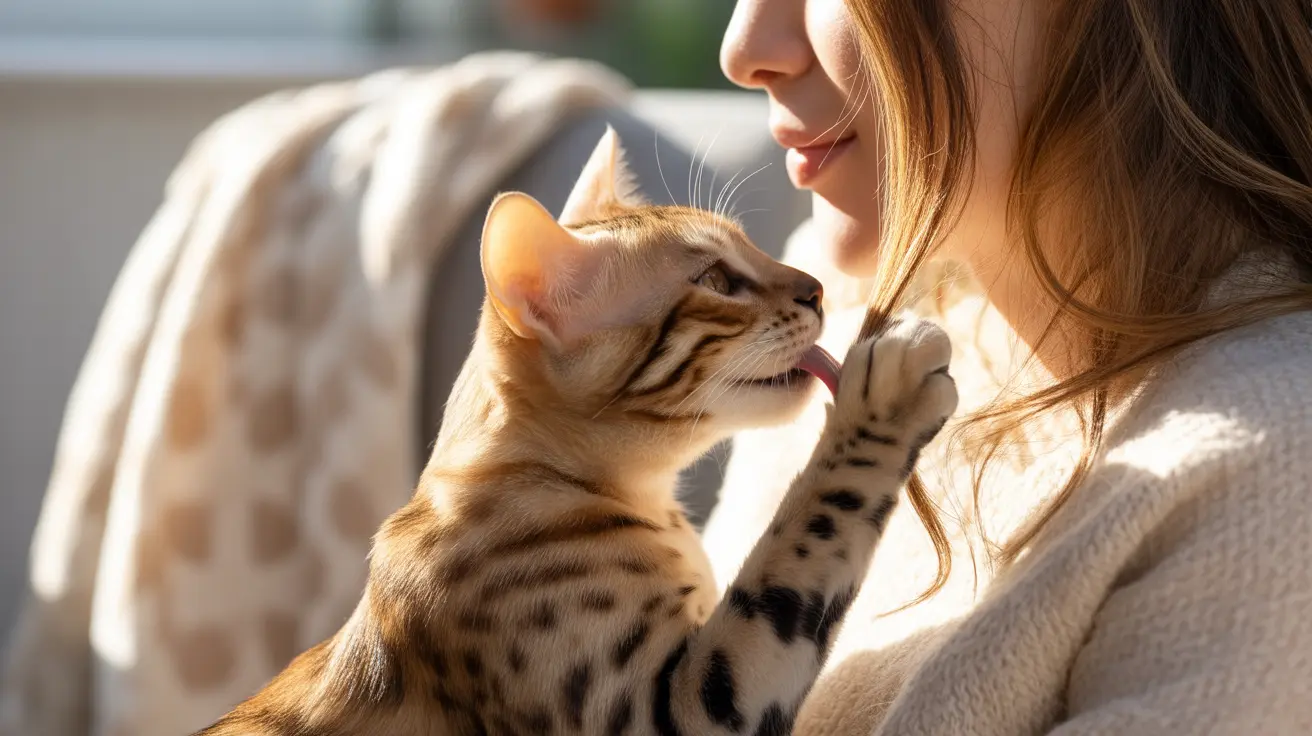
Credit: www.petscare.com
Health And Hygiene
Understanding the health and hygiene reasons behind one cat grooming another can change how you view their interactions. Grooming is more than just a cute behavior; it plays a crucial role in keeping cats clean and healthy. When you see your cat licking another, it’s often about helping maintain hygiene in ways they can’t manage alone.
Helping With Hard-to-reach Spots
Cats are flexible, but they still have areas they can’t easily reach, like the back of their heads or between their shoulder blades. When one cat grooms another, it helps clean these difficult spots thoroughly. This assistance reduces the risk of dirt buildup and skin problems in those hidden areas.
Have you noticed your cat focusing on a specific spot while grooming their friend? That’s likely a problem area they’re helping to keep clean. It’s a natural way they support each other’s health without needing human intervention.
Mutual Grooming Benefits
Mutual grooming, or allogrooming, offers more than cleanliness—it strengthens social bonds and reduces stress. When cats groom each other, they share scents, which creates a familiar group smell that can make them feel safer. This shared scent acts like a health shield, helping to reduce tension and promote overall well-being.
Besides emotional benefits, mutual grooming helps spread natural oils across their fur, keeping coats shiny and skin healthy. It’s also a chance to detect any skin issues early, as cats might groom more around a sore or irritated spot. Watching this behavior can help you spot health concerns before they worsen.
Kitten And Mother Grooming
Watching a mother cat gently groom her kitten reveals a bond rooted deeply in care and communication. This grooming isn’t just about cleanliness; it’s a vital interaction that shapes the kitten’s development and social skills. Understanding this natural behavior can give you insight into why your cats interact the way they do.
Maternal Instincts
A mother cat’s grooming goes beyond keeping her kitten clean. It’s an instinctive way to comfort and protect her young. By licking, she stimulates blood flow and helps with digestion and waste elimination in newborns.
Have you noticed how a mother cat’s grooming calms her kitten down? This is her way of reassuring them and building trust. The act also marks the kitten with her scent, which helps keep the family group together and safe.
Learning Through Grooming
Kittens learn a lot by being groomed and by grooming others. This early experience teaches them essential social skills, like how to communicate and show affection. Grooming helps kittens understand boundaries and develop a sense of belonging.
When you see a kitten grooming its mother or siblings, it’s practicing these skills. Have you ever observed your kitten pause and lick gently, as if copying what it has experienced? That’s a sign they are learning important behaviors that will serve them throughout their lives.
Environmental Influences
Environmental factors play a big role in why one cat grooms another. Cats are sensitive to their surroundings, and changes can affect their behavior, including grooming habits. Understanding these influences helps you see what your cats are trying to communicate.
Shared Territory
Cats that share the same space often groom each other to reinforce their bond. This behavior signals trust and acceptance within their shared territory. If you notice your cat grooming the other more frequently, it might mean they are strengthening their social connection and marking their common space as safe.
Think about your own home—do your cats have cozy spots where they relax together? These areas become important meeting points. Grooming in shared territory helps reduce tension and keeps peace among your feline friends.
Impact Of New Pets
Introducing a new pet can shake up your cats’ environment and trigger grooming behavior. The resident cat might groom the newcomer to welcome them or calm their nerves. This action serves as a way to ease the transition and build trust between them.
Have you seen your older cat patiently grooming the new arrival? It’s their way of saying, “You belong here.” However, if grooming turns excessive, it might indicate stress or an attempt to assert dominance. Pay attention to how both cats respond to maintain harmony.
When Grooming Becomes Excessive
Grooming between cats is usually a sign of affection and bonding. However, when one cat grooms the other too much, it can become a problem. Excessive grooming might indicate underlying stress or health issues that need your attention.
Signs Of Stress Or Anxiety
Watch for repeated licking that leads to bald spots or irritated skin on your cat. If your cat seems restless, hides more often, or shows changes in appetite, these could be signs of stress. Excessive grooming often happens when a cat feels anxious or overwhelmed.
Have you noticed your cat grooming the other nonstop after a change in the home, like a new pet or move? This behavior can be a way for them to cope with their feelings. Paying attention to these signs helps you understand their emotional state better.
When To Consult A Vet
If grooming causes sores or skin infections, it’s time to see a vet. Persistent over-grooming might hide allergies, parasites, or pain. Your vet can check for medical problems and suggest treatments to help both cats feel comfortable.
Don’t wait until the problem worsens. Early intervention can prevent serious health issues and reduce stress. Remember, your vet can also guide you on behavioral solutions if anxiety is the root cause.
Credit: www.rd.com
Frequently Asked Questions
Why Does One Cat Groom Another Cat?
One cat grooms another to show affection and strengthen their bond. It also helps maintain cleanliness and reduce stress between cats.
Is Grooming Another Cat A Sign Of Friendship?
Yes, mutual grooming indicates trust and friendship. Cats groom each other to build social connections and express care.
Can Grooming Mean One Cat Is Dominant?
Sometimes, grooming can show dominance. A dominant cat may groom a submissive one to assert control gently.
Does Grooming Help Reduce Cat Stress?
Grooming calms cats by releasing feel-good hormones. It creates a peaceful environment and reduces anxiety between cats.
Conclusion
Cats grooming each other shows trust and friendship. This behavior helps them feel safe and calm. It also keeps their fur clean and healthy. Watching your cats groom can be very heartwarming. Remember, this is a natural way for cats to bond.
It means they enjoy each other’s company. You can support this by giving them space to interact. Happy cats often groom each other more. So, enjoy these sweet moments between your pets. It tells a story of love and care.


Leave a Reply