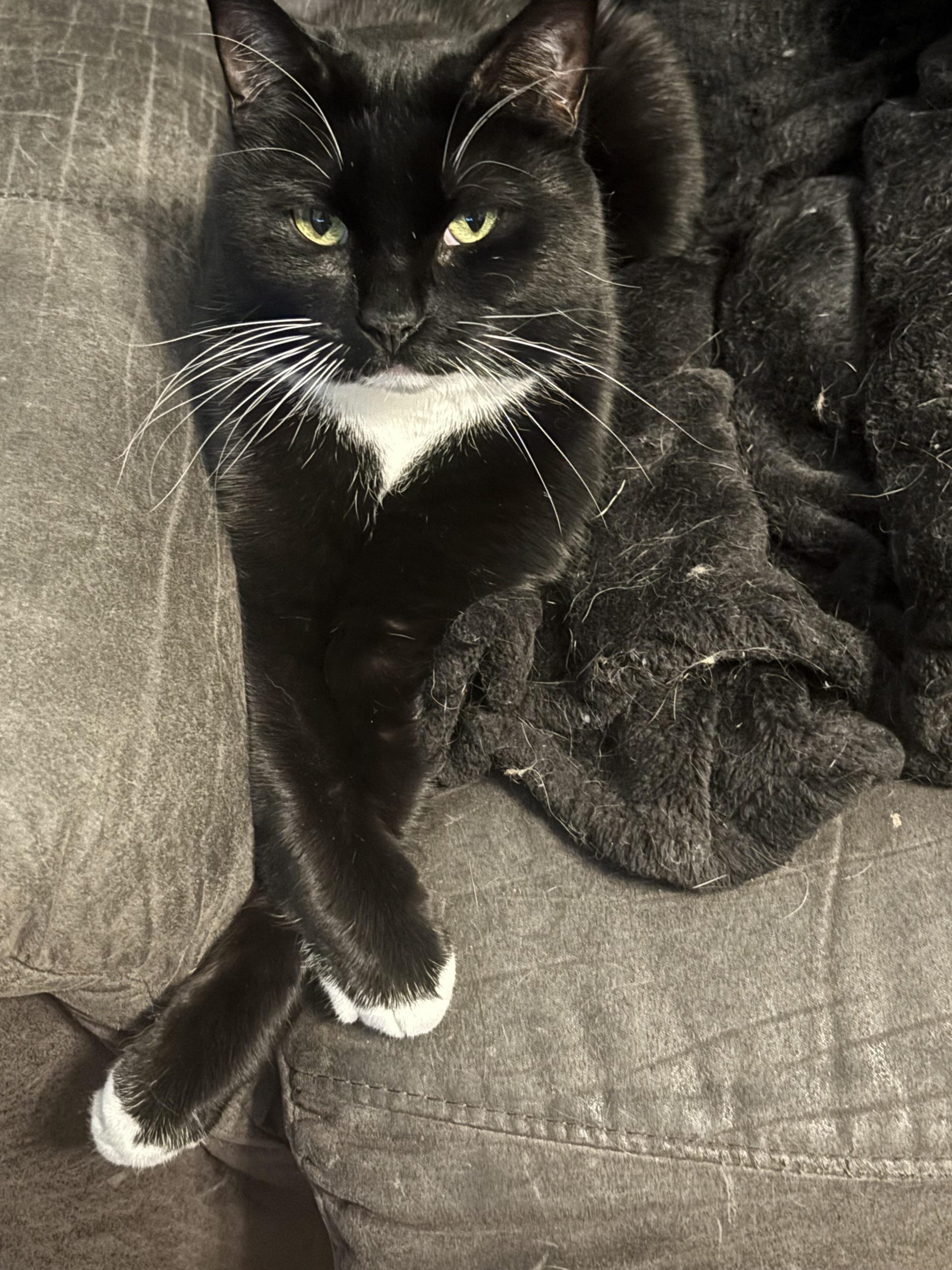
Have you ever noticed your cat suddenly jump up and start grooming himself out of nowhere? It might seem strange or surprising, but there’s a lot more behind this quick change in behavior than you might think.
Understanding why your cat does this can help you connect better with your furry friend and keep him happy and healthy. Keep reading, and you’ll discover the simple reasons behind this sudden grooming habit—and what it means for your cat’s well-being.

Credit: www.reddit.com
Normal Grooming Habits
Understanding your cat’s sudden grooming behavior starts with knowing what normal grooming looks like. Cats spend a significant part of their day cleaning themselves, and this habit is essential for their health and happiness. Observing how and when your cat grooms can give you clues about their well-being and mood.
Daily Grooming Routine
Most cats groom themselves several times a day. You’ll often see them licking their fur, paws, and even their face with quick, deliberate motions. This routine helps them remove dirt, loose fur, and even small pests.
Have you noticed your cat suddenly jump up and start grooming right after a nap or playtime? That’s perfectly normal. It’s their way of resetting and feeling comfortable again.
Keep an eye on how long your cat spends grooming. A healthy cat usually grooms for about 30-50% of their waking hours. If your cat suddenly grooms excessively or stops altogether, it might signal something else is going on.
Self-cleaning Benefits
Grooming isn’t just about looking good—it keeps your cat healthy. When your cat licks its fur, it spreads natural oils that keep the coat soft and shiny. This also helps protect their skin from drying out.
Did you know grooming helps regulate your cat’s body temperature? By removing loose hair and dirt, cats maintain better insulation and comfort. It’s a natural way to stay cool or warm depending on the season.
Besides physical benefits, grooming is calming for cats. It reduces stress and helps them feel secure. Next time your cat jumps up to groom suddenly, think of it as their way of taking a quick mental break.
Stress And Anxiety Triggers
Cats often groom themselves more when they feel stressed or anxious. Grooming acts as a comfort tool for cats, helping them calm down. Sudden jumps into grooming can signal that your cat is reacting to stress or anxiety triggers. Understanding these triggers helps you support your pet better.
Environmental Changes
Changes in your cat’s environment can cause stress quickly. Moving to a new home or rearranging furniture disrupts their familiar space. Loud noises like construction or fireworks also increase anxiety. Even new smells or visitors can unsettle your cat. Grooming in these moments helps your cat cope with uncertainty.
Social Stressors
Other animals or new people in the home may stress your cat. Conflicts with other pets create tension and fear. Visitors can make shy cats anxious and defensive. Lack of personal space adds to their discomfort. Grooming becomes a way for cats to soothe themselves during social pressure.
Health Issues And Discomfort
Cats often groom themselves suddenly due to discomfort or health issues like skin irritation or fleas. This quick grooming helps soothe itching or pain, signaling something might be wrong. Watching for other signs can help identify if your cat needs a vet visit.
Cats often jump up to groom themselves due to discomfort or health issues. This sudden behavior might be a clue to underlying problems. Understanding these health concerns helps you care better for your feline friend. Cats rely on grooming to soothe irritation or pain. Let’s explore some common causes.Skin Irritations
Skin irritations can make cats groom suddenly. Allergies or reactions to food, dust, or pollen are common causes. A cat may lick its fur more if its skin feels itchy. Dry skin is another culprit. It often leads to excessive grooming. You might notice dandruff or flaky patches on your cat’s coat.Parasite Infestations
Parasites can make cats uncomfortable. Fleas and ticks are common irritants. They cause itchy, red skin. Your cat may scratch or bite its fur frequently. It’s important to check for signs of these pests. Look for small, moving spots in your cat’s fur.Pain Or Injury
Pain or injury can trigger sudden grooming. Cats may lick or bite areas of discomfort. An injury might not be visible at first glance. Cats sometimes hide their pain. Look for swelling or tenderness when you touch them. If your cat limps, it might be trying to ease pain.
Credit: www.petforums.co.uk
Behavioral Factors
Understanding why your cat suddenly jumps up to groom himself involves looking closely at behavioral factors. Cats don’t just groom to stay clean—they communicate, soothe themselves, and even interact with you through their grooming habits. Recognizing these behaviors can help you connect more deeply with your feline friend and respond to their needs better.
Attention-seeking Actions
Sometimes your cat’s sudden grooming is a way to grab your attention. If you’ve noticed your cat stops what they’re doing and starts licking themselves intensely when you’re nearby, they might be trying to tell you something. Maybe they want playtime, food, or just a bit of affection.
Have you seen your cat groom after you come home or when you’re sitting quietly? This behavior can be a subtle signal, asking you to engage. Next time, try gently calling or petting your cat to see if they respond—it might reduce their need to use grooming as a message.
Habitual Grooming
Grooming is a natural habit for cats, often triggered by routine or stress. Your cat might jump up and start grooming simply because it’s part of their daily rhythm or a way to calm down after a sudden noise or change. This habit helps them feel safe and in control.
If you notice your cat grooming more than usual, consider if anything in their environment has changed. New sounds, visitors, or even rearranged furniture can cause this behavior. Helping your cat feel secure with a quiet space or familiar toys can ease their need for extra grooming.
External Stimuli Impact
External stimuli often trigger your cat’s sudden grooming sessions. These moments happen when something in their environment catches their attention or unsettles them. Understanding these triggers can help you better interpret your cat’s behavior and respond accordingly.
Sudden Noises Or Movements
Have you noticed your cat jump up to groom right after a loud noise or quick movement? Cats are naturally alert creatures, and unexpected sounds or sudden motions can startle them. Grooming acts as a calming mechanism, helping them regain composure after feeling startled.
Think about the last time your cat heard a door slam or saw a shadow dart across the room. That quick jump to grooming isn’t random—it’s their way of soothing nerves. You might try minimizing sudden noises or creating a quieter environment to reduce these stress reactions.
Presence Of Other Pets
Another common reason for sudden grooming is the presence of other pets. Your cat might groom more frequently if another animal enters their space, signaling a mix of curiosity and stress. This grooming can serve as a comfort behavior or a way to mark their scent subtly.
Have you observed your cat grooming intensely when a new pet visits or when they’re near another cat or dog? This behavior reflects their effort to stay calm and assert control. Watching how your cat reacts around other animals can reveal a lot about their comfort levels and social dynamics.
How To Respond
Knowing how to respond when your cat suddenly jumps up to groom himself can help you understand his needs better and ensure his well-being. Observing his behavior closely allows you to decide whether it’s just a normal grooming session or a sign of something more serious. Here’s how you can act to support your furry friend effectively.
When To Consult A Vet
If your cat’s grooming suddenly becomes intense or obsessive, it might indicate an underlying health issue. Look for signs like bald patches, redness, or sores on his skin. These symptoms suggest irritation, allergies, or even infections that require professional care.
Also, notice if your cat’s grooming is accompanied by other changes such as lethargy, loss of appetite, or unusual behavior. These could signal pain or discomfort that only a vet can diagnose. Don’t hesitate to schedule a vet visit if you feel unsure or worried about your cat’s grooming habits.
Calming Your Cat
Sometimes, sudden grooming bursts are triggered by stress or anxiety. You can help your cat feel more relaxed by creating a calm environment. Try playing soft music, using pheromone diffusers, or offering a cozy hideaway where your cat feels safe.
Engage your cat in gentle play sessions to redirect his attention and energy. A tired cat often grooms less compulsively. Remember, patience is key; your calm presence reassures your cat that all is well.

Credit: www.reddit.com
Frequently Asked Questions
Why Does My Cat Suddenly Start Grooming Itself?
Cats groom to clean their fur, regulate body temperature, and reduce stress. Sudden grooming can indicate anxiety or discomfort. It’s a natural behavior but may also signal skin irritation or allergies.
Is Sudden Grooming A Sign Of Cat Stress?
Yes, sudden grooming can be a stress response. Cats often groom more when anxious or nervous. Look for other signs like hiding or changes in appetite to understand your cat’s stress levels.
Can Grooming Indicate Health Problems In Cats?
Excessive grooming may suggest health issues like fleas, allergies, or skin infections. If grooming is frequent or causes hair loss, consult a veterinarian for proper diagnosis and treatment.
How Often Should A Cat Groom Itself Daily?
Cats typically groom themselves several times a day, totaling about 30-50% of their waking time. This keeps their coat clean and healthy. Sudden increases in grooming frequency may require attention.
Conclusion
Cats jump up to groom themselves for many simple reasons. It helps them stay clean and feel good. Grooming also calms them down and reduces stress. Sometimes, they notice a spot that itches or feels strange. Watching your cat’s grooming habits can tell you a lot about their health.
Keep an eye on sudden changes to catch problems early. Understanding this behavior helps you care for your cat better. A happy, well-groomed cat is a healthy cat. Simple as that.


Leave a Reply