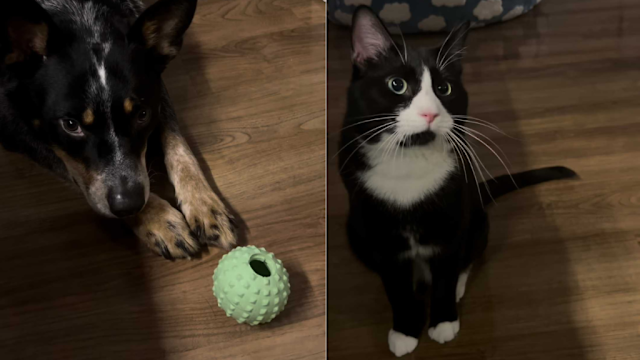
Have you ever caught your cat batting around your dog’s toys and wondered, “Will cats actually play with dog toys?” It’s a curious sight that might make you question if those big, bulky toys are right for your feline friend. Understanding why your cat might prefer—or ignore—dog toys can help you choose the best playthings that keep your pet happy and entertained.
Keep reading to discover the surprising reasons behind this behavior and how you can use it to boost your cat’s playtime fun.
Cat Play Preferences
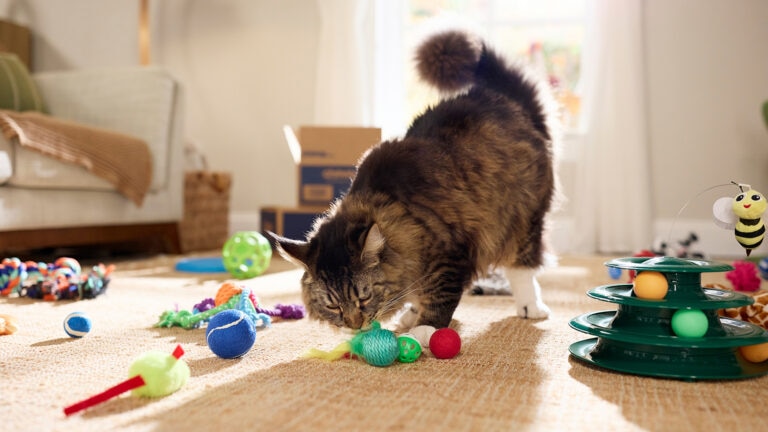
Cats have unique play preferences that differ from dogs. Understanding what cats enjoy helps keep them happy and active. Play stimulates their hunting instincts and prevents boredom. Cats prefer toys that mimic small prey and move unpredictably. Their play style is often quiet and focused. Toys that encourage stalking, pouncing, and chasing are ideal.
Typical Cat Toys
- Feather wands that flutter and sway
- Small balls that roll easily
- Stuffed mice or tiny animal shapes
- Laser pointers that create quick movements
- Interactive puzzles with hidden treats
- Crinkly tunnels and paper bags for hiding
What Attracts Cats
Cats are drawn to toys that move like prey. Fast, erratic motions catch their eye. Soft textures and lightweight materials invite batting and carrying. Sounds like crinkling or jingling increase interest. Scented toys with catnip can boost play drive. Bright colors are less important than motion and texture. Toys that allow solo play or interaction with owners work best.
Credit: www.newsweek.com
Dog Toys And Cats
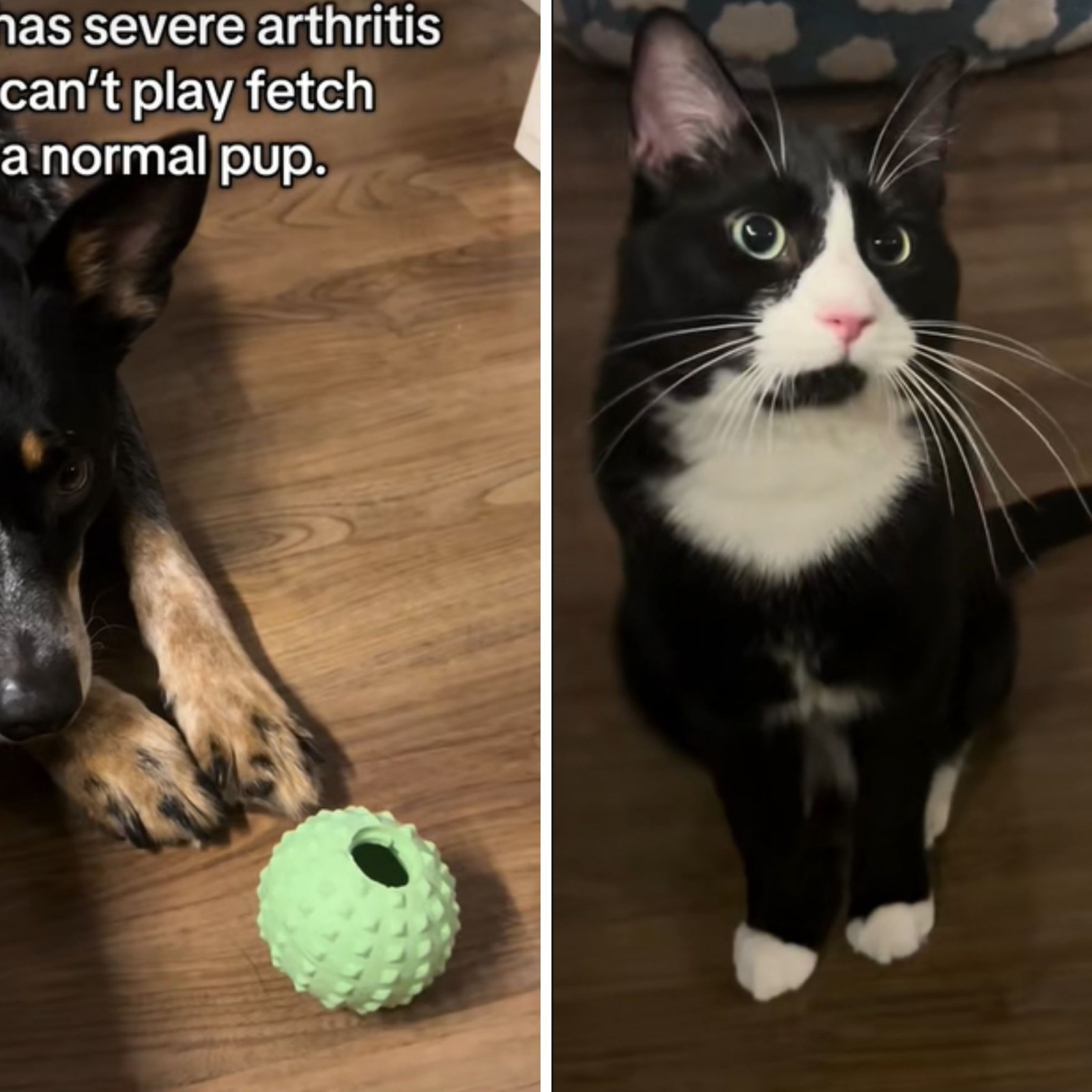
Many cat owners wonder if their feline friends will enjoy dog toys. The answer isn’t straightforward, as cats and dogs have different play styles and preferences. However, some dog toys can indeed catch a cat’s interest and become part of their playtime routine.
Types Of Dog Toys Cats Like
Cats are natural hunters and love toys that mimic prey. Toys that squeak or make noise, like some dog toys, can quickly grab a cat’s attention.
- Soft plush toys:Cats enjoy batting around soft toys, especially if they have a crinkly texture or hidden bells inside.
- Rubber chew toys:Some cats like to chew, and durable rubber toys designed for dogs can withstand sharp cat teeth.
- Tug ropes:Cats sometimes enjoy tugging and pouncing on rope toys, especially if you dangle or drag them across the floor.
- Interactive balls:Lightweight balls that roll unpredictably can stimulate a cat’s curiosity and hunting instincts.
Does your cat prefer chasing moving objects or quietly batting small toys around? Matching the toy type to your cat’s play style can make dog toys a surprise hit.
Safety Considerations
Not all dog toys are safe for cats. Many dog toys are larger and made for strong jaws, so they might be too big or heavy for your cat to play with comfortably.
Watch out for small parts on dog toys that could break off and be swallowed. Also, avoid toys treated with chemicals or scents designed for dogs, as these might irritate your cat.
- Always supervise your cat when introducing a new dog toy.
- Check the toy regularly for damage or loose pieces.
- Choose toys without sharp edges or toxic materials.
Have you noticed your cat’s reaction to a dog toy? Observing how they interact can help you decide if it’s a safe and enjoyable option for them.
Behavioral Differences
Understanding the behavioral differences between cats and dogs helps explain their play preferences. Cats and dogs have distinct instincts and habits. These differences influence how they interact with toys and their environment.
Play Styles Of Cats Vs Dogs
Cats have a unique play style. They often mimic hunting behaviors. Pouncing, stalking, and batting are common actions. Play is often solitary and quiet.
Dogs, on the other hand, are social players. They enjoy interactive games. Fetch and tug-of-war are popular with dogs. Their play is often energetic and noisy.
How Cats React To Dog Toys
Dog toys may not always interest cats. Cats prefer toys that simulate prey. Toys that move erratically or have feathers attract them.
Some dog toys can intrigue cats. Soft balls or small squeaky toys may catch their attention. Yet, large, heavy toys often get ignored.
Understanding these preferences helps pet owners choose suitable toys. It ensures both pets stay engaged and entertained.

Credit: www.reddit.com
Benefits Of Dog Toys For Cats
Dog toys can offer surprising benefits for cats. Many dog toys have unique shapes and textures that cats find intriguing. These toys encourage cats to explore and interact in new ways. Using dog toys for cats can boost their mental and physical health. Cats often enjoy the challenge and excitement these toys provide.
Mental Stimulation
Dog toys often have complex designs that spark a cat’s curiosity. They can challenge a cat’s problem-solving skills. This keeps their mind sharp and engaged. Different textures and scents on dog toys also attract cats. Such variety helps prevent boredom and stress. Mental activity is important for a cat’s overall happiness and behavior.
Physical Exercise
Dog toys can encourage active play. Cats love to chase, pounce, and bat at moving objects. Many dog toys are built to be durable and easy to move. This makes them perfect for energetic cats. Playing with these toys helps cats stay fit and agile. Regular physical activity supports a cat’s health and weight management.
Choosing The Right Toy
Choosing the right toy for your cat is important for safe and fun play. Cats have different needs than dogs, so not all dog toys work well for them. Picking toys that match your cat’s size and play style keeps them happy and healthy.
Material And Size
Choose toys made from soft, non-toxic materials. Cats like toys they can bite and carry without hurting their teeth. Avoid hard plastics that can break and cause injury.
The toy size should fit your cat’s mouth easily. Small toys can be swallowed, while very large toys may be hard to play with. Medium-sized toys are usually best.
Avoiding Hazards
Check toys for small parts that can come off and cause choking. Strings and ribbons can be dangerous if swallowed. Avoid toys with loose pieces or sharp edges.
Inspect toys regularly. Throw away any damaged toys immediately. Safety keeps playtime fun and stress-free for both you and your cat.
Credit: www.chewy.com
Tips For Encouraging Play
Encouraging your cat to play with dog toys can be fun and rewarding. Cats enjoy new experiences and toys that spark their curiosity. Playtime helps your cat stay active and happy. Introducing the right toys and using interactive play ideas can make a big difference.
Introducing New Toys
Start by placing the dog toy near your cat’s favorite resting spot. Let your cat sniff and explore the toy at their own pace. Try different textures and shapes to find what your cat likes. Soft squeaky toys or balls may catch their attention. Rotate toys regularly to keep playtime exciting. Avoid forcing your cat to play with the toy. Patience is key to building interest.
Interactive Play Ideas
Use the dog toy to mimic prey movements. Drag the toy slowly across the floor or dangle it in the air. This triggers your cat’s hunting instincts. Try tossing the toy gently for your cat to chase. Use short play sessions to keep your cat engaged. Praise your cat with gentle petting or treats after play. Interactive play strengthens your bond and keeps your cat active.
Frequently Asked Questions
Will Cats Enjoy Playing With Dog Toys?
Cats may show interest in some dog toys, especially those that mimic prey. However, dog toys are often too large or hard for cats to enjoy fully.
Are Dog Toys Safe For Cats To Use?
Most dog toys are non-toxic, but they may pose choking hazards to cats. Always supervise your cat when introducing dog toys to ensure safety.
What Dog Toy Features Attract Cats The Most?
Cats are attracted to toys that move, make noise, or have interesting textures. Soft squeaky toys or small balls can sometimes engage cats more than standard dog toys.
Can Dog Toys Satisfy A Cat’s Hunting Instincts?
Some dog toys, like balls or plush toys, can stimulate a cat’s hunting instincts. However, toys designed specifically for cats are usually more effective.
Conclusion
Cats can enjoy some dog toys, but not all are safe. Toys meant for dogs might be too big or hard for cats. Always watch your cat while playing with dog toys. Choose toys that are soft and small enough for cats.
Playtime keeps cats happy and active. Mixing toys can add fun, but safety comes first. Every cat is different, so observe what they like best. Keep playtime safe and enjoyable for your furry friend.



Leave a Reply