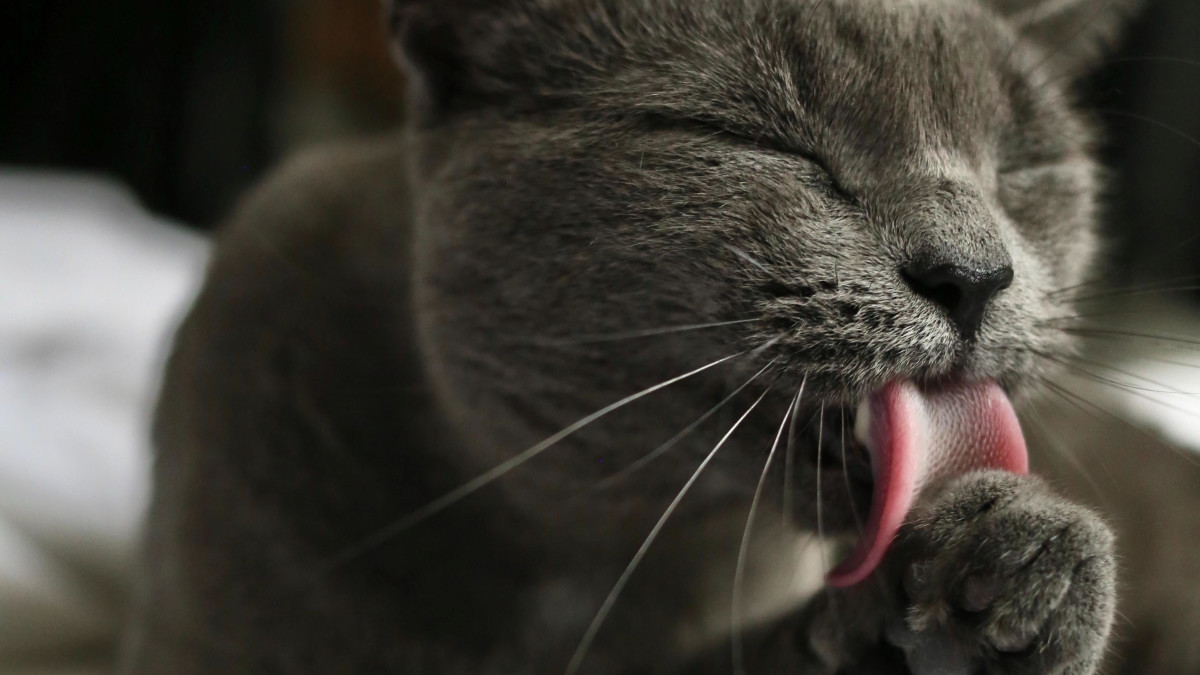
Have you ever noticed your cat making loud noises while she grooms herself? It might surprise you how common this behavior is, and it can leave you wondering if something is wrong.
Understanding why your cat is loud when she grooms can help you connect better with her and ensure she’s happy and healthy. Keep reading, and you’ll discover simple reasons behind this noisy habit and what it means for your furry friend.

Credit: www.reddit.com
Cat Grooming Basics
Cats spend a lot of time grooming themselves. Grooming is not just about staying clean. It helps cats cool down and feel calm. Understanding the basics of cat grooming helps explain why your cat might be loud during this routine.
How Cats Groom Themselves
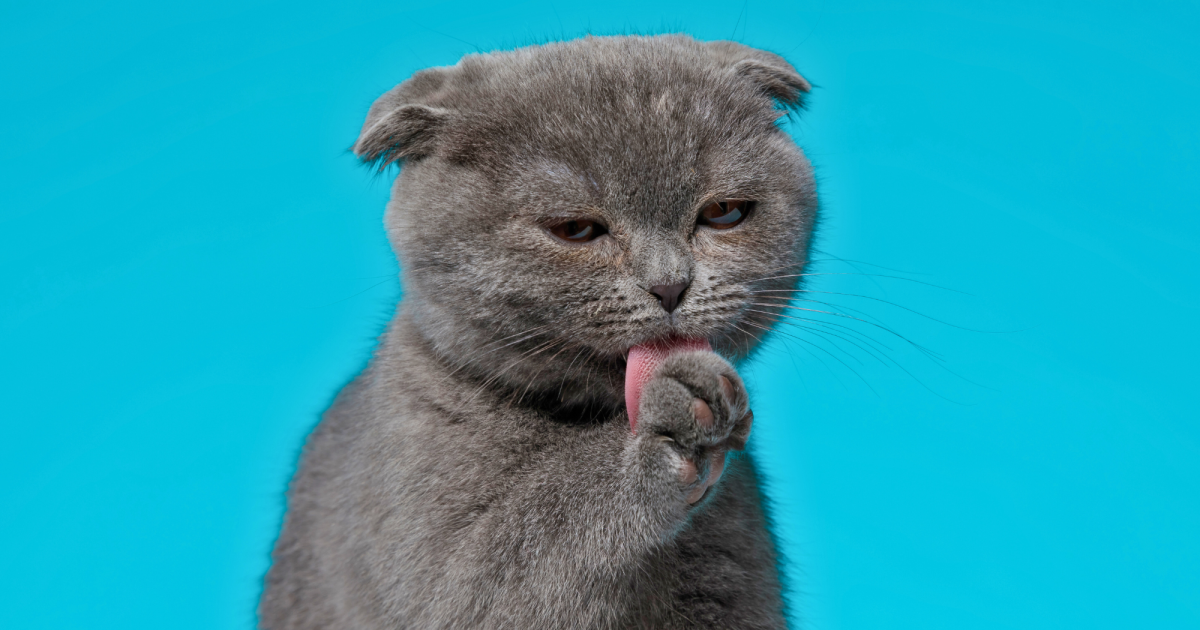
Cats use their tongues to clean their fur. Their tongues have tiny, hook-like structures. These hooks catch loose fur and dirt. Cats lick their paws and rub them on their face. They also clean their legs, tail, and body. Grooming keeps their fur smooth and free of parasites.
Besides cleaning, grooming helps cats relax. It lowers their stress and strengthens bonds with other cats. Cats may groom themselves several times a day. This natural habit is part of their daily routine.
Typical Grooming Sounds
Grooming is not always quiet. Cats make different sounds while grooming. You might hear soft licking noises as their tongue moves. Sometimes, cats purr while they groom. Purring shows they feel safe and happy.
Occasionally, cats make chirping or chattering sounds. These noises may come from excitement or focus. Some cats even meow softly during grooming. These sounds are normal and part of their behavior.

Credit: www.reddit.com
Reasons For Loud Grooming
Cats often make noise while grooming, which can surprise many owners. Loud grooming sounds are not random. They have specific reasons behind them. Understanding these reasons helps you know your cat better. It also aids in spotting any issues early.
Communication And Attention Seeking
Cats use sounds to communicate with their owners and other pets. Loud grooming noises can be a way to get attention. Your cat might want you to notice her or come closer. Sometimes, she is simply sharing comfort and contentment with you. These sounds can show affection and a desire for interaction.
Discomfort Or Pain Signals
Loud grooming noises may signal discomfort or pain. If your cat suddenly grooms loudly, check her body. Look for signs of injury or irritation. Grooming can be a way to soothe painful areas. Sounds might indicate that the grooming is uncomfortable or hurting. Always observe closely to catch any health concerns.
Stress And Anxiety Indicators
Stress can cause cats to groom more loudly and intensely. Loud grooming noises might mean your cat feels anxious. Changes in the environment or routine can trigger this. Grooming serves as a calming behavior for stressed cats. Sounds during grooming may rise when your cat tries to relax but feels uneasy.
Age And Health Factors
Older cats or those with health issues may groom loudly. Age can affect hearing or sensitivity, making grooming sounds more noticeable. Health problems like arthritis or skin conditions can cause discomfort. Loud grooming might reflect these challenges. Monitor grooming sounds along with other health signs to support your cat properly.
Behavioral Traits Influencing Noise
Ever noticed your cat making quite the ruckus during her grooming sessions? The noise can be puzzling and, at times, surprisingly loud. Understanding the behavioral traits influencing this cacophony can shed light on your feline’s unique grooming habits. Let’s dive into some of these traits.
Breed-specific Tendencies
Certain cat breeds are naturally more vocal than others. Siamese cats, for instance, are notorious for their talkative nature and might continue their chattiness into grooming. If your cat belongs to a vocally inclined breed, the grooming noise could simply be an extension of her usual behavior.
On the other hand, breeds like the Russian Blue tend to be quieter. If a typically silent breed is suddenly noisy while grooming, it might be worth observing for other signs of distress or discomfort.
Personality And Temperament
Just like humans, cats have distinct personalities that influence their behaviors, including grooming noises. Some cats are naturally more expressive and might vocalize out of contentment while grooming. Others might do so as a way to self-soothe or express excitement.
Does your cat seem more vocal when she’s relaxed and happy? Her grooming sounds could be a sign of satisfaction and well-being. Pay attention to her body language for further clues.
Learned Behaviors
Cats are quick learners and can pick up behaviors from their environment or their interactions with humans and other pets. If you’ve ever responded to your cat’s noises during grooming, she might have learned to associate sound with attention. This can reinforce the behavior, making her believe that noise is rewarding.
Consider if there’s a pattern in her vocal grooming sessions. Do you engage with her more when she’s noisy? If so, you might be unintentionally encouraging the racket.
Understanding these behavioral influences can deepen your bond with your furry friend and help you address any concerns. What does your cat’s grooming noise say about her? Share your experiences and insights!
When Loud Grooming Needs Attention
Sometimes, loud grooming is more than just a quirky habit. It can signal discomfort or pain. Paying attention to these sounds helps protect your cat’s health. Loud grooming that lasts or changes can mean a problem needing care. Understanding the signs can guide you to act in time. Watch your cat closely during grooming sessions. This helps spot anything unusual early.
Identifying Signs Of Skin Problems
Look for redness or swelling on your cat’s skin. Bald patches or scabs may appear during grooming. Your cat may scratch or lick certain spots a lot. These signs often show irritation or infection. Check for bumps, sores, or flaky skin. Skin problems cause discomfort, making grooming noisy.
Detecting Underlying Medical Issues
Loud grooming might hide deeper health issues. Pain from arthritis or injuries can cause vocalizing. Allergies may lead to itchy skin and loud grooming. Parasites like fleas cause constant itching and irritation. Watch for changes in appetite or behavior. These clues suggest a health problem affecting grooming.
Consulting A Veterinarian
Visit a vet if loud grooming seems unusual or painful. The vet can examine your cat’s skin and overall health. Tests may find infections, allergies, or other illnesses. Early treatment prevents worsening problems and helps your cat feel better. Share your observations about grooming and sounds with the vet. Professional advice is key to proper care.
Managing Loud Grooming
Managing loud grooming in cats helps maintain a peaceful home and keeps your cat happy. Loud grooming may signal stress or discomfort. Creating a calm space and using the right tools can reduce noise. Regular health checks ensure your cat feels well during grooming. These steps help make grooming a smooth and quiet experience for both of you.
Creating A Calm Environment
Choose a quiet spot for grooming sessions. Avoid loud noises and sudden movements. Use soft lighting to relax your cat. Speak gently and move slowly. Offer treats to create positive associations. A calm space lowers stress and reduces loud grooming sounds.
Regular Health Checkups
Visit the vet to rule out pain or skin problems. Health issues can cause excessive licking and noise. Check for allergies, infections, or injuries. Healthy cats groom quietly and comfortably. Regular checkups catch problems early and improve grooming behavior.
Using Grooming Tools Effectively
Select grooming tools that suit your cat’s fur type. Soft brushes or combs work well for sensitive skin. Brush gently to avoid discomfort. Use tools to remove loose fur and tangles. Proper grooming tools make the process smoother and less noisy.
Credit: pethelpful.com
Frequently Asked Questions
Why Is My Cat So Noisy During Grooming?
Cats may vocalize during grooming due to comfort or mild irritation. It’s their way of expressing feelings while cleaning.
Does Loud Grooming Mean My Cat Is Stressed?
Not always. Loud grooming can indicate contentment or mild discomfort, but persistent loudness might signal stress or health issues.
Can Loud Grooming Indicate Health Problems In Cats?
Yes. Excessive noise during grooming may suggest pain, skin irritation, or dental issues. Consult a vet if behavior changes.
How Can I Reduce My Cat’s Loud Grooming Sounds?
Provide a calm environment and regular grooming help. Ensure your cat is comfortable and healthy to minimize loud grooming.
Conclusion
Cats often make noise while grooming to communicate or show comfort. This behavior is normal and shows she feels safe. Sometimes, the sounds help her clean better or keep attention. Understanding why your cat is loud helps you bond more.
Watch her closely and enjoy these unique moments together. Every cat expresses herself differently, making your pet special. Keep observing and learning from her daily habits. Your loud groomer is simply being her true self.

Leave a Reply