Have you ever wondered just how many different cat breeds exist? If you’re curious about the wide variety of feline friends out there, you’re not alone.
Knowing the number of cat breeds can help you understand their unique personalities, looks, and care needs. Whether you’re thinking about adopting a new pet or simply love learning about cats, this article will give you clear and interesting answers.
Keep reading to discover the fascinating diversity of cat breeds and find out which one might be the perfect match for you.

Credit: www.shutterstock.com
Cat Breed Diversity
The diversity of cat breeds is truly fascinating. Each breed carries unique traits, personalities, and histories that reflect both natural evolution and human influence. Understanding this variety can deepen your appreciation for the feline world and help you find a breed that fits your lifestyle perfectly.
Global Cat Breed Count
There are around 70 to 100 officially recognized cat breeds worldwide, depending on the source. Some breeds, like the Siamese or Persian, are well-known everywhere, while others remain rare and almost unknown outside their native regions. Have you ever wondered how many different cat breeds might be living just a few streets away?
Recognized Cat Associations
Different cat associations recognize varying numbers of breeds due to their unique standards and criteria. The Cat Fanciers’ Association (CFA) recognizes about 45 breeds, while The International Cat Association (TICA) lists over 70. These organizations play a key role in preserving breed characteristics and promoting responsible breeding practices.
Popular Cat Breed Categories
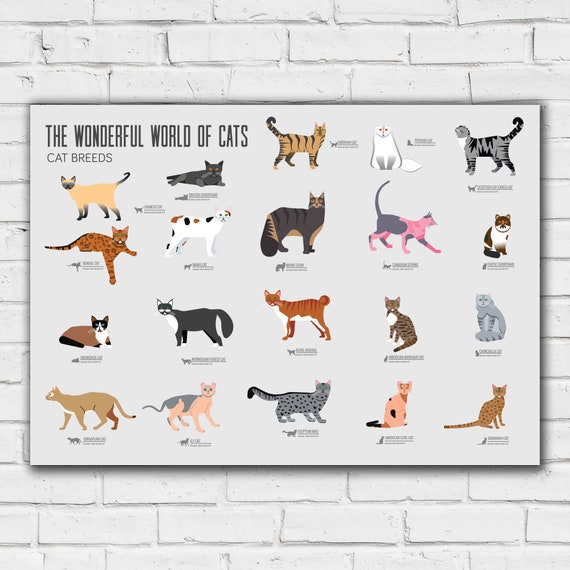
Cat breeds often fall into clear categories based on appearance and personality. Some common categories include:
- Short-haired breeds: like the British Shorthair, known for their dense fur and calm nature.
- Long-haired breeds: such as the Maine Coon, famous for their thick, luxurious coats and friendly personalities.
- Hairless breeds: like the Sphynx, recognized for their striking look and affectionate behavior.
- Oriental breeds: including the Siamese, which are vocal and social cats.
Which category do you think fits your personality best when choosing a cat? Your preference can guide you to a breed that will truly feel like a companion.
Credit: www.etsy.com
Factors Influencing Breed Classification
Understanding how many different species of cat breeds exist requires looking closely at the factors that influence breed classification. These factors shape how experts recognize and separate breeds from one another. Your perception of a cat’s breed might change once you explore what goes into defining it.
Genetic Variations
Genetic differences form the core of breed classification. Cats with distinct gene pools often show unique physical traits or behaviors that help define their breed.
Think about the difference between a Siamese and a Maine Coon. Their genetic makeup influences everything from coat length to personality. Without analyzing these variations, it’s hard to classify breeds accurately.
Breed Standards
Breed standards are like rulebooks set by cat associations. They describe the ideal look, size, color, and personality traits of a breed.
These standards help breeders and judges decide if a cat fits a particular breed. Sometimes, a breed might be recognized in one country but not another because of different standards. Have you ever wondered why some cats look similar but are classified differently?
Crossbreeding Effects
Crossbreeding mixes traits from two or more breeds, creating cats that may not fit neatly into existing categories. This can blur breed lines and introduce new variations.
For example, the Bengal cat is a product of crossing domestic cats with Asian leopard cats. This creates a unique breed with wild markings but domestic temperament. Crossbreeding keeps the classification system evolving and sometimes makes it tricky to count distinct breeds.
Top Cat Breeds Around The World
Cats have charmed people worldwide with their diverse breeds. Each breed offers unique traits and characteristics. Let’s explore some top cat breeds from around the globe.
Long-haired Breeds
Long-haired cats are admired for their luxurious coats. The Persian cat is among the most popular. It boasts a fluffy appearance and a sweet temperament. The Maine Coon is another favorite. Known for its size and bushy tail, it’s gentle and friendly. The Turkish Angora is elegant with a fine, silky coat. These breeds require regular grooming to maintain their beauty.
Short-haired Breeds
Short-haired cats are easy to maintain. The Siamese is famous for its striking blue eyes and vocal nature. The British Shorthair is known for its dense, plush coat and calm demeanor. The Abyssinian is active and playful, with a unique ticked coat. Short-haired breeds are perfect for those preferring less grooming.
Hairless And Unique Coat Breeds
The Sphynx is a popular hairless breed. It has a warm, suede-like skin and is very affectionate. The Devon Rex features a curly, soft coat and large ears. It’s playful and social. The Bengal boasts a wild appearance with a sleek, spotted coat. These unique breeds offer a distinct look and feel.
Rare And Exotic Cat Breeds
Rare and exotic cat breeds hold a special place in the hearts of many cat lovers. These breeds often have unique features, colors, or histories that set them apart from common cats. They can come from isolated regions or be the result of careful breeding efforts. Exploring these breeds reveals fascinating stories and distinct looks.
Newly Developed Breeds
New cat breeds emerge as breeders aim to create fresh looks and traits. These cats often have unusual patterns or body shapes. Breeders work hard to ensure these new breeds are healthy and consistent. Some examples include:
- The Lykoi, known as the “werewolf cat,” has a sparse coat.
- The Dwelf, with its short legs and curled ears.
- The Toyger, which resembles a small tiger.
Endangered Cat Breeds
Some rare breeds face the risk of extinction. Their numbers remain very low due to habitat loss or lack of breeders. Conservation efforts try to protect these cats. Examples include:
- The Sokoke, a wild-looking cat from Kenya.
- The Kurilian Bobtail, native to Russia and Japan.
- The Peterbald, a hairless cat from Russia.
Regional Specialty Breeds
Many rare breeds come from specific parts of the world. They reflect local culture and environment. These cats often stay unknown outside their home regions. Some regional breeds are:
- The Turkish Van, famous for its love of water.
- The Egyptian Mau, known for its spotted coat.
- The Singapura, one of the smallest cat breeds from Singapore.
Choosing The Right Cat Breed
Choosing the right cat breed is more than just picking a pretty face. It’s about finding a companion that fits your daily life, personality, and home environment. Understanding the unique traits of each breed helps you create a happy and lasting bond with your feline friend.
Temperament And Personality
Every cat breed carries its own personality traits. Some breeds, like the Siamese, are vocal and social, craving constant interaction. Others, such as the British Shorthair, tend to be calm and independent.
Think about how much time you can spend with your cat. Would you enjoy a playful partner or a quiet observer? Matching your energy to your cat’s personality prevents frustration on both sides.
Care And Maintenance Needs
Different breeds require different levels of grooming and care. Long-haired cats like the Maine Coon need regular brushing to avoid mats, while short-haired breeds like the American Shorthair require minimal grooming.
Consider your willingness and ability to commit to these tasks. Some cats may also have special dietary or health needs, which means more vet visits or specialized care.
Suitability For Different Lifestyles
Your lifestyle plays a huge role in choosing a cat breed. If you travel often or work long hours, a low-maintenance and independent breed like the Russian Blue might suit you best.
On the other hand, if you have kids or other pets, breeds known for their friendliness and adaptability, such as the Ragdoll, could make a better fit. What’s your daily routine like, and how much attention can you realistically give your cat?
Future Trends In Cat Breeding
The future of cat breeding holds exciting possibilities. New breeds will continue to emerge, influenced by science and growing awareness of animal welfare. Breeders focus on creating healthy cats with unique looks and stable temperaments. Advances in genetics help guide these efforts. Ethical breeding is becoming a key priority to protect cats’ well-being.
Emerging Breeds
New cat breeds appear as breeders experiment with traits. These breeds often have distinct fur patterns, colors, or body shapes. Breeders aim to meet the desires of cat lovers worldwide. Some new breeds gain quick popularity due to their charming features. Breed clubs work to standardize traits and promote healthy breeding.
Genetic Research Impact
Genetic research helps identify health risks in cat breeds. DNA testing allows breeders to avoid passing on diseases. This science improves breed health and longevity. Research also aids in understanding cat ancestry and traits. Breeders use this information to make smarter breeding decisions.
Ethical Breeding Practices
Ethical breeding focuses on cat health and happiness. Breeders avoid inbreeding and harmful trait selection. They provide proper care and socialization to kittens. Transparency with buyers about health and history is crucial. Many breeders follow strict guidelines to protect cats’ rights.
Credit: medium.com
Frequently Asked Questions
How Many Cat Breeds Exist Worldwide?
There are approximately 70 to 75 recognized cat breeds worldwide. Different cat associations may vary slightly in their breed counts. These breeds differ in appearance, personality, and origin, offering diverse choices for cat lovers globally.
Which Cat Breed Is The Most Popular?
The Domestic Shorthair is the most popular cat breed globally. It is known for its friendly nature and adaptability. These cats come in various colors and patterns, making them a common household pet.
Are New Cat Breeds Still Being Discovered?
Yes, new cat breeds are occasionally recognized by cat associations. Breeders develop new breeds by selective breeding and meeting specific standards. This process helps maintain breed diversity and introduces unique traits.
How Do Cat Breeds Differ Genetically?
Cat breeds differ genetically due to selective breeding focusing on specific traits. These genetic variations affect coat color, size, behavior, and health. Understanding these differences helps in proper care and breeding practices.
Conclusion
Cat breeds number in the hundreds worldwide. Each breed has unique traits and stories. Some are old, some are new. People love cats for their beauty and charm. Knowing different breeds helps choose the right pet. Cats bring joy to many homes.
Exploring cat breeds can be fun and rewarding. Keep learning about cats and their special traits. Every cat breed adds to the world’s diversity.



Leave a Reply