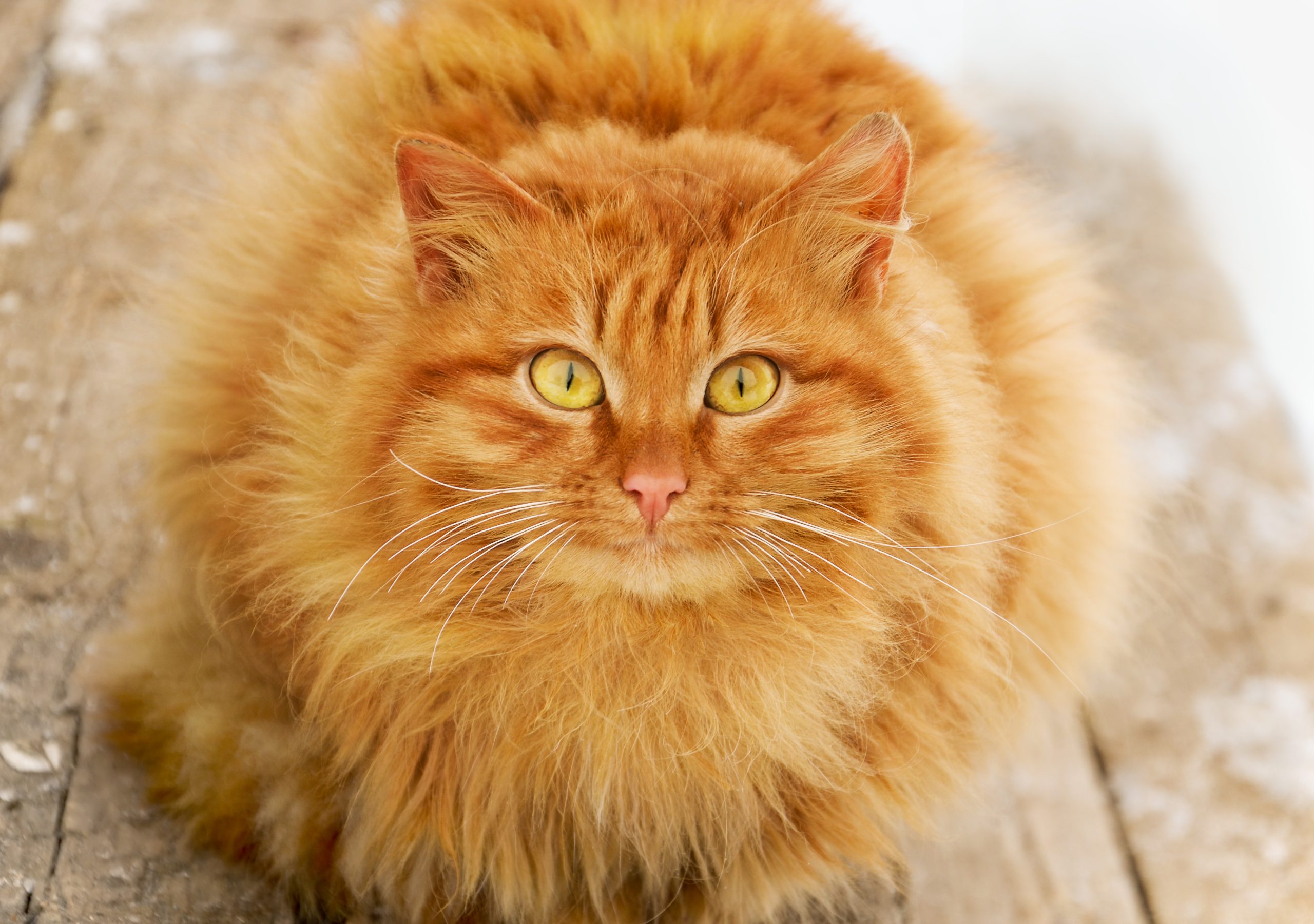
Is your cat spending too much time licking and biting its fur? Over grooming can lead to sore spots, hair loss, and discomfort for your furry friend.
You might feel worried or frustrated, wondering how to help your cat stop this behavior. The good news is, you’re not alone—and there are simple steps you can take to ease your cat’s stress and keep its coat healthy. Keep reading, and you’ll discover practical tips that can make a real difference for both you and your cat.
Causes Of Over Grooming
Understanding why your cat overgrooms is key to helping them stop. Overgrooming can signal deeper issues that affect your cat’s wellbeing. Identifying the cause helps you address the problem effectively and keeps your cat comfortable and happy.
Stress And Anxiety
Cats often groom themselves to calm down when they feel stressed or anxious. Changes in the environment, like moving to a new home or introducing a new pet, can trigger this behavior. Have you noticed your cat licking more after loud noises or when left alone?
Recognizing stress as a cause means you can create a more peaceful space for your cat. Simple steps like providing hiding spots or using calming pheromone diffusers can reduce anxiety and the urge to overgroom.
Allergies And Skin Issues
Allergies to food, dust, or pollen can irritate your cat’s skin, causing itching that leads to overgrooming. Sometimes, a change in diet or exposure to a new cleaning product can start this cycle. Does your cat scratch or lick certain areas more than others?
Checking for redness, bumps, or hair loss can hint at skin problems. Consulting your vet about allergies can lead to treatments that soothe your cat’s skin and stop excessive licking.
Parasites And Infections
Fleas, mites, or fungal infections cause itching that makes cats lick obsessively. Even if you don’t see fleas, your cat might still have tiny parasites causing discomfort. Could your cat’s sudden licking be a sign of invisible pests?
Regular parasite control and vet checks can catch infections early. Treating these issues quickly prevents further skin damage and helps your cat feel better fast.
Boredom And Lack Of Stimulation
Cats left alone for long periods or without enough toys may overgroom out of boredom. Grooming becomes a way to pass time and relieve frustration. Have you noticed your cat licking more on days when you’re away?
Adding interactive toys, playtime, or even puzzle feeders can keep your cat mentally and physically engaged. This not only reduces overgrooming but also strengthens your bond with your feline friend.

Credit: icatcare.org
Identifying Over Grooming Signs
Over grooming in cats can cause serious harm if not noticed early. Knowing the signs helps you act fast. Cats usually groom to stay clean. But too much grooming may signal stress or health issues. Watch your cat closely to spot these signs.
Hair Loss Patterns
Look for patches of missing fur. Bald spots often appear on the belly, legs, or tail. The fur may look thinner than usual. Over grooming causes uneven hair loss. Unlike natural shedding, these areas are clearly bald.
Redness And Irritation
Check the skin under the fur. Red or inflamed skin shows irritation. Scratching and licking cause redness. Sometimes you may see small sores or scabs. These signs mean your cat’s skin is hurting.
Behavioral Changes
Notice your cat’s actions and mood. Over grooming cats may seem anxious or restless. They might hide more or avoid play. Sudden changes in behavior often link to stress or pain. These changes help understand the grooming problem.
Environmental Adjustments
Creating a calm and safe space helps reduce your cat’s stress, which lowers over grooming. Providing cozy hiding spots and quiet areas makes your cat feel secure and relaxed. Adjusting lighting and noise levels can also soothe your pet and prevent excessive grooming.
If your cat is over grooming, environmental adjustments can play a crucial role in curbing this behavior. By making some strategic changes to your cat’s surroundings, you can help reduce stress and provide a more engaging environment. Here are some practical steps to consider:Creating A Calm Space
Setting up a tranquil area for your cat can significantly reduce stress-induced grooming. Choose a quiet corner of your home where your cat can retreat when feeling overwhelmed. Add a comfortable bed or blanket, and ensure this space is away from loud noises and high traffic areas. A calm environment can be enhanced with soft lighting or by using a cat pheromone diffuser to promote relaxation.Providing Enrichment And Toys
Cats need mental and physical stimulation to stay healthy. Introduce a variety of toys to keep your cat entertained, such as puzzle feeders or interactive toys. Rotating toys weekly can keep your cat interested and engaged. Create vertical spaces like cat trees or shelves, allowing your cat to climb and explore, which can be a great outlet for their energy.Maintaining Cleanliness
A clean environment is essential for your cat’s well-being. Regularly clean their litter box, as a dirty one can be a significant source of stress. Ensure their feeding area is tidy, and fresh water is always available. Remember, a clutter-free space can make your cat feel more at ease, reducing the urge to over groom. Could these changes make a difference in your cat’s life? Implementing these small adjustments might be the key to helping your furry friend feel more secure and less inclined to over groom.Diet And Nutrition Tips
Diet plays a big role in your cat’s skin and coat health. A poor diet can cause dryness, itching, and over grooming. Feeding your cat the right foods helps reduce irritation and supports healing. Focus on providing nutrients that keep skin strong and fur shiny.
Balanced Diet Benefits
A balanced diet supplies essential vitamins and minerals for healthy skin. Proteins help repair damaged tissues. Fatty acids keep the skin hydrated and soft. Lack of these nutrients can make skin flaky and itchy.
- Choose high-quality cat food with real meat as the first ingredient.
- Ensure the food contains omega-3 and omega-6 fatty acids.
- Provide a mix of wet and dry food for hydration and dental health.
- Maintain consistent feeding times to reduce stress-related grooming.
Supplements For Skin Health
Supplements can support skin repair and reduce inflammation. Omega-3 oils, such as fish oil, improve coat texture and calm irritated skin. Vitamin E boosts skin healing and protects cells.
- Ask your vet about adding fish oil capsules or liquid to meals.
- Consider supplements with zinc and biotin for fur strength.
- Introduce supplements gradually and watch for any allergies or reactions.
Medical Treatments
Medical treatments play a crucial role in stopping your cat’s over grooming. Over grooming often signals an underlying health issue that needs careful attention. Addressing these problems through proper medical care can bring relief to your furry friend and restore their comfort.
Veterinary Diagnosis
Your first step is a thorough veterinary diagnosis. A vet will examine your cat to identify possible causes like allergies, infections, or hormonal imbalances. They might run skin tests, blood work, or allergy screenings to get to the root of the problem.
Don’t hesitate to share your observations about your cat’s grooming habits and any changes in behavior. This information can help the vet tailor the diagnosis more accurately. Have you noticed if your cat over grooms during specific times or after certain activities?
Medications And Topicals
Once the diagnosis is clear, the vet may prescribe medications to ease symptoms and treat any infections or inflammation. These can include antihistamines for allergies or steroids to reduce itching and swelling.
Topical treatments like medicated shampoos, creams, or sprays can soothe irritated skin and discourage your cat from licking or biting the affected areas. Applying these treatments consistently can speed up healing and prevent further damage.
Parasite Control
Parasites like fleas or mites are common culprits behind over grooming. Even if you don’t see them, they can cause intense itching and discomfort. Your vet can recommend effective parasite control options, including spot-on treatments or oral medications.
Regular parasite prevention is key. Ask your vet about the best products to keep your cat protected year-round. Have you checked your cat’s fur closely for tiny bugs or flea dirt lately?

Credit: www.youtube.com
Behavioral Interventions
Behavioral interventions help reduce your cat’s over grooming by changing habits. These techniques focus on making your cat feel calm and engaged. They guide your cat to develop healthier grooming routines. Using simple, positive actions encourages better behavior.
Positive Reinforcement
Reward your cat for calm and relaxed behavior. Use treats, gentle petting, or soft praise. This encourages your cat to repeat good habits. Avoid punishment, as it may increase stress and grooming. Consistency is key. Reward your cat every time it stops over grooming.
Redirecting Attention
Distract your cat when it starts to over groom. Offer toys or new objects to explore. Change your cat’s focus to play or rest. This breaks the grooming cycle and reduces stress. Keep different toys handy for variety. Switch activities often to maintain interest.
Regular Playtime
Schedule daily play sessions to burn energy and reduce anxiety. Use interactive toys like feather wands or laser pointers. Play helps your cat feel happy and less stressed. Tired cats groom less excessively. Short, frequent sessions work best for most cats.
When To Seek Professional Help
Knowing when to seek professional help for your cat’s over grooming is crucial. Sometimes, the problem might be more than just a habit or minor stress. Getting expert advice early can prevent serious health issues and improve your cat’s quality of life.
Signs To Watch For
Notice if your cat has bald patches or raw, red skin. Persistent licking that leads to sores or scabs is a clear warning sign. Also, if your cat seems anxious or restless all the time, it might indicate an underlying problem.
Have you seen your cat grooming so much that it’s affecting their eating or sleeping? This behavior could mean stress or a medical condition is at play. Don’t wait for the problem to get worse before taking action.
Choosing A Specialist
Look for a veterinarian experienced in dermatology or animal behavior. A specialist can identify if your cat’s over grooming is due to allergies, parasites, or anxiety. Make sure the vet listens carefully and offers a clear plan.
Ask about their approach to treatment—do they recommend tests, medications, or environmental changes? You want someone who treats your cat as an individual. Finding the right expert can make all the difference in stopping over grooming for good.
:strip_icc()/the-kitty-1011094438-5c3d1af5c9e77c00015e66a6.jpg)
Credit: www.thesprucepets.com
Frequently Asked Questions
Why Is My Cat Over Grooming Itself?
Cats over groom due to stress, allergies, or skin issues. It may also indicate boredom or pain. Identifying the cause helps in providing proper treatment and comfort for your cat.
How Can I Reduce My Cat’s Over Grooming Behavior?
Provide environmental enrichment, reduce stress, and ensure regular vet checkups. Use calming products and address any skin problems to help minimize over grooming effectively.
When Should I See A Vet For My Cat’s Grooming?
Visit a vet if over grooming causes bald spots, sores, or bleeding. Persistent grooming may signal underlying health or behavioral problems needing professional care.
Can Diet Affect My Cat’s Grooming Habits?
Yes, poor nutrition or food allergies can cause skin irritation and over grooming. Feeding a balanced, hypoallergenic diet can improve skin health and reduce excessive grooming.
Conclusion
Helping your cat stop over grooming takes patience and care. Watch your cat closely to spot stress or health problems early. Provide a calm space and plenty of toys to keep them busy. Regular vet visits ensure no hidden issues cause over grooming.
Remember, gentle attention and consistent routines help your cat feel safe. Small changes can lead to big improvements over time. Keep trying different ways until you find what works best. Your cat will thank you with a happier, healthier life.



Leave a Reply