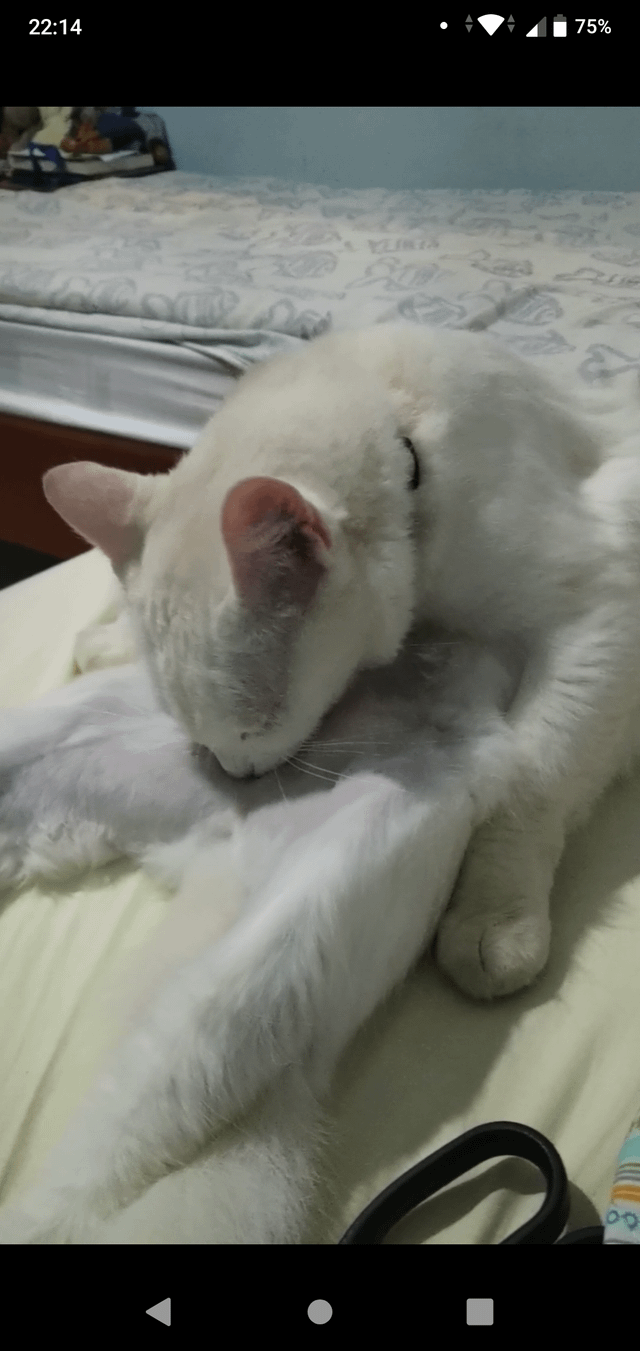
Have you ever caught your cat licking his toy and wondered why? It’s a strange habit that might leave you curious or even a bit puzzled.
You might ask yourself, is it normal? Is your cat trying to tell you something? Understanding this behavior can help you connect better with your furry friend and keep him happy. Keep reading to discover the surprising reasons behind your cat’s toy-licking and what it means for your pet’s well-being.
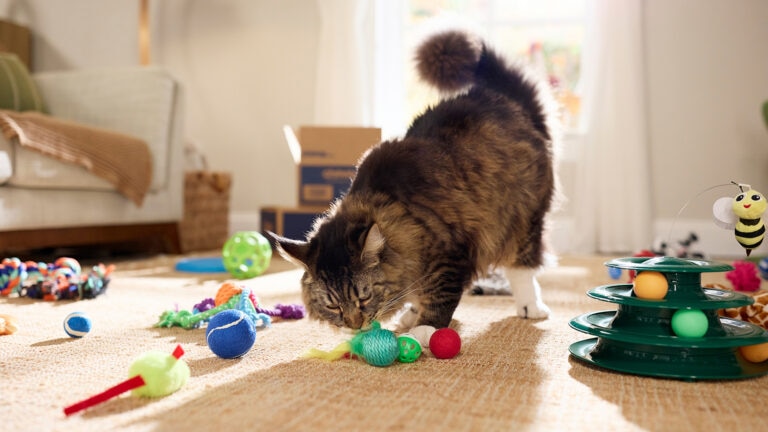
Credit: www.chewy.com
Cat Behavior And Toy Interaction
Understanding why your cat licks his toy can reveal a lot about his natural behaviors and emotional state. Cats interact with their toys in ways that reflect instincts, sensory needs, and feelings of comfort. Watching your cat closely during playtime can help you see beyond the surface actions and appreciate the deeper reasons behind those affectionate licks.
Natural Instincts At Play
Cats are hunters by nature, and their toys often mimic prey. Licking a toy simulates the behavior of capturing and “cleaning” their catch.
This action is a part of their instinct to prepare food or show ownership over a prize. If your cat licks and carries his toy around, he’s practicing skills he’d use in the wild.
Sensory Exploration
Your cat uses his tongue to gather information about objects, much like humans use their hands. Licking helps him learn the texture, taste, and even the scent of the toy.
Some toys may have catnip or other scents that encourage licking. Notice if your cat focuses more on toys with unique smells or materials—it’s his way of exploring and enjoying new sensations.
Comfort And Security
Licking can be soothing for cats, similar to how some people bite their nails when anxious. When your cat licks his toy, he might be seeking comfort or calming himself.
This behavior often appears in cats who treat their toys like companions. If your cat seems stressed or lonely, providing a special toy to lick and cuddle can create a sense of security.

Credit: www.reddit.com
Emotional Connections To Toys
Understanding why your cat licks his toy can reveal a lot about his emotional state. Cats don’t just play for fun; their toys often become sources of comfort and emotional support. These objects can help them manage feelings and create a sense of security in their environment.
Stress Relief And Anxiety
Licking toys can act as a calming behavior for cats when they feel stressed or anxious. You might notice your cat licking a toy after loud noises or changes in the household. This simple action helps them focus and reduces their nervous energy.
Think about a time when you chewed gum or fiddled with something to calm down. Your cat’s licking is similar—an instinctive way to soothe themselves. If your cat frequently licks toys during tense moments, it’s a sign they use this habit to feel safer.
Attachment And Familiarity
Cats form attachments to certain objects just like they do with people. A toy that smells like them or their favorite person can become a source of comfort. Licking helps reinforce this attachment and makes the toy feel familiar and safe.
You might have seen your cat carry a favorite toy around or gently lick it after you leave the room. This behavior shows how much they treasure the object, almost like a security blanket. It’s their way of holding on to something comforting when they feel alone.
Play As Emotional Outlet
Licking toys is also part of how cats express their emotions during play. It’s not just about hunting instincts but about releasing pent-up energy and feelings. When your cat licks a toy after chasing or batting it, they are enjoying a full emotional experience.
Observe your cat’s body language—licking combined with purring or relaxed posture means they’re emotionally satisfied. This simple action helps them decompress and stay mentally healthy. How often do you see your cat licking toys after a good play session?
Health And Physical Factors
Cats licking their toys can be linked to various health factors. Understanding these reasons can help address your cat’s needs. It can ensure their happiness and well-being. Let’s dive into the health and physical factors that might be influencing this behavior.
Oral Sensory Needs
Cats explore the world using their mouths. Licking offers sensory feedback. It helps them understand textures and tastes. This behavior might be soothing. It can provide comfort, similar to a child with a pacifier. Licking toys might fulfill this sensory requirement.
Teething And Dental Health
Kittens experience teething. Their gums may feel itchy or sore. Licking or chewing toys can relieve this discomfort. Adult cats can also have dental issues. Gum pain might make them seek relief by licking toys. Ensuring proper dental care is vital. It can prevent and address potential problems.
Possible Medical Issues
Persistent licking might indicate health problems. Cats with oral infections or tooth decay could lick more. It’s their way of coping with pain. Allergies can also cause excessive licking. If this behavior is new, consult your vet. Early detection of medical issues is crucial for your cat’s health.

Credit: www.discovermagazine.com
Environmental Influences
Environmental factors shape a cat’s behavior toward its toys. Cats use licking as a way to interact with their surroundings. This behavior helps them feel safe and comfortable. Their environment influences how often and why they lick their toys. Understanding these influences can help owners support their pets better.
Scent Marking And Territory
Cats have scent glands in their mouths. Licking toys spreads their scent on these objects. This marks the toy as part of their territory. It helps cats feel secure in their space. Marking also signals ownership to other pets around.
Owner’s Role And Interaction
Owners affect how cats behave with toys. Playing together builds trust and connection. Cats may lick toys to get attention or show affection. Regular interaction encourages positive and playful licking habits. Ignoring this behavior might make cats seek other ways to engage.
Toy Material And Texture
The toy’s material impacts a cat’s licking habits. Soft or fuzzy toys invite more licking. Rough or plastic toys might be less appealing. Some cats prefer toys that feel like prey. Texture influences how much a cat enjoys licking and chewing.
When To Be Concerned
Noticing your cat licking his toy can be cute and harmless, but sometimes it signals a deeper issue. Knowing when to be concerned helps you protect your cat’s health and happiness. Let’s look at how to spot troubling signs before they escalate.
Signs Of Excessive Licking
Excessive licking means your cat is licking the toy much more than usual or for longer periods. If your cat licks the toy several times a day for extended sessions, it might be a red flag.
Look out for physical signs like redness, swelling, or irritation on your cat’s tongue or mouth. These can result from constant friction against the toy.
Also, if your cat seems unable to stop licking even when distracted, this behavior could be compulsive rather than playful.
Behavioral Changes To Watch
Changes in behavior can tell you a lot about your cat’s wellbeing. If your cat suddenly becomes more withdrawn or irritable after licking the toy, it’s time to pay attention.
Does your cat neglect eating, grooming, or playing with other toys? These shifts may indicate stress or discomfort related to the licking habit.
Watch if your cat starts hiding or shows signs of anxiety. These behavioral changes can signal underlying issues that need addressing.
Seeking Veterinary Advice
If you notice any of the signs above, it’s wise to consult a veterinarian. A vet can check for oral problems, allergies, or behavioral disorders that might cause excessive licking.
Be ready to share details like how often and how long your cat licks the toy, and any other symptoms you’ve observed. This information helps the vet diagnose the problem accurately.
Early intervention can prevent complications and improve your cat’s quality of life. Don’t hesitate to seek professional advice if you’re unsure.
Encouraging Healthy Play
Encouraging healthy play helps cats stay active and happy. Playtime is important for their physical and mental health. It also strengthens the bond between you and your cat. Healthy play stops boredom and reduces stress. It keeps your cat curious and engaged with its environment.
Choosing The Right Toys
Select toys that match your cat’s age and energy level. Soft toys, balls, and feather wands are popular choices. Toys with different textures keep cats interested. Avoid toys that can break easily or have small parts. Safe toys encourage your cat to explore and play longer.
Interactive Play Tips
Spend time playing with your cat daily. Use toys that move, like laser pointers or fishing rods. Move toys slowly to mimic prey animals. Let your cat catch the toy sometimes for fun. Interactive play helps your cat exercise and use its hunting skills.
Balancing Stimulation And Rest
Mix active play with quiet time. Cats need breaks to avoid stress or tiredness. Watch your cat’s behavior to know when to stop. A calm space helps your cat relax after play. Balance keeps your cat healthy and content.
Frequently Asked Questions
Why Does My Cat Lick His Toy Repeatedly?
Cats lick toys to explore textures and mimic grooming behavior. This action comforts them and satisfies natural instincts like hunting and playing. Licking toys also marks objects with their scent, making the environment feel safer and more familiar to your cat.
Is It Normal For Cats To Lick Their Toys?
Yes, it’s normal for cats to lick toys. Licking helps cats engage with their playthings and provides sensory stimulation. It also relieves stress and boredom. This behavior shows your cat feels comfortable and content during playtime.
Can Licking Toys Indicate Health Issues In Cats?
Excessive licking of toys might signal stress or dental problems. If licking becomes obsessive or causes injury, consult a vet. Otherwise, occasional licking is typical and harmless, reflecting natural feline behavior and curiosity.
Does Licking Toys Help Cats Relieve Stress?
Yes, licking toys can reduce stress in cats. The repetitive action calms them and mimics self-grooming, which releases endorphins. Providing toys encourages healthy coping mechanisms and helps prevent anxiety or destructive behavior.
Conclusion
Cats lick their toys for many reasons. It can show comfort, play, or curiosity. This behavior helps cats explore and feel safe. Watching your cat lick toys can be quite normal. Always give your cat clean and safe toys to enjoy.
Understanding this helps you bond better with your pet. Keep observing your cat’s habits to know them well. Loving your cat means noticing small actions like this. Each lick tells a little story about your furry friend.



Leave a Reply