Have you noticed your cat licking or biting her back legs more than usual? It can be worrying to see your furry friend constantly grooming those spots.
Over grooming isn’t just a quirky habit—it could be a sign that something is bothering her. Understanding why your cat is over grooming her back legs can help you keep her happy and healthy. Keep reading to discover the common reasons behind this behavior and what you can do to help your cat feel better.

Credit: www.reddit.com
Signs Of Over Grooming
Over grooming in cats means they lick or chew their fur too much. This behavior can damage their skin and fur. Recognizing signs of over grooming helps catch problems early. These signs include changes in behavior and physical symptoms. Watch your cat closely to spot these clues.
Common Behaviors
- Excessive licking or chewing of back legs
- Repeated biting at the same area
- Restlessness or anxiety during grooming
- Hiding or avoiding playtime
- Constant grooming even after fur looks clean
Physical Symptoms
- Redness or irritation on back legs
- Hair loss or bald patches
- Scabs, sores, or crusty skin
- Swelling or thickened skin
- Dry or flaky skin around groomed spots
Possible Causes
Cats may over groom their back legs for several reasons. This behavior often signals an underlying problem. Identifying the cause helps find the right solution. Over grooming can lead to hair loss and skin damage. Understanding these causes keeps your cat healthy and comfortable.
Allergies And Skin Irritations
Allergies can make a cat’s skin itchy and sore. Common triggers include food, pollen, and dust mites. Cats scratch and lick to relieve irritation. Skin irritations from chemicals or shampoos also cause discomfort. Over grooming tries to ease the itching sensation.
Parasites And Infections
Fleas, mites, and ticks often cause intense itching. Parasites hide in fur, making cats restless. Bacterial or fungal infections can worsen skin problems. These infections lead to redness and pain. Grooming increases as a response to these irritations.
Stress And Anxiety
Stress makes cats lick or chew their fur excessively. Changes in environment or routine can trigger anxiety. Over grooming becomes a coping mechanism to calm nerves. This behavior is similar to nail biting in humans. Recognizing stress helps reduce this habit.
Pain Or Discomfort
Injuries or arthritis can cause cats to focus on one area. Grooming that spot is a way to soothe pain. Muscle strain or joint issues can lead to this behavior. Over grooming signals your cat might be hurting. A vet visit can uncover hidden pain.
Environmental Factors
Dry air and harsh weather affect a cat’s skin. Lack of humidity can cause dryness and itching. Certain cleaning products or fabrics irritate sensitive skin. Outdoor cats face more exposure to irritants. Adjusting the environment can reduce over grooming.
When To See A Vet
When your cat starts over-grooming her back legs, it’s time to observe closely. This behavior might seem harmless, but it could indicate underlying health issues. Not all cases require a vet visit, but knowing when to seek professional help is crucial. Understanding your cat’s grooming habits can prevent further complications. Let’s delve into when you should consult a veterinarian.
Identifying Serious Issues
Frequent grooming that leads to hair loss needs attention. Red or swollen skin is another warning sign. Your cat may be in pain if she licks excessively. Check for any cuts or wounds on the legs. If your cat seems distressed or anxious, it could be serious. Behavioral changes often hint at health problems.
Diagnostic Tests
A vet may perform various tests to diagnose the issue. Skin scrapings can reveal parasites or infections. Blood tests can identify allergies or systemic problems. The vet might suggest an allergy test for precise results. In some cases, imaging tests like X-rays help rule out injuries. Accurate diagnosis ensures effective treatment.

Credit: www.reddit.com
Treatment Options
Finding out why your cat is over grooming her back legs is just the beginning. Knowing how to treat this behavior can make a big difference in her comfort and health. Treatment options vary depending on the root cause, so it’s important to explore different approaches to help your furry friend feel better.
Medications And Topical Treatments
Your vet might suggest medications if your cat’s over grooming is caused by allergies, infections, or parasites. Anti-inflammatory drugs or antihistamines can reduce itching and swelling quickly.
Topical treatments like medicated shampoos or creams can soothe irritated skin and prevent infection. Applying these consistently can stop the cycle of over grooming before it worsens.
Diet And Nutrition Changes
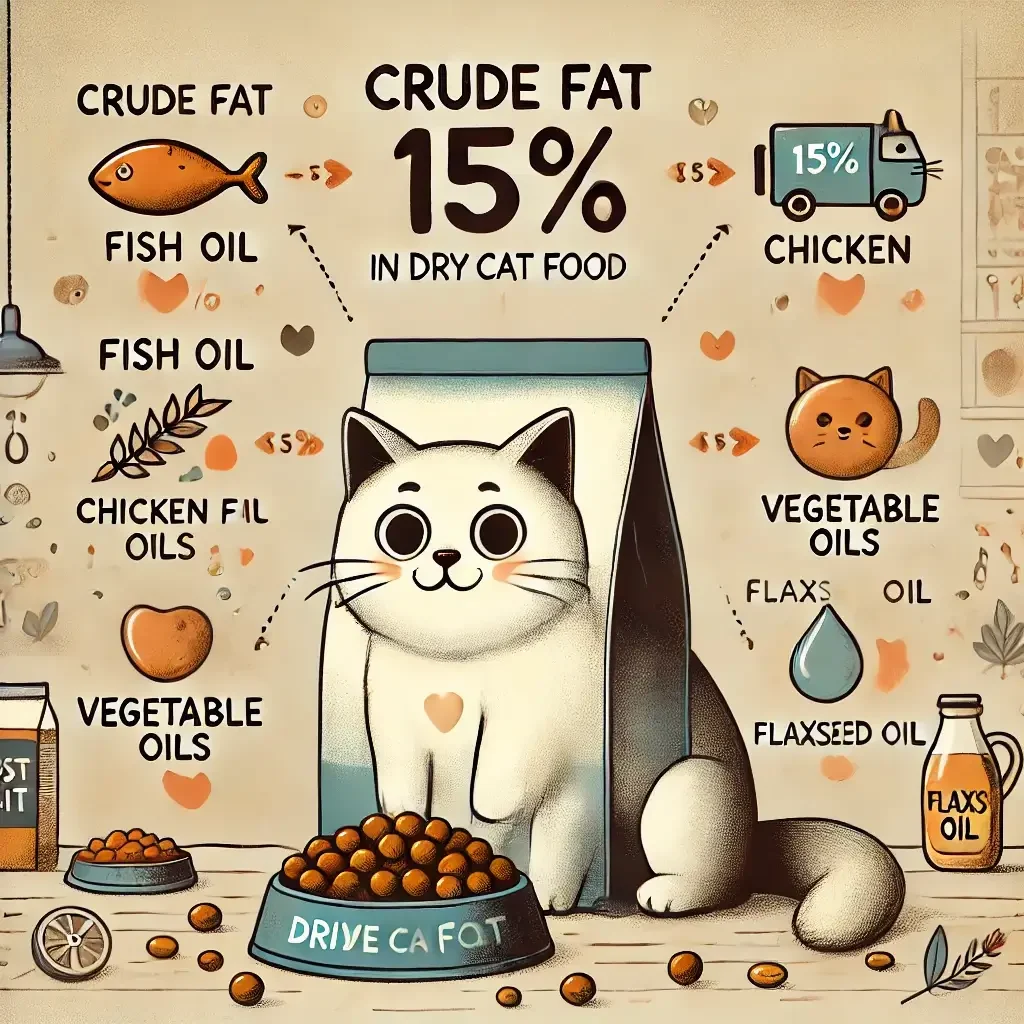
Sometimes, food allergies or nutritional deficiencies trigger excessive grooming. Switching to a hypoallergenic diet or adding supplements like omega-3 fatty acids can improve skin health and reduce itchiness.
Have you noticed if your cat’s symptoms flare up after eating certain foods? Keeping a food diary can help identify problem ingredients that need to be removed.
Behavioral Therapy
Over grooming can be a response to stress or anxiety. Behavioral therapy, including play therapy and positive reinforcement, can redirect your cat’s focus away from grooming.
Providing plenty of interactive toys and daily playtime helps burn off nervous energy. Sometimes, just changing your cat’s routine can ease anxiety and reduce over grooming.
Environmental Adjustments
Look around your cat’s environment for possible stress triggers like loud noises or lack of hiding spots. Creating a calm, secure space with cozy beds and quiet corners can help her feel safe.
Adding scratching posts and climbing trees also gives your cat healthy outlets for her energy. Small changes in her surroundings might be the key to stopping the over grooming habit.
Preventing Over Grooming
Preventing over grooming in cats requires careful attention to their health and environment. Over grooming can cause skin damage and discomfort. Taking steps to stop this behavior helps keep your cat happy and healthy.
Regular Vet Checkups
Frequent vet visits detect underlying health problems early. Skin infections, allergies, or parasites can cause over grooming. A vet can recommend treatments or medications to ease discomfort. Regular checkups ensure your cat stays in good condition.
Stress Reduction Techniques
Stress often triggers over grooming in cats. Create a calm and safe space for your pet. Use calming pheromone diffusers or sprays to soothe nerves. Provide toys and activities to keep your cat entertained. Spending quiet time together strengthens your bond.
Proper Grooming Practices
Help your cat with grooming to reduce irritation. Brush fur gently to remove loose hair and dirt. Trim nails carefully to prevent scratching injuries. Check skin regularly for signs of redness or sores. Consistent grooming promotes comfort and reduces over grooming urges.

Credit: www.reddit.com
Frequently Asked Questions
Why Is My Cat Over Grooming Her Back Legs?
Cats over groom their back legs due to stress, allergies, or skin irritation. It can also indicate fleas or underlying medical issues. Observing behavior and consulting a vet helps identify the cause and provide proper treatment.
Can Allergies Cause Over Grooming In Cats?
Yes, allergies often trigger over grooming in cats. Food, pollen, or flea bites can irritate their skin. Allergic reactions cause itching, leading cats to lick or bite their back legs excessively.
How To Stop My Cat From Over Grooming?
To stop over grooming, identify the cause first. Provide flea control, reduce stress, and treat allergies or infections. Consult your vet for proper diagnosis and medication to help your cat feel comfortable.
When Should I See A Vet For Over Grooming?
Visit a vet if over grooming causes hair loss, wounds, or swelling. Persistent licking can lead to infections. Early vet intervention prevents complications and ensures your cat’s health and comfort.
Conclusion
Cats groom to stay clean, but too much can signal a problem. Over grooming on the back legs may show stress, allergies, or pain. Watch your cat’s behavior and skin closely for changes. A vet visit can find the cause and help your cat feel better.
Early care prevents serious issues and keeps your cat happy. Stay patient and gentle with your furry friend. Your cat needs love and care to stop over grooming.

Leave a Reply