Have you ever watched your cat suddenly start grooming himself with intense focus and wondered, “Why does my cat fiercely groom himself like that?” It’s more than just a cute habit—this behavior can tell you a lot about your furry friend’s health and emotions.
If you want to understand what’s really behind those fast, sometimes frantic licking sessions, keep reading. Unlocking the secrets of your cat’s grooming habits can help you keep him happy and healthy. Let’s dive into what makes your cat groom so fiercely and what it means for you both.
Credit: www.burgesspetcare.com
Cat Grooming Behavior
Cats spend a lot of time grooming themselves. This behavior might look simple, but it is very important for their health and happiness. Grooming is not just about keeping clean. It helps cats feel calm and safe. Understanding why your cat grooms fiercely can tell you a lot about their mood and health.
Normal Grooming Patterns
Cats usually groom several times a day. Each session can last from a few minutes to half an hour. They lick their fur, paws, and even their face. Grooming follows a pattern: front paws, head, neck, body, and tail. This routine helps remove dirt and loose hair. Cats also use grooming to cool down on hot days.
Purpose Of Grooming
Grooming helps cats stay clean and healthy. It removes dirt, parasites, and dead skin. It also spreads natural oils on their fur, making it soft and shiny. Grooming can reduce stress and anxiety in cats. It works like a calming ritual. Sometimes, cats groom themselves fiercely if they feel nervous or uncomfortable. This behavior shows their way to cope with stress.
Signs Of Excessive Grooming
Recognizing the signs of excessive grooming in your cat is crucial for their well-being. Cats naturally groom themselves to stay clean, but when the behavior becomes intense or frequent, it can signal underlying issues. Paying attention to these signs helps you decide when to seek veterinary advice.
Physical Indicators
One of the clearest signs of excessive grooming is visible damage to your cat’s fur and skin. You might notice bald patches, redness, or sores where your cat licks repeatedly. Sometimes the fur appears matted or uneven because your cat focuses on certain spots.
Watch for scabs or wounds that don’t heal well. These can result from constant licking or scratching, causing discomfort or infection. If your cat’s skin looks irritated or inflamed, it’s a strong indication that grooming has crossed a healthy limit.
Behavioral Changes
Excessive grooming often comes with changes in your cat’s normal behavior. Your cat might seem restless or anxious, spending more time licking instead of playing or interacting with you. Have you noticed your cat isolating itself or acting differently after grooming sessions?
Sometimes, excessive grooming is a coping mechanism for stress or boredom. If your cat suddenly develops this habit, think about recent changes in their environment or routine. Identifying these triggers can help you address the root cause before the behavior worsens.
Common Causes Of Fierce Grooming
Cats may groom fiercely due to stress, allergies, or skin infections. Sometimes, parasites or pain cause them to lick excessively. This behavior often signals discomfort or anxiety needing attention.
Cats often groom themselves fiercely for various reasons. Understanding these reasons can help you address any issues. Fierce grooming can indicate underlying health or emotional problems. Let’s explore some common causes.Skin Irritations And Allergies
Cats can suffer from skin irritations. These can lead to excessive grooming. Allergies to food, pollen, or chemicals might irritate their skin. Check your cat’s skin for redness or rashes. If you notice anything unusual, consult your vet. They may recommend allergy tests.Parasites And Fleas
Fleas are a common cause of fierce grooming. Cats groom to relieve itching from flea bites. Check your cat’s fur for fleas or flea dirt. A vet can suggest effective flea treatments. Regular flea prevention is crucial. It keeps your cat comfortable and healthy.Stress And Anxiety
Stress can lead to excessive grooming. Cats may groom to cope with anxiety. Changes in the home can cause stress. New pets or moving can trigger anxiety. Provide a calm environment for your cat. Toys and playtime can reduce stress levels.Health Issues Linked To Over-grooming
Over-grooming in cats can signal deeper health problems. Cats that lick or bite themselves too much might suffer from medical issues. This behavior can lead to serious skin and fur problems. Understanding these health risks helps pet owners act quickly.
Infections And Hot Spots
Excessive grooming can cause small wounds on the skin. These wounds may get infected by bacteria or fungi. Infections cause redness, swelling, and pain. Hot spots, or moist irritated areas, form from constant licking. They grow quickly and are very uncomfortable for cats.
Hair Loss And Skin Damage
Over-grooming often leads to noticeable hair loss. Bald patches appear where the cat licks most. The skin under these spots can become raw and damaged. Constant biting worsens skin irritation. This damage increases the risk of further infections.
Environmental Factors Affecting Grooming
Environmental factors play a significant role in how your cat grooms itself. Changes around your home or what your cat eats can influence grooming behavior, sometimes causing your feline friend to groom more intensely. Understanding these factors can help you spot if your cat is uncomfortable or stressed and guide you to make helpful adjustments.
Changes In Home Environment
Have you noticed your cat suddenly grooming more after moving furniture or bringing in new pets? Cats are sensitive to changes in their surroundings. Even subtle shifts like new scents, noises, or visitors can make them anxious, leading to excessive grooming as a way to self-soothe.
Think about your cat’s daily routine and environment. Are there loud sounds from construction or a new vacuum cleaner? These can trigger stress responses. Try to provide quiet spaces and familiar bedding to help your cat feel secure.
Diet And Nutrition Impact
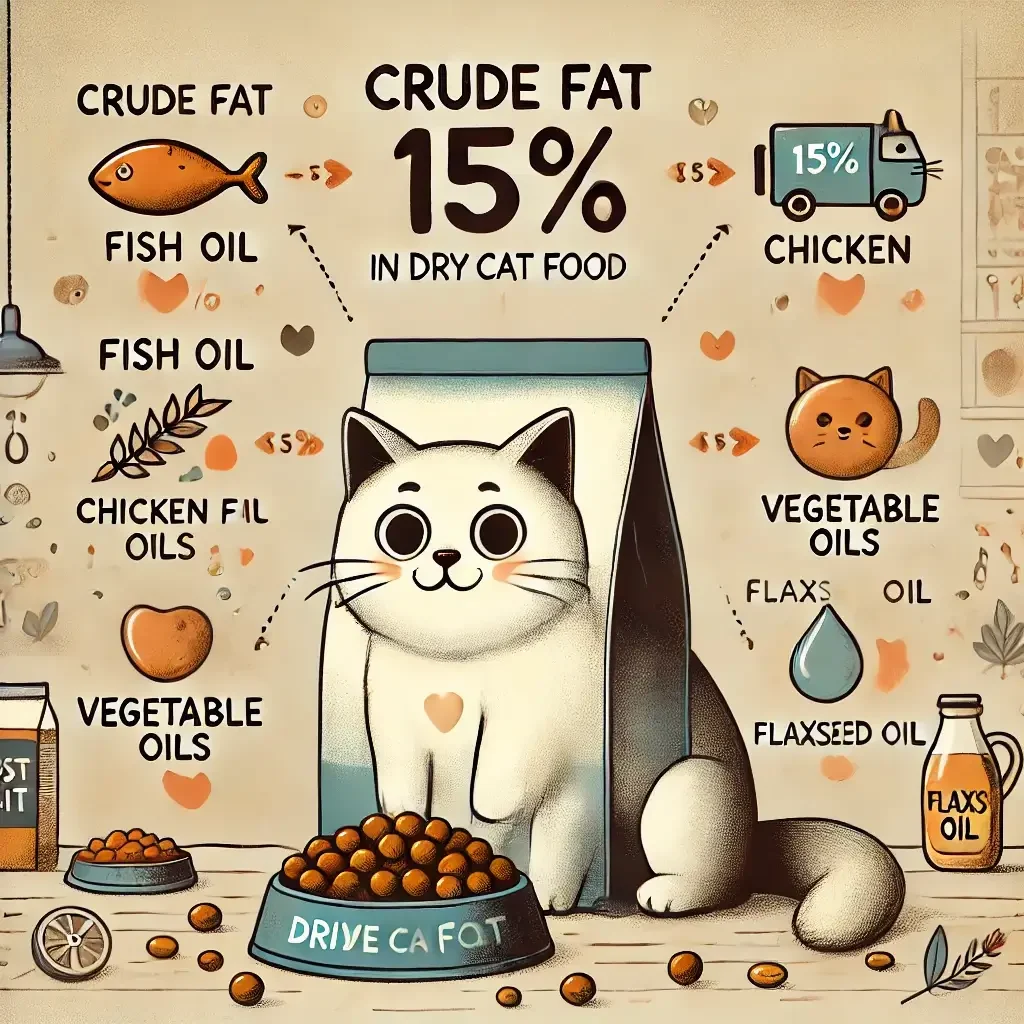
Your cat’s diet directly affects its skin and coat health, which in turn influences grooming habits. A lack of essential fatty acids or vitamins can cause dry, itchy skin, prompting your cat to groom more aggressively to find relief.
Consider the quality of the food you provide. Have you recently switched brands or types? Sometimes, even small changes in diet can cause skin reactions. Adding supplements or consulting your vet about nutrition might reduce excessive grooming and improve your cat’s comfort.

Credit: www.reddit.com
When To Seek Veterinary Help
Excessive grooming in cats can sometimes signal health problems. Knowing when to seek veterinary help is crucial for your cat’s well-being. Early attention can prevent more serious issues. Pay close attention to your cat’s behavior and physical changes.
Identifying Serious Symptoms
Watch for bald patches or raw skin. Notice if your cat is licking or biting constantly. Check for redness, swelling, or sores. Look out for unusual hair loss patterns. Observe any changes in appetite or mood. Severe itching or restlessness may also indicate trouble. Sudden weight loss or lethargy can accompany skin problems.
Diagnostic Tests
Veterinarians use several tests to find the cause of over-grooming. Skin scrapings help detect parasites like mites. Blood tests check for allergies or infections. Allergy testing identifies environmental or food triggers. Sometimes, a biopsy of the skin is necessary. These tests guide proper treatment and care.
Treatment Options
Dealing with a cat that grooms itself fiercely can be worrying. Understanding the treatment options helps you decide the best way to support your furry friend. Whether the cause is medical, behavioral, or environmental, you have several paths to explore.
Medical Interventions
Sometimes, intense grooming signals an underlying health problem. A vet visit is essential to rule out allergies, skin infections, or parasites like fleas.
Medications such as antihistamines or anti-inflammatory drugs can reduce itching and discomfort. In some cases, special shampoos or topical treatments help soothe irritated skin.
Have you noticed your cat licking a specific area more than others? This could guide your vet toward a more precise diagnosis and treatment plan.
Behavioral Therapy
Stress and anxiety often cause cats to groom excessively. Identifying triggers like changes in the household or lack of stimulation is the first step.
Increasing playtime and providing interactive toys can redirect your cat’s energy. Creating a calm, predictable environment reduces anxiety-driven grooming.
Behavioral therapy might include gentle training or environmental enrichment. Have you tried puzzle feeders or cozy hiding spots to keep your cat mentally engaged?
Home Remedies
Simple changes at home can make a big difference. Regular brushing helps remove loose fur and reduces the urge to over-groom.
Adding omega-3 supplements to your cat’s diet supports healthy skin and fur. Natural remedies like aloe vera gel (approved by your vet) can soothe irritated spots.
Keep your cat’s living space clean and free of allergens. Have you noticed if certain cleaning products or plants might be irritating your cat’s skin?
Preventing Over-grooming In Cats
Preventing over-grooming in cats is essential for their well-being. Excessive grooming can lead to hair loss, skin irritation, and even infections. Understanding ways to keep your cat mentally and physically balanced helps reduce this behavior effectively.
Environmental Enrichment
Creating a stimulating environment keeps your cat engaged and less likely to focus on grooming excessively. Try adding climbing shelves, scratching posts, and interactive toys to your home. Changing toys regularly or hiding treats can spark your cat’s curiosity and reduce boredom.
Have you noticed how your cat reacts to new play areas or puzzle feeders? These enrichments help release pent-up energy and decrease stress, which often triggers over-grooming. Even simple changes like a sunny window perch or gentle music can make a difference.
Regular Health Checks
Sometimes over-grooming signals an underlying health issue. Regular vet visits catch allergies, parasites, or skin infections early before they worsen. Your vet can also check for pain or discomfort, which might cause your cat to groom more intensely.
Keeping a grooming diary can help you track when and where your cat over-grooms. Sharing this with your vet provides clues for diagnosis and treatment. Don’t hesitate to ask your vet about calming supplements or topical treatments if needed.
Credit: www.newsbreak.com
Frequently Asked Questions
Why Does My Cat Groom So Aggressively?
Cats groom aggressively to remove dirt, parasites, and loose fur. It also helps soothe stress and regulate body temperature. Overgrooming may signal anxiety or skin issues, so monitor behavior closely.
Can Overgrooming Indicate Health Problems?
Yes, overgrooming can indicate allergies, parasites, infections, or pain. It may also point to stress or behavioral issues. Consult a vet if grooming seems excessive or causes hair loss.
How To Stop My Cat From Grooming Too Much?
Identify and treat underlying causes like fleas or allergies. Provide mental stimulation and reduce stress. Use calming products or consult a vet for behavioral advice if needed.
Is Fierce Grooming Harmful To Cats?
Fierce grooming can cause skin irritation, hair loss, and wounds. Persistent overgrooming may worsen health issues. Early intervention helps prevent complications and keeps your cat comfortable.
Conclusion
Cats groom themselves to stay clean and healthy. This behavior also helps them relax and feel safe. Sometimes, they groom more if they feel stressed or itchy. Watching your cat’s grooming habits can tell you a lot. It shows how they feel and if they have any health problems.
Pay attention to changes and talk to a vet if needed. Understanding why your cat grooms fiercely helps you care for them better. A happy cat often means a well-groomed cat. Simple but true.

Leave a Reply