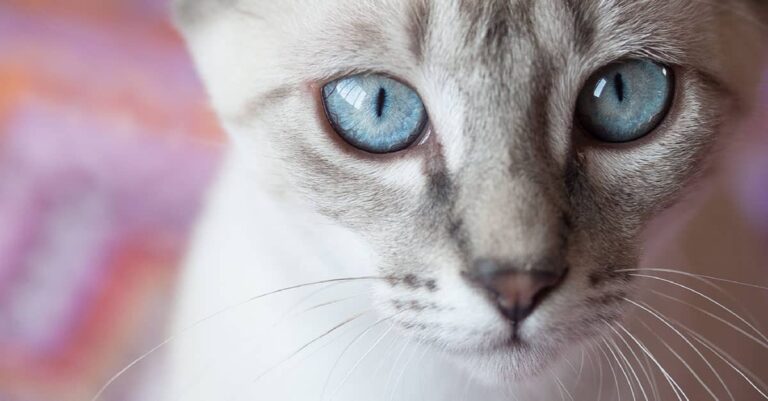
Have you ever wondered if your cat sees the world the same way you do? You might be surprised to learn that not all cats perceive colors in the same way.
Different cat breeds could actually influence how your furry friend experiences the vibrant hues around them. If you want to understand how your cat’s breed affects its color vision—and what that means for your playtime and bonding—keep reading. This insight could change the way you interact with your pet every day.
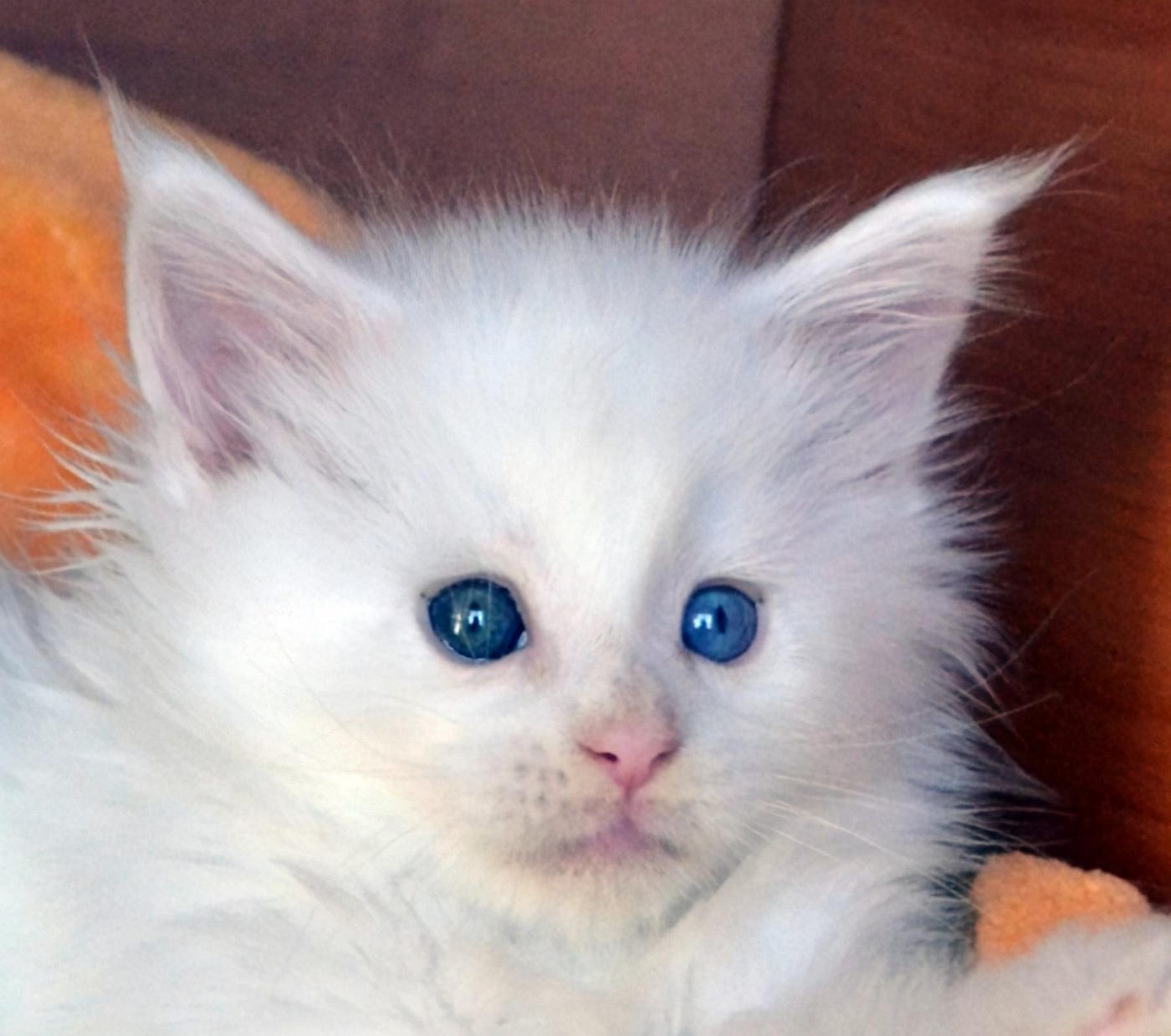
Credit: jennywilsons.medium.com
Cat Vision Basics
Understanding cat vision basics is key if you want to know how different cat breeds might see colors differently. Cats don’t just see the world in a unique way; their vision affects how they interact with everything around them. Let’s look at how your feline friend views their environment and what colors truly stand out to them.
How Cats See The World
Cats have eyes designed for hunting, not for seeing bright, colorful landscapes like humans do. They excel in low-light conditions, thanks to a higher number of rod cells in their retinas. This means your cat can see well in the dark but may struggle with detailed color recognition.
They also have a wider field of view—about 200 degrees compared to our 180—helping them spot movement from the corners of their eyes. This is why your cat often notices that tiny bug you missed. Their vision is sharp when detecting motion, but less sharp when it comes to color and fine details.
Color Perception In Cats
Cats are not completely colorblind, but their color perception is limited compared to humans. They mainly see blues and greens but have trouble distinguishing reds and pinks. This means that bright red toys might not be as exciting visually as blue or green ones.
Different breeds don’t significantly change this color perception because all cats share similar eye structures. However, variations in eye pigmentation can slightly affect light sensitivity. So, while breed doesn’t alter color vision much, it can influence how bright or dim their world looks.
Have you noticed your cat’s preference for certain colored toys or spots in the house? That might reflect their color perception, not just their personality.
Role Of Cat Breeds In Vision
Cat breeds vary in many ways, including their vision capabilities. Breed differences can influence how cats see colors and shapes. Understanding these variations helps explain why some cats might perceive the world differently. Vision traits are often linked to genetics and breed-specific characteristics.
Genetic Differences Across Breeds
Genes control the structure of a cat’s eyes and their color vision. Some breeds carry genetic traits that affect the number and type of photoreceptor cells in the retina. These cells determine how cats detect light and colors. For example, breeds with specific coat patterns or eye colors may have unique genetic markers linked to vision.
Genetic diversity means not all cats see the same range of colors. Some breeds may have better night vision or sharper focus. These differences result from evolutionary adaptations to their environments. The genes inherited from their ancestors shape their visual abilities.
Impact On Visual Abilities
Visual skills vary between breeds due to genetic factors. Some cats have superior motion detection, while others excel in low-light conditions. Color perception is generally limited in cats but can differ slightly by breed.
- Breeds like Siamese often have distinct eye structures affecting color perception.
- Oriental breeds might show variations in rod and cone cells, altering brightness sensitivity.
- Domestic shorthairs usually have average color vision and light sensitivity.
These variations impact how cats hunt, play, and interact with their surroundings. Understanding breed-related vision helps pet owners appreciate their cat’s unique sensory world.
Color Vision Variations
Cats perceive the world in a different light than humans. Their color vision is unique, influenced by their genetics. Various cat breeds might see colors differently. Understanding these variations can shed light on how felines interact with their environment.
Common Colors Cats Detect
Cats generally see a limited color range. They primarily detect blues and greens. Reds and pinks appear more like gray to them. This limited palette is due to fewer color receptors. Compared to humans, cats have fewer cones in their eyes. This affects their ability to perceive vibrant hues.
Breed-specific Color Sensitivity
Some cat breeds might have slight differences in color perception. Siamese cats, for instance, have a unique eye structure. This might influence their color vision. Persian cats may see colors slightly differently due to genetics. Each breed’s eye structure can affect their color sensitivity. While all cats see less color than humans, breed variations exist.
Scientific Studies And Findings
Scientific studies provide valuable insights into how cats perceive colors. Researchers use various tests to understand feline vision and its connection to different breeds. These findings help clarify whether breed differences affect color sight.
Research On Cat Color Vision
Scientists discovered cats see fewer colors than humans. Cats have two types of cone cells in their eyes, unlike humans who have three. This limits their color range mainly to blue and green shades. Studies involve behavioral tests where cats respond to colored lights or objects.
Research shows cats do not see red or orange well. Their vision focuses on detecting movement and shapes instead of vivid colors. Tests confirm cats rely more on brightness and contrast rather than color variety.
Breed Comparisons In Studies
Few studies compare color vision across cat breeds directly. Most research treats cats as a single group without breed differentiation. However, scientists suggest breed differences in eye structure are minimal.
Some breeds have slightly varied retina thickness or eye shape. These changes do not significantly impact color perception. No breed has shown a unique ability to see more colors than others.
Overall, breed does not appear to influence how cats perceive colors. Their vision depends more on species traits than breed variations.
Practical Implications For Owners
Understanding how different cat breeds see colors can help owners make better choices. Cats perceive colors differently from humans, and this varies slightly by breed. Knowing this helps create a more engaging and comfortable environment for your pet.
Choosing Toys And Environments
Choose toys that match your cat’s color vision. Cats often see blues and greens better than reds. Bright red toys might not catch their eye as much.
- Opt for blue or green toys for better visibility.
- Use contrasting colors to make toys stand out.
- Consider textures and sounds to add interest.
Environment colors matter too. Walls and bedding in cooler tones may be easier for cats to notice. Avoid using many red or orange shades in their space.
Enhancing Visual Stimulation
Visual stimulation is vital for your cat’s mental health. Use moving toys in colors cats see well to encourage play. Laser pointers with blue or green light can excite them.
- Rotate toys to keep your cat curious.
- Introduce new objects with visible colors often.
- Provide windows or safe outdoor views for natural sights.
Different breeds might have slight variations in color perception. Tailor visual activities based on your cat’s response. Watch how your cat reacts to colors and adjust accordingly.
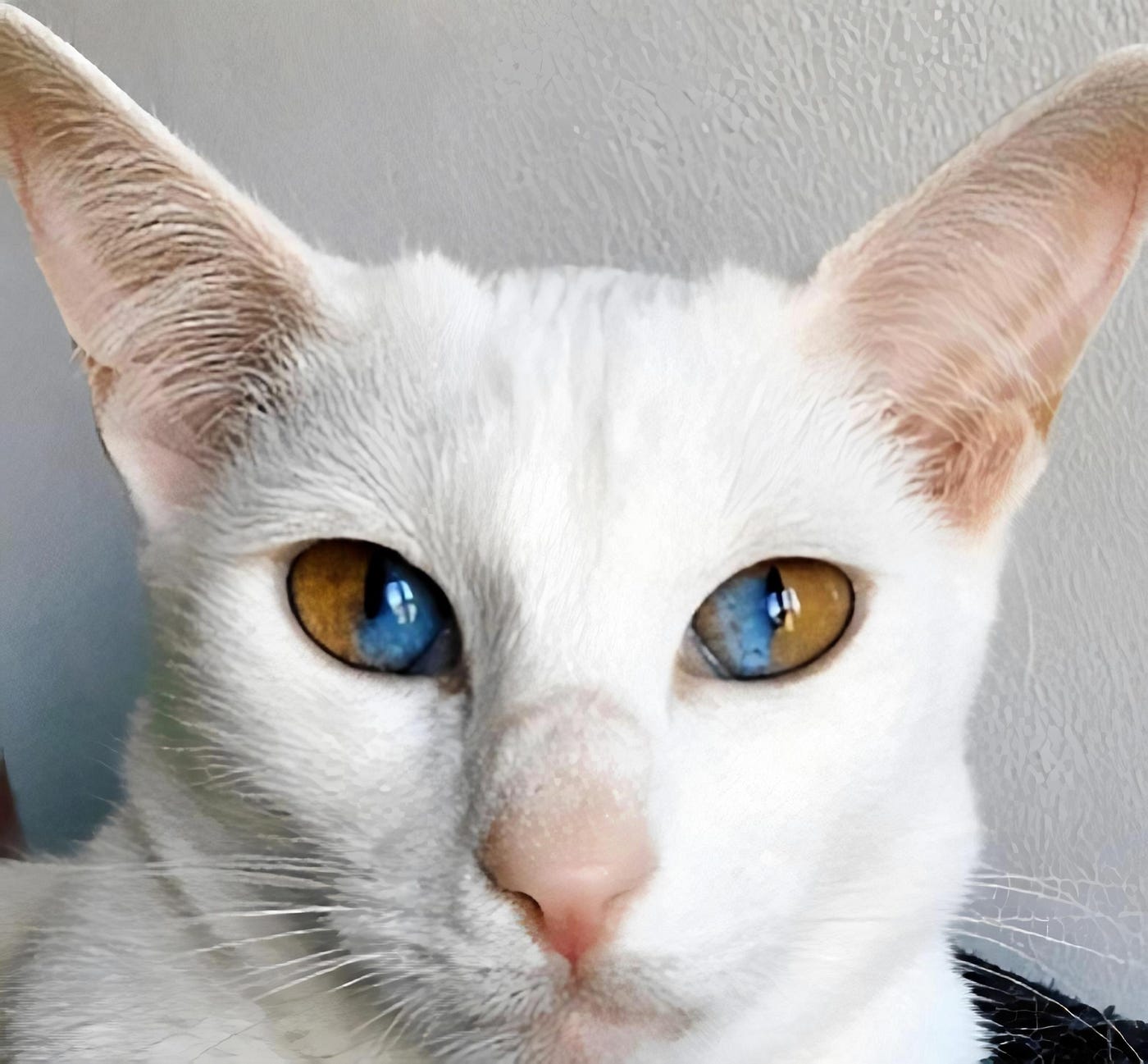
Credit: jennywilsons.medium.com
Myths And Facts About Cat Colors
Understanding cat colors often brings up many myths and facts that can confuse even the most curious cat lover. You might wonder if different cat breeds see colors differently or if their coat colors affect their vision. Sorting through the myths and facts helps you appreciate your feline friend’s unique traits better.
Common Misconceptions
Many people believe that certain cat breeds have better color vision than others. This is not true; all cats generally see colors in similar ways regardless of breed. Another myth is that a cat’s fur color affects how they perceive the world visually. In reality, coat color does not influence their ability to see colors.
Some assume that cats see the world in black and white. While cats do not see colors as vividly as humans, they can distinguish between blues and greens. However, reds and pinks often appear more muted or grayish to them.
Evidence-based Insights
Scientific studies show that cats have fewer color-detecting cells called cones in their eyes compared to humans. This means their color vision is limited but not absent. Cats primarily rely on motion and brightness rather than color to understand their environment.
Breed differences in vision are minimal and not linked to fur color or pattern. Instead, variations in vision are more likely due to individual health or age. So, your Siamese or Maine Coon will see the world similarly when it comes to color perception.
Have you noticed your cat reacting more to a moving toy than a colorful one? This behavior supports the fact that motion catches their attention more than vibrant hues. Understanding these insights can help you choose toys and environments that truly engage your cat.

Credit: jennywilsons.medium.com
Frequently Asked Questions
Do Different Cat Breeds See Colors Differently?
No, all cat breeds have similar color vision. Their eyes detect fewer colors than humans, mainly blues and greens. Breed does not impact how cats perceive colors.
Can A Cat’s Breed Affect Its Vision Quality?
Vision quality varies more by age and health than breed. Some breeds may have genetic eye issues, but color perception remains consistent across breeds.
Which Colors Do Cats See Best?
Cats see blues and greens best. They struggle to distinguish reds and oranges. Their vision is adapted for low light and motion detection.
Does Breed Influence A Cat’s Night Vision?
No, night vision depends on eye structure, not breed. All cats have excellent night vision due to their tapetum lucidum layer.
Conclusion
Cat breeds do not change how they see colors. All cats have similar color vision. They mainly see blues and greens, but not reds. Their eyes work the same, no matter the breed. Color differences in cats come from their environment, not genetics.
Understanding this helps us appreciate how cats view the world. It also clears up common myths about cat breeds and sight. Remember, your cat’s breed won’t affect what colors it sees.

Leave a Reply