Have you ever noticed your cat walking into a room, dropping a toy at your feet, and then just leaving? It might seem like a small, strange act, but there’s actually a lot going on behind this simple behavior.
Understanding why your cat does this can help you connect with them on a deeper level and make your bond even stronger. Keep reading, and you’ll discover the surprising reasons behind this quirky habit—and what it means for your relationship with your furry friend.
Cats And Their Toy Habits
Cats have unique ways of playing with their toys, and understanding these habits can help you connect better with your furry friend. Watching a cat walk in with a toy only to drop it and leave might seem puzzling. However, this behavior reveals a lot about how cats interact with their environment and what they expect from their playtime.
Common Play Behaviors
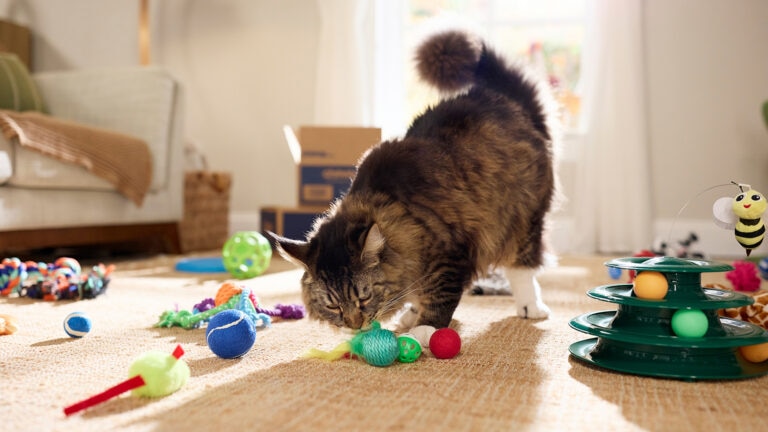
Cats often bring toys to you as a form of sharing or showing off their “catch.” They might drop the toy at your feet to invite you to join the game, or simply to show they are proud of their find. Sometimes, they leave the toy and walk away because their interest has shifted or they are testing your reaction.
Other common behaviors include:
- Batting toys around to simulate hunting
- Stalking and pouncing on moving objects
- Carrying toys in their mouths to different spots
- Occasionally ignoring toys after initial excitement
Have you noticed your cat’s toy habits change depending on their mood? These patterns can tell you a lot about their current state and preferences.
How Cats Choose Toys
Cats are selective about their toys, often choosing items that mimic prey or stimulate their senses. Texture, size, and movement matter a lot to them. A small, soft toy that they can easily carry might become a favorite, while noisy or overly large toys might be ignored.
Your cat might prefer toys that:
- Move unpredictably, like feather wands or laser pointers
- Have interesting textures, such as crinkly fabric or soft fur
- Can be tossed around or carried in their mouths
Try observing which toys your cat returns to most often. This can help you pick new toys that match their preferences and keep them engaged longer. Have you ever noticed your cat favoring a toy that you thought was ordinary? It’s a clue to their unique personality and instincts.
Bringing Toys Indoors
Have you ever noticed your cat walking inside with a toy and then just dropping it before leaving again? This curious behavior might seem puzzling, but it actually reveals a lot about your cat’s instincts and how they view their environment. Bringing toys indoors is more than just play—it’s a way your cat interacts with you and their space.
Instincts Behind Toy Carrying
Your cat’s urge to carry toys inside is deeply rooted in their hunting instincts. Even though your cat is domesticated, they still see toys as prey—something to catch and bring back to a safe spot.
Think about how cats in the wild bring captured animals back to their den. Your kitty is acting on the same impulse, treating toys like valuable catches. It’s a sign they trust you enough to share their “prey” with you.
Territorial Marking
Dropping toys indoors can also be your cat’s way of marking territory. Cats have scent glands in their paws and mouths, so when they drop a toy, they leave their unique scent behind.
This scent marking tells other cats (and even you) that this is their space. It’s a subtle way for your cat to say, “This is mine.” Have you ever noticed your cat dropping toys in a specific spot? That’s no accident.
Why Cats Drop Toys And Leave
Cats often carry toys in their mouths and drop them before walking away. This curious behavior can puzzle many cat owners. Understanding why cats drop toys and leave helps deepen the bond with your pet. It shows how cats communicate and interact with their environment and owners.
Seeking Attention
Cats may drop toys to get your attention. They want you to notice and play with them. This is their way of saying, “Look at me!” Cats enjoy interaction and feel happy when you respond. Dropping a toy invites you to join their game or spend time together.
Offering Gifts To Owners
Sometimes cats bring toys as gifts. This behavior comes from their hunting instincts. They see you as part of their family and share their “catch.” It is a sign of love and trust. Dropping the toy and leaving shows they expect you to appreciate their gift.
Testing Your Reaction
Cats often test how you react to their actions. Dropping a toy and walking away checks if you will chase or play. It helps them learn about your behavior. This play-testing strengthens the bond and makes your cat feel safe and understood.
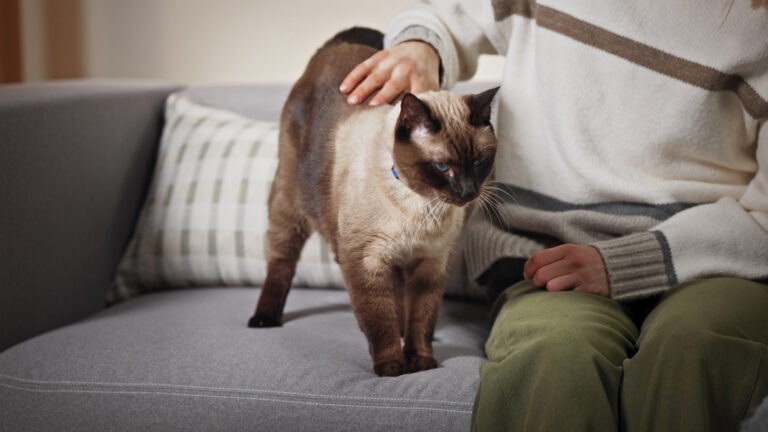
Credit: www.chewy.com
Emotional Signals In Toy Play
Cats bring toys to show affection or to invite play. Dropping a toy then leaving often means they want you to join. This behavior signals trust and a desire for attention.
Cats are mysterious creatures, often leaving us puzzled by their quirky behaviors. One such behavior is when your cat walks in with a toy, drops it, and leaves. This act isn’t just a random play; it carries deep emotional signals. Understanding these signals can help you connect better with your feline friend.Comfort And Security
When a cat brings a toy and drops it at your feet, it might be seeking comfort and security. This behavior is similar to a child clinging to a favorite teddy bear. Your presence provides a safe haven, and the toy acts as a comfort object. Imagine your cat bringing you their favorite plush mouse. It’s their way of sharing a piece of their world with you. This act can signify trust and a desire for closeness.Stress Relief Through Play
Cats often use play as a stress reliever. If your cat is experiencing anxiety, bringing a toy might be their way of inviting you to join in their playtime. This shared activity can help alleviate their stress. Consider the times when your cat seems restless or agitated. Engaging with them in toy play can transform their mood and strengthen your bond. Have you noticed how play can quickly change their demeanor? By observing your cat’s behavior with their toys, you can gain insights into their emotional state. How does your cat use play to communicate with you? Pay attention to these signals, and you might find your relationship with your pet deepening in unexpected ways.Encouraging Positive Play
Encouraging positive play with your cat is key to building a strong bond and keeping your furry friend happy and healthy. When your cat walks in with a toy only to drop it and leave, it’s often a sign they want to engage, but on their terms. Understanding how to guide these playful moments can help you create a more interactive and rewarding experience for both of you.
Choosing The Right Toys
Not all toys excite every cat. Some prefer soft plush toys, while others chase laser pointers or enjoy feather wands. Pay attention to what sparks your cat’s interest—does it prefer toys that mimic prey like mice or birds?
Try offering a variety of toys and watch which ones they pick up and carry around. A toy that your cat drops immediately might be too light, too heavy, or simply uninteresting. You want toys that encourage movement and curiosity.
Think about your cat’s age and energy level too. Kittens often enjoy smaller, fast-moving toys, while older cats might prefer something they can cuddle or bat gently. Have you noticed what type of toy your cat brings to you most often?
Creating A Play Routine
Consistency can transform your cat’s play behavior. Set aside specific times each day for interactive play sessions. Cats thrive on routine and will start anticipating these fun moments.
Use this time to engage with your cat using their favorite toys. This helps them associate playtime with attention and affection. You might find that your cat starts bringing toys to you right before these sessions begin.
Also, keep play sessions short but frequent—around 10 to 15 minutes multiple times a day. This prevents overstimulation and keeps your cat eager for the next round. What time of day does your cat seem most playful?

Credit: www.chewy.com
When Toy Behavior Indicates A Problem
Sometimes, a cat’s toy behavior hints at deeper issues. Playing and dropping toys might seem normal. Yet, changes or repeated actions can signal trouble. Watching closely helps spot these signs early. Understanding when toy habits suggest a problem can protect your cat’s health and happiness.
Signs Of Anxiety Or Boredom
Cats may carry and drop toys out of stress or boredom. Look for these signs:
- Excessive toy dropping without play
- Restlessness or pacing around the house
- Sudden loss of interest in other activities
- Repeated meowing or attention-seeking behavior
- Hiding or avoiding interaction with people
These behaviors suggest your cat needs mental or physical stimulation. Toys alone might not be enough. Try adding new playtimes or interactive toys. A calm environment also helps reduce anxiety.
When To Consult A Vet
Persistent toy dropping can also mean health problems. Check with a vet if your cat shows:
- Changes in eating or drinking habits
- Unusual aggression or withdrawal
- Limping or difficulty moving
- Loss of grooming or coat condition
- Sudden weight changes
These symptoms, along with toy behavior, need professional attention. A vet can rule out pain, neurological issues, or illness. Early diagnosis helps treat problems faster and improves your cat’s quality of life.
Credit: www.chewy.com
Frequently Asked Questions
Why Does My Cat Bring Toys Inside?
Cats bring toys inside as a hunting instinct. They want to share their “catch” with you or keep it safe. This behavior shows affection and trust. It’s a way for cats to engage and bond with their owners.
What Does It Mean When My Cat Drops Toys?
Dropping toys is a cat’s way to get attention. They want you to play or interact with them. It can also be a sign of excitement or a call for companionship. This behavior strengthens the bond between you and your cat.
How Can I Encourage My Cat To Play More?
Use interactive toys like feathers or laser pointers. Play with your cat daily to stimulate their hunting instincts. Praise and reward them when they engage. Regular play keeps cats active, happy, and healthy.
Is It Normal For Cats To Carry Toys Everywhere?
Yes, it is normal. Cats carry toys to mimic hunting and protect their prey. It’s a natural behavior, especially in indoor cats. Carrying toys also provides comfort and entertainment for your feline friend.
Conclusion
Your cat brings a toy to share and play. This shows trust and love between you. Cats like to involve you in their fun. They want your attention and company. Watching this behavior helps you understand your pet better. It builds a stronger bond every day.
Keep encouraging this joyful interaction. It makes your cat feel happy and safe. Enjoy these small moments—they mean a lot.


Leave a Reply