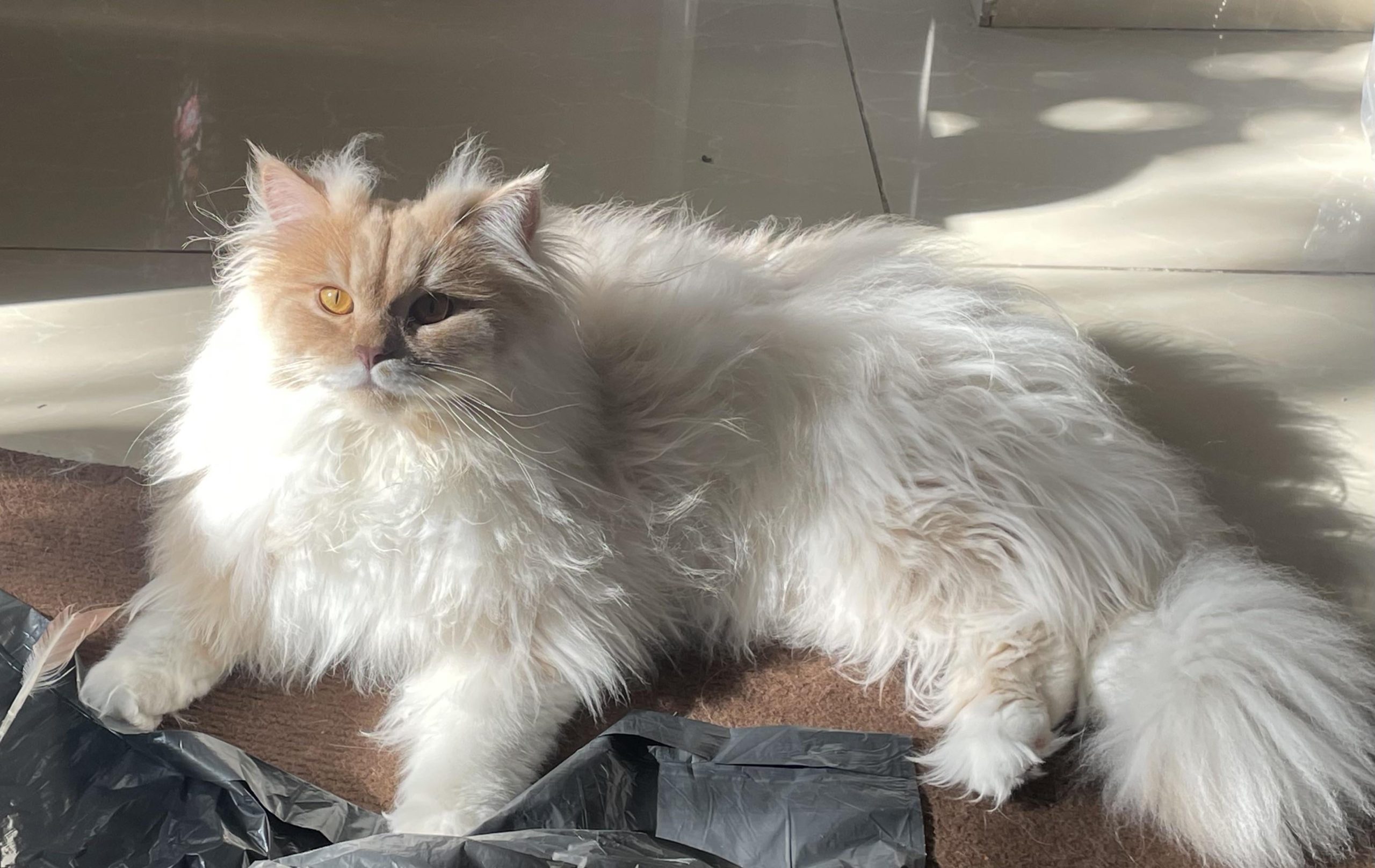
Does your cat turn away or even hiss when you try to groom them? You’re not alone.
Many cat owners wonder why their furry friend seems to hate being brushed or bathed. Understanding the reasons behind this behavior can help you make grooming a more comfortable experience for both you and your cat. Keep reading to discover the surprising facts that explain your cat’s grooming struggles—and learn simple tips to turn those stressful moments into bonding time.
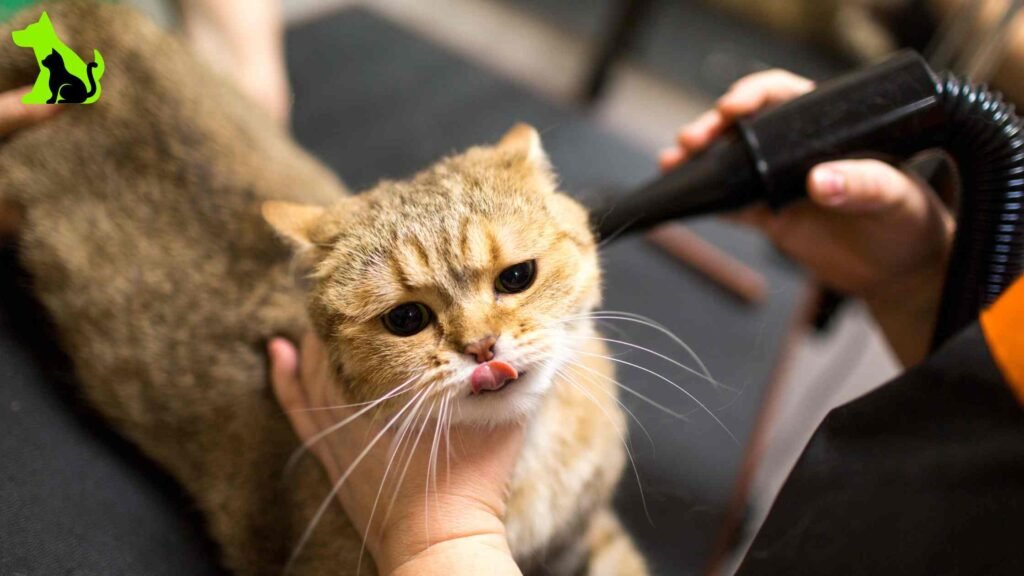
Credit: hellopetsinc.com
Common Grooming Reactions
Understanding your cat’s reactions during grooming can help you make the experience less stressful for both of you. Cats often show clear signs when they feel uncomfortable or annoyed. Recognizing these reactions early allows you to adjust your approach and avoid escalating their anxiety.
Signs Of Discomfort
Your cat may not always say “no” in words, but their body language speaks volumes. Watch for flattened ears, dilated pupils, or a twitching tail—these are common signs that your cat is uneasy.
Sometimes, your cat might try to move away or freeze in place. Both can mean they want the grooming to stop. If you notice any sudden changes in breathing or vocalizations like growling or hissing, these are clear red flags.
Behavioral Responses
When your cat dislikes grooming, they may respond in several ways. They could swipe with their paws, attempt to bite, or even scratch. These reactions are often their way of saying they feel threatened or overwhelmed.
Some cats might hide immediately after a grooming session or avoid you for a while. Others might become overly aggressive or stressed. Have you noticed your cat’s unique way of telling you they’re unhappy? Paying attention to these behaviors helps you tailor the grooming process to their comfort level.
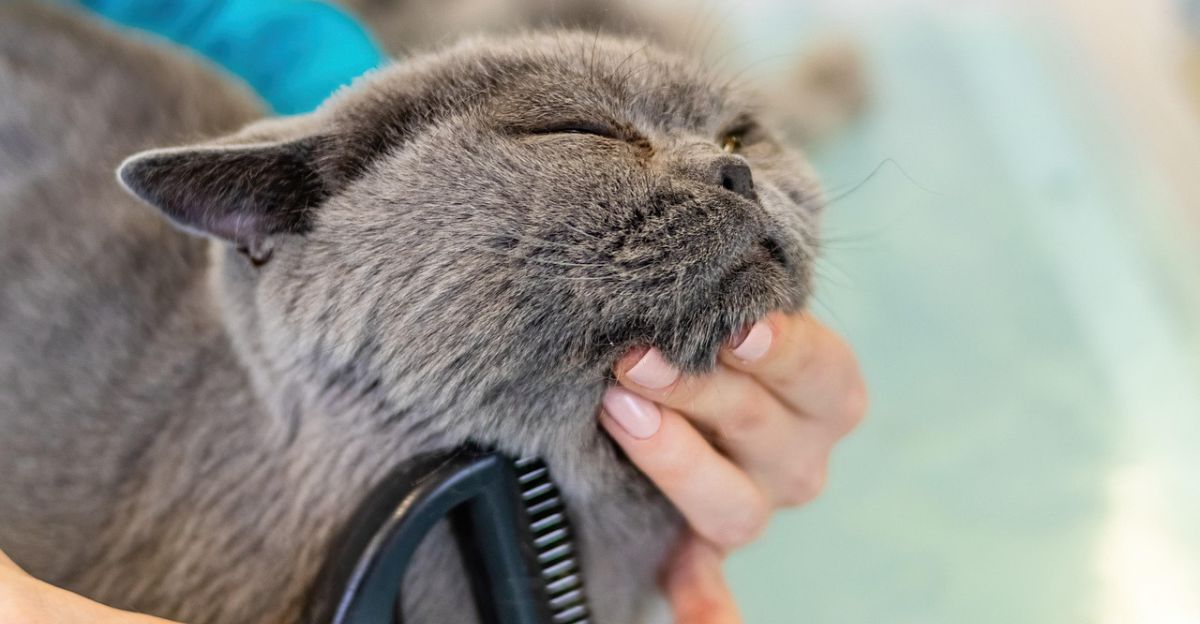
Credit: tryfurgo.com
Physical Sensitivities
Understanding why your cat hates being groomed often leads back to their physical sensitivities. Cats have delicate skin and specific areas that might hurt when touched or brushed. Recognizing these sensitivities can help you make grooming a less stressful experience for both of you.
Skin Irritations
Many cats avoid grooming because their skin feels irritated. Sensitive skin can become red, flaky, or inflamed from certain brushes or grooming products. Have you noticed your cat flinching or trying to escape when you use a particular comb or shampoo?
Switching to softer brushes or hypoallergenic shampoos can reduce discomfort. You might also spot small bumps or dry patches that make grooming unpleasant. Paying close attention to your cat’s reaction can guide you to gentler grooming tools that won’t aggravate their skin.
Painful Areas
Cats can have specific spots that hurt when groomed, such as near old injuries or joints affected by arthritis. Even if your cat looks healthy, they might be hiding pain in places you don’t expect. Has your cat ever snapped or pulled away suddenly during grooming? This could be their way of protecting a sore spot.
Try observing which areas your cat resists the most and avoid those during grooming sessions. You can also consult your vet to check for any hidden issues causing pain. Understanding these painful areas helps you approach grooming with more care and patience.
Past Negative Experiences
Past bad experiences with grooming can make cats fearful or anxious. Pain or discomfort during grooming may lead them to resist future attempts. Trust needs time to rebuild after such negative moments.
Cats, much like us, carry their past experiences with them. If your feline friend despises being groomed, it could be due to past negative experiences. These experiences can shape their behavior, making them anxious or fearful when it’s time for a brush. Understanding these past encounters can help you address their grooming aversion.Traumatic Grooming Events
Imagine a kitten’s first grooming session being rough or hurried. Such an experience can leave a lasting impression. Perhaps an unintentional tug of their fur or a loud noise startled them. These moments can transform grooming from a routine activity into a traumatic event in their memory. Are you aware of any such incidents that might have occurred with your cat? Sometimes, even a single event is enough to create a deep-seated fear. Identifying these moments is key to addressing the issue and rebuilding trust with your pet.Fear Associations
Cats are experts at associating places, sounds, and even people with specific emotions. If your cat equates the sight of a grooming brush with discomfort or fear, they’ll naturally resist it. Have you noticed your cat fleeing at the sight of grooming tools? This could be a learned response from previous negative experiences. Reassessing how you approach grooming can break this cycle. By using gentle, calming techniques, you can slowly shift their perception. Patience and consistency are your allies in helping your cat form new, positive associations with grooming.Personality And Preferences
Understanding why your cat hates being groomed often means looking closely at their personality and preferences. Each cat is unique, with distinct likes and dislikes that shape how they react to grooming. Recognizing these traits can help you tailor your approach and make grooming a more pleasant experience for both of you.
Independent Nature
Cats with a strong independent streak may resist grooming because they prefer to manage their own hygiene. They often view grooming as an intrusion on their personal space and control. If your cat frequently grooms itself or avoids close contact, it might be their way of saying, “I’ve got this.”
Try giving your cat some control during grooming sessions. Let them approach the brush or comb first, or allow short grooming intervals. Have you noticed how your cat reacts when you stop and give them a break? That pause might help build trust and reduce resistance.
Sensitivity To Touch
Some cats are naturally sensitive to touch, especially in certain areas like their belly or tail. This sensitivity can make grooming uncomfortable or even painful. If your cat flinches, swats, or hides during grooming, it’s a sign they might be feeling overstimulated.
Observe which spots your cat tolerates and which they avoid. You can focus on gentle strokes in less sensitive areas and gradually introduce more contact if they seem comfortable. Have you tried using softer brushes or grooming gloves to ease the sensation? Small changes like these can make a big difference.
Improving Grooming Sessions
Improving grooming sessions can change how your cat feels about being groomed. Small changes help make grooming more pleasant. Understanding your cat’s needs creates a better experience for both of you.
Choosing The Right Tools
Select tools that fit your cat’s fur type. Soft brushes work best for short hair. Longer fur needs wide-toothed combs. Avoid harsh brushes that hurt your cat’s skin. Tools with gentle bristles reduce discomfort. Keep your grooming supplies clean and ready.
Creating A Calm Environment
Pick a quiet spot for grooming. Loud noises scare most cats. Soft lighting helps your cat relax. Groom after meals or playtime when your cat is calm. Speak softly during grooming sessions. Move slowly to avoid startling your cat.
Positive Reinforcement Techniques
Use treats to reward good behavior. Praise your cat with a gentle voice. Short sessions build trust over time. Stop if your cat shows stress signs. Gradually increase grooming time each day. This encourages your cat to enjoy grooming more.
When To Seek Veterinary Advice
Knowing when to seek veterinary advice can improve your cat’s grooming experience. Sometimes, a cat’s dislike for grooming signals an underlying health problem. Other times, professional help is necessary to handle grooming safely and comfortably.
Identifying Medical Issues
Sudden changes in your cat’s behavior during grooming may indicate pain or illness. Look for signs like:
- Skin redness or swelling
- Excessive hair loss
- Unusual lumps or bumps
- Persistent scratching or biting
- Limping or stiffness
These symptoms could mean infections, allergies, or injuries. A vet can diagnose and treat these problems. Early detection prevents worsening conditions and eases grooming stress.
Professional Grooming Help
Some cats have thick coats or mats that are hard to manage at home. Professional groomers have the right tools and training to groom safely. They also know how to calm nervous or aggressive cats.
Ask your vet for recommendations on reliable groomers. Regular professional grooming can reduce discomfort and improve your cat’s coat health. It also lessens your cat’s fear during home grooming sessions.

Credit: baileybrush.com
Frequently Asked Questions
Why Does My Cat Resist Grooming Sessions?
Cats often resist grooming due to fear, discomfort, or past negative experiences. They may feel vulnerable or stressed during grooming. Some cats dislike the sensation of brushes or clippers. Understanding your cat’s preferences and using gentle techniques can help reduce resistance.
Can Grooming Stress Affect My Cat’s Health?
Yes, grooming stress can lead to anxiety, aggression, or avoidance behaviors. It may also cause skin irritation if grooming is rushed or improper. Regular, calm grooming sessions improve your cat’s well-being and strengthen your bond.
How Can I Make Grooming Enjoyable For My Cat?
Use slow, gentle movements and positive reinforcement like treats. Start with short sessions and gradually increase time. Choose grooming tools suited to your cat’s coat type. Patience and consistency help your cat associate grooming with comfort.
Does My Cat Hate Grooming Because Of Pain?
Yes, pain from skin conditions or injuries can make grooming unpleasant. Check for sores, mats, or sensitivity before grooming. Consult a vet if your cat shows signs of pain during grooming to address underlying issues.
Conclusion
Cats may dislike grooming for many reasons. Some feel scared or hurt. Others do not like the brush or touch. Patience helps build trust over time. Try gentle strokes and short sessions first. Watch your cat’s reactions closely. Let them lead the pace.
This makes grooming less stressful for both. Understanding your cat’s feelings is key. Keep trying with kindness and care. Soon, grooming can become a calm routine.

Leave a Reply