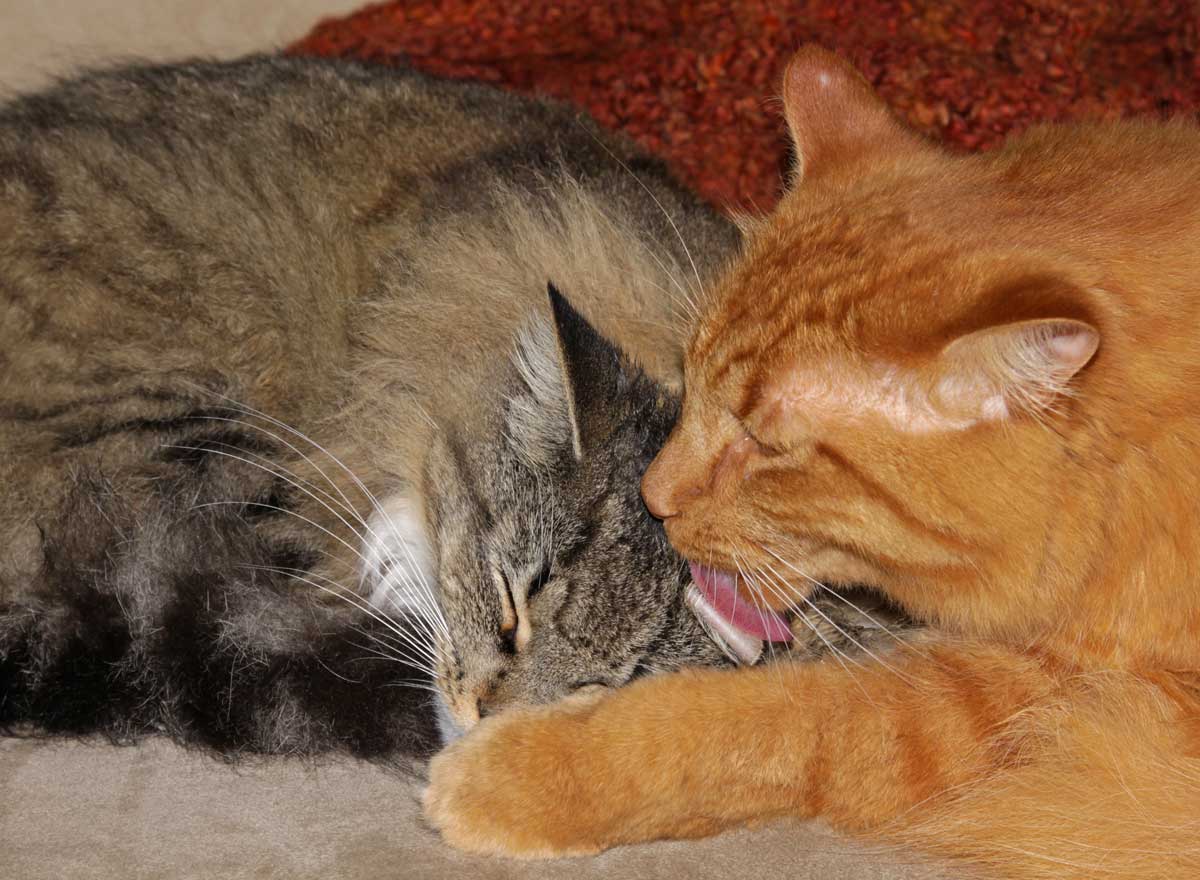
Have you ever watched one cat gently licking another and wondered what it really means? When your cat grooms a friend, it’s more than just cleaning—it’s a powerful way they communicate.
Understanding this behavior can reveal surprising things about your cat’s feelings and relationships. Keep reading, and you’ll discover the hidden messages behind this sweet, furry ritual.
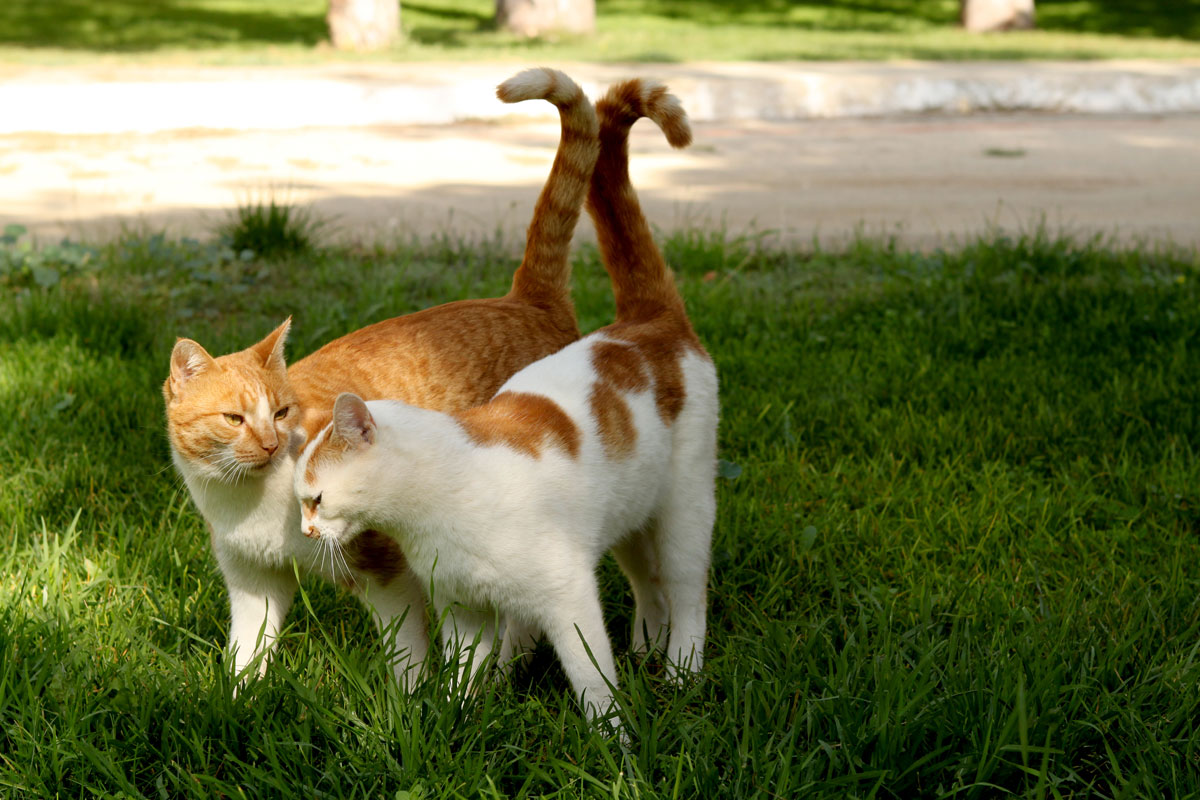
Credit: www.companionanimalpsychology.com
Cat Grooming Behavior
Understanding cat grooming behavior can reveal a lot about their social bonds and emotional state. When one cat grooms another, it’s more than just cleaning—it’s a form of communication and connection. Watching this behavior can help you learn what your cats need and how they feel about each other.
Types Of Grooming In Cats
Cats groom for different reasons, and recognizing these types helps you understand their mood and relationships:
- Self-grooming:Keeps cats clean and comfortable by removing dirt and loose fur.
- Allogrooming:When one cat grooms another, showing trust and strengthening social bonds.
- Stress grooming:Sometimes cats groom excessively when anxious or bored.
Have you noticed your cats grooming each other after a playful fight or a quiet moment? That’s allogrooming at work, a powerful sign of friendship.
How Cats Groom Themselves
Self-grooming is a precise and repetitive behavior. Cats use their tongue, which feels rough like sandpaper, to clean every inch of their fur.
They start with their face, moving to the ears, neck, and all the way down to their tail. This routine helps control body temperature and keeps their coat healthy.
Next time you see your cat grooming, watch closely—each lick and paw wipe serves a purpose beyond cleanliness. What small details in their routine can you spot that show they’re content or stressed?

Credit: www.companionanimalpsychology.com
Reasons For Grooming Others
Understanding why one cat grooms another gives you insight into their social world and emotional wellbeing. Grooming is more than just keeping clean; it carries messages of trust, comfort, and even power dynamics. Observing these behaviors can help you better support your feline friends and recognize their needs.
Bonding And Social Connection
Grooming between cats often signals a strong bond. When cats lick each other, they’re sharing trust and affection, similar to how humans hug or chat. Have you noticed your cats grooming each other after playtime or naps? This action helps them feel connected and safe within their group.
It’s like a silent conversation that says, “You are part of my family.” If your cats groom each other frequently, it’s a good sign they have a positive relationship. You might even see them grooming you, which shows they consider you part of their social circle.
Establishing Hierarchy
Sometimes grooming is about more than friendship—it’s about who’s in charge. Dominant cats often groom subordinates to assert control and maintain social order. This doesn’t mean aggression; it’s a way to keep peace and structure within their group.
If you spot one cat grooming another more often, it might be the leader in their hierarchy. Watch how the other cat responds—if it accepts grooming calmly, it likely respects the social ranking. You can think of it as a gentle reminder of who holds the reins.
Stress Relief And Comfort
Grooming can also be a soothing activity for cats. When one cat grooms another, it helps reduce anxiety and tension for both. Have you seen your cats grooming each other during a thunderstorm or after a vet visit? This behavior acts as a natural stress reliever.
It’s similar to how humans might hold hands or talk quietly to calm down. Grooming releases feel-good hormones that promote relaxation. If your cats groom each other more during stressful times, it’s their way of coping and providing comfort.
Grooming Signals And Body Language
One cat grooming another shows trust and friendship between them. This behavior helps strengthen their bond and keeps their fur clean. It also signals comfort and safety within their group.
Cats communicate in many ways. Grooming is one of the most intriguing. It involves delicate body language and subtle signals. Understanding these can deepen the bond with your cats. Observing grooming behaviors can provide insights into cat relationships. Grooming is often a sign of social bonds among cats. It reveals much about their interactions and feelings.Signs Of Trust And Affection
When a cat grooms another, it shows trust. This act signifies a strong bond. Cats grooming each other often share a close relationship. It is a gesture of care and affection. These cats feel safe and secure together. Grooming often happens in relaxed settings. Cats choose to groom those they trust.When Grooming Becomes Aggressive
Sometimes grooming turns aggressive. This can happen suddenly. It may involve biting or swatting. This shift can signal a change in mood. Cats might become overstimulated during grooming. It’s a sign to watch closely. Separate the cats if needed to prevent conflicts. Understanding these signals helps maintain harmony.Grooming And Cat Relationships
Grooming is a key part of how cats build and show their relationships. When one cat grooms another, it often means trust and bonding. This behavior helps cats feel safe and connected. It is more than just cleaning. It shows care and friendship between cats.
Mother-kitten Grooming
A mother cat grooms her kittens to keep them clean and healthy. This grooming teaches kittens how to clean themselves. It also creates a strong bond between mother and kittens. The kittens learn to trust their mother through this close contact. Grooming helps kittens feel comforted and safe.
Friendship Among Adult Cats
Adult cats groom each other to show friendship and trust. This behavior is called allogrooming. Cats often groom around the head and neck, spots they cannot reach themselves. Grooming helps reduce tension and stress between cats. It is a way to keep good relationships. Cats that groom each other usually get along well.
Grooming In Multi-cat Households
In homes with many cats, grooming helps create peace and harmony. Cats form social groups through grooming. It shows which cats are friends and which are leaders. Grooming can stop fights and calm nervous cats. It helps cats live together happily. Watching how cats groom can tell you a lot about their relationships.
Health Benefits Of Social Grooming
Social grooming between cats is more than just a cute behavior; it carries real health benefits that affect their well-being. When one cat grooms another, it helps keep them healthy in ways you might not immediately recognize. Understanding these benefits can change how you view your cats’ interactions and encourage you to support their social bonds.
Reducing Parasites
Grooming helps cats remove dirt, dead skin, and parasites like fleas or ticks from each other’s fur. Cats can reach spots that are hard to clean on their own, such as the back of the head and neck. This mutual grooming lowers the chance of infestations spreading and keeps their skin healthier.
Promoting Relaxation
When cats groom one another, it releases calming hormones that reduce stress. You might notice your cats purring or settling down after a grooming session. This relaxation effect can improve their mood and even help with anxiety, making their daily life more peaceful.
Improving Coat Condition
Grooming distributes natural oils throughout the fur, keeping it shiny and soft. It also prevents mats and tangles, which can be painful or lead to skin problems. If your cats groom each other regularly, their coats will look healthier and feel more comfortable to touch.
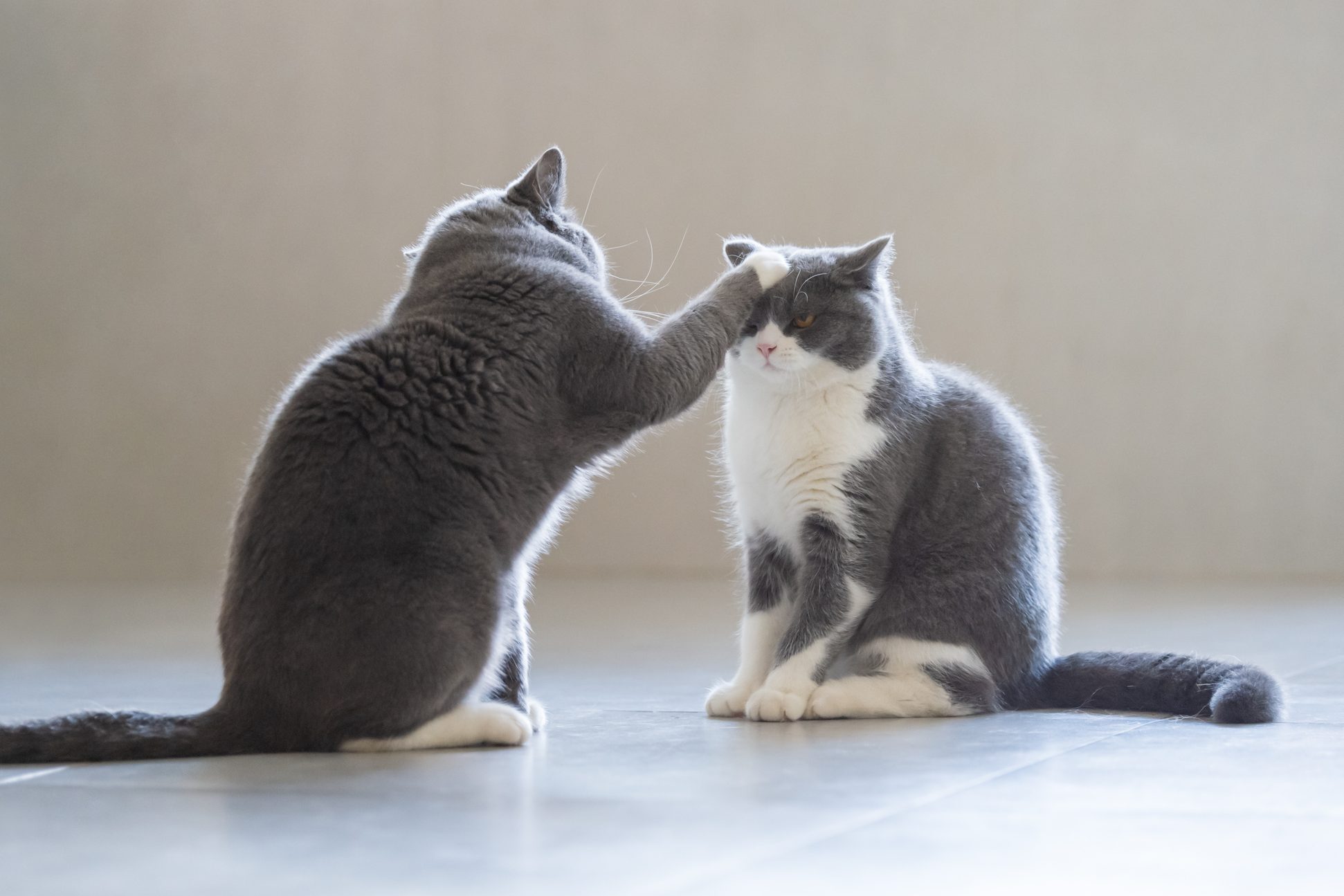
Credit: www.rd.com
When To Be Concerned About Grooming
Grooming between cats is usually a sign of affection and bonding. However, sometimes this behavior can signal underlying issues that need your attention. Knowing when to be concerned about grooming can help you ensure your cats stay happy and healthy.
Excessive Grooming Signs
Excessive grooming can lead to bald patches, skin irritation, or sores on your cat. If you notice one cat grooming another nonstop or the groomed cat seems stressed or tries to escape, it’s a red flag.
Watch for behaviors like:
- Repeated licking or biting of the same spot
- Hair loss or visible wounds
- Changes in appetite or activity levels
Have you seen your cat groom another to the point where the other cat looks uncomfortable? This could mean dominance issues or anxiety. Addressing it early can prevent physical and emotional harm.
Avoiding Stress And Conflict
If grooming turns into a source of stress, your cats might develop tension or fights. You can reduce this by giving each cat their own space and resources like food bowls and litter boxes.
Try to:
- Observe their interactions calmly without interrupting too much
- Provide plenty of toys and playtime to distract them
- Use pheromone diffusers to create a calm environment
Have you noticed your cats groom each other more during stressful times? Sometimes, grooming is a way to comfort, but too much can worsen anxiety. Pay attention to how your cats behave afterward and consider consulting a vet if conflicts persist.
Frequently Asked Questions
Why Do Cats Groom Each Other?
Cats groom each other to strengthen social bonds and show affection. It helps reduce stress and maintain group harmony. Grooming also removes dirt and loose fur, keeping them clean and healthy. This behavior is common among cats that trust and feel comfortable with each other.
Is Grooming A Sign Of Cat Friendship?
Yes, grooming indicates a strong friendship between cats. It shows trust, affection, and acceptance within their social group. Cats that groom each other usually have a close bond and enjoy each other’s company. This behavior helps them feel safe and connected.
Can Grooming Prevent Cat Fights?
Grooming can reduce tension and prevent conflicts among cats. It promotes positive interactions and reinforces social hierarchy peacefully. When cats groom each other, they are less likely to engage in aggressive behavior. This mutual care helps maintain a calm and friendly environment.
Do Cats Groom To Show Dominance?
Sometimes, grooming can express dominance, but mostly it shows care. Dominant cats may groom subordinates to assert control gently. However, mutual grooming is mainly a sign of friendship and cooperation. Observing body language helps understand the true meaning behind grooming.
Conclusion
Cats grooming each other shows trust and friendship. It helps them feel close and safe together. This behavior also keeps their fur clean and healthy. Watching cats groom can teach us about their feelings. It’s a simple way they say, “I care.
” Understanding this helps you know your cat better. It strengthens the bond between cats and their owners too. So, next time you see grooming, remember it means love and connection. Cats express friendship in quiet, gentle ways.


Leave a Reply