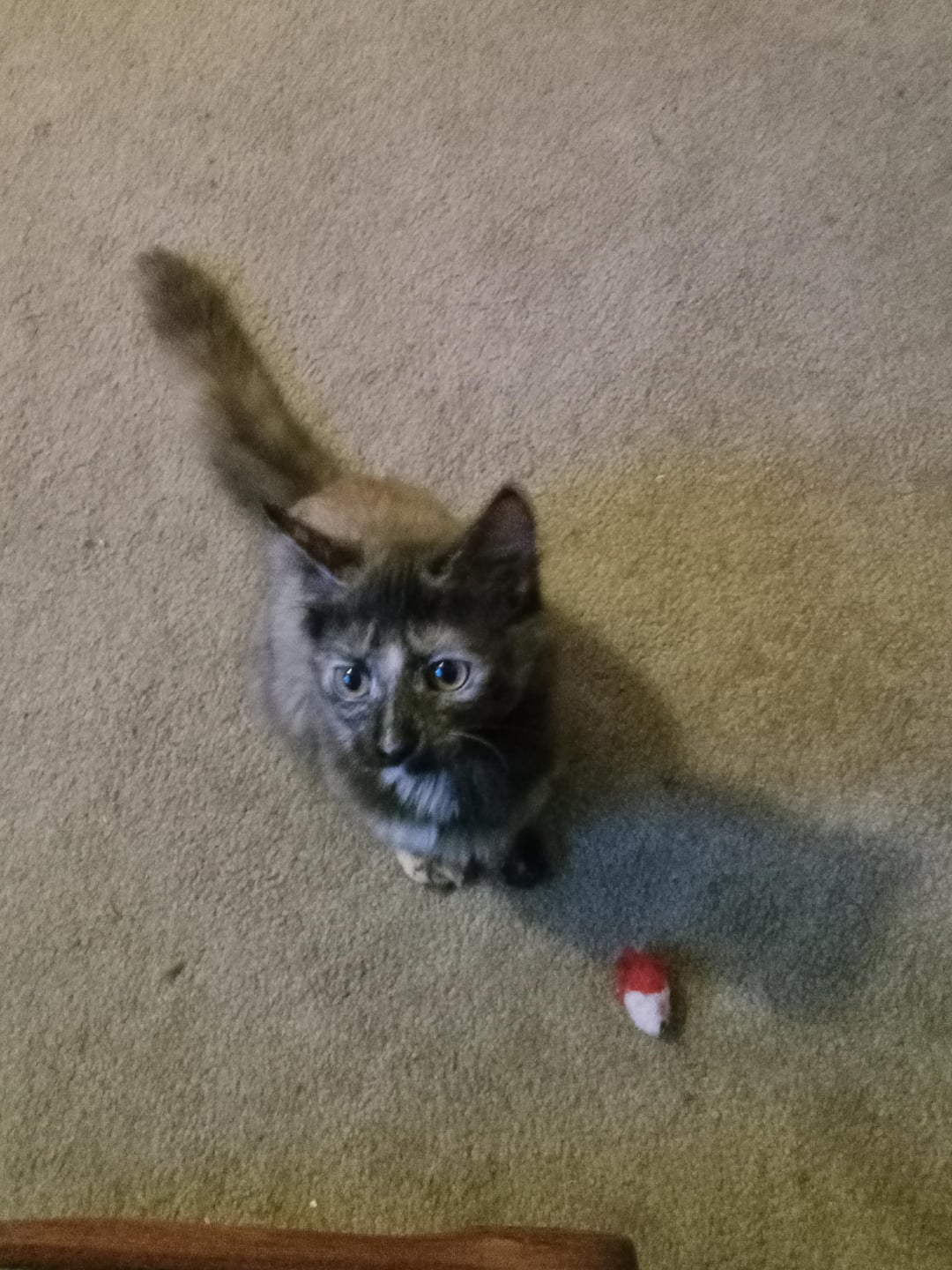
Have you ever tossed a toy for your cat, hoping for an exciting game of fetch, only to watch them ignore it completely? It’s confusing and maybe even a little disappointing.
You might wonder, “Why won’t my cat fetch his toys like a dog? ” You’re not alone. Understanding your cat’s unique behavior can unlock the secret to making playtime fun for both of you. Keep reading to discover the surprising reasons behind your cat’s toy habits and learn simple tips to encourage them to join in the fetch fun.
Cat Play Behavior Basics
Understanding basic cat play behavior helps explain why some cats fetch toys and others do not. Play is a natural part of a cat’s life. It mimics hunting and keeps cats active and alert. Each cat has its own way of playing based on instincts and personality. Knowing these basics can clarify why your cat may not fetch toys like dogs do.
Instincts Behind Fetching
Fetching is linked to a cat’s hunting instincts. Cats chase moving objects to catch prey. Some cats enjoy bringing the “prey” back. This behavior comes from their need to practice hunting skills. Not all cats have the same urge to retrieve. Some see the toy as food, others as a catch and release game.
Common Play Styles
- Chasing: Cats sprint after toys that move fast.
- Pouncing: Cats jump and catch toys with their paws.
- Batting: Cats hit toys to make them move.
- Stalking: Cats quietly follow toys before the final pounce.
- Carrying: Some cats pick up toys but don’t return them.
Each style shows different ways cats enjoy play. Fetching is just one of many play styles. Some cats prefer to hunt alone or hide toys instead of fetching.

Credit: www.reddit.com
Personality Differences
Every cat has a unique personality, and this plays a big role in whether they fetch toys or not. Some cats simply aren’t wired to play fetch, and understanding these personality differences can help you set realistic expectations.
Independent Nature
Many cats are naturally independent creatures who prefer to do things on their own terms. They might see fetch as too much effort or just not worth the interaction. If your cat values solitude, pushing them to fetch might only cause frustration for both of you.
Think about your cat’s behavior in daily life—do they seek attention or prefer to be left alone? This can give you clues about their willingness to engage in games that require back-and-forth play.
Preference For Solitary Play
Some cats enjoy playing, but they do so alone. Toys like wand feathers or laser pointers let them chase without needing to return anything. Fetch, on the other hand, requires your cat to bring something back to you, which may not appeal to their play style.
If your cat often bats toys around but never brings them back, it’s a sign they prefer solitary play. Instead of forcing fetch, try offering toys that support independent activity and observe how your cat responds.
Age And Energy Levels
Age plays a major role in a cat’s interest in fetching toys. Their energy levels change as they grow older. Understanding these changes helps explain why your cat might not bring toys back.
Young cats often have bursts of energy. Older cats tend to be calmer and less playful. These natural shifts affect their desire to chase and fetch toys.
Kitten Vs Adult Cats
Kittens are full of energy and curiosity. They love to chase moving objects and pounce on toys. Fetching can be a fun game for them as they learn about their world.
Adult cats still enjoy playtime but in shorter bursts. Their play may focus more on stalking or batting toys. Fetching might not interest all adult cats equally.
Senior Cat Activity
Senior cats often reduce their physical activity. They might prefer resting over chasing toys. Joint pain or health issues can make fetching uncomfortable.
Older cats may enjoy gentle play with soft toys. They might show less interest in games requiring running or quick movements. Respecting their limits helps keep playtime enjoyable.

Credit: www.petscare.com
Health Factors
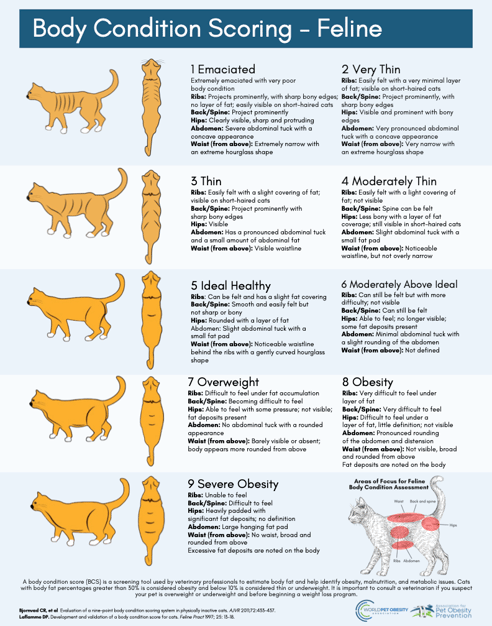
Cats may not fetch toys due to low energy or health issues like arthritis or dental pain. Age and mood also affect their interest in play. Observing your cat’s behavior helps identify if health factors are causing this change.
When your cat suddenly stops fetching toys, health factors might be at play. Cats are masters at hiding discomfort, making it crucial to observe any changes in behavior. Understanding potential health issues can help you address their needs and ensure their well-being.Physical Discomfort
Cats may stop fetching due to physical discomfort. Joint pain or arthritis can make movement painful. If your cat struggles with jumping or climbing, it might be time for a vet visit. Even minor injuries can deter your cat from playing. A sprain or muscle strain might be the culprit. Watch for limping or hesitation in movement.Sensory Issues
Sensory issues might also affect your cat’s toy-fetching habits. Changes in eyesight or hearing can make it hard for them to track toys. If your cat seems disoriented or ignores toys, sensory problems could be the cause. Have you noticed your cat bumping into objects? This could indicate vision problems. Regular vet check-ups can catch these issues early. Understanding these health factors can help you provide the best care for your feline friend. Be observant and proactive in addressing any concerns. Your cat’s playful nature will thank you for it!Toy Appeal
Toys can catch a cat’s interest or leave them cold. Each cat has unique tastes. Some toys excite their hunting skills. Others might feel boring or strange. Understanding what makes a toy appealing helps encourage your cat to fetch. Focus on the toy’s type, texture, and size to find the perfect match. Below are important details to consider.
Type Of Toys
Cats prefer toys that mimic prey. Small, moving toys often spark their chase instinct. Toys that resemble mice, birds, or bugs work well. Some cats enjoy balls or feathers. Toys with a bit of noise, like crinkle sounds, can attract their attention. Avoid toys that seem too artificial or heavy. Variety can also keep playtime fresh and exciting.
Texture And Size Preferences
Texture plays a big role in toy appeal. Soft toys feel comforting to bite and carry. Some cats like plush or fuzzy surfaces. Others prefer smooth or rubbery textures. Size matters too. Toys too big can be hard to carry. Toys too small might be swallowed or lost easily. Aim for toys that fit comfortably in your cat’s mouth and paws. Observe your cat’s preferences to pick the best options.
Environmental Influences
Environmental factors play a huge role in whether your cat wants to fetch toys or not. Cats are sensitive to their surroundings, and small changes can affect their play behavior. Understanding these influences helps you create a space where your cat feels motivated to engage.
Home Setting
Your home environment might be too distracting or uncomfortable for your cat to focus on toys. A noisy or cluttered space can make them anxious or uninterested in chasing objects. Cats often prefer quiet, cozy corners where they feel safe to play.
Think about the lighting and temperature too. Bright lights or too much heat can make your cat less active. Try moving toys to a calm spot with soft lighting and see if that sparks interest.
Presence Of Other Pets
Other pets in the house can affect your cat’s willingness to fetch. Sometimes, cats feel threatened or overwhelmed by a dominant pet nearby. This tension can shut down their playful side completely.
On the other hand, some cats get inspired to play more when they see others interacting with toys. Observe how your cat reacts to your other pets and adjust playtime accordingly. You might need to create separate play areas to help your cat feel comfortable and ready to fetch.
Training And Encouragement
Training and encouragement play a crucial role in helping your cat learn to fetch toys. Cats don’t naturally see fetching as a game like dogs might, so your approach matters a lot. Understanding how to motivate and guide your feline friend can make the experience enjoyable and rewarding for both of you.
Positive Reinforcement
Reward your cat immediately when they show any interest in fetching. Use treats, petting, or enthusiastic praise to encourage the behavior. Cats respond well to positive experiences, so make every interaction a chance for them to associate fetching with something good.
Try using toys your cat already loves. Toss the toy a short distance and reward any attempt to chase or carry it back. Even if your cat doesn’t bring the toy all the way, praise the effort to build confidence.
Patience And Consistency
Training your cat to fetch takes time and steady effort. Don’t get discouraged if they don’t catch on quickly—cats learn at their own pace. Keep sessions short and frequent to maintain your cat’s interest without overwhelming them.
Consistency matters more than intensity. Practice the same steps every day, so your cat knows what to expect. Have you noticed how your cat responds differently on good days versus distracted ones? Adjust your expectations and keep the routine gentle and fun.
Credit: www.preventivevet.com
Frequently Asked Questions
Why Won’t My Cat Fetch Toys Like Dogs Do?
Cats have different play instincts than dogs. Fetching is not a natural behavior for most cats. They prefer hunting and pouncing games instead.
Can Boredom Cause My Cat To Stop Fetching Toys?
Yes, boredom can reduce your cat’s interest in toys. Providing varied and interactive toys can renew their enthusiasm.
Does Age Affect A Cat’s Willingness To Fetch Toys?
Older cats often lose interest in active play, including fetching. Younger cats are more likely to enjoy chasing and retrieving toys.
Could Health Issues Stop My Cat From Fetching Toys?
Health problems like arthritis or dental pain can reduce playfulness. Consult your vet if your cat suddenly stops playing.
Conclusion
Cats have different ways of playing and showing affection. Not all cats enjoy fetching toys like dogs do. They may prefer chasing or batting toys instead. Pay attention to your cat’s favorite activities and respect their style. Offering a variety of toys can help find what they like best.
Patience is key; some cats need time to engage with new games. Understanding your cat’s behavior creates a stronger bond. Enjoy watching your pet have fun, even if it’s not fetch. Every cat is unique and lovable in their own way.

Leave a Reply