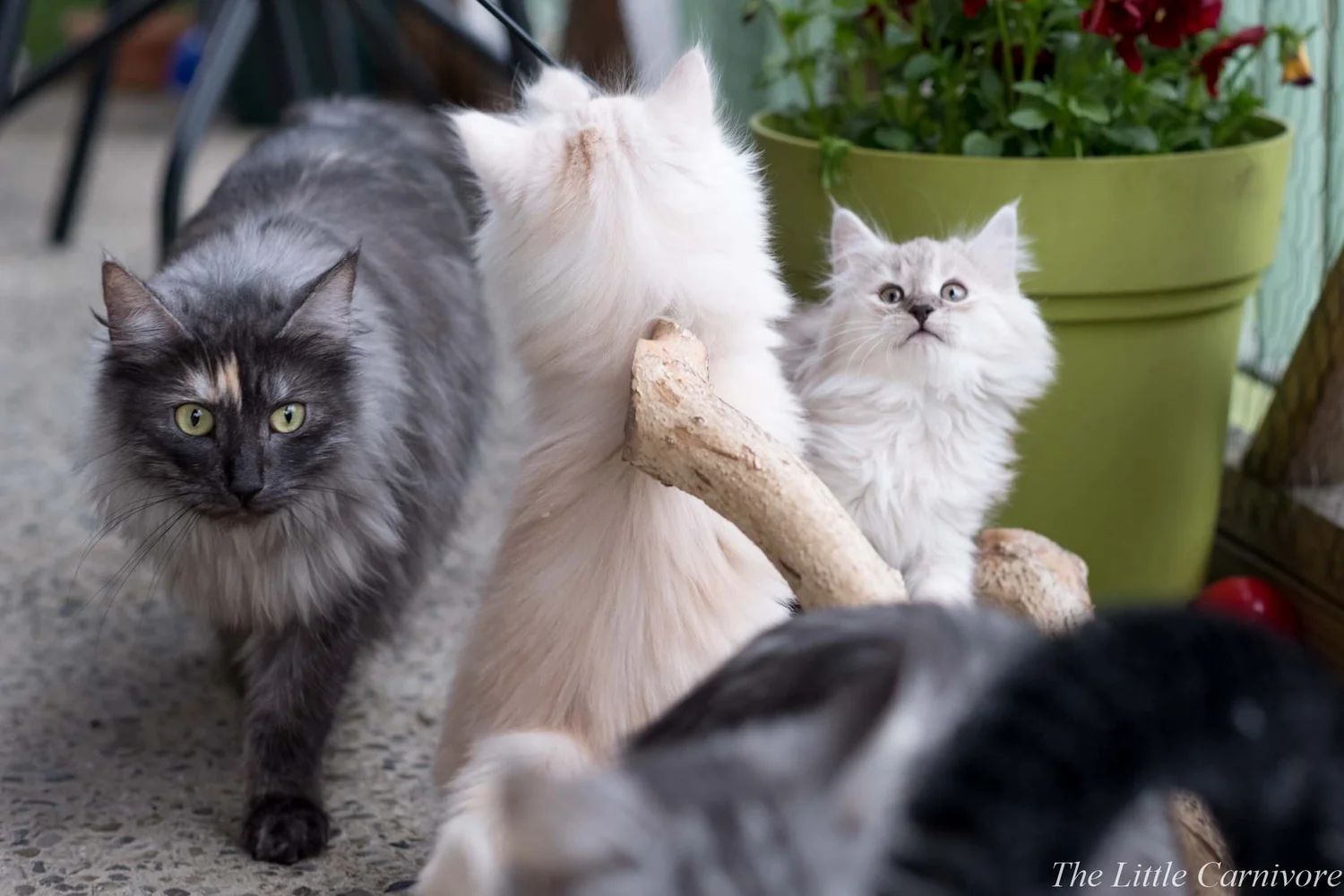
Are you passionate about cats and want to take your love to the next level? Becoming a good cat breeder isn’t just about having cute kittens.
It’s about responsibility, care, and knowledge that ensures healthy, happy cats. If you want to know how to breed cats the right way, you’re in the right place. This guide will help you understand what it takes to be a trusted breeder and how you can make a positive difference in the lives of your cats and their future owners.
Keep reading—your journey to becoming a great cat breeder starts here.
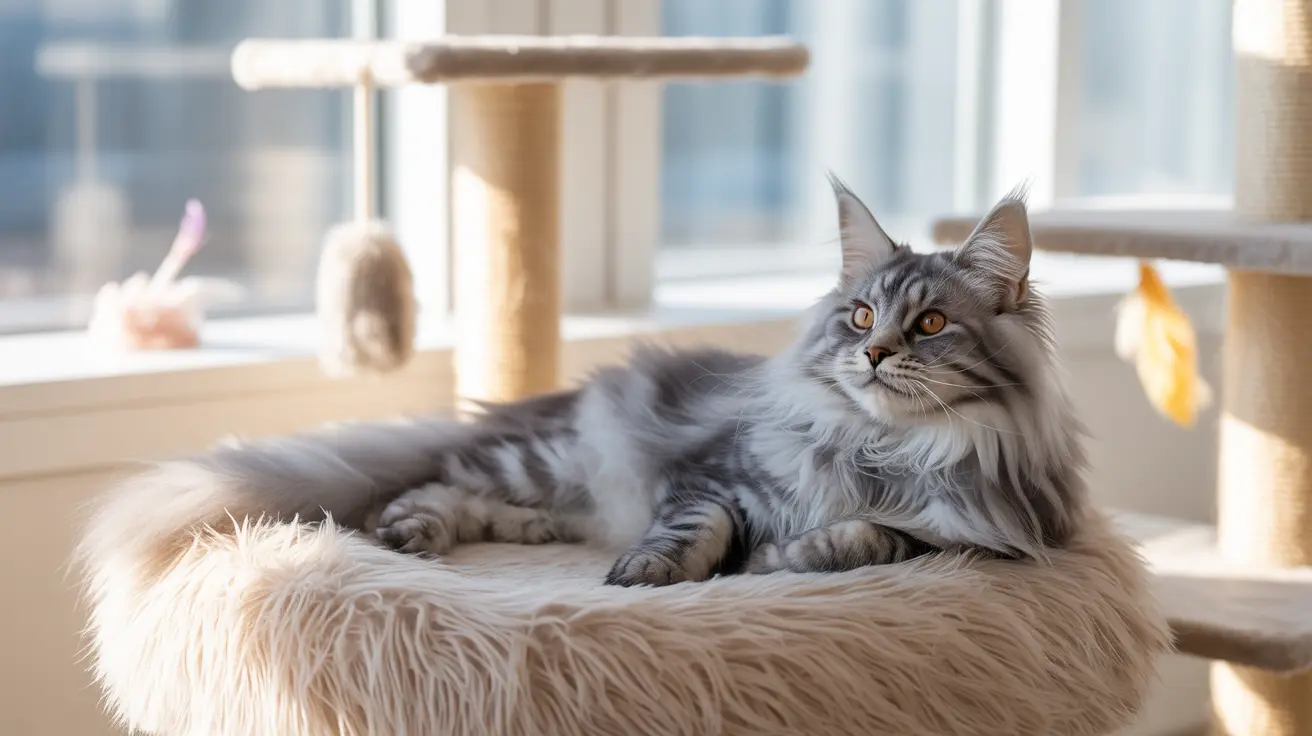
Credit: www.petscare.com
Choosing The Right Breed
Choosing the right breed is a key part of becoming a good cat breeder. The breed shapes the cat’s personality, health, and appearance. Picking a breed that fits your goals and lifestyle helps create happy, healthy cats. Spend time learning about different breeds before starting your breeding journey.
Consider Temperament And Traits
Every cat breed has unique personality traits. Some breeds are calm and gentle. Others are active and playful. Think about the temperament that fits your home and future owners. Traits like social behavior, energy level, and vocalization matter a lot. Choose a breed whose nature matches your care style.
Research Breed Standards
Breed standards describe the ideal look and qualities of a cat breed. They include size, coat color, eye shape, and body structure. Study these standards from official breed clubs or associations. Understanding these rules helps maintain breed quality and reputation. Aim to breed cats that meet these standards closely.
Assess Health Factors
Health is critical for good breeding. Each breed may have specific health issues. Research common genetic problems and lifespan. Choose breeds with fewer health risks or those you can manage well. Regular health screenings and tests are essential. Healthy cats lead to healthier litters and satisfied buyers.

Credit: bluebritscattery.com
Preparing The Breeding Environment
Preparing the breeding environment is a crucial part of being a responsible cat breeder. The space where your cats live and raise their kittens directly affects their health and well-being. Setting up the right environment helps reduce stress and ensures a smooth breeding process for both the mother and her kittens.
Create A Safe Space
Your cats need a quiet, secure area free from loud noises and sudden disruptions. Choose a room where you can control access, so the mother cat feels protected and comfortable. Adding soft bedding and hiding spots gives her a sense of security, which is essential during pregnancy and after birth.
Think about the room’s temperature as well—cats prefer a warm, stable climate. If the room is too cold or drafty, it can affect the kittens’ growth. You can use heating pads designed for pets, but always ensure they have enough space to move away if they get too warm.
Maintain Cleanliness
Cleanliness is non-negotiable in a breeding environment. Dirty spaces increase the risk of infections and diseases, which can harm both mother and kittens. Clean the bedding daily and sanitize the area regularly to keep bacteria and parasites at bay.
Using unscented, non-toxic cleaning products is important, as strong smells can stress your cats. Litter boxes should be scooped multiple times a day and washed weekly. Keeping the space tidy shows respect for your cats’ health and helps you spot any signs of illness early.
Ensure Proper Nutrition
The right diet supports your cat’s health before, during, and after pregnancy. Provide high-quality, protein-rich food to meet the increased nutritional demands. Kittens require a diet rich in vitamins and minerals to grow strong, so your breeding female needs extra nourishment to support them.
Fresh water should always be available and changed regularly. Consider consulting your vet to tailor a feeding plan that fits your cat’s specific needs. Have you noticed how a well-fed cat is more energetic and attentive to her kittens? Proper nutrition makes a noticeable difference in their behavior and overall health.
Selecting Breeding Cats
Choosing healthy cats with good traits is key for successful breeding. Focus on temperament, health tests, and breed standards. Careful selection helps produce strong, happy kittens.
Selecting the right cats for breeding is a crucial step in becoming a successful cat breeder. Your choice will directly impact the health, temperament, and appearance of future litters. Therefore, it’s essential to consider various factors to ensure that your breeding program is both ethical and effective.Evaluate Genetic Health
Genetic health is the cornerstone of a responsible breeding program. You should have each potential breeding cat undergo comprehensive health screenings. These tests help identify hereditary diseases that could be passed to future generations. Consider seeking advice from a veterinarian who specializes in feline genetics. This ensures that you’re using the most accurate methods available. Investing in genetic testing upfront can save you and the cat’s future families from heartache and medical expenses later.Check Pedigree Records
A cat’s pedigree is like its family tree. Check these records to ensure there is no inbreeding, which can lead to genetic problems. Pedigree records also provide insights into a cat’s lineage, helping you understand potential traits and temperaments. Make it a habit to verify these records with trusted breeders or associations. Knowing a cat’s ancestry ensures you’re making informed decisions that align with your breeding goals. This diligence builds your reputation as a responsible breeder committed to quality.Observe Behavioral Compatibility
A cat’s behavior plays a significant role in its suitability for breeding. Spend time observing potential breeding cats in various situations to gauge their temperament. Look for cats that are friendly, social, and easy to handle. If you notice aggressive or overly timid behavior, it might be best to reconsider. Behavioral traits are often passed down, and your goal should be to breed cats that make excellent companions. Remember, a well-behaved cat is a joy to its future family, enhancing your reputation as a breeder.
Credit: www.masterpieceragdolls.com
Breeding Process Essentials
Understanding the breeding process is crucial if you want to be a responsible and successful cat breeder. It requires patience, attention to detail, and a willingness to learn about your cats’ natural cycles and behaviors. Getting the breeding process right ensures healthier litters and a smoother experience for both you and your cats.
Timing And Heat Cycles
Cats are seasonal breeders, and female cats come into heat several times a year. Knowing when your female cat is in heat is essential to plan the mating properly. Signs include increased vocalization, restlessness, and rubbing against objects.
Tracking the heat cycle can help you predict the best time for mating. Typically, a heat cycle lasts about 7 days, but this can vary. Pay attention to subtle changes in behavior to catch the optimal breeding window.
Mating Procedures
Once you identify the right time, introduce the male and female cats in a calm, controlled environment. Don’t rush the process; cats may need some time to accept each other. Supervise the interaction closely to avoid stress or injury.
Sometimes, cats might not mate on the first try. Be patient and try again during the next heat cycle if needed. Providing a quiet, familiar space can increase their comfort and willingness to mate.
Monitoring Pregnancy
After successful mating, monitoring your cat’s pregnancy is vital. Pregnancy usually lasts around 63 to 65 days. Watch for physical signs like weight gain and changes in appetite.
Regular vet check-ups can help catch any complications early. You can also gently feel your cat’s abdomen to detect developing kittens after about 3 weeks. How prepared are you to support your cat through this critical time?
Caring For Kittens
Caring for kittens is a vital part of being a responsible cat breeder. Kittens need special attention to grow healthy and strong. Proper care helps them develop good behavior and builds a strong immune system. This section covers key aspects of kitten care every breeder should know.
Nutrition And Feeding
Kittens require a balanced diet to support rapid growth. Feed them high-quality kitten food rich in proteins and essential nutrients. Offer small, frequent meals throughout the day. Fresh water must always be available. Avoid giving cow’s milk as it can upset their stomach.
Gradually introduce solid food at about four weeks old. Monitor their eating habits closely to ensure they get enough nutrition. A healthy diet promotes strong bones and shiny fur.
Socialization Techniques
Early socialization shapes a kitten’s behavior and confidence. Handle kittens gently every day to get them used to human touch. Expose them to different sounds and environments safely. Encourage play with toys to develop motor skills and reduce fear.
Introduce kittens to other pets carefully to build positive relationships. Positive interactions help kittens grow into friendly and well-adjusted cats.
Health Checks And Vaccinations
Regular health checks are crucial for early illness detection. Inspect kittens daily for signs of illness or injury. Deworm kittens as recommended by a vet to prevent parasites. Vaccinate kittens on schedule to protect them from common diseases.
Keep detailed health records for each kitten. Early veterinary care ensures kittens stay healthy and thrive in new homes.
Marketing And Selling Kittens
Marketing and selling kittens is more than just finding buyers; it’s about creating trust and ensuring your kittens go to loving, responsible homes. How you present your cattery and communicate with potential owners greatly impacts your success and the welfare of your kittens. Let’s look at the key areas that will help you market effectively and ethically.
Building A Reputation
Your reputation as a breeder is your most valuable asset. Share clear photos and honest updates about each litter on social media or your website. Transparency builds trust and attracts serious buyers who appreciate your dedication to health and temperament.
Positive word-of-mouth spreads quickly among cat lovers. Encourage happy owners to share testimonials and pictures of their cats. Have you ever noticed how one recommendation can open doors to many more inquiries?
Finding Responsible Owners
Screening potential kitten owners is crucial. Ask questions about their lifestyle, experience with cats, and how they plan to care for the kitten. This helps you ensure your kittens go to homes where they will thrive.
Consider creating an application form or a checklist to evaluate buyers consistently. Don’t rush the process—waiting for the right owner is better than a quick sale that might lead to future problems.
Legal And Ethical Considerations
Protect yourself and your kittens by understanding the legal requirements in your area. This includes contracts that outline the buyer’s responsibilities, health guarantees, and spay/neuter agreements. Clear contracts protect everyone involved.
Ethics should guide your decisions. Avoid selling to pet stores or online marketplaces that don’t prioritize animal welfare. Your role is to promote responsible breeding, not just make sales.
Continuous Learning And Improvement
Continuous learning and improvement are vital for every cat breeder. The world of breeding changes often. New health insights, techniques, and care tips appear regularly. Staying informed helps you breed healthier cats and offer the best care. It also builds your reputation as a responsible breeder.
Attending Workshops
Workshops provide hands-on experience and up-to-date knowledge. They cover topics like genetics, nutrition, and breeding ethics. Workshops also offer chances to ask questions directly to experts. Attending these events sharpens your skills and expands your understanding.
Networking With Breeders
Connecting with other breeders creates valuable learning opportunities. Sharing experiences helps solve common breeding challenges. Networking builds a support system where advice flows easily. You can learn new techniques and improve your breeding program.
Staying Updated On Veterinary Care
Veterinary care is always evolving. New vaccines, treatments, and health screenings emerge frequently. Staying informed helps you protect your cats from diseases. Regular contact with veterinarians ensures your cats receive the best care possible. This knowledge also helps in early detection of health issues.
Frequently Asked Questions
How Do I Start As A Good Cat Breeder?
Begin by researching cat breeds and breeding ethics. Ensure you have knowledge of genetics, health, and care. Join breeding clubs and consult experienced breeders. Prepare a safe, clean environment for cats. Prioritize the health and wellbeing of your cats above all.
What Health Checks Are Essential For Breeding Cats?
Perform regular vet check-ups and genetic screenings. Test for hereditary diseases common to the breed. Vaccinate your cats and check for parasites. Only breed cats free from infections or genetic disorders. This ensures healthy kittens and maintains breed standards.
How Can I Ensure Ethical Cat Breeding Practices?
Breed responsibly by prioritizing cats’ health and temperament. Avoid overbreeding and respect cats’ natural cycles. Provide proper nutrition, socialization, and veterinary care. Screen potential buyers to ensure kittens go to good homes. Follow legal regulations and breed club guidelines.
What Environment Is Ideal For Breeding Cats?
Provide a quiet, clean, and comfortable space. Ensure adequate room for movement and nesting. Maintain proper temperature and humidity levels. Keep the area free from stress and hazards. A calm environment supports healthy pregnancies and kitten development.
Conclusion
Being a good cat breeder means caring deeply for your cats. You must learn about health, genetics, and behavior. Treat each cat with kindness and respect. Keep their living area clean and safe. Always find good homes for your kittens.
Stay patient and keep learning every day. The joy of healthy, happy cats makes it worth the effort. Remember, your work helps create better lives for cats and their owners. Small steps lead to big rewards in breeding. Keep love and responsibility at the heart of your work.


Leave a Reply