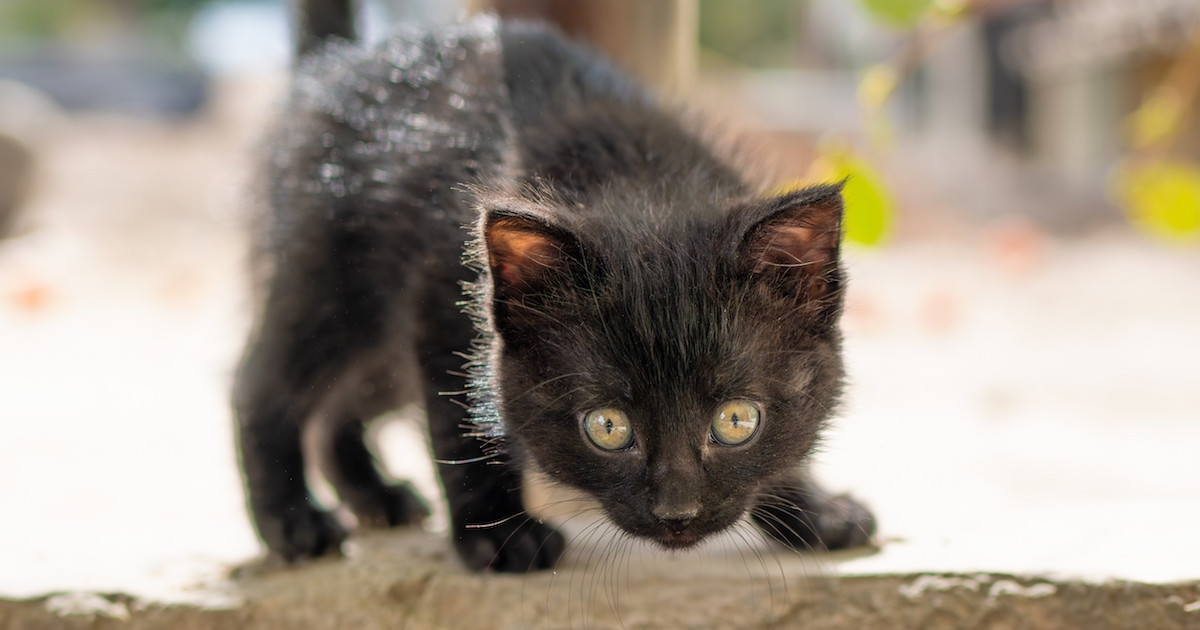
Have you ever wondered if stray cats enjoy playing with toys like your pet at home? You might think these independent creatures don’t care for games, but the truth could surprise you.
Understanding what captures a stray cat’s attention can help you connect with them better and even make their lives happier. Keep reading to discover what kinds of toys stray cats actually like and how you can use this knowledge to build trust and bring a little joy to their day.
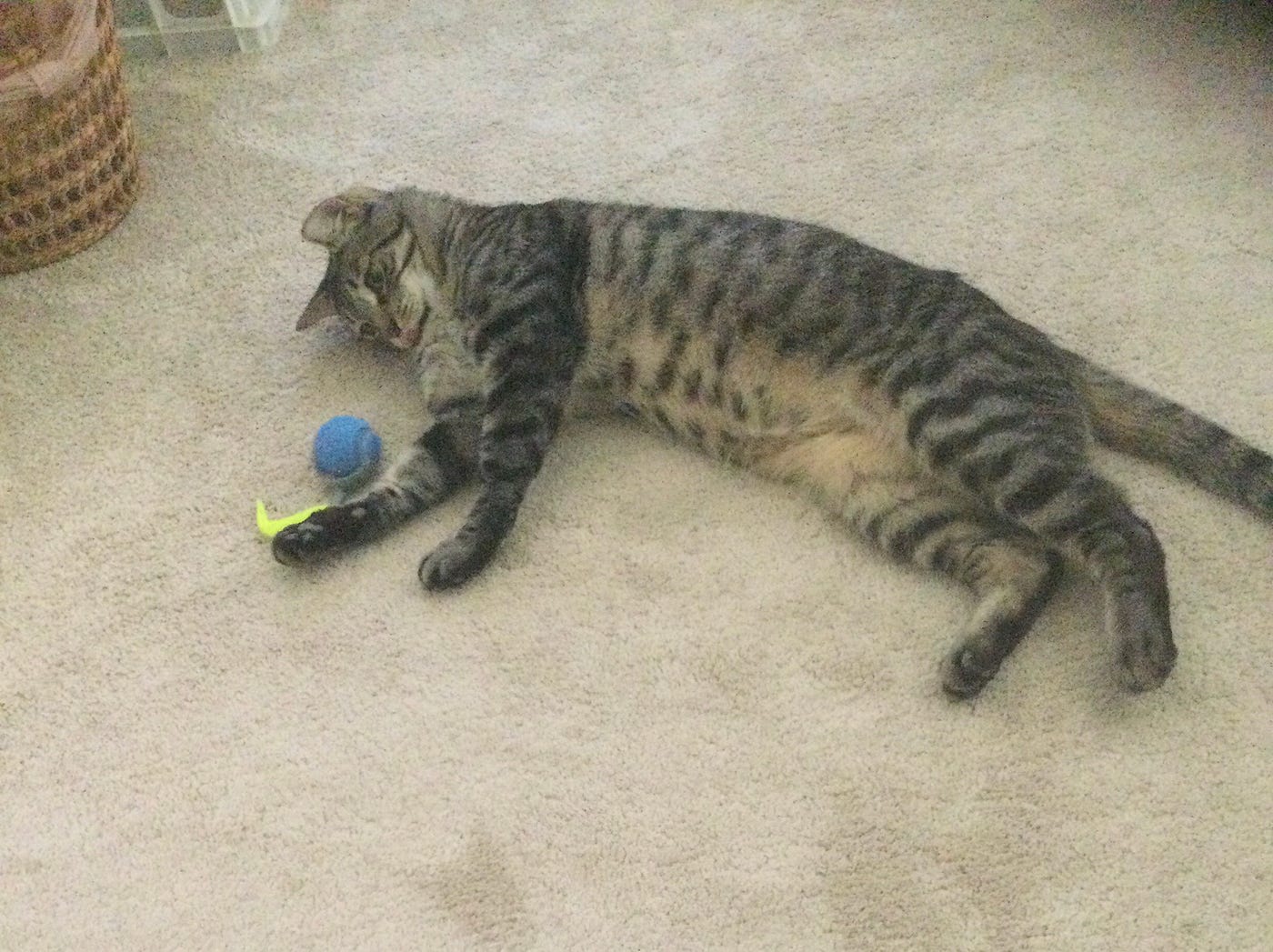
Credit: medium.com
Stray Cats And Play Behavior
Stray cats often surprise people with their playful behavior, even though they live in unpredictable environments. Understanding how these cats engage with toys can reveal a lot about their survival skills and natural instincts. If you’ve ever wondered whether stray cats enjoy playtime or if it’s just a pet cat’s luxury, this section will shed some light on their unique play habits.
Natural Instincts Behind Play
Play is more than just fun for cats; it hones essential survival skills. Stray cats use play to practice hunting moves like stalking, pouncing, and chasing.
Even a simple twig or a piece of paper can become a “prey” in their eyes. This play behavior keeps their reflexes sharp and prepares them for real-life challenges.
Have you noticed how a stray cat’s eyes lock onto a moving object? That intense focus is part of their natural hunting instinct triggered during play.
Differences Between Stray And Pet Cats
Pet cats often play in a more relaxed and repetitive way, enjoying toys as a source of entertainment and bonding. Stray cats, however, play with a sharper edge because every movement could mean food or danger.
Unlike pet cats, stray cats rarely have a variety of toys, so they adapt by turning anything around into a plaything. A crumpled leaf, a moving shadow, or even a small insect can spark their playful side.
This difference affects how you might approach offering toys to a stray cat. They might prefer toys that mimic the unpredictable movements of prey rather than predictable, mechanical toys.

Credit: www.amazon.com
Types Of Toys That Attract Stray Cats
Stray cats often seem tough and independent, but they do enjoy play just like house cats. The right toys can catch their attention and help build trust. Understanding what kinds of toys attract stray cats can make your efforts more effective and rewarding.
Movement-based Toys
Stray cats are naturally drawn to anything that moves unpredictably. Toys like feather wands, balls that roll erratically, or even battery-operated mice can spark their hunting instincts.
When I placed a simple string toy outside, a wary cat I’d been watching approached cautiously, then pounced with surprising enthusiasm. Movement-based toys tap into their curiosity and can turn a cautious observer into an eager player.
Scent-infused Toys
Stray cats rely heavily on their sense of smell. Toys infused with catnip or valerian root can be irresistible to them. These scents stimulate their senses and encourage playful behavior.
Try rubbing a small cloth with catnip and leaving it near where the cats gather. You might notice a change in their behavior as they become more relaxed and playful around the scent.
Interactive And Diy Options
Interactive toys that require cats to figure something out can hold their attention longer. Puzzle feeders or boxes with hidden treats work well. You don’t need to spend a lot—simple DIY options like crumpled paper balls or cardboard tubes can keep them engaged.
Once, I made a small toy using a toilet paper roll and some treats. The stray cats took turns investigating it for hours. These types of toys provide mental stimulation and can make your interaction more meaningful.
Benefits Of Toys For Stray Cats
Toys offer many benefits for stray cats. They help improve the cats’ quality of life. Toys keep cats busy and happy. Stray cats often face stress and boredom. Toys provide a safe way to express natural hunting skills. They also encourage movement and mental activity. Here are key benefits of toys for stray cats.
Mental Stimulation
Toys challenge stray cats’ minds. They encourage problem-solving and curiosity. Mental stimulation prevents boredom and negative behaviors. Interactive toys, like puzzle feeders, keep cats thinking. Engaging their senses helps stray cats stay alert. This mental exercise supports overall brain health.
Physical Exercise
Toys promote physical activity for stray cats. Chasing and pouncing strengthen muscles and improve agility. Exercise helps maintain a healthy weight and flexibility. Active cats are less likely to develop health problems. Toys encourage natural hunting movements, which stray cats enjoy. Movement is vital for their survival and wellbeing.
Stress Relief
Toys provide comfort and reduce stress for stray cats. Play helps release built-up tension and anxiety. Engaging with toys distracts cats from harsh environments. Stress relief supports better sleep and mood. Toys offer a sense of safety and control. This helps stray cats feel more relaxed and secure.
How To Introduce Toys To Stray Cats
Stray cats often enjoy toys that mimic small animals or birds. Introducing toys slowly helps build their trust and interest. Observing their reactions guides you to choose the best toys for play and comfort.
Introducing toys to stray cats can help them feel more comfortable and secure. Toys offer a way to engage their instincts and provide mental stimulation. Before you start, it’s important to consider the unique needs of stray cats. They may be wary and cautious, so patience is key.Building Trust Gradually
Begin by placing toys near their usual spots. Let them sniff and explore at their own pace. Use toys like feather wands or small balls that can be batted around. Avoid overwhelming them with too many toys at once.Safe Play Environment
Ensure the play area is quiet and free from loud noises. Remove any potential hazards like sharp objects or toxic plants. Provide a space where the cat can retreat if they feel scared. A safe environment encourages curiosity and exploration.Observing Reactions And Preferences
Watch how the cat interacts with different toys. Do they prefer toys that move or ones that make noise? Adapt your choices based on their reactions. Some might like chasing, while others enjoy batting at stationary toys.Common Misconceptions About Stray Cats And Toys
Many people have fixed ideas about stray cats and their behavior, especially when it comes to toys. These ideas often come from misunderstandings rather than actual experience. Let’s clear up some common misconceptions that might stop you from engaging with stray cats through play.
Strays Don’t Enjoy Play
It’s easy to assume that stray cats are too focused on survival to have fun. But just like any cat, they have natural hunting instincts that make play enjoyable and beneficial. I once watched a stray cat chase a simple string with intense focus and joy—it wasn’t just about catching food; it was pure entertainment.
Play helps strays improve coordination and reduce stress. When you offer toys, many will respond eagerly once they feel safe. So, don’t be surprised if a stray cat suddenly becomes lively and engaged with a toy you offer.
Toys Are Only For Domesticated Cats
People often believe toys are luxuries for pet cats living indoors. This idea misses the point that toys stimulate mental and physical activity, which stray cats need too. In fact, toys can be a great way to build trust and encourage interaction with a cat that’s wary of people.
Simple toys like balls, feathers, or even crumpled paper can become exciting challenges for a stray. Have you ever tried tossing a small toy to a stray and noticed how their eyes light up? It’s a moment of connection that benefits both of you.
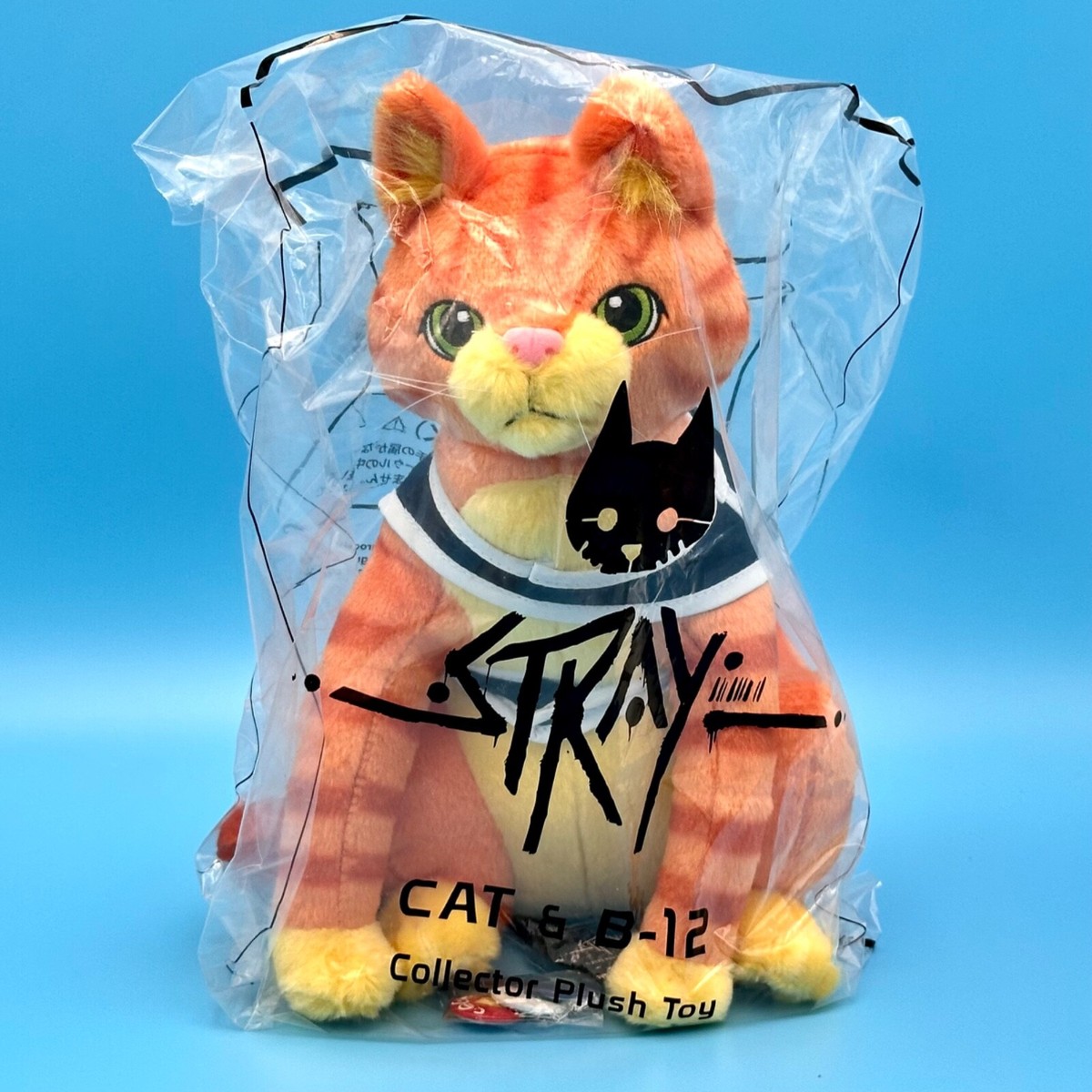
Credit: www.ebay.com
Tips For Cat Lovers Engaging With Stray Cats
Engaging with stray cats can be a rewarding experience if you approach it with patience and respect. Strays often have a cautious nature, so understanding how to interact with them through play can build trust over time. Here are some practical tips to help you connect with these independent creatures while respecting their unique personalities.
Choosing The Right Toys
Stray cats usually prefer toys that mimic the movement of prey. Simple items like feather wands, small balls, or even crumpled paper can catch their attention quickly.
Avoid toys that are too noisy or overly complex, as these might scare them away. Pay attention to their reactions—do they chase, paw, or ignore the toy? This feedback helps you find what excites them most.
Respecting Boundaries
Strays often have a different comfort level with human contact. If a cat backs away or hisses, don’t push further. Your goal is to build trust, not force interaction.
Let the cat come to you when it feels ready. Offer toys nearby without trying to grab their attention aggressively. Sometimes, just sitting quietly while holding a toy is enough to spark curiosity.
Encouraging Regular Play
Consistency is key to forming a bond. Try to engage with the stray cat at the same time each day, using toys they enjoy. This routine helps them anticipate and look forward to your visits.
Also, vary the play style to keep things interesting. If the cat likes chasing, try quick, darting movements. If it prefers batting, slow, rolling toys might work better. What new toy or game could you introduce next time to deepen your connection?
Frequently Asked Questions
Do Stray Cats Enjoy Playing With Toys?
Yes, many stray cats enjoy playing with toys. Toys provide mental stimulation and physical activity, which helps reduce stress and boredom in stray cats.
What Types Of Toys Attract Stray Cats Most?
Stray cats are often attracted to toys that mimic prey, like feather wands, laser pointers, and small balls. These toys encourage their natural hunting instincts.
Can Toys Help Socialize Stray Cats?
Yes, toys can help socialize stray cats by encouraging interaction with humans. Playing together builds trust and reduces fear of people over time.
How Do Toys Benefit Stray Cats’ Health?
Toys promote exercise, which helps stray cats maintain a healthy weight and strong muscles. They also reduce anxiety and prevent destructive behavior.
Conclusion
Stray cats often enjoy toys just like pet cats do. Toys help them stay active and reduce stress. Simple items like balls or strings catch their attention quickly. Playing also builds trust between humans and strays. Not all strays react the same, but many show interest.
Offering toys can improve their daily life and happiness. Small efforts can make a big difference for these cats. Toys bring joy and comfort to stray cats everywhere.


Leave a Reply