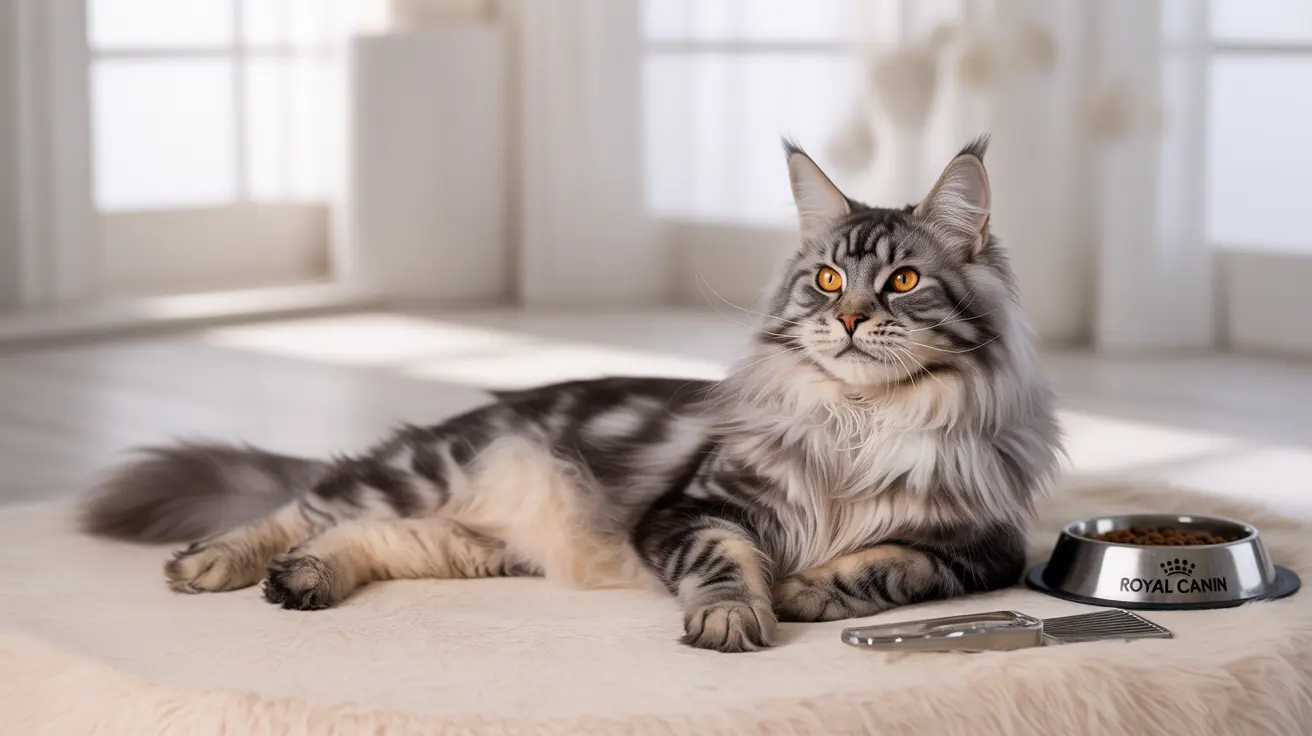
Thinking about bringing a new cat into your home? Buying a cat from a breeder can be exciting, but it also comes with important things you need to know.
You want to make sure your new furry friend is healthy, happy, and a perfect fit for your family. You’ll discover key tips that will help you choose the right breeder, avoid common mistakes, and understand what to expect throughout the process.
By the end, you’ll feel confident and ready to welcome your new cat with open arms. Keep reading to learn everything you need before making this important decision.

Credit: greensafaris.com
Choosing The Right Breeder
Choosing the right breeder matters for a healthy and happy cat. A good breeder cares about the cats’ well-being and breeds responsibly. This choice affects your cat’s health, behavior, and lifespan. Take time to find a breeder who meets high standards and shares your values.
Researching Breeder Reputation
Start by checking the breeder’s reputation online. Look for reviews and testimonials from past buyers. Trusted breeders often have positive feedback and clear communication. Avoid breeders with many complaints or unclear information. Join cat forums or social media groups to ask for recommendations.
Visiting The Breeder’s Facility
Visit the breeder’s home or cattery. See how they treat their cats and kittens. The place should be clean, safe, and spacious. Cats should look healthy and active. Watch how the breeder interacts with the animals. Friendly and knowledgeable breeders are a good sign.
Checking For Health Certifications
Ask for health certificates for the kittens and their parents. Good breeders test for common genetic diseases. Vaccinations and vet checks should be up to date. Health certificates prove the cat’s condition and reduce future medical risks. Never buy a cat without proper health documentation.
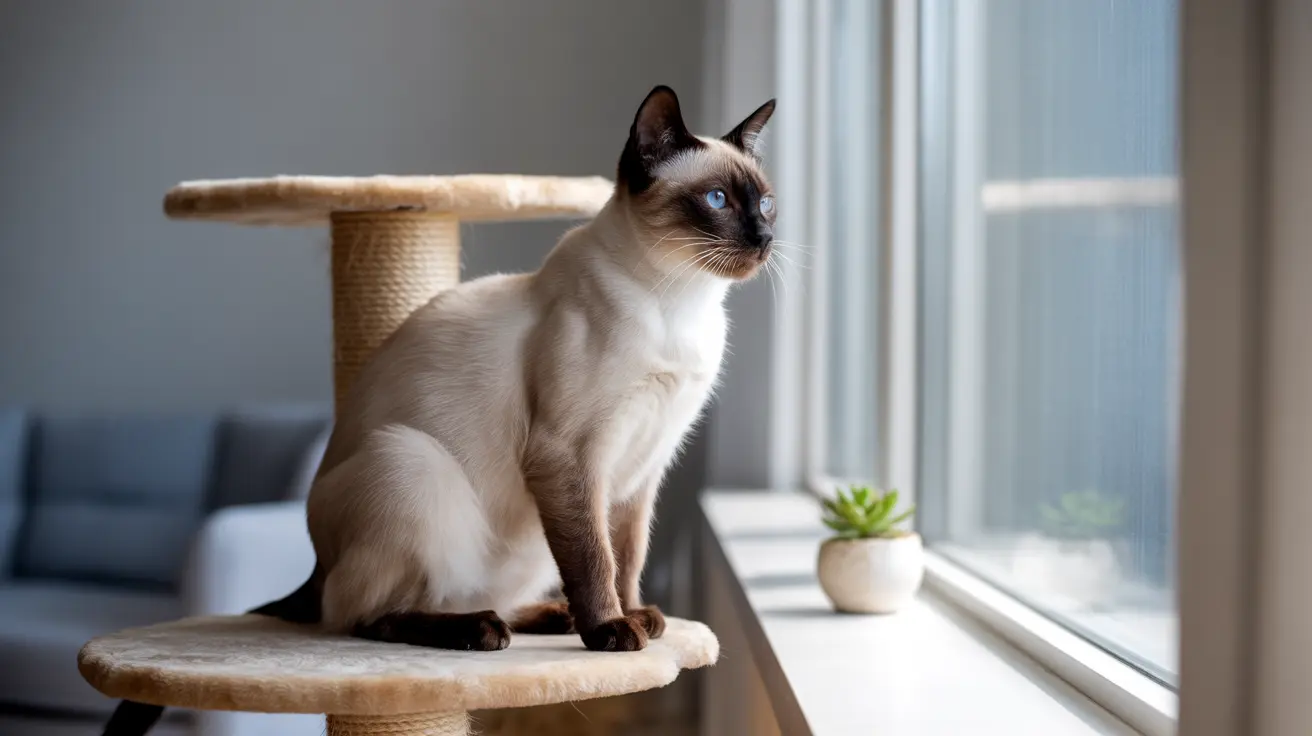
Credit: www.petscare.com
Evaluating Cat Health
Evaluating a cat’s health is key before buying from a breeder. A healthy kitten grows into a happy pet. Observing health signs and verifying medical records ensures a safe choice.
Common Health Screenings
Breeders should test cats for genetic and infectious diseases. Typical screenings include:
- Feline leukemia virus (FeLV)
- Feline immunodeficiency virus (FIV)
- Heart disease checks
- Hip dysplasia evaluations
- Eye and ear examinations
Ask the breeder for test results. Healthy parents often mean healthy kittens.
Signs Of A Healthy Kitten
- Bright, clear eyes without discharge
- Clean ears without odor or redness
- Shiny, soft fur without bald spots
- Active and playful behavior
- Steady breathing without coughing or sneezing
- Good appetite and normal weight
- Pink gums and healthy teeth
Healthy kittens respond well to people and surroundings. Watch for alertness and energy.
Vaccination And Deworming Records
Vaccinations protect kittens from serious diseases. Deworming keeps parasites away. A responsible breeder provides clear, up-to-date records.
- Check for first vaccines like rabies and distemper
- Confirm dates of shots and boosters
- Review deworming treatments and schedules
- Ask about flea and tick prevention
Proper medical care shows the breeder’s dedication to kitten health.
Questions To Ask The Breeder
Ask about the cat’s health history and vaccinations to ensure it is well cared for. Find out about the breeder’s experience and how they raise their cats. Understanding these details helps in choosing a healthy and happy pet.
When you’re considering buying a cat from a breeder, it’s crucial to arm yourself with the right questions. This helps ensure you make an informed decision, leading to a healthy and happy feline companion. Engaging with the breeder about their practices and the cats’ backgrounds will give you valuable insights into the environment your potential pet is coming from.Breeding Practices And Ethics
Understanding a breeder’s practices is essential. Ask about their breeding philosophy and how they maintain genetic diversity. A responsible breeder will focus on the health and temperament of their cats over quantity. Make sure they follow ethical breeding standards. Inquire if they belong to any reputable breeding associations and adhere to their guidelines. This will give you confidence in their commitment to ethical practices.Parental Cat Backgrounds
Knowing the background of the parent cats is vital for predicting your kitten’s future health and behavior. Ask about the health screenings and genetic testing performed on the parents. This can help prevent potential health issues in your new cat. Discuss the temperament and characteristics of the parent cats. It’s a good idea to meet them if possible. This can offer a glimpse into your future cat’s personality and potential quirks.Socialization And Early Care
Early socialization is crucial for a kitten’s development. Ask the breeder how they socialize their kittens and what steps they take to expose them to different environments and people. Inquire about the care provided during the first few weeks of life. Details such as feeding schedules, veterinary check-ups, and interaction with humans can significantly affect a kitten’s adaptability and behavior. By asking these questions, you can ensure that you’re bringing home a well-adjusted and healthy feline friend. What other questions do you think are important when choosing a breeder?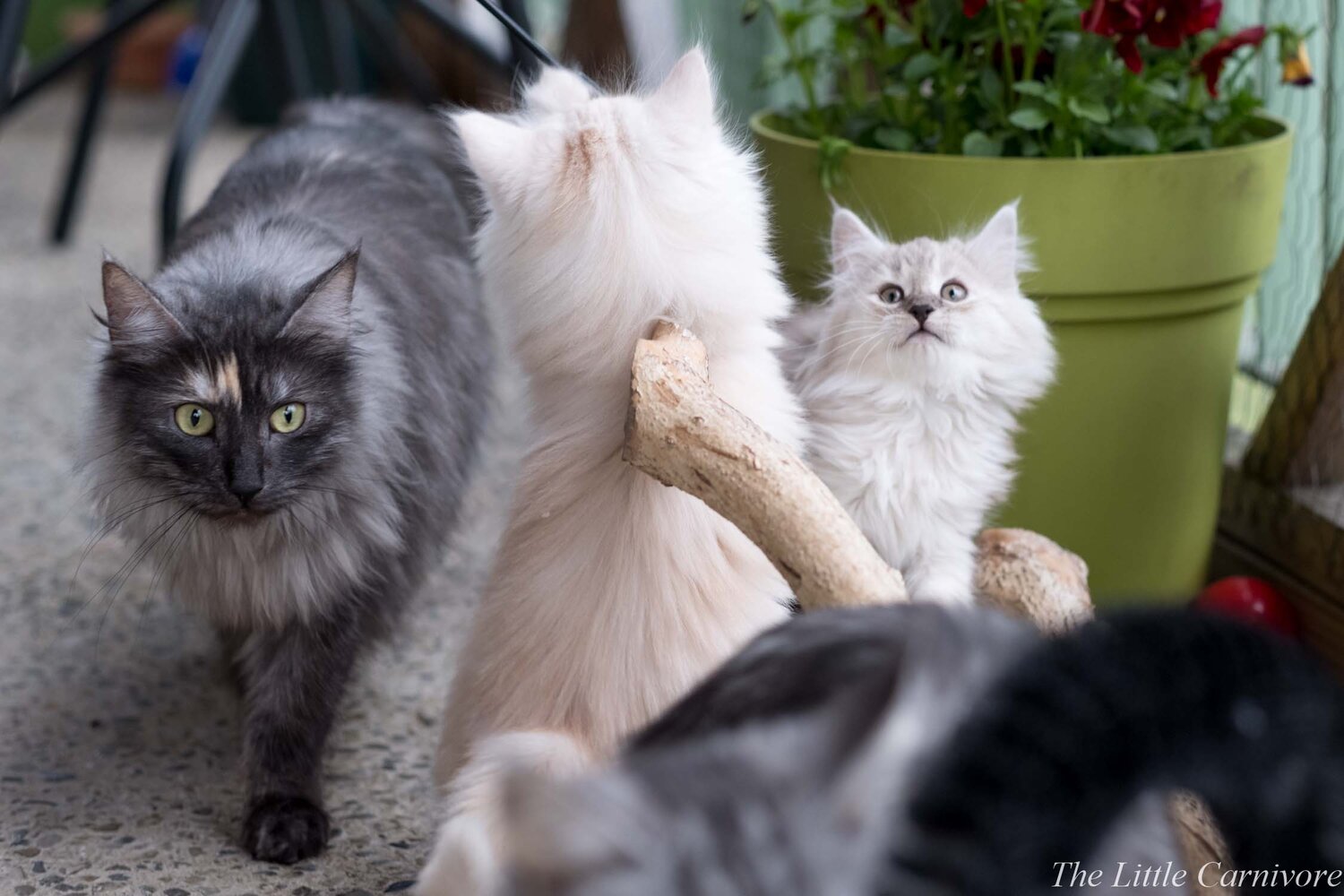
Credit: thelittlecarnivore.com
Understanding Costs And Contracts
Buying a cat from a breeder involves more than just picking a pet. Understanding the costs and contracts is essential. These details protect you and ensure a smooth buying process. Knowing what expenses to expect helps you plan your budget well. Contracts outline your rights and responsibilities with the breeder.
Price Breakdown
The price of a cat from a breeder varies by breed and quality. It usually covers:
- Health checks and vaccinations
- Microchipping and registration
- Breeder’s care and early socialization
- Pedigree and breeding rights
Some breeds cost more due to rarity or special traits. Ask the breeder for a clear list of what the price includes.
Deposit And Payment Terms
A deposit often secures your place on the waiting list. It shows you are serious about buying. The deposit amount varies but is usually 10-30% of the total price.
Payment methods can include bank transfer, cash, or online payment. Confirm the payment schedule before signing any contract. Some breeders require full payment before handing over the cat.
Return And Refund Policies
Contracts should explain what happens if you cannot keep the cat. Return policies vary between breeders. Some accept returns within a set time, others do not.
Refunds depend on the reason for returning the cat. Health issues or breeder fault might allow a refund. Personal reasons usually do not.
Read these policies carefully to avoid surprises later. Clear communication with the breeder helps protect both sides.
Preparing For Your New Cat
Preparing for your new cat means creating a safe and welcoming space. Cats need comfort and care from day one. This helps them feel secure and happy in their new home. Planning ahead makes the transition easier for both of you.
Home Setup Essentials
Set up a quiet space just for your cat. Include a cozy bed and a litter box nearby. Provide food and water bowls in a calm area. Add scratching posts to save your furniture. Keep toys ready to encourage play and exercise.
Initial Vet Visit
Schedule a vet appointment soon after bringing your cat home. The vet will check overall health and vaccinations. Discuss diet, parasite control, and microchipping. Early vet care helps prevent future health problems. Keep a record of all vaccinations and treatments.
Transition Tips For The Kitten
Let your kitten explore one room at a time. Allow time to adjust without loud noises or sudden movements. Offer gentle play and quiet moments to build trust. Use familiar blankets or toys from the breeder. Patience and calm will help your kitten settle quickly.
Frequently Asked Questions
How To Find A Reputable Cat Breeder?
Look for breeders registered with recognized cat associations. Check reviews, ask for health clearances, and visit their cattery. A reputable breeder prioritizes the cats’ health and socialization.
What Questions Should I Ask A Cat Breeder?
Ask about the cat’s health history, vaccinations, and socialization. Inquire about the parents’ temperament and genetic testing. Also, ask about return policies and post-adoption support.
Are Cats From Breeders Healthier Than Shelter Cats?
Breeder cats often have documented health screenings and vaccinations. However, shelter cats can also be healthy and loving. Both options require responsible care and regular vet visits.
How Much Does Buying A Cat From A Breeder Cost?
Prices vary by breed, pedigree, and breeder reputation. Expect to pay more for rare or purebred cats. Always consider additional costs like vaccinations and microchipping.
Conclusion
Buying a cat from a breeder needs careful thought. Choose a breeder who cares for cats’ health and happiness. Ask many questions about the cat’s background and care. Visit the breeder to see how they treat their cats. Remember, a good start helps your cat live well.
Take time to find the right cat for your home. This way, you will enjoy many happy years together. Trust your feelings and be patient during your search. A healthy and happy cat makes a great pet.

Leave a Reply