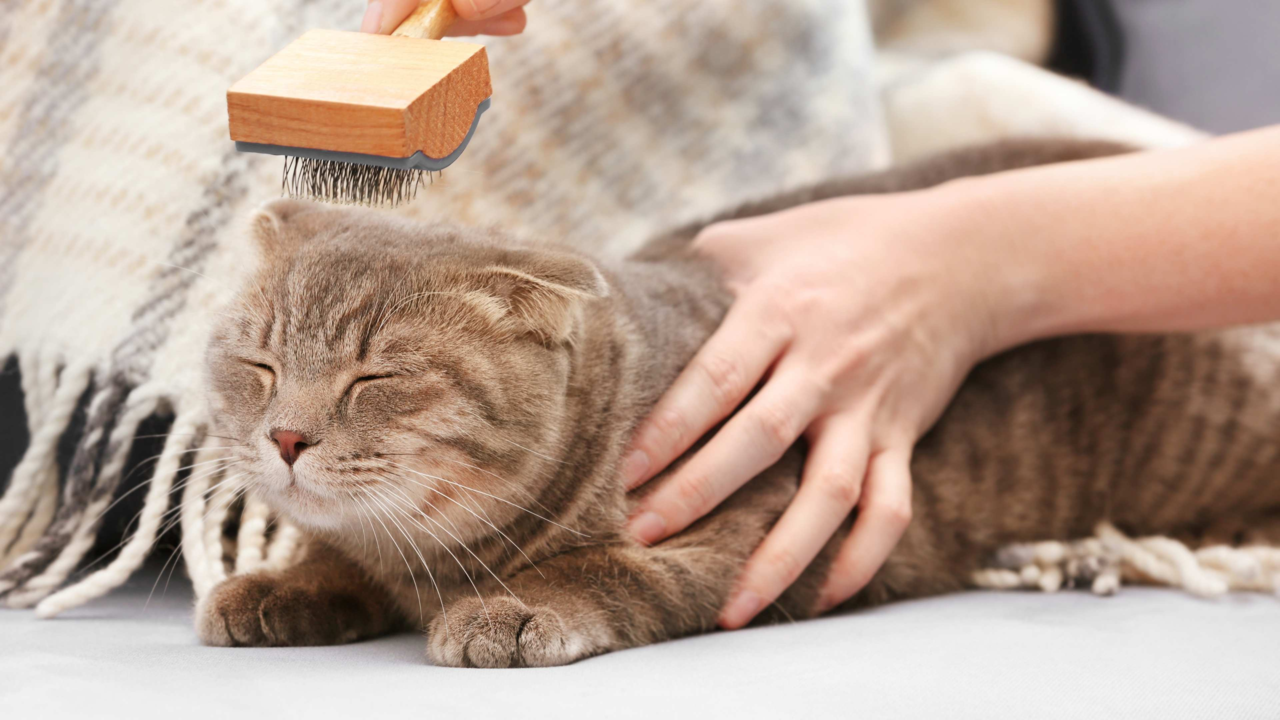
Grooming your cat at home might seem tricky, but it’s easier than you think. When you take a few simple steps, you can keep your furry friend looking great and feeling comfortable.
Imagine your cat enjoying gentle brushing, clean fur, and no mats or tangles—all without a stressful trip to the groomer. In this guide, you’ll discover easy tips and tricks that make grooming a calm and bonding experience for both of you.
Ready to help your cat look and feel their best? Let’s get started.
Preparing For Grooming
Preparing for grooming your cat at home sets the stage for a smoother experience. It’s more than just grabbing a brush and starting; it involves thoughtful planning to ensure your cat feels safe and comfortable. Taking these steps can reduce stress for both you and your feline friend.
Choosing The Right Tools
Picking the right grooming tools makes a big difference. Your cat’s fur type matters—short-haired cats need a different brush than long-haired breeds. A slicker brush works well for thick coats, while a rubber grooming mitt can help with shedding for short-haired cats.
Don’t forget to have a pair of nail clippers designed for pets. Using human clippers can cause injury or discomfort. Also, keep some styptic powder handy in case you accidentally trim the nails too short.
Creating A Calm Environment
Where you groom your cat is just as important as how you do it. Choose a quiet, familiar spot free from loud noises or distractions. Soft lighting and a comfortable surface can help your cat feel more relaxed.
Try playing soothing music or speaking gently to your cat during grooming. Have some treats nearby as positive reinforcement. This can turn grooming into a bonding activity instead of a chore.
Timing Your Grooming Session
Knowing when to groom your cat can make the process much easier. Pick a time when your cat is naturally calm, such as after a nap or a meal. Avoid times when your cat is overly energetic or hungry.
Keep sessions short at first—just a few minutes—to build your cat’s tolerance. Gradually, you can extend the time as your cat becomes more comfortable. Have patience; rushing can cause stress for both of you.

Credit: www.petscare.com
Brushing Techniques
Brushing your cat regularly is more than just a grooming task; it helps maintain their coat’s health and strengthens your bond. Understanding the right brushing techniques can make the experience enjoyable for both you and your feline friend. Let’s explore how to select the best brush and the right ways to brush different types of coats, including tips for handling mats and tangles.
Selecting The Best Brush
Choosing the right brush depends on your cat’s fur type and skin sensitivity. For short-haired cats, a soft-bristle brush or rubber grooming mitt works well to remove loose hair and dirt gently. Long-haired cats benefit from a slicker brush or a wide-toothed comb that reaches through dense fur without pulling.
Think about your cat’s comfort—some brushes might irritate sensitive skin, so always test on a small area first. If your cat has allergies or skin issues, consult your vet before picking a brush.
Brushing Short-haired Cats
Short-haired cats usually require less brushing but still benefit from it to reduce shedding and hairballs. Use gentle, short strokes in the direction of hair growth to avoid irritating the skin. Pay special attention to areas like the neck and under the legs, where loose fur tends to gather.
Try brushing for 5 to 10 minutes a few times a week. Notice how your cat reacts—if they seem restless, pause and try again later. Could shorter sessions make grooming more enjoyable for them?
Brushing Long-haired Cats
Long-haired cats need more frequent brushing, often daily, to prevent tangles and mats. Start by using a wide-toothed comb to gently separate the fur before using a slicker brush to smooth the coat. Work section by section to ensure you don’t miss any hidden tangles.
Be patient and calm—long-haired cats can be sensitive to brushing pressure. Have you found any brushing rhythm that keeps your cat relaxed and cooperative?
Dealing With Mats And Tangles
Mats can be uncomfortable and even painful for your cat if left untreated. Use a detangling spray or a small amount of conditioner made for cats to soften the fur before gently working through mats with your fingers or a mat splitter. Avoid pulling hard, as this can hurt your cat.
If mats are severe, trim them carefully with scissors or ask a professional groomer for help. How do you handle mats without stressing your cat? Sometimes, patience and gentle care make all the difference.
Bathing Your Cat
Bathing a cat can be gentle and calm with the right steps. Use warm water and mild shampoo designed for cats. Keep the experience short to help your pet stay relaxed.
Bathing your cat can seem like a daunting task. However, with the right approach, it can be a smooth experience for both you and your feline friend. A bath can help maintain your cat’s coat and skin health, and might even strengthen the bond between you two.When To Bathe Your Cat
Cats are generally self-groomers, but there are times when a bath is necessary. If your cat has gotten into something sticky, oily, or harmful, a bath is the best way to clean them up. Also, consider bathing if your cat has a skin condition that requires special care. Older cats or those with mobility issues may not groom themselves as effectively. In such cases, periodic baths can help maintain their hygiene. But how often should you do this? As little as possible—cats typically don’t need frequent baths.Step-by-step Bathing Process
Before starting, gather all the necessary supplies: a mild cat shampoo, a large cup or spray nozzle, and a soft towel. Fill the bathtub or sink with a few inches of lukewarm water. – Preparation: Gently brush your cat to remove any loose fur and tangles. This step also helps to calm them. – Bathing: Slowly place your cat in the water, using a calm and soothing voice. Wet their fur with the cup or nozzle, avoiding the face area. – Shampooing: Apply a small amount of cat shampoo, working from the neck down. Lather gently, making sure to reach the underbelly and tail. – Rinsing: Thoroughly rinse out the shampoo with clean water. Ensure no residue is left, as this can irritate your cat’s skin.Drying Tips
After the bath, it’s important to dry your cat thoroughly to prevent them from getting cold. Use a soft towel to gently pat your cat dry. Consider using a hairdryer on the lowest setting if your cat is comfortable with the noise. Keep the dryer at a safe distance to avoid overheating. Finally, offer a cozy spot for your cat to finish drying naturally. They might appreciate some extra warmth, like a soft blanket or a sunny window ledge.
Credit: justcatsclinic.com
Nail Trimming Tips
Trimming your cat’s nails at home can seem daunting, but it’s an important part of their grooming routine. Keeping nails at a healthy length prevents discomfort and protects your furniture. With the right approach, you can make nail trimming a calm and even enjoyable experience for both you and your cat.
Tools You Need
Having the right tools makes a big difference in how smoothly nail trimming goes. Invest in a pair of sharp, quality cat nail clippers—they’re designed to cut cleanly without splitting the nails.
- Guillotine-style or scissor-style clippers made for cats
- A nail file or emery board to smooth rough edges
- Styptic powder or cornstarch to stop bleeding in case of accidental cuts
- Treats to reward your cat and keep the mood positive
Using the wrong tool can cause your cat pain or stress, so avoid human nail clippers or dull scissors. Have everything ready before you start to keep the process quick and smooth.
How To Trim Safely
Safety is key during nail trimming to protect your cat’s sensitive quick—the pink part inside the nail that contains nerves and blood vessels. Cutting into the quick can cause pain and bleeding.
- Hold your cat comfortably, ideally on your lap or a stable surface.
- Press gently on the paw pad to extend the nail fully.
- Trim only the sharp tip, avoiding the pink quick area.
- If your cat has dark nails, trim small bits at a time to avoid cutting too far.
Stopping to check your progress reduces the chance of mistakes. If you accidentally cut the quick, apply styptic powder immediately to stop bleeding.
Handling Nervous Cats
Many cats feel uneasy about nail trimming. Your patience and calm energy can help them relax. Try trimming nails after playtime or when your cat is sleepy and more tolerant.
Break the session into short steps. Trim one or two nails at a time and offer treats or gentle petting between trims.
Consider wrapping your cat gently in a towel if they resist, leaving one paw free at a time. This can prevent scratching and help you maintain control without causing stress.
Have you noticed which time of day or setting makes your cat most relaxed? Use that to your advantage to turn nail trimming into a smoother routine.
Cleaning Ears And Eyes
Cleaning your cat’s ears and eyes is essential for their comfort and health. These areas can easily collect dirt, wax, and discharge that might lead to irritation or infection. Regular care helps you catch problems early and keep your feline friend feeling their best.
Ear Cleaning Basics
Start by gently checking your cat’s ears for dirt or wax buildup. Use a soft cotton ball or a cloth dampened with a vet-approved ear cleaner to wipe the visible parts.
Avoid inserting anything deep into the ear canal—it can hurt your cat and push debris further inside. If you notice a strong smell or excessive wax, it might be time for a vet visit.
Eye Care Routine
Keep your cat’s eyes clear by wiping away any discharge with a clean, damp cloth. Use a separate cloth for each eye to prevent spreading any potential infection.
Make sure the cloth is warm, not cold, to avoid startling your cat. Regularly removing crust or tears helps prevent irritation and keeps their vision sharp.
Signs Of Infection To Watch
- Redness or swelling around the ears or eyes
- Excessive scratching or pawing at the face
- Thick, yellow, green, or foul-smelling discharge
- Frequent head shaking or tilting
- Squinting or sensitivity to light
Noticing any of these signs means your cat needs a vet’s attention. Early detection can save your pet from discomfort and more serious health issues.
Maintaining Dental Health
Maintaining your cat’s dental health is key to their overall well-being. Poor dental care can lead to pain, infections, and even affect their heart or kidneys. You can make a big difference at home with simple steps that fit into your routine.
Brushing Your Cat’s Teeth
Brushing your cat’s teeth might sound tricky, but it’s possible with patience. Use a toothbrush designed for cats and toothpaste made specifically for them—never use human toothpaste. Start slowly, letting your cat get used to the taste and feel before brushing gently in small circles.
Try to brush daily, or at least a few times a week. If your cat resists, break sessions into short intervals. Remember, consistency matters more than speed.
Dental Treats And Toys
Dental treats and toys can help reduce plaque and tartar. Look for treats labeled to support dental health, which usually have textures that clean teeth as your cat chews. Some toys are designed to massage gums and scrape off buildup.
Not every treat or toy works the same for every cat. Watch how your cat interacts with them and choose what they enjoy while benefiting their teeth. Have you noticed your cat favoring a certain toy or treat? That preference can guide your choices.
Recognizing Dental Issues
Spotting dental problems early can save your cat discomfort and costly vet visits. Signs include bad breath, drooling, difficulty eating, pawing at the mouth, or red and swollen gums. You might even see broken or loose teeth.
If you notice any of these signs, schedule a vet appointment promptly. Regularly checking your cat’s mouth at home helps you catch issues early—how often do you peek inside your cat’s mouth?
Keeping Your Cat Comfortable
Keeping your cat comfortable during grooming is key to a calm and successful experience. Cats can be sensitive to touch and changes in routine, so your approach needs to be gentle and attentive. Focusing on their comfort helps build trust and makes grooming a positive part of your cat’s day.
Positive Reinforcement
Use treats and praise to reward your cat during grooming. This encourages good behavior and helps your cat associate grooming with something pleasant. Even small rewards, like a soft voice or gentle petting, can make a big difference.
Try giving a favorite treat after brushing or trimming nails. This simple act can turn grooming into a fun activity rather than a chore.
Recognizing Stress Signals
Watch your cat’s body language carefully. Signs like flattened ears, dilated pupils, or tail flicking indicate stress. When you see these signals, pause and give your cat a break.
Understanding your cat’s limits prevents fear and resistance. Have you noticed how your cat reacts when grooming gets too intense? Adjusting to their signals keeps the process smooth and stress-free.
Making Grooming Enjoyable
Create a calm environment with soft lighting and minimal noise. Use tools that your cat likes, such as a brush with gentle bristles. Keep sessions short and end on a positive note.
Play calming music or talk softly to your cat throughout grooming. These small touches can transform grooming into a bonding experience rather than a stressful task.

Credit: www.purina.com
Frequently Asked Questions
How Often Should I Groom My Cat At Home?
Groom your cat weekly to prevent matting and reduce shedding. Long-haired cats may need grooming every 2-3 days. Regular grooming keeps their coat healthy and reduces hairballs.
What Tools Are Best For Grooming Cats At Home?
Use a slicker brush, comb, and nail clippers. A grooming glove helps remove loose fur. Choose tools suitable for your cat’s fur type to avoid discomfort.
How Can I Make Grooming Stress-free For My Cat?
Start grooming slowly and use treats to reward calm behavior. Groom in a quiet, comfortable space. Keep sessions short and positive to build trust.
Can I Bathe My Cat During Home Grooming?
Bathing is not always necessary but can help if your cat is dirty. Use cat-specific shampoo and lukewarm water. Be gentle and ensure thorough drying to avoid chills.
Conclusion
Grooming your cat at home keeps them healthy and happy. Regular brushing reduces shedding and prevents mats. It also helps you notice any skin problems early. Use gentle tools and speak softly to keep your cat calm. Short sessions work best to avoid stress.
With patience, grooming becomes a bonding time for both of you. Try to make it a routine part of your week. Your cat will thank you with a shiny, clean coat. Simple steps lead to great care.

Leave a Reply