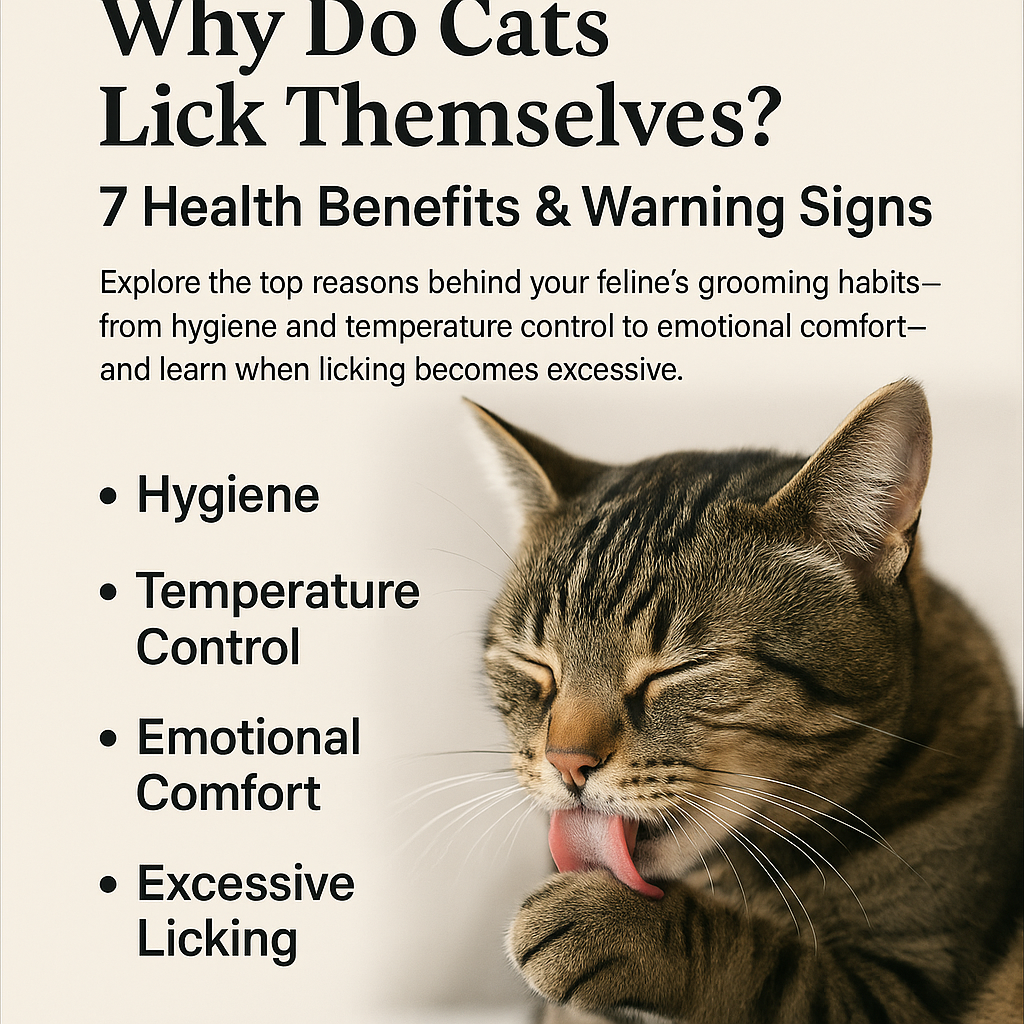
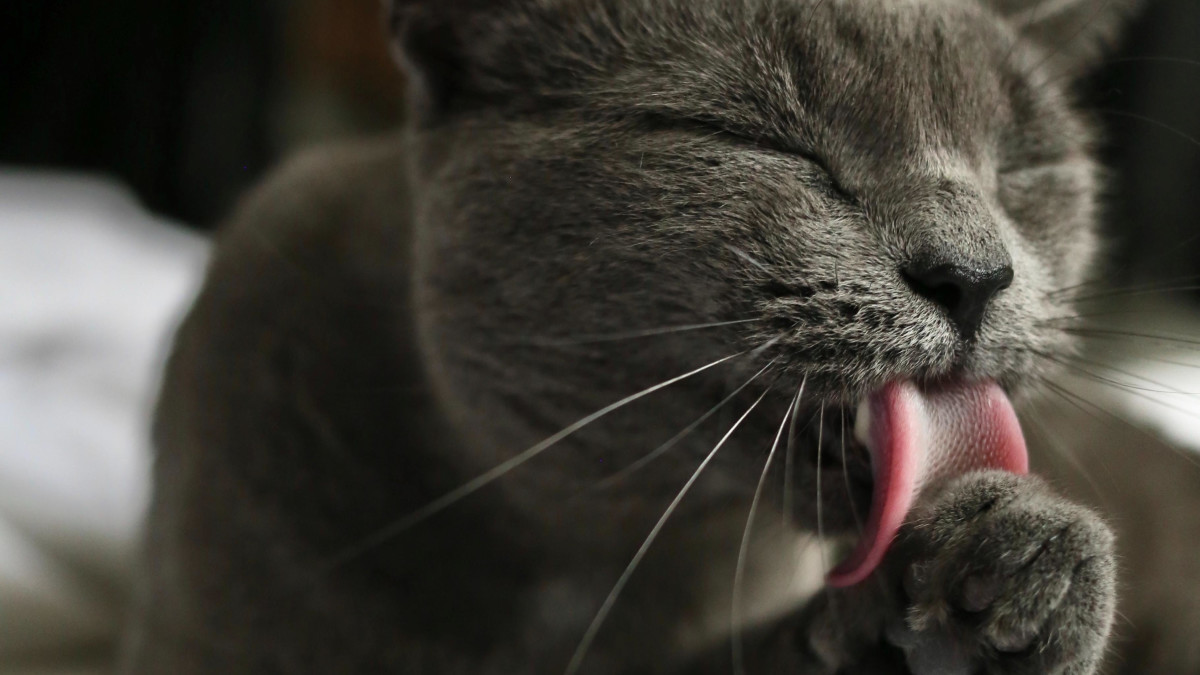
Have you noticed your cat spending a lot of time licking and cleaning herself? It might seem normal, but when your cat is constantly grooming, it can be a sign of something more.
You might wonder why she can’t seem to stop or if there’s a problem you should worry about. Understanding your cat’s grooming habits is key to keeping her happy and healthy. Keep reading to discover the surprising reasons behind your cat’s endless grooming and what you can do to help.
Normal Grooming Habits
Watching your cat spend a good part of her day cleaning herself might make you wonder if this is normal or a sign of something else. Cats are known for their grooming, but understanding what counts as healthy grooming habits can help you recognize when to worry. Let’s look closer at what grooming means for your feline friend and how often it usually happens.
Purpose Of Grooming
Grooming is more than just keeping your cat looking neat. It helps control body temperature by spreading saliva on the fur, which cools them down as it evaporates.
It also removes dirt, loose hair, and parasites like fleas, which keeps your cat healthier. Grooming provides comfort and reduces stress, acting as a calming ritual for your pet.
Have you noticed your cat grooming more after a stressful event, like a loud noise or a visit to the vet? This behavior shows how grooming helps your cat feel safe and relaxed.
Frequency In Cats
Cats typically groom themselves several times a day, often spending up to 50% of their waking hours cleaning their fur. This is completely normal and necessary for their wellbeing.
Older cats or those with health issues might groom less, while anxious cats might groom more than usual. If your cat suddenly starts grooming excessively or not at all, it could be a sign to check with your vet.
Think about your cat’s usual routine. Does she groom more after eating or waking up? Noticing these patterns helps you understand what’s typical for your pet and what might need attention.

Credit: www.reddit.com
Health-related Causes
Constant grooming in cats can signal health issues beneath the surface. Cats often lick themselves to stay clean, but excessive grooming may point to discomfort or illness. Understanding health-related causes helps identify when your cat needs care. These causes often involve skin problems, parasites, or pain that drives your cat to groom more than usual.
Skin Irritations And Allergies
Skin irritations cause cats to lick or scratch persistently. Allergies from food, dust, or pollen can trigger itchy skin. This leads to red, inflamed areas and hair loss. Cats try to soothe the discomfort by grooming those spots. Watch for constant licking on specific body parts. Early treatment can prevent infections and worsening symptoms.
Parasite Infestations
Parasites like fleas and mites irritate your cat’s skin. Flea bites cause intense itching and restlessness. Mites lead to scabs and hair thinning as cats scratch. Grooming increases as cats try to remove these pests. Check your cat’s fur regularly for small moving insects or debris. A vet can recommend safe parasite control methods.
Pain Or Discomfort
Pain in certain areas makes cats lick those spots often. Injuries, arthritis, or internal problems may cause this behavior. Grooming can be a coping mechanism for discomfort. Notice if your cat focuses on one area or shows other signs like limping. Veterinary examination is crucial to find the pain source and provide relief.
Behavioral Reasons
Cats often groom themselves to feel calm and reduce stress. This behavior also helps them stay clean and remove loose fur or dirt. Sometimes, excessive grooming can signal anxiety or discomfort.
Cats are known for their impeccable grooming habits, often spending a significant portion of their day cleaning themselves. However, when grooming becomes excessive, it might be due to behavioral reasons. Understanding these can help you ensure your feline friend stays happy and healthy.Stress And Anxiety
Cats, much like humans, can experience stress and anxiety. Changes in their environment, such as moving to a new home or the addition of a new pet, can trigger this behavior. Grooming can serve as a coping mechanism for your cat, providing a sense of comfort and control. You might notice your cat licking more when guests visit or during thunderstorms. It’s their way of managing the stress they feel. To help, try creating a calm environment with safe spaces where your cat can retreat.Boredom And Lack Of Stimulation
A cat without enough mental and physical stimulation can become bored, leading to excessive grooming. Cats need activities to keep their minds sharp and bodies active. Without these, they might turn to grooming as a way to pass time. Consider adding interactive toys or setting up a window perch for bird watching. These simple additions can provide the entertainment and stimulation your cat craves. Have you ever noticed how your cat perks up at the sight of a new toy or a moving laser pointer? These reactions underscore their need for engagement. Keep their environment dynamic to prevent boredom and the resulting grooming habits.Environmental Factors
Cats react strongly to their environment. Changes can make them feel stressed or uneasy. Grooming is a way for cats to calm themselves down. It helps them feel safe and in control.
Environmental factors often cause a cat to groom more than usual. Small shifts in their surroundings might lead to this behavior. Understanding these factors helps in caring for your cat better.
Changes In Surroundings
Cats dislike sudden changes around them. New furniture, visitors, or loud noises can upset them. This stress often triggers extra grooming. It acts as a comfort and coping mechanism.
Moving to a new home is very stressful for cats. Strange smells and unfamiliar spaces make them uneasy. Grooming frequently helps them adjust to these new settings. It also reassures them when they feel insecure.
Exposure To Irritants
Some irritants in the environment cause itching or discomfort. Dust, pollen, or chemicals can bother a cat’s skin or fur. Grooming increases as they try to soothe the irritation.
Cats exposed to cleaning products or sprays may lick more. Their grooming removes unwanted substances from their fur. Keep your cat’s space free from strong irritants to reduce this behavior.
When To Seek Veterinary Help
Excessive grooming in cats can signal health problems. Understanding when to seek veterinary help is vital. Early intervention helps prevent serious issues. Watch your cat’s behavior closely for changes.
Signs Of Excessive Grooming
- Hair loss or bald patches
- Red or irritated skin
- Scabs or wounds on the body
- Constant licking or biting in one area
- Restlessness or anxiety
- Changes in appetite or activity levels
Notice these signs lasting more than a few days. They often indicate pain, allergies, or parasites. Persistent grooming can also show stress or boredom.
Treatment Options
The vet will examine your cat to find the cause. Treatment depends on the diagnosis. Options may include:
- Medications for infections or allergies
- Parasite control treatments
- Soothing shampoos or topical creams
- Behavioral therapy or environmental enrichment
- Diet changes for food sensitivities
Follow the vet’s advice closely for best results. Proper treatment stops excessive grooming and improves your cat’s comfort.
Credit: pethelpful.com
Tips To Reduce Over-grooming
Over-grooming can cause discomfort and skin problems for your cat. Helping her groom less improves her health and happiness. Small changes at home can make a big difference. Here are some simple tips to reduce over-grooming.
Creating A Calm Environment
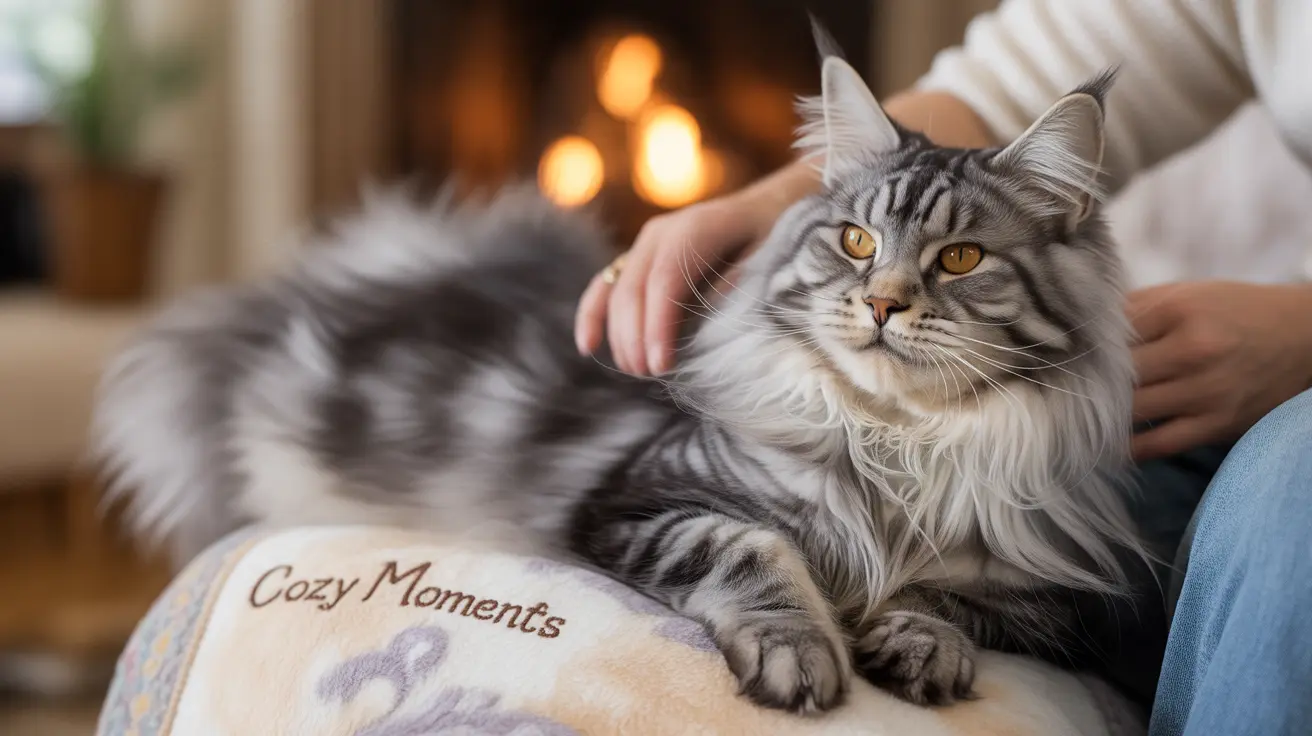
Stress often causes cats to groom too much. Keep your home quiet and peaceful. Avoid loud noises and sudden changes. Provide cozy spots where your cat can relax. Use soft bedding and calm lighting. A calm space helps your cat feel safe and less anxious.
Regular Play And Interaction
Active cats are less likely to over-groom. Spend time playing with your cat every day. Use toys like feather wands or balls to keep her busy. Play helps reduce stress and boredom. It also strengthens your bond. Try short sessions several times a day for best results.
Proper Skin And Coat Care
Check your cat’s skin regularly for irritation or dryness. Brush her coat gently to remove loose hair and dirt. Use a soft brush suited for her fur type. Bathing is rarely needed but can help if advised by a vet. Healthy skin means less itching and grooming.
Credit: www.petscare.com
Frequently Asked Questions
Why Does My Cat Groom Excessively?
Excessive grooming may indicate stress, allergies, or skin issues. Cats groom to clean, cool down, or soothe irritation. If grooming seems obsessive, consult a vet to rule out health problems or anxiety.
Can Constant Grooming Cause Health Problems?
Yes, over-grooming can lead to bald spots, skin infections, or sores. It damages the skin’s protective barrier. Early intervention helps prevent complications and ensures your cat stays healthy and comfortable.
How Can I Reduce My Cat’s Grooming Behavior?
Provide mental stimulation, regular play, and a calm environment. Address any skin or allergy issues with a vet. Reducing stress and boredom often decreases excessive grooming in cats.
Is Grooming A Sign Of Cat Anxiety?
Yes, cats often groom to self-soothe when anxious or stressed. Changes in environment or routine can trigger this behavior. Identifying and reducing stressors helps manage anxiety-related grooming.
Conclusion
Cats groom themselves for many reasons. It helps them stay clean and cool. Sometimes, grooming shows stress or health problems. Watch your cat’s behavior closely. Too much grooming might mean discomfort. A vet can help find the cause. Understanding your cat’s grooming keeps her happy.
Pay attention to changes in habits. Love and care make a big difference. Your cat relies on you for support. Stay patient and observant always.

Leave a Reply