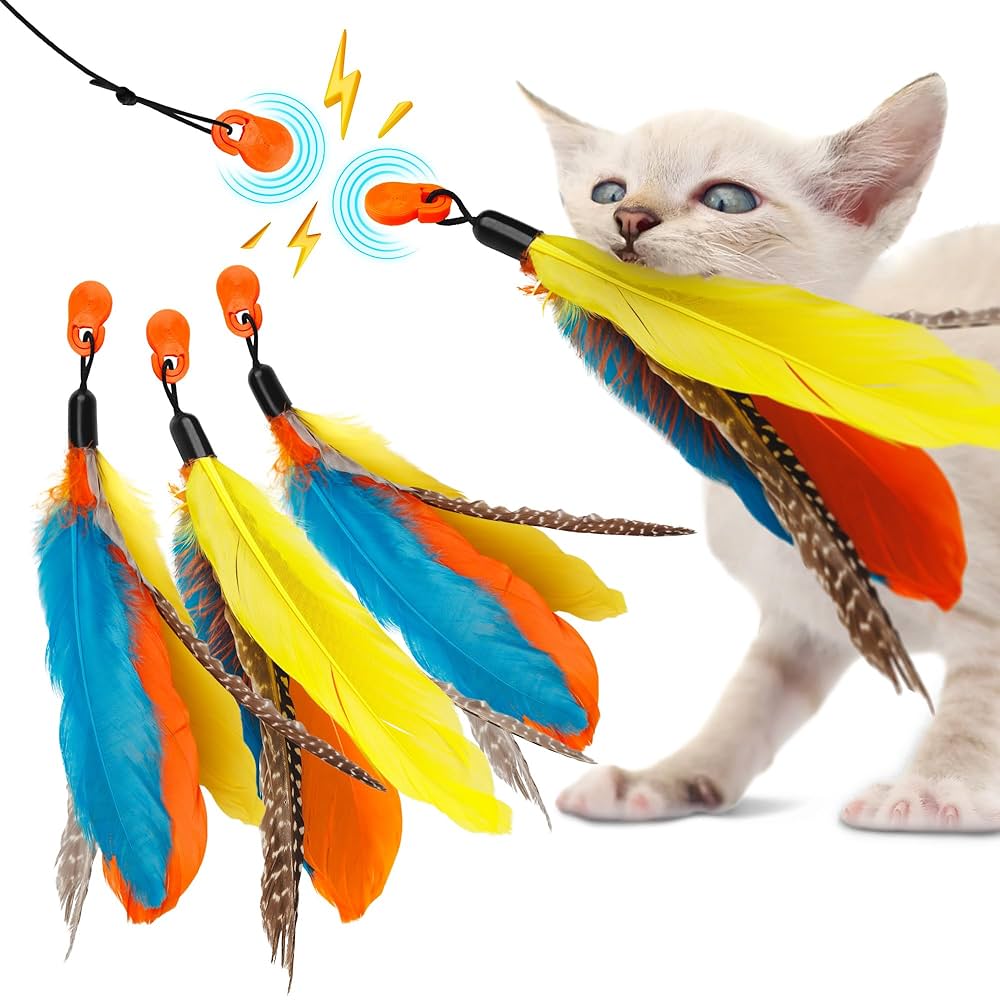
Have you ever wondered if the feathers in your cat’s favorite toy are real? It’s a question that might seem small, but it matters more than you think.
What your cat plays with can affect their health and happiness. If you want to know the truth about those feathers and what they mean for your furry friend, keep reading. This could change the way you choose toys for your cat forever.
Common Materials In Cat Toys
Cat toys often include feathers to excite and engage cats. These toys come in many shapes and materials, designed to mimic real prey. Feathers add texture and movement that cats love. Understanding the materials helps choose safe and fun toys.
Types Of Feathers Used
Many cat toys use natural feathers from birds like:
- Chickens
- Turkeys
- Peacocks
- Geese
These feathers are lightweight and soft, perfect for cats to bat and chase. Some toys use whole feathers, while others use trimmed parts. The natural look and feel attract cats and encourage play. Feathers are often cleaned and sanitized before use to keep toys safe.
Synthetic Alternatives
Synthetic feathers mimic real ones but use man-made materials. Common types include:
- Plastic fibers
- Polyester strands
- Fabric cutouts
These materials are durable and less likely to shed. They can be brightly colored and shaped in unique ways. Synthetic feathers reduce allergy risks and avoid harming birds. Some cats prefer the feel of synthetic feathers, while others like natural ones more.

Credit: www.amazon.com
Sources Of Real Feathers
Understanding where the feathers in cat toys come from can change the way you choose toys for your feline friend. Real feathers are often used to mimic the natural prey that cats love to chase. Knowing the sources helps you make informed choices about safety and ethics.
Bird Species Commonly Used
Most real feathers in cat toys come from birds that are easy to source and have feathers with good texture and durability. Common species include:
- Roosters and Chickens:These feathers are widely available and come in various colors and sizes, making them popular for toy makers.
- Peacocks:Known for their striking feathers, peacock feathers add an attractive element to toys but are used less frequently due to cost.
- Turkeys:Their large, sturdy feathers are often used in toys designed for more vigorous play.
- Ducks and Geese:These waterfowl provide softer feathers, giving toys a different texture that some cats prefer.
Have you noticed your cat prefers certain feather textures over others? This might be because different bird feathers feel and move differently, making playtime more exciting.
Ethical Considerations
When you buy cat toys with real feathers, it’s important to think about where those feathers come from. Many feathers are collected after birds have naturally molted, which means no harm was done.
However, some feathers might come from birds raised or hunted specifically for their plumage. This raises questions about animal welfare and sustainability.
Ask yourself: Are you comfortable supporting products that might involve harm to birds? Choosing toys with feathers sourced ethically or made from synthetic materials can help you feel better about your purchase.
Look for certifications or brands that clearly state their feather sourcing practices. Your awareness can push the market toward better standards, benefiting both your cat and the environment.
Benefits Of Real Feathers For Cats
Real feathers in cat toys feel natural and attract cats to play more. They mimic birds, sparking a cat’s hunting instincts and keeping them active. This helps improve their mood and provides healthy exercise.
Cats love to play, and toys with real feathers can captivate them. Real feathers in cat toys offer several benefits that enhance playtime and enrich a cat’s experience. These toys mimic prey, stimulating a cat’s natural hunting instincts. Understanding the advantages of real feathers can guide you in choosing the best toys for your feline friend.Attraction And Engagement
Cats find real feathers irresistible due to their texture and movement. Feathers mimic the look and feel of birds, a cat’s natural prey. This resemblance triggers a cat’s hunting instincts. Cats become more interested and engaged during playtime. The fluttering motion of feathers keeps them entertained for longer periods. This engagement provides mental stimulation and reduces boredom.Safety And Durability
Real feathers are safe for cats when attached securely to toys. They are natural, reducing the risk of chemical exposure. Properly crafted toys with feathers are durable and withstand rough play. Quality toys ensure feathers do not detach easily, preventing choking hazards. Regular inspection of toys helps maintain their safety and longevity.Risks Of Using Real Feathers
Using real feathers in cat toys might seem natural and fun, but it carries certain risks you should know about. While feathers can attract your cat’s attention and encourage play, they may also cause health problems. Understanding these risks helps you make safer choices for your furry friend.
Potential Allergies
Some cats and even humans can be allergic to real feathers. These allergies might show up as sneezing, itching, or watery eyes during or after playtime. If you notice your cat scratching more or sneezing, the feathers could be the cause.
Feathers can also carry dust, mites, or bacteria, which increase allergy risks. Washing or cleaning feather toys is not always enough to remove these irritants. You might want to watch closely for any signs of discomfort in your cat.
Choking Hazards
Feathers can easily come loose during play and pose a choking risk. Cats love to chew and swallow small parts, and feathers can get stuck in their throat or digestive system. This can lead to serious health issues requiring emergency care.
Even if the feather is attached securely, vigorous play can cause it to detach unexpectedly. It’s worth asking yourself: is the risk worth the momentary fun? Consider safer alternatives like synthetic feathers designed to break down harmlessly if swallowed.
How To Identify Real Feathers In Toys
Knowing whether the feathers in your cat’s toys are real can help you make safer and more satisfying choices. Real feathers often offer a different texture and durability compared to synthetic ones, which can affect how much your cat enjoys the toy. Let’s look at some practical ways you can identify real feathers before you buy or use the toy.
Visual And Textural Clues
Real feathers have a natural variation in color and shape that synthetic feathers usually lack. You might notice slight imperfections or uneven edges, which add to their authenticity. When you touch real feathers, they feel soft but firm, with a slight stiffness along the shaft, unlike the uniformly smooth and plastic-like feel of fake feathers.
Try gently separating the barbs of the feather. If they easily come apart and don’t bounce back, it might be synthetic. Real feathers tend to have a more flexible and resilient structure. Also, real feathers often have a subtle sheen that synthetic ones struggle to mimic.
Labeling And Packaging Tips
Always check the toy’s packaging for information about the materials used. Manufacturers who use real feathers often highlight this fact because it’s a selling point. Look for labels that say “natural feathers” or specify the bird type, like “goose feathers” or “hen feathers.”
If the packaging lacks clear information, consider reaching out to the seller or manufacturer directly. Honest companies will provide details about their products. Have you ever bought a toy only to find out later the feathers were artificial? Asking these questions upfront saves you from surprises.

Credit: www.bothwellpets.ca
Choosing Safe And Fun Cat Toys
Choosing safe and fun cat toys matters for your cat’s health and happiness. Toys should be made from safe materials and built to last. Cats love toys that feel real and move like prey. Feathers often attract cats, but not all feathers in toys are real. Knowing what to look for helps you pick the best toys for your pet.
Material Quality
Good cat toys use non-toxic materials. Real feathers can be safe if they come from clean sources. Fake feathers might be made from plastic or fabric. These can sometimes irritate your cat’s skin or mouth. Look for soft, natural materials that won’t break easily. Avoid toys with small parts that can come off and cause choking.
Brand Reputation
Choose brands known for pet safety. Trusted brands test their toys for harmful chemicals. They usually provide clear information about the materials used. Reading reviews from other cat owners helps find reliable toys. Brands that care about pets often replace or refund damaged toys. This shows they stand behind their products and your cat’s safety.
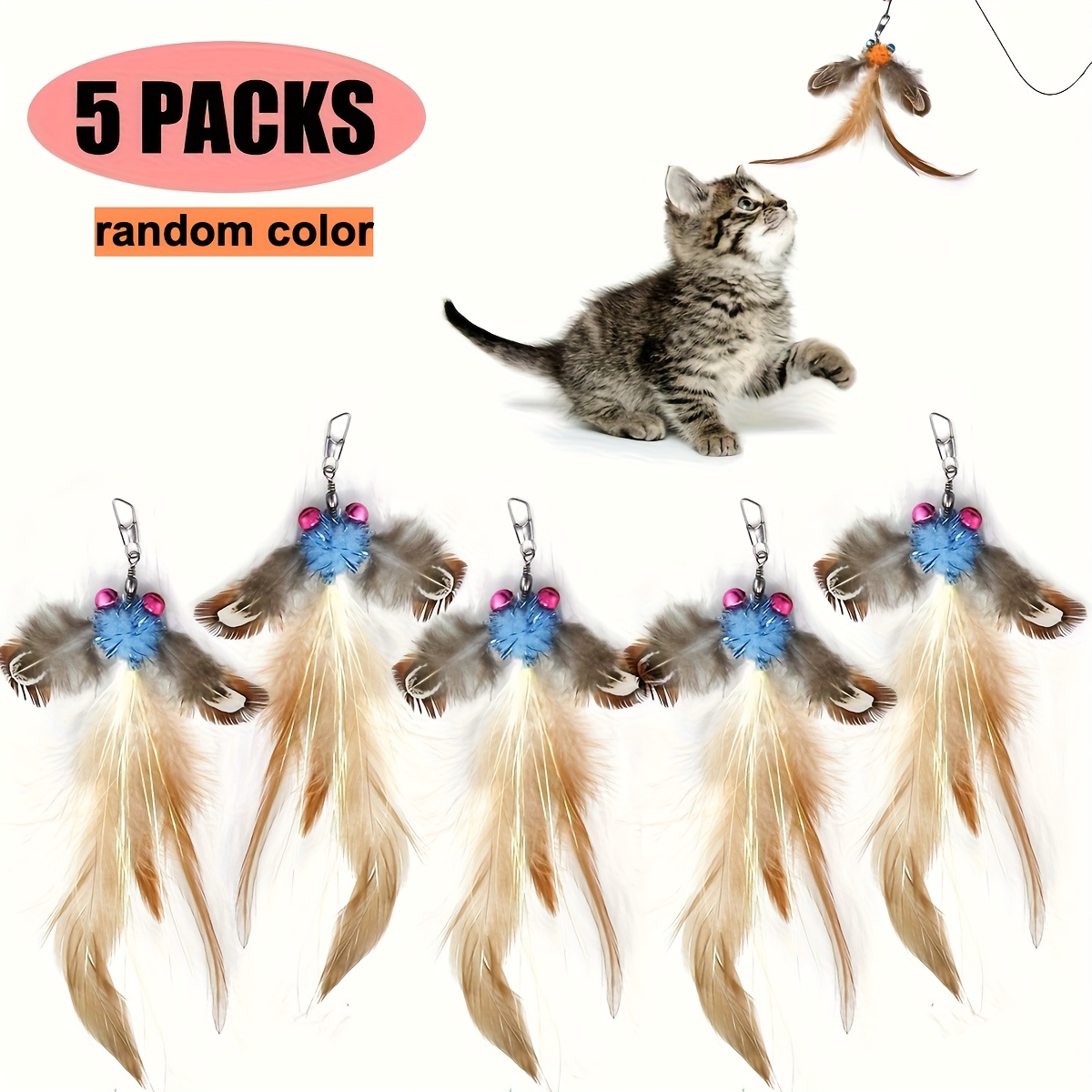
Credit: www.temu.com
Frequently Asked Questions
Are Feathers In Cat Toys Real Or Synthetic?
Most cat toys use synthetic feathers to ensure safety and durability. Real feathers can harbor bacteria and cause allergies. Synthetic feathers mimic the look and feel of real ones but are cleaner and safer for cats to play with regularly.
Why Do Cat Toys Use Feathers In Designs?
Feathers mimic birds, triggering cats’ natural hunting instincts. They encourage active play and mental stimulation. Feathers’ movement attracts cats, making playtime more engaging and fun. This helps satisfy a cat’s predatory behavior safely indoors.
Can Real Feathers Harm Cats In Toys?
Yes, real feathers may carry parasites or bacteria harmful to cats. They can also break easily, posing choking hazards. Toy manufacturers prefer synthetic options to avoid health risks and ensure safer play for cats.
How To Identify Real Feathers In Cat Toys?
Real feathers have natural variations, soft barbs, and a central shaft. Synthetic feathers appear more uniform and shiny. Checking the toy’s product description or contacting the manufacturer helps confirm the material used.
Conclusion
Cat toy feathers can be real or made from synthetic materials. Both types aim to attract your cat’s attention and encourage play. Real feathers come from birds but may wear out quickly. Synthetic feathers last longer and are often safer for pets.
Choosing the right toy depends on your cat’s preference and safety. Always check the toy’s quality before buying. Safe, fun play helps keep cats happy and healthy. Remember, understanding toy materials helps you care better for your furry friend.

Leave a Reply