Have you ever wondered if cat grooming is really necessary? You might think cats take care of themselves, but there’s more to it than just a quick lick or two.
If you want your furry friend to stay healthy, happy, and looking their best, understanding cat grooming is key. You’ll discover why grooming matters and how it can improve your cat’s life. Keep reading—you’ll be surprised at what you learn and how easy it can be to make a big difference for your pet.
Why Cat Grooming Matters
Grooming your cat isn’t just about keeping them looking neat. It plays a crucial role in their overall well-being. Understanding why cat grooming matters can change how you care for your furry friend every day.
Benefits For Cat Health
Regular grooming removes dirt, loose fur, and prevents matting, which can cause skin problems. It also helps distribute natural oils across their coat, keeping it shiny and healthy. I’ve noticed that my cat feels more comfortable and less itchy after a good brushing session.
Grooming sessions give you a chance to check for unusual bumps, cuts, or parasites. Early detection of these issues can save your cat from serious health problems. Do you know what signs to watch for during grooming?
Impact On Cat Behavior
Many cats enjoy grooming time and see it as a bonding moment with their owner. It can reduce stress and anxiety by providing gentle, focused attention. When my cat purrs during grooming, I know it’s more than just about cleanliness—it’s about feeling safe and loved.
On the other hand, neglecting grooming can lead to discomfort, making cats irritable or withdrawn. Have you observed changes in your cat’s mood when their coat gets messy or tangled?
Preventing Common Health Issues
Regular grooming helps prevent hairballs by removing loose hair before your cat swallows it. It also reduces the risk of skin infections caused by dirt or mats trapping moisture. By keeping your cat’s fur clean, you minimize the chance of fleas and ticks making a home.
Simple grooming habits can prevent serious problems like clogged anal glands or painful knots. Isn’t it worth spending a few minutes a day to avoid these painful issues for your cat?

Credit: www.latimes.com
Types Of Grooming Techniques
Grooming your cat is more than just keeping them clean; it’s about maintaining their health and comfort. Different grooming techniques target specific needs, from managing fur to caring for sensitive areas. Understanding these techniques helps you provide the best care tailored to your cat’s unique personality and coat type.
Brushing And Combing
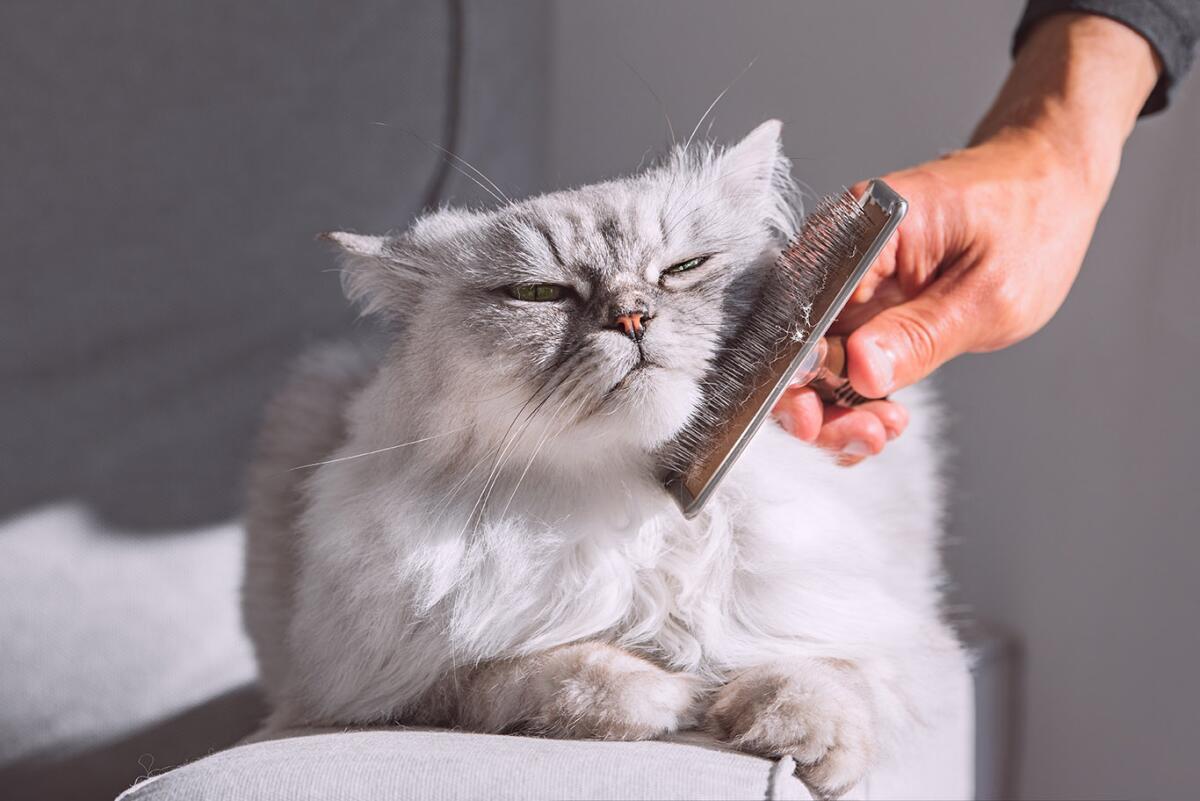
Brushing removes loose fur and prevents mats, which can cause discomfort. Cats with long hair need daily brushing, while short-haired cats benefit from weekly sessions. Try using a slicker brush for tangles and a fine-toothed comb to catch smaller knots.
Have you noticed how your cat’s mood improves after a gentle brushing session? It’s a great way to bond and spot skin issues early.
Bathing Tips
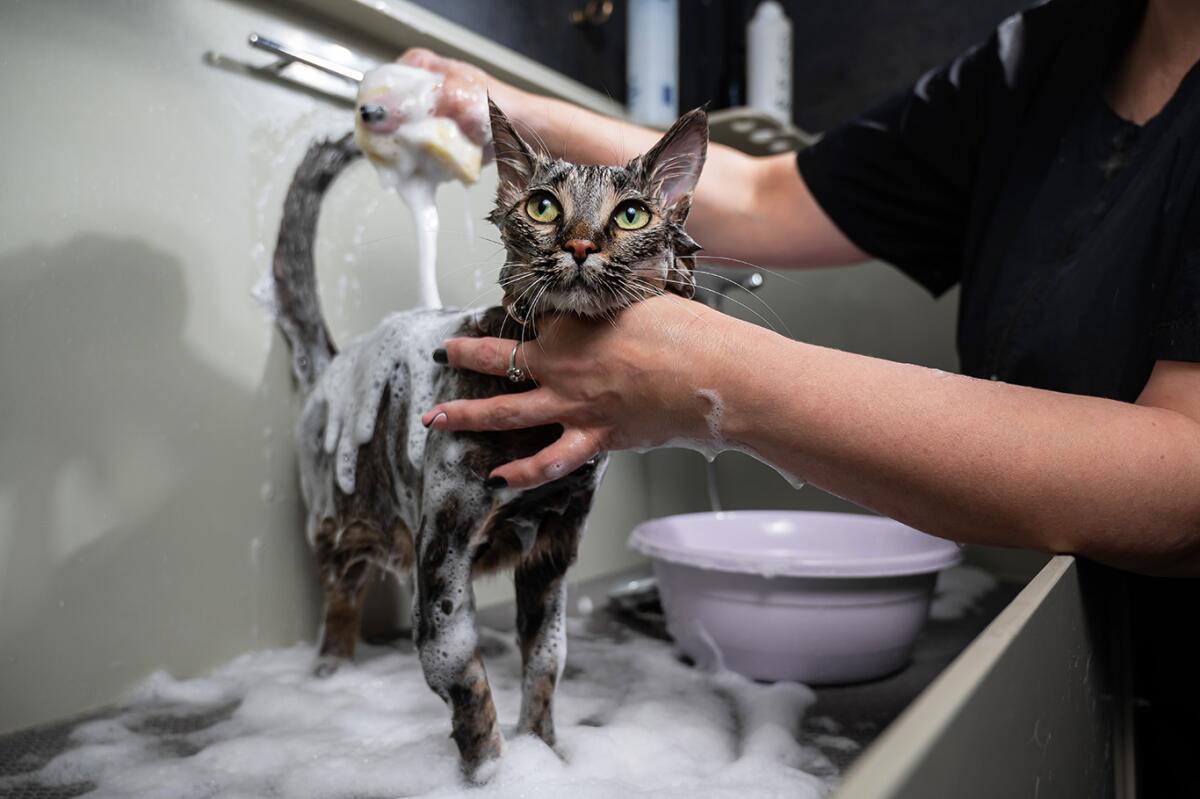
Bathing cats is not always necessary, but some situations call for it—like sticky messes or skin conditions. Use lukewarm water and a shampoo made specifically for cats to avoid irritation. Keep the bath short and calm your cat with soft talk and gentle strokes.
If your cat resists baths, try a damp cloth wipe-down instead. Does your cat have a favorite hiding spot afterwards? It’s often their way of recovering from the stress.
Nail Trimming
Regular nail trimming prevents scratches and helps your cat feel comfortable moving around. Use special cat nail clippers and trim only the sharp tips, avoiding the pink quick inside the nail. If you’re unsure, a vet or groomer can show you the right technique.
Have you ever watched your cat stretch after a trim? It’s like they’re ready to conquer the world, minus the accidental scratches!
Ear And Eye Care
Checking your cat’s ears and eyes regularly helps catch infections early. Use a damp cotton ball to wipe around the eyes and ears gently—never insert anything deep inside. Look out for redness, discharge, or unusual smells.
Does your cat ever shake their head or scratch their ears? It might be a sign to pay closer attention and consult your vet.
Choosing The Right Grooming Tools
When it comes to maintaining your cat’s health and happiness, grooming plays a crucial role. Choosing the right grooming tools can make this task easier and more enjoyable for both you and your feline friend. Each cat is unique, and so are their grooming needs. Let’s dive into the essentials you need to keep your kitty looking and feeling their best.
Brushes And Combs For Different Fur Types
Not all brushes are created equal. If your cat has short fur, a soft-bristle brush will do wonders in removing loose hair and reducing shedding. For long-haired cats, a wide-toothed comb can help tackle tangles without causing discomfort.
Consider your cat’s coat before picking a tool. A grooming glove can be an excellent option for cats who dislike traditional brushes. The key is to find what your cat is comfortable with to make grooming a positive experience.
Safe Nail Clippers
Keeping your cat’s nails trimmed is important for their comfort and your furniture’s safety. Opt for clippers specifically designed for cats to ensure a clean cut without splitting the nail. Look for a model with a safety guard to prevent overcutting.
Take it slow, and always have some treats on hand to reward your cat. Building a positive association with nail trimming can make the process smoother over time.
Gentle Shampoos And Conditioners
Even though cats groom themselves, sometimes a bath is necessary. Choose a shampoo formulated for cats, free from harsh chemicals and fragrances that could irritate their skin. Consider a conditioner for long-haired cats to help keep their fur smooth and manageable.
Always test a small amount first to ensure there’s no allergic reaction. And remember, patience is key—many cats aren’t fond of water, so a calm, gentle approach can go a long way.

Credit: www.latimes.com
Creating A Grooming Routine
Creating a grooming routine helps keep your cat healthy and happy. Regular grooming removes dirt, loose hair, and prevents mats. It also lets you check for skin problems or parasites early. Building a habit makes grooming easier for both you and your cat.
Daily Vs Weekly Grooming
Some cats need daily grooming, especially long-haired breeds. Short-haired cats often do well with weekly brushing. Daily grooming helps reduce shedding and hairballs. Weekly sessions work for cats with less fur or who groom themselves well. Adjust the frequency based on your cat’s needs and coat type.
Adjusting For Age And Breed
Kittens need gentle grooming to get used to touch. Older cats may need softer brushes and shorter sessions. Breeds like Persians require more frequent grooming to avoid mats. Active cats may need more attention to keep their coat clean. Tailor your routine to your cat’s age and breed traits.
Making Grooming Stress-free
- Choose a quiet, comfortable spot for grooming.
- Use soft brushes and gentle strokes.
- Keep sessions short and positive.
- Offer treats and praise during and after grooming.
- Stop if your cat shows signs of stress or discomfort.
Patience and kindness help your cat enjoy grooming time. Over time, grooming becomes a bonding moment for both of you.
Signs Your Cat Needs Grooming Help
Cats often hide signs of discomfort. Spotting grooming needs early helps keep them healthy. Watch for changes in their coat, skin, and behavior. These signs show when grooming help is needed.
Matting And Hairballs
Matting occurs when fur tangles and clumps tightly. It pulls on the skin and causes pain. Hairballs form from swallowed loose fur. Frequent hairballs may mean poor grooming. Regular brushing stops mats and reduces hairballs.
Skin Problems
Look for redness, bumps, or dry patches on the skin. These can signal irritation or infection. Cats that scratch or bite their fur often have skin issues. Untreated skin problems worsen and need grooming attention. Keeping the coat clean helps prevent many skin troubles.
Behavioral Changes
A cat that grooms less may feel unwell or stressed. Avoiding grooming can cause fur to become dirty or matted. Cats hiding or acting restless might need grooming care. Changes in energy or mood can also mean grooming help is required. Pay attention to these clues to support your cat’s well-being.
Professional Grooming Services
Professional grooming services for cats help keep pets clean and healthy. These experts handle tasks that owners may find hard. Groomers use special tools to manage fur, nails, and skin. They also spot health issues early.
Many cats enjoy the calm and care during grooming sessions. Professionals know how to reduce stress for shy or nervous cats. They create a safe, comfortable space tailored for feline needs.
When To Seek Experts
Look for professional groomers if your cat has thick or long fur. Cats with mats and tangles need expert care to avoid pain. Older cats or those with health problems benefit from gentle grooming.
Professional grooming is helpful if you notice excessive shedding or skin problems. Busy owners who lack time also find grooming services useful. Experts can handle tricky tasks like nail trimming safely.
What To Expect From Groomers
Groomers offer a range of services including:
- Brushing and detangling fur
- Bathing with cat-safe shampoos
- Trimming nails carefully
- Cleaning ears and eyes
- Checking for fleas or skin issues
Most groomers create a calm environment to keep cats relaxed. They use gentle handling and calming techniques. Some salons provide specialized cuts or styling for show cats.
Cost And Frequency
Grooming costs vary by location and services chosen. Basic grooming usually costs less than full spa treatments. Expect prices to range from $40 to $100 per session.
Frequency depends on your cat’s breed and coat type. Long-haired cats may need grooming every 4 to 6 weeks. Short-haired cats often require grooming every 8 to 12 weeks.
Regular grooming helps prevent mats and skin problems. It also keeps your cat comfortable and clean all year round.
Diy Grooming Safety Tips
DIY grooming can be a good way to care for your cat at home. It saves money and builds trust. Safety is key to keep your cat calm and healthy. Follow simple tips to avoid stress and injury during grooming sessions.
Handling Your Cat Gently
Start by choosing a quiet place without distractions. Use a soft voice to calm your cat. Hold your cat gently but firmly to prevent sudden moves. Let your cat sniff the tools before you start. Keep sessions short to avoid tiring your cat.
Avoiding Common Mistakes
- Do not force your cat to stay if it resists strongly.
- Avoid sharp scissors near sensitive areas like ears and paws.
- Never pull on matted fur; use detangling spray instead.
- Do not use human shampoos or products on your cat.
- Keep nails trimmed but avoid cutting too close to the quick.
Emergency Situations
If your cat bleeds, apply gentle pressure with a clean cloth. Use styptic powder or cornstarch to stop nail bleeding. Watch for signs of shock or severe pain. Call your vet immediately if your cat shows unusual behavior or injury.
Credit: www.latimes.com
Frequently Asked Questions
What Is Cat Grooming And Why Is It Important?
Cat grooming involves cleaning and brushing a cat’s fur to remove dirt and loose hair. It promotes healthy skin, reduces shedding, and prevents matting. Regular grooming also helps detect health issues early and strengthens the bond between cat and owner.
How Often Should You Groom Your Cat?
Most cats benefit from grooming at least once a week. Long-haired breeds may require daily grooming to prevent tangles. Regular grooming keeps their coat healthy and reduces hairballs. Adjust frequency based on your cat’s fur type and lifestyle.
Can Cats Groom Themselves Or Do They Need Help?
Cats groom themselves but may need help with thick or long fur. Older or sick cats often struggle with self-grooming. Regular brushing and occasional baths help maintain cleanliness and prevent matting, especially for indoor cats.
What Tools Are Best For Cat Grooming?
A slicker brush, comb, and grooming gloves work well for most cats. Use a nail clipper for trimming claws. Choose tools based on your cat’s fur type. Gentle brushes prevent skin irritation and make grooming enjoyable.
Conclusion
Cat grooming plays an important role in keeping cats healthy and happy. Regular brushing helps prevent mats and reduces shedding. It also allows owners to check for skin problems or parasites. Many cats enjoy gentle grooming, which strengthens the bond with their owner.
Simple grooming routines can save money on vet visits. Overall, grooming is a useful habit for cat care. It supports a clean, comfortable life for your furry friend. Try small steps and watch your cat feel better every day.

Leave a Reply