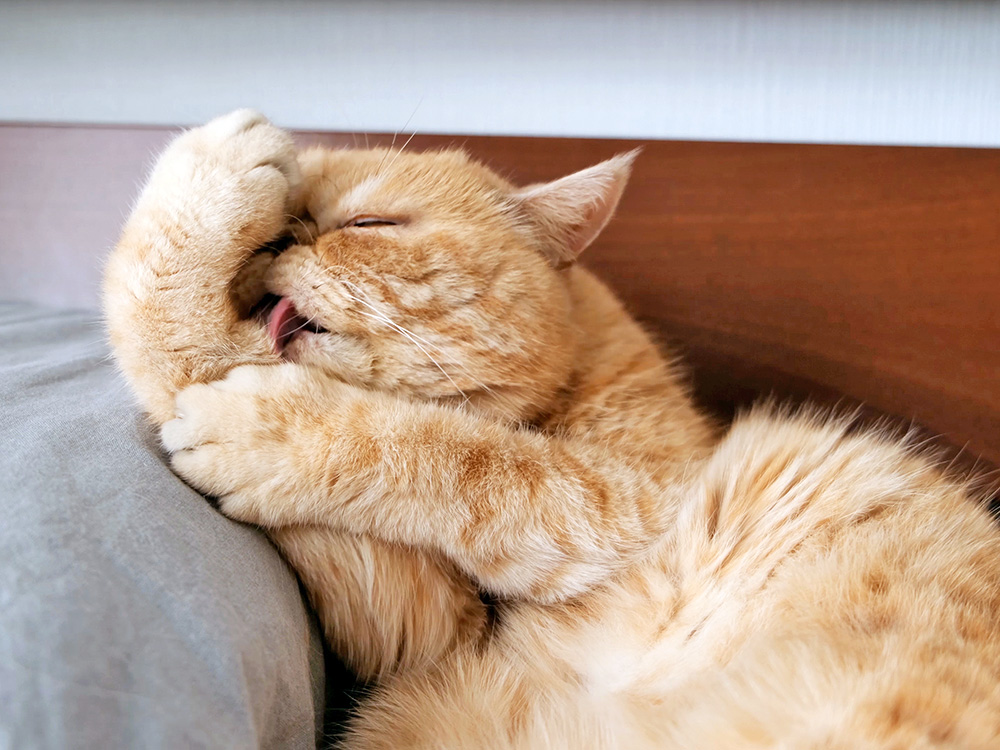
Have you ever watched your cat spend hours licking its fur and wondered why it grooms so much? If you think it’s just about staying clean, you might be missing something important.
Your cat’s constant grooming is more than a simple habit—it’s a key part of its health, comfort, and even mood. Understanding why your cat grooms can help you care for it better and strengthen the bond you share. Keep reading to discover the surprising reasons behind this common behavior and what it means for your furry friend.

Credit: basepaws.com
Self-cleaning Habits
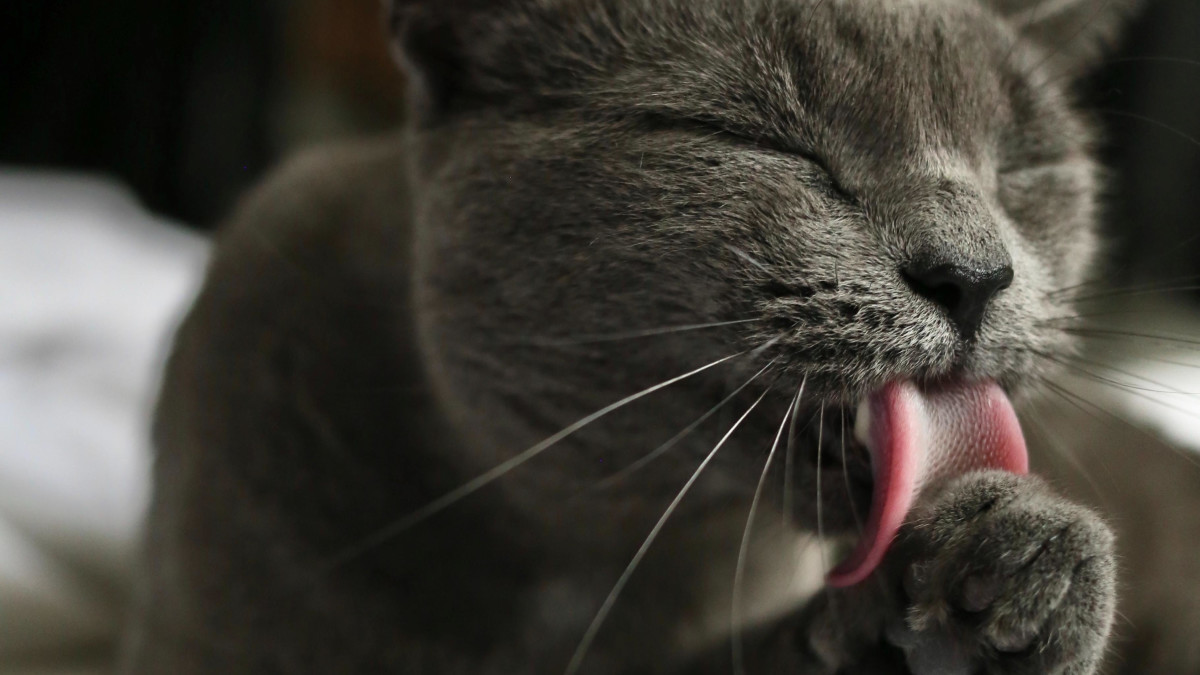
Cats spend a lot of time grooming themselves. This behavior is natural and very important. Grooming helps cats stay clean and healthy. They use their tongues and teeth to clean their fur carefully. This self-cleaning habit keeps their bodies free from dirt and pests. It also helps cats feel calm and relaxed.
Removing Dirt And Parasites
Cats remove dirt and tiny bugs from their fur by licking. Their rough tongues pick up dust and loose hair. Grooming stops parasites like fleas from settling on their skin. It acts like a natural cleaning system. This habit protects cats from infections and skin problems. Regular grooming keeps their fur fresh and clean.
Maintaining Fur Condition
Grooming spreads natural oils across a cat’s fur. These oils keep the fur soft and shiny. They also help protect the skin underneath. Grooming prevents mats and tangles from forming. It allows cats to regulate their body temperature. Clean fur helps cats feel comfortable in all seasons.
Temperature Regulation
Cats groom themselves to control their body temperature. Their fur and saliva play key roles in staying comfortable in different weather. Grooming helps cats cool down or warm up as needed.
Cooling Through Saliva Evaporation
Cats lick their fur to spread saliva over their bodies. When the saliva evaporates, it cools the skin. This process is similar to sweating in humans. Grooming helps cats stay cool on hot days.
Saliva evaporation lowers body heat effectively. It reaches areas covered by thick fur. This natural cooling method prevents overheating without needing sweat glands.
Warming Up In Cold Weather
In cold weather, cats groom to fluff their fur. Grooming traps air between fur layers, creating insulation. This warm air keeps the cat’s body heat close.
Fluffed fur acts like a warm blanket. It helps cats stay cozy and protected from chilly winds. Grooming is essential for temperature balance in cold conditions.
Stress And Anxiety Relief
Cats often groom themselves to manage stress and anxiety. Grooming helps them feel safe and calm during tense moments. This natural behavior reduces their worries and creates a sense of comfort.
Grooming As A Calming Activity
Grooming releases endorphins, chemicals that make cats feel good. It lowers their heart rate and calms their mind. Cats use grooming to focus away from stress. This repetitive action provides a routine that soothes nerves.
Stressful changes like moving or loud noises increase grooming. Cats lick their fur to stay relaxed and regain control. Grooming acts like a natural therapy for anxious cats.
Signs Of Excessive Grooming
Too much grooming can signal anxiety or stress. Watch for bald patches or red, irritated skin. Constant licking may lead to wounds or infections.
- Notice if your cat grooms more than usual.
- Look for hair loss or sore spots.
- Observe if grooming interrupts eating or sleeping.
Excessive grooming means your cat needs extra comfort. Try to find and reduce stress triggers. Consult a vet if the behavior worsens or causes harm.

Credit: basepaws.com
Social Bonding And Communication
Cats are known for their grooming habits. This behavior goes beyond cleanliness. Grooming plays a vital role in their social interactions and communication. Cats use grooming to strengthen bonds and share scents. This is more than just a habit; it’s a crucial part of their social life.
Mutual Grooming Among Cats
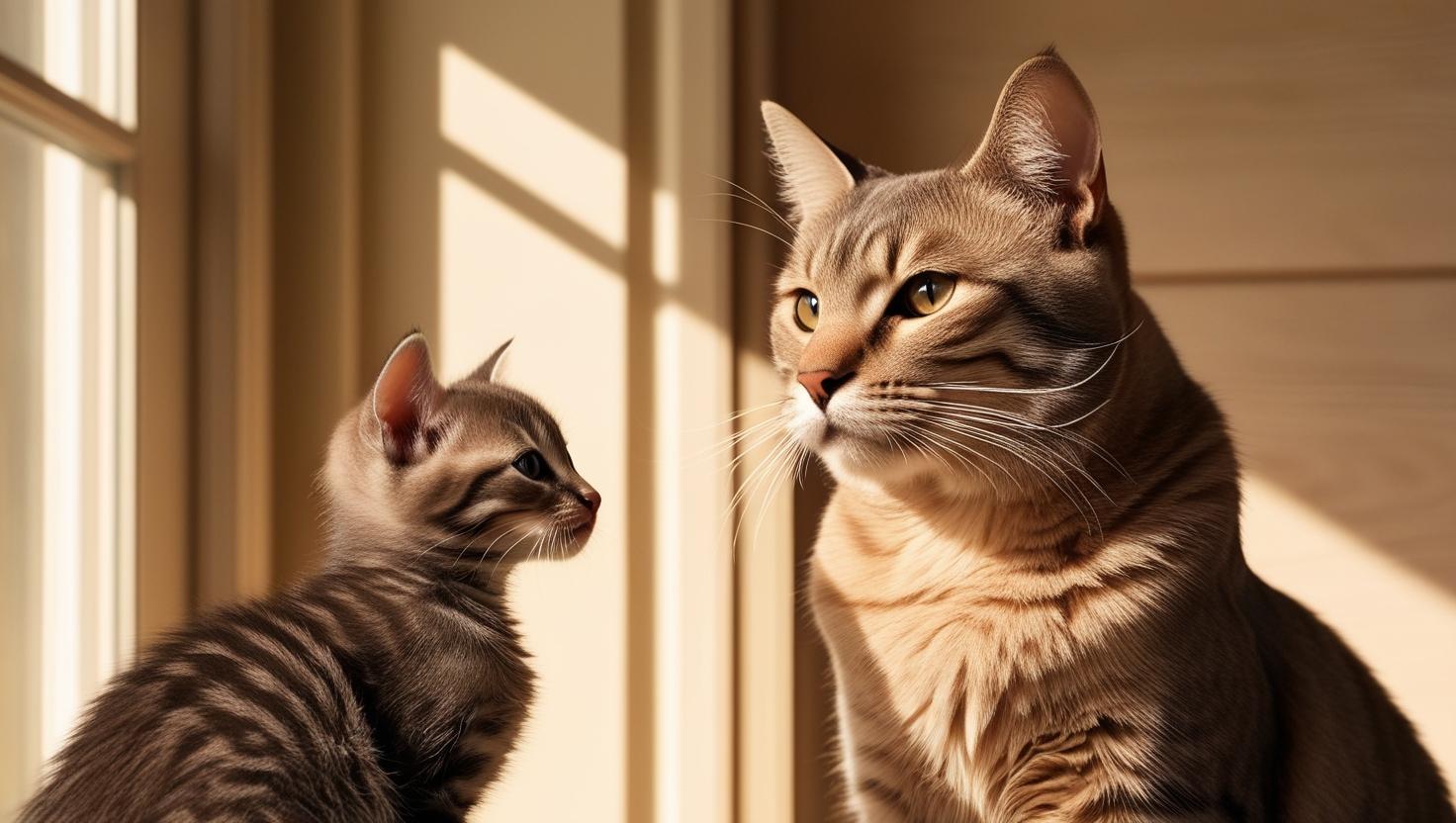
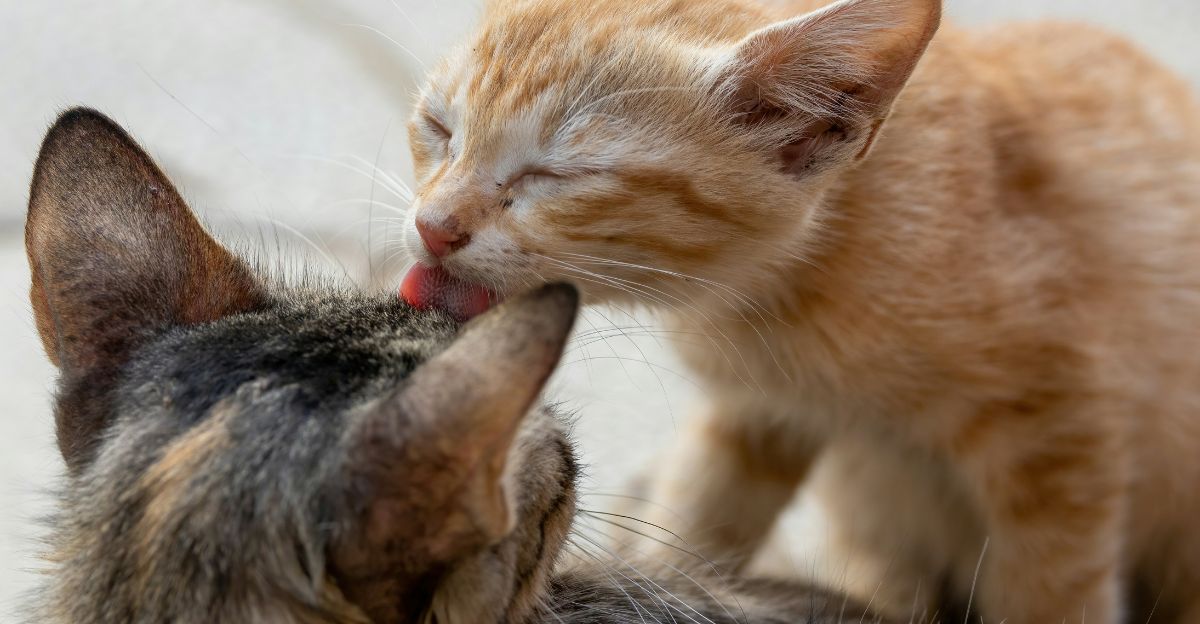
Mutual grooming, or allogrooming, is common among cats. It strengthens bonds between them. When cats groom each other, they share affection. This practice helps reduce tension within a group. Cats often groom each other’s heads and necks. These areas are hard to reach alone. Mutual grooming creates a sense of trust and unity.
Scent Marking Through Grooming
Cats have scent glands in their skin. Grooming spreads their unique scent. This scent marking helps in communication. Cats mark their territory and identify members of their group. When a cat grooms, it leaves behind its scent. This scent signals safety and familiarity. It reassures other cats and strengthens group bonds.
Health Indicators
Cats use grooming as more than just a way to stay clean—it’s a window into their health. By watching how and where your cat grooms, you can learn a lot about their well-being. Changes in grooming habits often reveal early signs of health issues that might otherwise go unnoticed.
Spotting Skin Problems
If your cat suddenly starts licking one spot repeatedly or scratches more than usual, it could signal skin trouble. Look for redness, bumps, or bald patches that might be hidden under their fur. These signs often mean allergies, parasites, or infections are present.
I once noticed my cat obsessively grooming a small patch on her back. It turned out to be a minor fungal infection that I caught early thanks to her behavior. Paying attention to these details lets you get vet help before the problem worsens.
Detecting Pain Or Discomfort
Cats sometimes groom to soothe pain in a specific area. If your cat licks a limb or joint frequently, it may be trying to ease soreness or stiffness. This self-soothing behavior can indicate injuries, arthritis, or internal pain that needs attention.
Have you seen your cat grooming one paw more than others? That could mean something as simple as a thorn or as serious as a sprain. Noticing these subtle signals helps you address discomfort early, improving your cat’s quality of life.
Age And Grooming Patterns
Age plays a key role in a cat’s grooming habits. As cats grow older, their grooming patterns can change. These changes often reflect their physical abilities and health. Understanding these shifts helps cat owners care better for their pets.
Changes In Grooming With Age
Young cats tend to groom themselves more frequently. Their agility and flexibility make it easier to reach all body parts. Older cats may groom less often due to stiffness or pain. They might miss spots, causing fur to become matted or dirty. Senior cats sometimes rely on their owners for extra cleaning help. Regular brushing can support their coat and skin health.
Impact Of Health Conditions
Health issues can greatly affect grooming behavior. Cats with arthritis or dental pain may groom less. Skin problems like allergies or infections can cause discomfort during grooming. Some illnesses reduce a cat’s energy, leading to less self-care. Observing grooming habits can reveal health problems early. Veterinary checks help address these concerns and improve grooming ability.
Credit: pethelpful.com
Frequently Asked Questions
Why Do Cats Groom Themselves So Often?
Cats groom to clean their fur, remove dirt, and regulate body temperature. Grooming also reduces stress and strengthens bonds with other cats.
How Does Grooming Benefit A Cat’s Health?
Grooming removes parasites, distributes natural oils, and prevents matting. It promotes healthy skin and fur, keeping cats comfortable and disease-free.
Can Excessive Grooming Indicate A Problem?
Yes, excessive grooming can signal stress, allergies, or skin issues. If grooming seems obsessive, consult a vet for proper diagnosis and treatment.
Do Cats Groom To Communicate With Others?
Yes, grooming is a social behavior. Cats groom each other to show affection and establish trust within their group.
Conclusion
Cats groom to stay clean, healthy, and comfortable. Grooming helps them cool down and feel calm. It also keeps their fur free from dirt and pests. This behavior builds strong bonds with other cats too. Understanding why cats groom helps us care for them better.
Watch your cat’s grooming habits to spot any health issues early. Regular grooming shows your cat feels safe and happy. Caring for their grooming needs strengthens your connection. Simple actions make a big difference in their well-being.

Leave a Reply