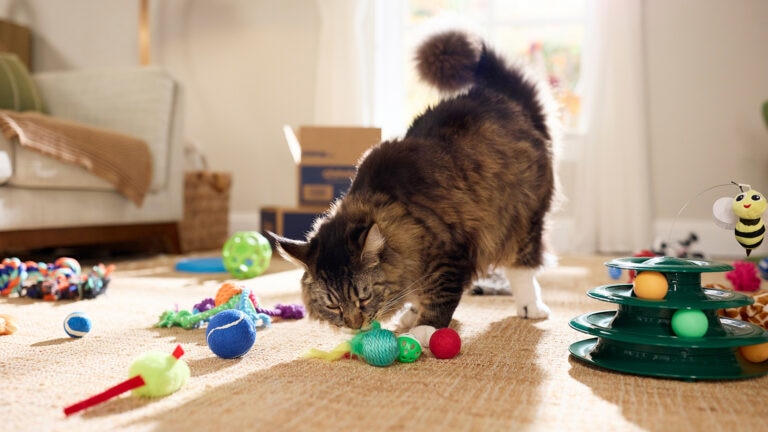
Have you ever wondered if your cat will actually play with the toys you buy? You’re not alone.
Many cat owners ask themselves, “Will cats try to toys? ” It’s frustrating to spend money on fun items, only to see your furry friend ignore them. But understanding why cats do or don’t engage with toys can change everything.
Keep reading, and you’ll discover simple secrets to make your cat excited about playtime—and how to choose toys they can’t resist. Your cat’s next favorite toy might be just a few tips away!
Credit: www.petguide.com
Cats And Their Play Instincts
Cats have strong play instincts that guide their actions with toys. Play is more than fun; it mirrors their natural behaviors. Understanding these instincts helps explain why cats chase, pounce, and bat at toys. These actions connect deeply to their survival skills and development.
Why Cats Are Drawn To Toys
Toys mimic small animals that cats would hunt. Moving objects catch their sharp eyes and quick reflexes. Toys with feathers, strings, or bells stimulate their senses. Cats feel curious and excited to explore these items. Play triggers their attention and keeps them active.
Natural Hunting Behaviors
Cats are born hunters with instincts to stalk and capture prey. Play lets them practice these skills safely indoors. They sneak, pounce, and grab toys as if hunting real animals. This behavior is vital for their mental and physical health. Hunting play reduces boredom and stress.
Role Of Play In Cat Development
Play shapes a cat’s coordination and strength. Kittens learn to control their claws and bite through play. Adult cats maintain agility and sharp reflexes with regular play. Play also builds confidence and social skills in young cats. It keeps their minds sharp and bodies fit.

Credit: www.goodhousekeeping.com
Types Of Toys Cats Prefer
Cats have unique preferences when it comes to toys, and understanding these can make playtime more enjoyable for both of you. Their choices often depend on their personality, energy level, and natural instincts. Identifying the right types of toys encourages healthy activity and strengthens your bond.
Interactive Toys
Interactive toys grab your cat’s attention by involving you in the play. Wand toys with feathers or strings mimic prey movements, triggering hunting instincts. Laser pointers also excite many cats, but be sure to end the session by letting them catch a tangible toy to avoid frustration.
Interactive play prevents boredom and offers mental stimulation. Have you noticed how your cat’s eyes light up chasing a moving target? That’s the thrill of engagement, which solo toys often can’t provide.
Solo Play Toys
Solo play toys let your cat entertain themselves when you’re busy. Balls, plush mice, and crinkly tunnels are popular choices. These toys cater to a cat’s curiosity and encourage independent play without your constant involvement.
Observe which toys your cat returns to repeatedly—this signals their favorites. Some cats prefer toys that roll unpredictably, while others like soft toys they can carry around. Understanding these preferences helps you stock the right solo toys.
Diy And Household Toy Alternatives
You don’t always need to buy toys to keep your cat happy. Simple household items like cardboard boxes, paper bags, or even a balled-up piece of paper can become exciting playthings. These alternatives stimulate creativity and often surprise cats more than expensive toys.
Have you ever seen a cat dive headfirst into a paper bag? That instant fascination shows how much cats value novelty and texture. Why not try making a homemade toy? It’s cost-effective and offers unique experiences your cat won’t get from store-bought options.
How Cats Interact With Toys
Cats often show curiosity by pawing, biting, or chasing toys. Play helps them stay active and sharp. Many cats enjoy toys that move or make noise.
Cats have a natural instinct to play. Toys stimulate their senses and instincts. Watching a cat interact with a toy can be both entertaining and insightful. Each toy provides a unique experience. Let’s explore how cats engage with toys.Chasing And Pouncing
Cats love the thrill of the chase. A moving toy mimics prey. This triggers their hunting instincts. They’ll stalk, chase, and then pounce. It’s a dance of agility and speed. Toys like feather wands or laser pointers are perfect. They keep your cat active and engaged.Batting And Swatting
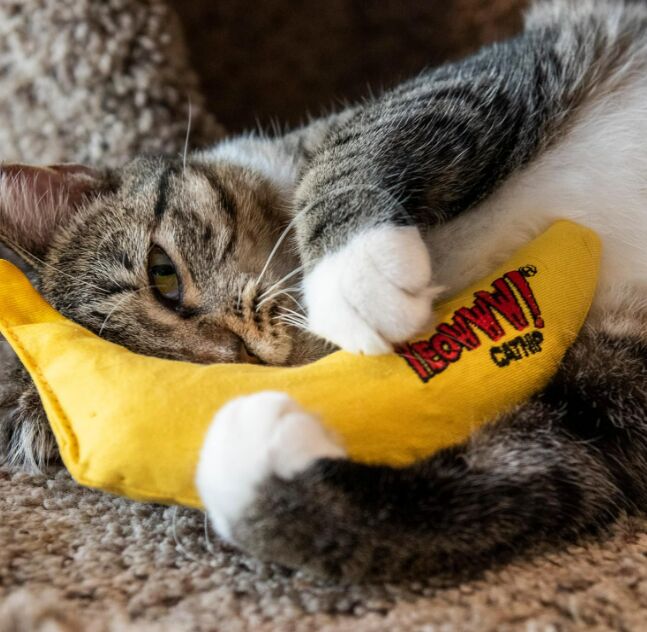
Cats often bat at toys with their paws. It’s a playful reflex action. This helps improve their coordination. Small, lightweight toys work best for this. Balls with bells or crinkle toys are ideal. They can bat them around for hours.Carrying And Hiding
Some cats carry toys in their mouths. This behavior mimics capturing prey. They may also hide toys in secret spots. It’s their way of claiming ownership. Soft toys or those resembling small animals are favorites. This behavior shows their playful and possessive nature.Surprising Behaviors Around Toys
Cats show many surprising behaviors around their toys. Their reactions can be curious and unexpected. Understanding these actions helps in choosing the right toys. It also improves playtime and bonding with your cat.
Ignoring New Toys Initially
Cats may ignore new toys at first. They prefer familiar scents and textures. A new toy can seem strange or uninteresting. Patience is key. Let your cat explore the toy at their own pace.
Some cats need time to trust new objects. You can try rubbing the toy with their favorite blanket. This adds a comforting scent. Gradually, the cat may start playing with it.
Possessiveness And Toy Guarding
Many cats show possessiveness over their toys. They may guard toys from other pets or people. This behavior is natural and linked to hunting instincts. Cats see toys as valuable objects.
Possessiveness can include growling, hissing, or hiding the toy. Avoid taking toys away quickly. Instead, distract your cat with another fun activity. This keeps playtime positive and safe.
Bringing Toys As Gifts
Cats sometimes bring toys to their owners. This behavior is a form of gift-giving. It shows trust and affection. Your cat may want to share their “prey” with you.
Accept these gifts with praise. It strengthens your bond and encourages more play. This surprising behavior shows how cats communicate love.
Encouraging Healthy Play
Encouraging healthy play is essential for your cat’s happiness and well-being. Playtime keeps their mind sharp and body active. It also strengthens the bond between you and your feline friend.
Choosing The Right Toys
Not all toys are created equal for cats. Look for toys that mimic prey behavior, like feather wands or small balls that roll unpredictably. Cats love toys that they can chase, pounce on, or bat around.
Consider your cat’s personality. Some prefer soft plush toys to cuddle with, while others enjoy noisy toys with bells. Rotate toys regularly to keep your cat’s interest high and prevent boredom.
Safe Play Practices
Safety is key during playtime. Avoid toys with small parts that can be swallowed or sharp edges that could hurt your cat. Always supervise your cat with new toys until you’re sure they’re safe.
Discard any damaged toys immediately to prevent choking hazards. Use interactive toys to keep your hands safe—never use your fingers as toys, as this can encourage biting or scratching.
Incorporating Play Into Daily Routine
How often do you set aside time to play with your cat? Short, frequent play sessions work best—try 10 to 15 minutes, two or three times a day. This fits easily into your schedule and keeps your cat engaged.
Use playtime as a way to reduce your cat’s stress and excess energy. You can even turn everyday objects into toys, like crumpled paper or cardboard boxes. What simple item could become your cat’s new favorite toy today?
When Cats Don’t Play With Toys
Cats are natural hunters and love to play, but some cats ignore toys. This can puzzle cat owners. Understanding why a cat avoids toys helps improve their mood and health. Play is important for a cat’s happiness and fitness. Sometimes, a cat’s lack of interest signals something deeper.
Possible Reasons For Disinterest
Cats may not play with toys for several reasons. They might be bored with the toy’s texture or movement. Some cats prefer different types of toys, like feathers or balls. Age also plays a role; older cats often play less. Personality matters too; shy or calm cats can show less interest. Sometimes, the environment feels unsafe or too noisy.
Signs Of Stress Or Illness
A cat that stops playing might feel stressed or sick. Watch for signs like hiding, loss of appetite, or changes in grooming. Limping, vomiting, or breathing problems need attention. Stress can come from new pets or changes at home. Illness or pain reduces energy and desire to play. A vet visit is important to rule out health issues.
How To Rekindle Playfulness
Try new toys that move or make sounds. Use interactive play like feather wands or laser pointers. Keep play sessions short but frequent. Play with your cat in a quiet, safe room. Reward your cat with treats or praise during play. Rotate toys to keep them exciting. Patience and love help bring back your cat’s play spirit.

Credit: tamaracamerablog.com
Frequently Asked Questions
Will Cats Try To Play With New Toys?
Yes, cats are naturally curious and usually try new toys. They explore textures and movements to decide if they enjoy playing.
How Do Cats React To Different Toy Types?
Cats react based on toy texture, size, and movement. They prefer toys that mimic prey, like feathers or small balls.
Can All Cats Enjoy The Same Toys?
No, cats have unique preferences. Some like interactive toys, while others prefer soft or noisy ones. Observing your cat helps.
Why Do Some Cats Ignore Toys Completely?
Cats may ignore toys due to lack of interest, stress, or health issues. Introducing toys gradually can help increase engagement.
Conclusion
Cats often show interest in toys because they like to play. Toys help cats stay active and happy every day. Watching a cat chase or bat a toy is fun to see. Different cats like different kinds of toys, so try many types.
Safe and soft toys work best to keep cats healthy. Playtime also helps build a strong bond with your cat. Remember, small toys can be a choking risk. Giving your cat toys can brighten its life and yours too. Play helps cats feel loved and less bored.
Keep their toys clean and replace old ones often.

Leave a Reply