Are you wondering when your cat’s breeding season will come to an end? Understanding this can help you better care for your furry friend and avoid unexpected litters.
Knowing the timing of your cat’s breeding cycle gives you control over her health and behavior. You’ll discover exactly when cat breeding season ends and what signs to watch for. Keep reading to make sure you’re fully prepared for every stage of your cat’s life.

Credit: felinefancy.co.uk
Cat Breeding Cycle
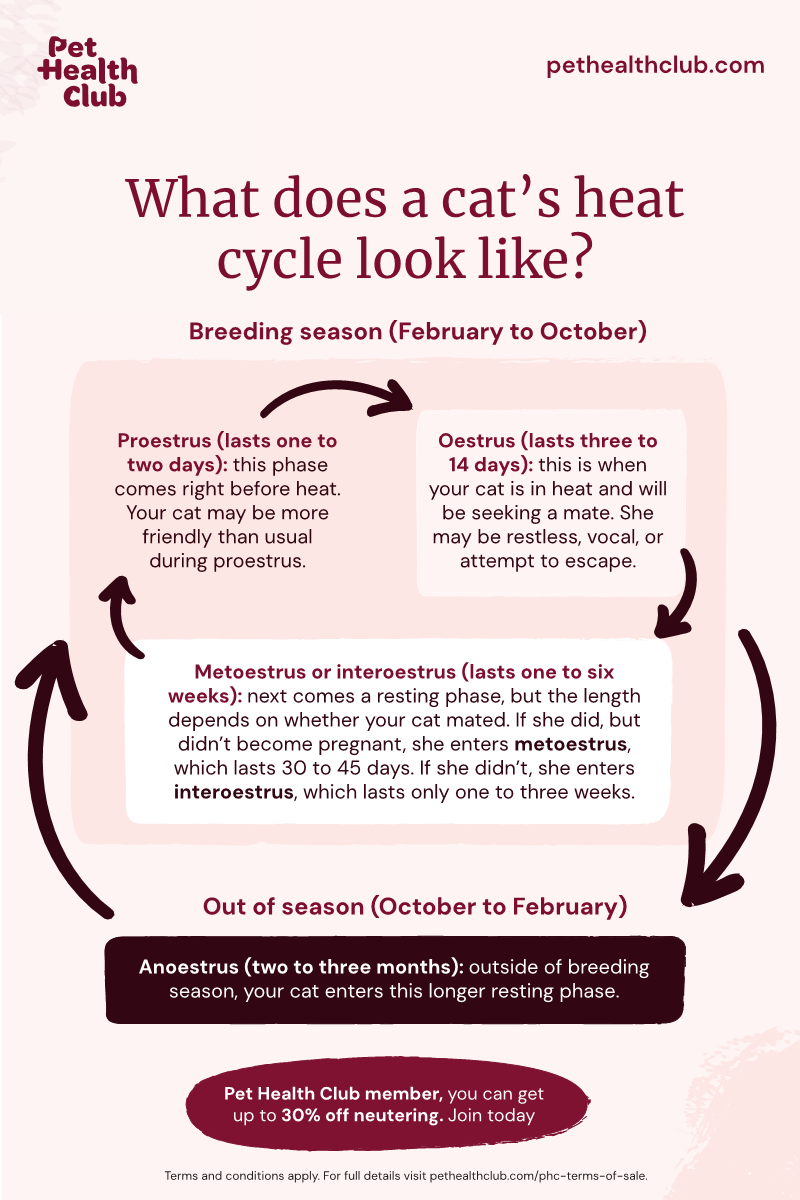
The cat breeding cycle is a natural process that controls when female cats are ready to mate. It repeats several times each year during specific seasons. Understanding this cycle helps cat owners and breeders know when cats are fertile and when breeding season slows down or ends.
Female cats go through different stages in their breeding cycle. These stages include periods of being in heat, fertile days, and rest phases. The cycle’s timing depends on factors like daylight and temperature.
Heat Periods Explained
Heat, also called estrus, is when a female cat is ready to mate. It usually lasts about 4 to 7 days. During this time, the cat shows behaviors that attract male cats.
Heat periods happen mostly in spring and summer. They slow down or stop in fall and winter when days are shorter. This is why breeding season ends as daylight decreases.
Frequency Of Estrus
Female cats can go into heat every 2 to 3 weeks if not pregnant. This means they can have multiple heat cycles in one breeding season. If a cat does not mate, the cycle repeats until the season ends.
In places with less daylight change, heat cycles may occur year-round. But in most areas, they follow the natural light pattern.
Signs Of Fertility
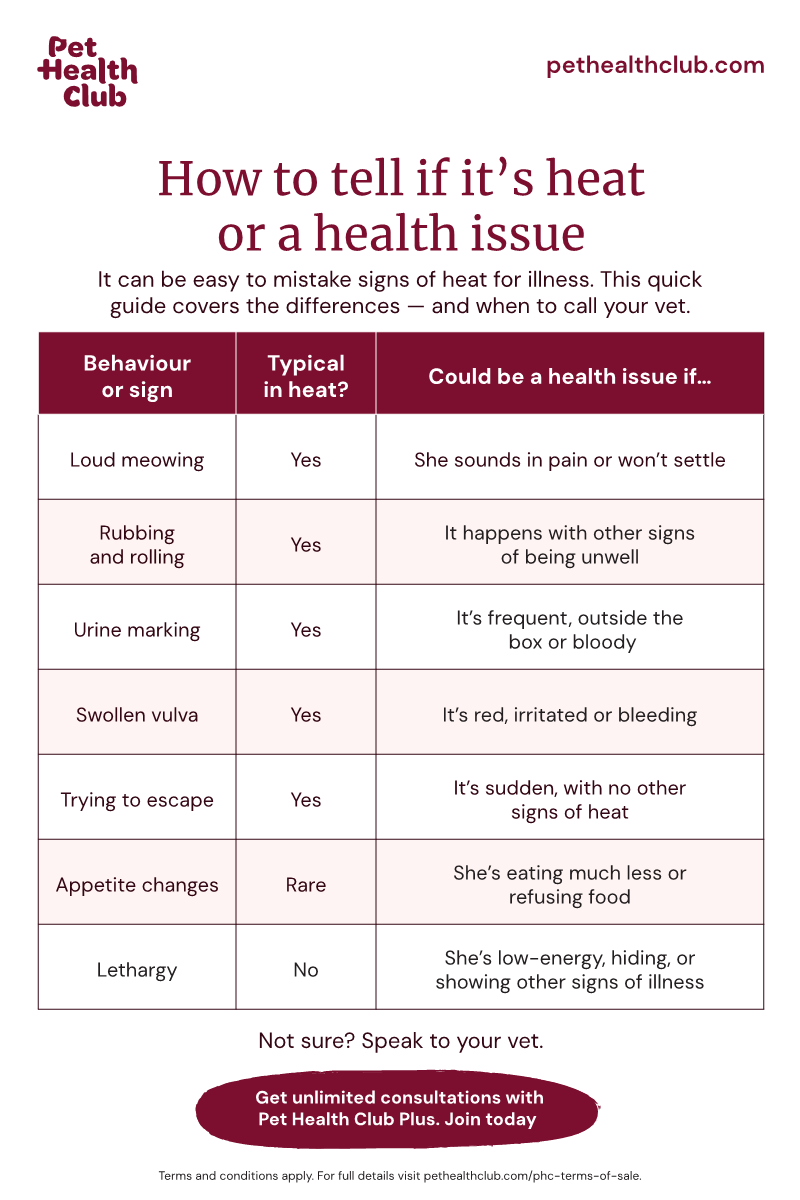
Signs a cat is fertile include loud meowing and restlessness. The cat may rub her body on objects or show extra affection. She may also raise her rear end and move her tail to the side.
Recognizing these signs helps know when the cat is ready to breed. These behaviors usually happen during the heat period of the cycle.

Credit: dremmanuelfontaine.com
Factors Influencing Breeding Season
The end of a cat’s breeding season isn’t set in stone. Several factors influence when and how long cats remain in heat. Understanding these can help you predict your cat’s breeding cycle and manage it better.
Impact Of Daylight
Daylight plays a crucial role in triggering a cat’s reproductive cycle. Cats are seasonal breeders, and they often go into heat when the days get longer, usually in spring and early summer.
Less daylight means fewer signals to start the breeding process. If you’ve noticed your cat’s heat cycles slow down as autumn approaches, it’s likely because shorter days reduce her reproductive hormones.
Role Of Temperature
Temperature affects breeding season too, but not as directly as daylight. Warmer weather encourages outdoor cats to roam and find mates, increasing breeding activity.
Colder temperatures can make cats less active and less interested in breeding. If your cat is mostly indoors, you might not see this seasonal change as clearly.
Indoor Vs Outdoor Cats
Indoor cats often have different breeding patterns than outdoor cats. Artificial lighting and steady indoor temperatures can confuse their natural cycles, causing them to go into heat year-round.
Outdoor cats rely on natural environmental cues, so their breeding season is more defined and limited. Knowing where your cat spends most of her time can help you understand her breeding behavior better.
Typical End Of Breeding Season
Cat breeding season usually ends as daylight hours shorten in late fall. Most cats stop going into heat when colder weather arrives and days grow shorter. This natural cycle helps control when kittens are born.
The cat breeding season typically wraps up around late summer. This period varies based on multiple factors like location and breed. Understanding these variations helps cat owners and breeders prepare better.Seasonal Variations
Cats usually breed during warmer months. Light and temperature play crucial roles. Longer daylight hours stimulate their reproductive cycles. As days shorten, breeding activity decreases. This natural rhythm helps manage kitten births.Regional Differences
Location affects breeding patterns significantly. In tropical regions, cats may breed year-round. Mild climates can prolong the season, extending it into autumn. In colder areas, the season aligns with spring and summer. These differences impact local cat populations.Breed-specific Patterns
Different breeds show unique breeding behaviors. Siamese cats might breed more frequently due to their heat cycles. Persian cats, with longer cycles, breed less often. Understanding these patterns aids in effective breeding management. Each breed adapts to its environment in distinct ways.Health Implications For Cats
Understanding the health implications of cat breeding is crucial for every cat owner. Continuous breeding can take a serious toll on your cat’s well-being. It affects not just their physical health but also their mental state, often leading to complications that could have been avoided with proper care.
Effects Of Continuous Breeding
When cats breed continuously without breaks, their bodies undergo immense stress. This can lead to weakened immune systems, making them more vulnerable to infections and diseases. Female cats may suffer from uterine infections, anemia, and exhaustion, which can shorten their lifespan.
Have you noticed how some cats become more withdrawn or irritable during breeding cycles? This behavioral change is often linked to hormonal imbalances caused by relentless breeding. It’s important to recognize these signs early to prevent long-term damage.
Preventing Unplanned Pregnancies
Unplanned pregnancies put your cat at risk and can contribute to overpopulation issues. You can reduce these risks by managing your cat’s environment and monitoring their interactions with other cats. Simple steps like keeping your cat indoors during breeding season can make a huge difference.
Another practical tip is to work with your veterinarian to understand your cat’s heat cycles. This knowledge helps you anticipate and prevent unintended matings. Wouldn’t it be reassuring to have control over your cat’s reproductive health?
Spaying And Its Timing
Spaying is one of the most effective ways to protect your cat from the health risks associated with breeding. Ideally, spaying should be done before your cat reaches her first heat cycle, typically around 5 to 6 months of age. This timing reduces the chance of early pregnancies and related complications.
Delaying spaying can increase the risk of mammary tumors and uterine infections. If your cat has already had a litter, don’t worry—spaying after pregnancy still offers significant health benefits. Have you discussed the best spaying schedule with your vet to ensure your cat’s long-term health?
Managing Your Cat During Breeding Season
Managing your cat during breeding season requires patience and care. Cats often behave differently due to hormonal changes. Understanding these changes helps maintain a calm home. Providing comfort and knowing when to get help keeps your cat safe and happy.
Behavioral Changes To Watch
During breeding season, cats may become more vocal. You might hear frequent yowling or meowing. Some cats try to escape to find mates. Restlessness and increased marking with urine are common. Female cats may display rolling and rubbing behaviors. Male cats might show aggression or pacing. Noticing these signs helps you support your cat better.
Comfort And Care Tips
- Provide a quiet, safe space for your cat to relax.
- Offer extra toys to distract from breeding urges.
- Keep litter boxes clean to reduce stress.
- Ensure fresh water and nutritious food are always available.
- Spend extra time petting and comforting your cat.
- Use pheromone sprays or diffusers to calm anxiety.
When To Seek Veterinary Help
Contact a vet if your cat shows extreme aggression. Seek help if your cat refuses to eat or drink. Unusual discharge or swelling around the genitals needs attention. Persistent vocalizing that disturbs sleep is a concern. If your cat injures itself trying to escape, get help immediately. Early veterinary care prevents serious health problems.
Credit: www.pethealthclub.com
Frequently Asked Questions
When Does The Cat Breeding Season Typically End?
Cat breeding season usually ends in late fall, around November. This timing depends on climate and daylight. Cooler temperatures and shorter days signal cats to stop breeding until spring.
How Long Does A Cat’s Breeding Season Last?
A cat’s breeding season lasts about six months. It generally starts in early spring and ends by late fall. This period varies with geographical location and indoor or outdoor living conditions.
What Factors Influence The End Of Cat Breeding Season?
Daylight length, temperature, and climate mainly influence the breeding season’s end. As daylight shortens and temperatures drop, cats naturally reduce reproductive activity. Indoor cats may breed year-round due to artificial lighting.
Can Cats Breed Outside Their Usual Season?
Yes, indoor cats can breed year-round. Artificial lighting and stable temperatures disrupt natural breeding cycles. Outdoor cats generally follow seasonal patterns and stop breeding in colder months.
Conclusion
Cat breeding season usually ends as daylight hours shorten. Cats breed most in spring and summer. Cooler months slow their reproductive cycle. This natural pause helps cats rest and recover. Understanding this cycle aids in better cat care. Watch your cat’s behavior for signs of heat.
This knowledge helps prevent unwanted litters. Remember, each cat can vary slightly in timing. Stay patient and observe your feline friend closely. Caring for cats means knowing their natural rhythms well.

Leave a Reply