
Are you curious about how cat breeding works when more than one person is involved? Whether you’re thinking about joining a breeding partnership or just want to understand the process better, knowing how multiple people can work together smoothly is key.
This isn’t just about sharing the kittens—it’s about teamwork, clear roles, and smart planning. Keep reading, and you’ll discover the secrets to successful cat breeding with partners, so you can avoid common pitfalls and make the experience rewarding for everyone involved—including your cats.

Credit: www.rd.com
Cat Breeding Basics
Understanding the basics of cat breeding is essential, especially when multiple people are involved in the process. Clear communication and shared knowledge help everyone work toward the same goals. Let’s break down the core concepts that will keep your breeding efforts organized and effective.
Key Breeding Terms
Before you dive into breeding, it’s important to know the language used by breeders. Terms like pedigree, which refers to a cat’s documented ancestry, and line breeding, a method to strengthen specific traits, come up often.
Other important terms include outcrossing, which means breeding cats from different lines to increase genetic diversity, and cattery, the place where breeding cats live. Knowing these terms ensures you understand discussions and records.
Cat Breeds And Traits
Each cat breed has unique traits, from physical appearance to personality. For example, Siamese cats are vocal and social, while Maine Coons are large and friendly. Recognizing these differences helps set realistic expectations for breeding outcomes.
Discuss with your team which traits matter most. Are you focusing on coat color, health, or behavior? This clarity guides your breeding choices and prevents confusion among multiple breeders involved.
Breeding Goals
Clear breeding goals unite everyone working together. Are you aiming to produce show-quality cats, healthy pets, or preserve a rare breed? Defining your objectives upfront helps guide decisions on which cats to breed and how to manage offspring.
Ask yourself: What qualities do you want to pass on? Agreeing on these goals with your partners avoids conflicting priorities that can derail the breeding program.
Roles In Multi-person Breeding
Working with multiple people in cat breeding means sharing clear roles and responsibilities. Each person brings unique skills and knowledge that help the breeding process run smoothly. Understanding who handles what can prevent confusion and ensure the cats get the best care.
Owner Responsibilities
The owner usually provides the living space and daily care for the cats. This includes feeding, cleaning, and monitoring their overall health. Owners also keep detailed records of each cat’s behavior and any changes they notice.
Think about this: if you own a breeding cat, how often do you check for signs of stress or illness? Staying observant helps catch problems early, which benefits everyone involved.
Breeder Contributions
Breeders bring the expertise in genetics and mating plans. They decide which cats to pair to improve traits like health, temperament, or appearance. Breeders also manage the breeding timeline, ensuring that each step happens at the right time.
Some breeders share stories about how carefully selecting pairs led to healthier kittens. Their knowledge influences success more than just luck or chance.
Veterinarian Involvement
Veterinarians play a critical role in multi-person breeding by providing health checks and vaccinations. They help identify genetic issues that could affect the kittens or mother. Regular vet visits protect the cats and give breeders peace of mind.
Have you ever considered how a vet’s advice could change your breeding decisions? Their input often guides safer and more ethical breeding practices.
Planning The Breeding Process
Cat breeding with multiple people needs clear communication and shared responsibilities. Each person should know their role to ensure the process runs smoothly and the cats stay healthy. Regular updates help avoid mistakes and keep everyone informed.
Planning the breeding process involves careful coordination and teamwork. Each person in the group has a role to play. Success depends on everyone working together efficiently. This section outlines the steps for effective planning.Selecting Breeding Pairs
Choosing the right breeding pairs is crucial. Look for cats with desirable traits. Consider their temperament, size, and color. A good match can lead to healthy kittens. Discuss with your team to make the best choice.Health Screening
Health screening is vital before breeding. Conduct tests for common genetic issues. Ensure both cats are free from diseases. Regular vet visits help maintain their health. Share medical records among the team for transparency.Timing And Cycles
Understanding a cat’s reproductive cycle is important. Female cats have specific heat cycles. Timing breeding during these cycles increases success. Coordinate with the team to track and monitor cycles. Use calendars or apps for reminders.
Credit: www.thejoltnews.com
Legal And Ethical Considerations
Working with multiple people in cat breeding brings unique legal and ethical challenges. You need clear agreements and a shared commitment to the cats’ well-being. Without these, misunderstandings and disputes can easily arise, affecting both the cats and your relationships.
Breeding Contracts
Breeding contracts are essential to protect everyone involved. They outline responsibilities, financial arrangements, and the care expected for the kittens. A detailed contract helps avoid confusion about who handles veterinary costs, vaccinations, and registration fees.
Have you ever seen a breeding partnership fall apart due to vague terms? A solid contract prevents that by specifying what each person must do before, during, and after the breeding process.
Animal Welfare
Ensuring the health and happiness of the cats should be your top priority. All parties must agree to proper living conditions, regular vet visits, and ethical breeding practices. Avoid breeding cats with known health issues or poor temperaments—this protects the breed and your reputation.
Ask yourself: Are you ready to put the cats’ needs above profits or personal preferences? When multiple people are involved, constant communication about the cats’ welfare is crucial.
Ownership Agreements
Clear ownership agreements clarify who owns the kittens and the breeding rights. This prevents arguments over who can sell or show the cats later. You might decide to share ownership or assign it fully to one person, but it must be written down.
Consider situations like a kitten needing emergency care or a decision about breeding future generations. Who has the final say? Answering these questions upfront saves stress and protects your partnership.
Managing Communication
Managing communication is key when multiple people breed cats together. Clear and regular contact helps avoid confusion. It keeps the process smooth and the cats healthy. Everyone stays informed and involved.
Good communication builds trust. It ensures that all parties know their roles and responsibilities. Sharing information quickly can prevent mistakes and misunderstandings. It also helps in planning and decision-making.
Coordinating Between Parties
Coordination means organizing tasks and schedules. Use tools like group chats or shared calendars. Set clear times for meetings or updates. Decide who handles feeding, vet visits, and paperwork. Everyone should know their duties and deadlines.
Regular check-ins keep everyone on the same page. Confirm plans before making changes. This prevents overlap or missed tasks. Good coordination saves time and reduces stress.
Sharing Updates And Records
Keep all health records and breeding logs in one place. Use digital folders or apps for easy access. Share updates on cat health, breeding progress, and vet visits promptly. Transparency helps spot issues early.
Send photos and notes regularly. This keeps everyone connected to the cats’ well-being. Clear records help track lineage and avoid mistakes in breeding pairs.
Handling Disputes
Disagreements can happen. Address them calmly and quickly. Listen to all sides without interrupting. Focus on facts and the cats’ best interests.
Set rules for conflict resolution before breeding starts. Agree on how to solve problems. Use a neutral third party if needed. Respect and patience keep the team strong.
Raising And Caring For Kittens
Raising and caring for kittens in a multi-person cat breeding setup requires clear communication and shared responsibilities. Each person’s role must complement the others to ensure the kittens receive consistent care. Understanding the stages of kitten development helps the team provide the right attention at the right time.
Neonatal Care
Newborn kittens are fragile and need constant warmth and feeding. You should monitor their body temperature closely, as they can’t regulate it themselves. Feeding schedules are strict—usually every two hours in the first week.
Multiple caregivers can take turns feeding and checking the kittens to avoid burnout. Make sure everyone uses the same feeding technique and formula to prevent digestive issues. Have a clear log for feeding times and weight tracking to catch any problems early.
Socialization Practices
Socializing kittens helps them grow into confident and friendly cats. You can start gentle handling from day one, but gradually increase the time spent with them as they get older. Different people interacting with the kittens teaches them to be comfortable around a variety of humans.
Introduce new sounds and environments carefully to avoid stress. Ask yourself: are the kittens getting enough positive experiences every day? Coordinating socialization schedules among your team ensures kittens aren’t overwhelmed or neglected.
Health Checks
Regular health checks are vital to spot illnesses early and keep vaccinations on track. Each caregiver should know the signs of common kitten health issues like dehydration, respiratory infections, or parasites. Simple daily checks include looking at the eyes, nose, and energy levels.
Keep a shared health record that tracks vet visits, medications, and any unusual symptoms. A well-organized system reduces the chance of missing important care steps. Does your team have a clear plan for emergencies? Preparing this in advance can save lives.
Selling And Rehoming Kittens
Selling and rehoming kittens is a crucial part of cat breeding, especially when multiple people are involved. It requires clear communication and shared responsibilities to ensure each kitten finds a loving home. Handling this process well reflects on your reputation and the health of the kittens.
Marketing Strategies
Effective marketing helps you reach the right buyers quickly. Use social media platforms like Instagram and Facebook to showcase adorable kitten photos and videos. Highlight unique traits, health clearances, and personality details to attract serious cat lovers.
Consider creating a simple website or blog page dedicated to your kittens. Sharing testimonials from past buyers builds trust and encourages inquiries. Have you tried local community boards or veterinary clinics for advertising? Sometimes, word-of-mouth still works best.
Screening Buyers
Not every interested person is the right fit for your kittens. Ask potential buyers about their living situation, experience with cats, and readiness for pet care. A quick phone call or questionnaire can reveal important details about their suitability.
Check if they understand the commitment, including time, expenses, and veterinary care. Don’t hesitate to say no if something feels off. Protecting the kitten’s future is more important than making a quick sale.
Transfer Procedures
Clear transfer procedures keep the process smooth and professional. Prepare a simple contract outlining responsibilities, health guarantees, and return policies. This protects both you and the new owner.
Arrange a safe and calm meeting place for handing over the kitten, or use a trusted courier if distance is an issue. Provide new owners with health records, feeding instructions, and contact information for ongoing support. How can you make this transition stress-free for the kitten and the buyer?
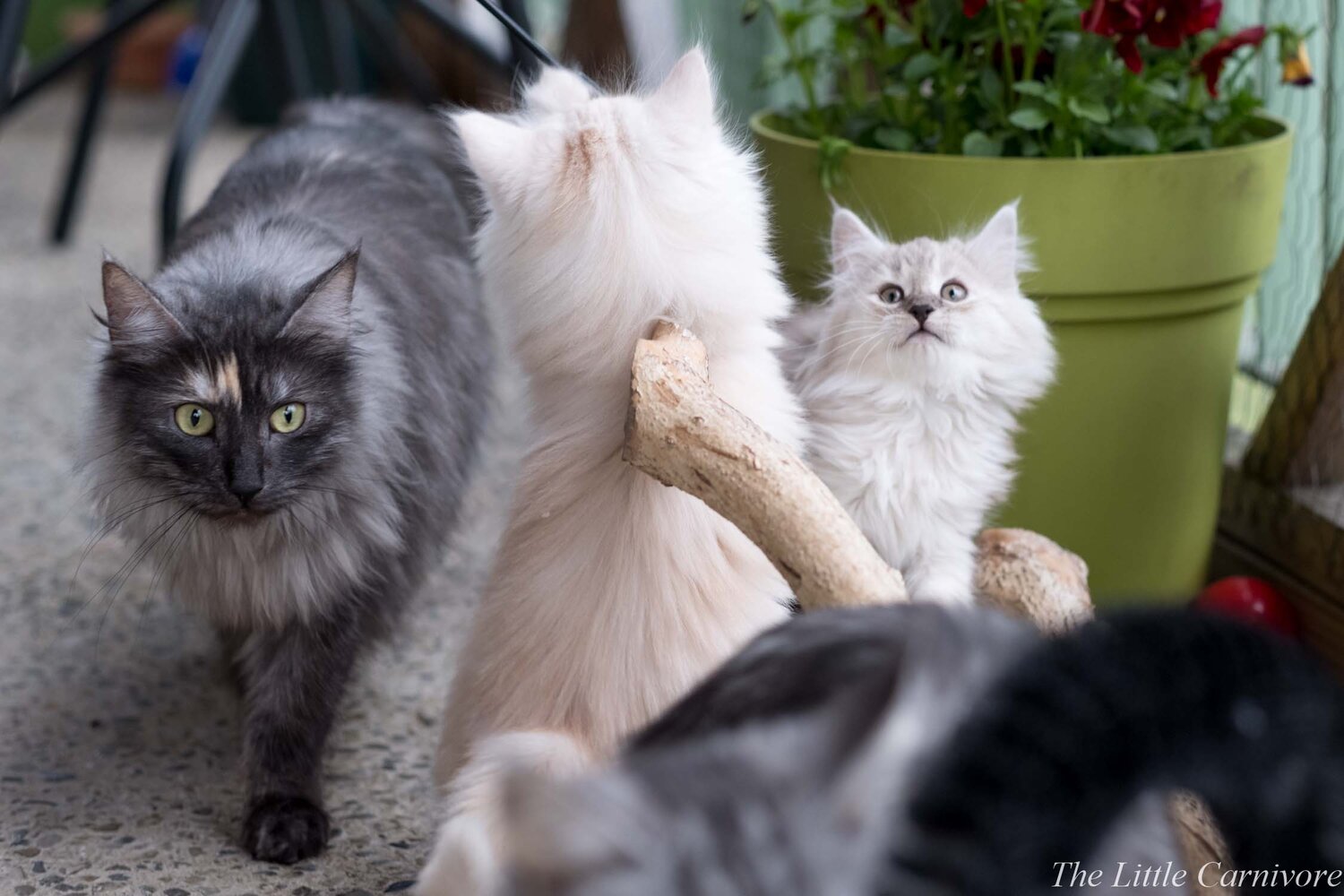
Credit: thelittlecarnivore.com
Financial Aspects
Managing the financial side of cat breeding with multiple people can get tricky fast. Clear agreements on money matters prevent conflicts and keep the project running smoothly. Understanding how to split costs, share profits, and keep detailed records is key to a successful partnership.
Cost Sharing
Sharing costs fairly is the foundation of any group breeding effort. You and your partners should list all expected expenses—food, vet visits, vaccinations, and advertising—and decide who pays what.
Think about splitting costs proportionally based on each person’s involvement or resources. For example, if one partner handles most vet care, they might cover a larger share of medical costs while others contribute more to food or supplies.
Have you considered setting up a joint fund? Collecting money upfront into a shared account can simplify payments and avoid confusion later.
Profit Distribution
Agreeing on how to divide profits before the kittens are sold avoids awkward conversations later. Profits usually come after deducting all costs, so transparency here is crucial.
You might split profits equally, or base them on each partner’s investment or effort. One approach I’ve seen work well is using a percentage system tied to initial contributions and ongoing work.
Remember to decide how to handle unexpected profits or losses. What happens if a litter doesn’t sell as expected? Planning ahead protects everyone’s interests.
Record Keeping
Keeping accurate financial records is your best defense against disputes. Track every expense and income item carefully, using spreadsheets or simple accounting software.
Make records accessible to all partners to maintain trust. Sharing monthly financial summaries helps everyone stay informed and involved.
Have you thought about appointing one person to manage the books? This can streamline the process but requires transparency to ensure no one feels left out.
Frequently Asked Questions
How Does Cat Breeding Work With Multiple People?
Cat breeding with multiple people involves sharing responsibilities like selecting cats, managing mating, and caring for kittens. Clear communication and agreements ensure smooth collaboration. Each person may specialize in certain tasks to improve breeding outcomes and kitten health.
What Are The Benefits Of Group Cat Breeding?
Group cat breeding allows pooling resources, knowledge, and skills. It improves genetic diversity and kitten quality. Collaboration reduces individual workload and increases chances of successful breeding. It also creates a support network among breeders.
How To Manage Responsibilities In Multi-person Cat Breeding?
Effective management requires clear role assignment for feeding, health checks, and record-keeping. Using shared calendars and communication tools helps track progress. Regular meetings ensure everyone stays informed and agrees on breeding decisions.
What Legal Aspects Apply To Multiple-person Cat Breeding?
Legal aspects include ownership agreements, breeding rights, and liability responsibilities. Breeders should draft written contracts to avoid disputes. Compliance with local animal welfare laws and registration with breeding clubs is essential.
Conclusion
Breeding cats with multiple people needs clear rules and teamwork. Each person must share duties and communicate well. This helps keep the cats healthy and happy. Trust among everyone makes the process smooth. Keeping records and planning visits is important.
Small steps lead to better results. Working together brings joy and success in cat breeding. It’s a rewarding effort for all involved.



Leave a Reply