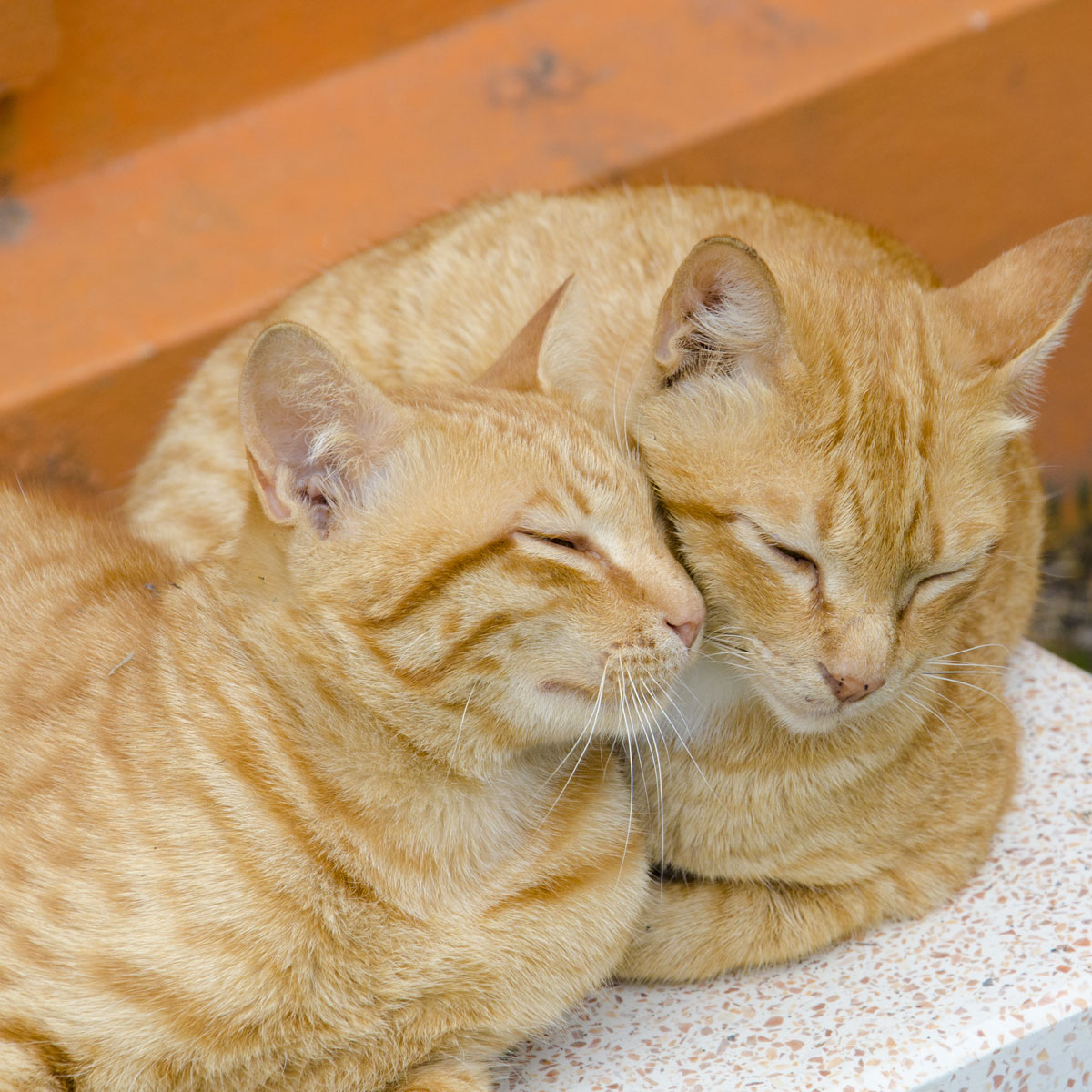
Have you ever watched one cat gently licking another and wondered what’s really going on? When one cat grooms another, it’s more than just cleaning fur.
This simple act can tell you a lot about their feelings, friendships, and even their health. If you want to understand your feline friends better and unlock the secret language behind their grooming, keep reading. You’ll discover surprising reasons why your cats do this and how it affects their bond—and yours too.

Credit: www.dreamstime.com
Reasons Cats Groom Each Other
Cats grooming each other is more than just a cute behavior. It’s a powerful way they communicate and connect. Understanding why they do this can help you better appreciate your feline friends’ social lives and emotional needs.
Bond Strengthening
Grooming between cats often signals a close and trusting relationship. When your cats lick and clean each other, they are reinforcing their bond. This mutual grooming helps create a sense of safety and belonging within their group.
If you notice your cats grooming each other after a play session or a nap, it’s their way of saying, “We’re family.” You can encourage this behavior by providing a calm environment where your cats feel secure.
Social Hierarchy
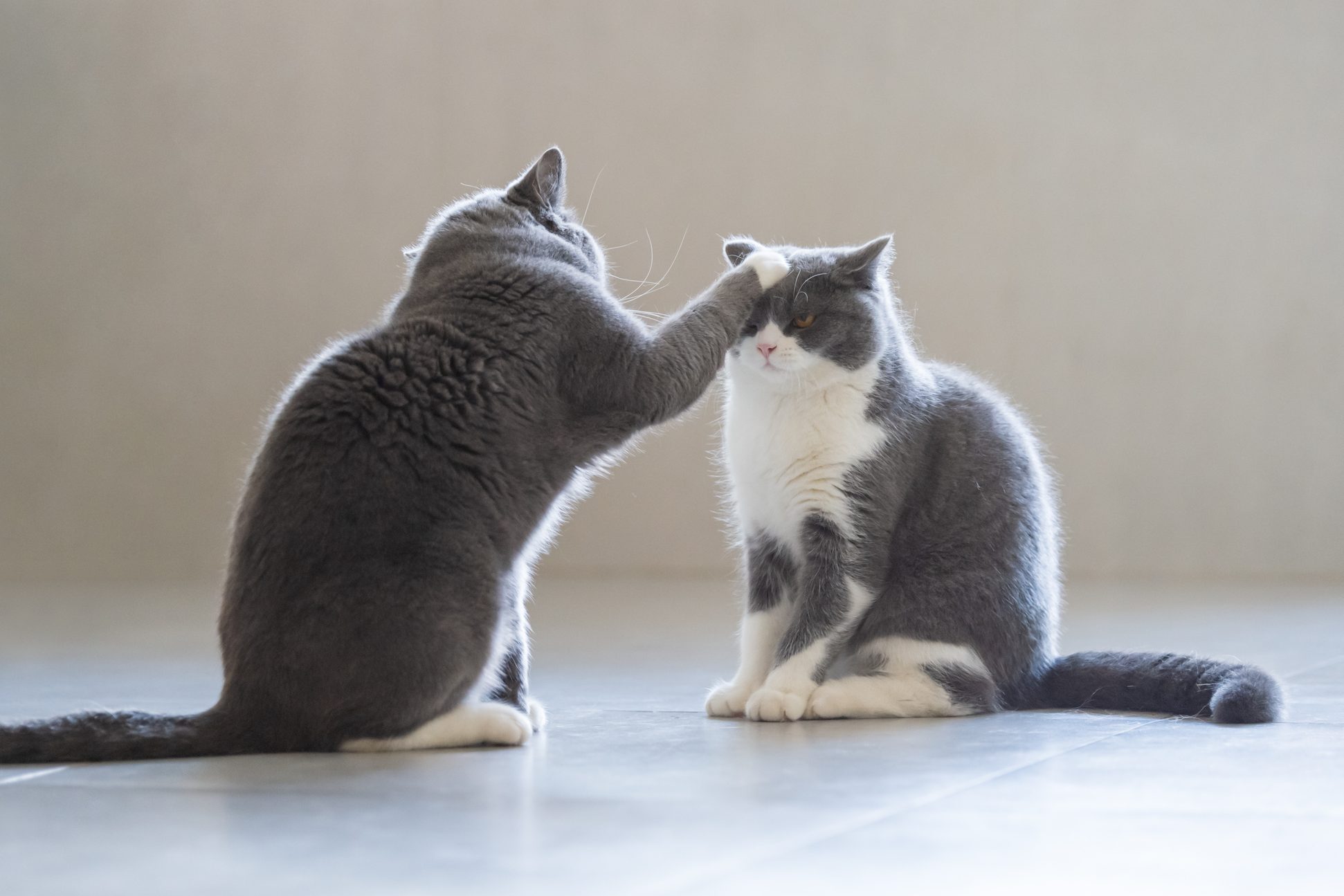
Grooming also plays a role in the social structure among cats. Typically, higher-ranking cats groom those lower in the hierarchy, showing dominance but also care. This behavior helps maintain peace and order within the group.
Watch closely—if one cat is doing most of the grooming, it might be the leader in your cat family. Recognizing this can help you manage conflicts or introduce new cats more smoothly.
Stress Relief
Grooming is a natural stress reliever for cats. When they lick each other, it releases calming chemicals that reduce anxiety. This is especially noticeable after stressful events like a visit to the vet or loud noises.
Have you seen your cats grooming more after a thunderstorm or a move? This is their way of comforting one another. You can support this by minimizing stress triggers and providing cozy hiding spots.
How Cats Groom Each Other
Cats often groom each other as a sign of trust and friendship. This behavior, known as allogrooming, helps build strong bonds between them. It also keeps their fur clean and healthy. Understanding how cats groom each other reveals much about their social lives and comfort levels.
Techniques Used
Cats use their tongues to groom one another. Their tongues have tiny, hook-like structures. These help remove dirt and loose fur. Cats may also use their teeth gently. They nibble to untangle fur or remove debris. Sometimes, cats lick a spot repeatedly to soothe it.
Preferred Spots
Cats usually groom each other in hard-to-reach areas. These include the head, neck, and behind the ears. They avoid areas they can easily clean themselves. The back and tail base are common grooming spots too. These areas often show trust when cats groom there.
Frequency And Duration
Grooming sessions vary in length and frequency. Some cats groom each other several times a day. Others may do it less often, depending on their relationship. Sessions can last from a few seconds to several minutes. Frequent grooming shows a strong bond and comfort between cats.
Benefits Of Mutual Grooming
Mutual grooming among cats is more than just a grooming ritual. It offers various benefits that enhance their health and emotional well-being. This behavior strengthens their social bonds and creates a peaceful environment.
Health Advantages
Mutual grooming keeps a cat’s coat clean and healthy. It removes dirt and loose fur, reducing the risk of hairballs. Grooming also stimulates blood circulation, promoting a healthy skin. Cats can reach areas that are difficult to clean alone, like the head and neck.
Emotional Comfort
Grooming another cat provides emotional comfort and security. It releases endorphins, creating a calming effect. This behavior reduces stress and anxiety, improving their overall mood. Grooming also reassures them that they are safe and loved.
Group Cohesion
Mutual grooming strengthens social bonds within a group. It reinforces trust and familiarity among cats. Grooming helps establish a hierarchy, reducing conflicts. Cats in a group feel more connected and united.
Credit: www.rd.com
Signs Grooming Shows Affection
Grooming between cats is more than cleaning. It shows trust and love. Cats use grooming to build strong bonds. Watching their behavior helps understand their feelings. Signs of affection appear clearly during grooming sessions.
Body Language Cues
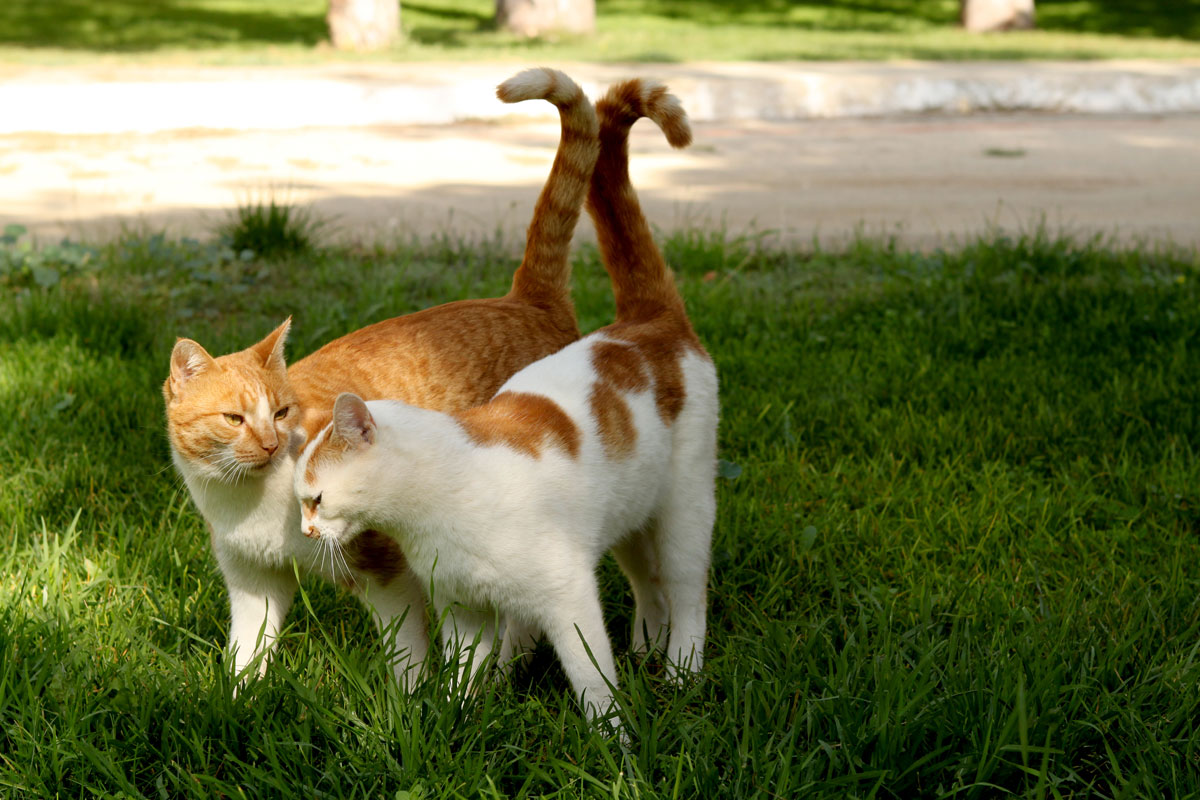
Relaxed postures signal comfort and trust. Cats often close their eyes or blink slowly. Their ears stay in a neutral position. Tail movements are gentle, not stiff or twitching. Soft paw touches support the calm mood. A cat leaning into the groomer shows acceptance.
Vocalizations
Quiet purring is a key sign of contentment. Soft meows or chirps might occur during grooming. These sounds express pleasure and connection. Sudden loud noises usually mean discomfort, not affection. Calm, steady sounds tell a story of friendship.
Reciprocal Grooming
Mutual grooming strengthens their relationship. Cats take turns cleaning each other’s fur. This sharing promotes trust and reduces tension. It often happens between cats that live together. A cat that grooms back shows it cares deeply.
When Grooming Becomes Problematic
Grooming between cats usually shows trust and affection. Sometimes, this behavior can change and cause problems. Recognizing when grooming becomes harmful helps protect your cats’ well-being.
Overgrooming Issues
Overgrooming happens when one cat licks another too much. This can irritate the skin and cause hair loss. The cat being groomed may feel stressed or uncomfortable. Watch for red, sore, or bald spots on your cat’s fur.
Aggression Or Dominance
Grooming can also hide signs of control or aggression. A cat may force grooming to show dominance over another. The groomed cat might try to escape or act fearful. Such behavior can harm their relationship and cause anxiety.
Health Concerns
Sometimes grooming problems signal health issues. A cat may groom another to comfort a sick or injured friend. Or, excessive grooming might spread parasites or infections. Monitor both cats closely and seek vet advice if needed.
Encouraging Positive Grooming
Encouraging positive grooming between cats can deepen their bond and reduce stress in your home. Grooming is more than just cleanliness—it’s a social activity that strengthens friendships. Helping your cats feel comfortable and safe around each other sets the stage for these gentle exchanges to happen naturally.
Creating A Peaceful Environment
Calm surroundings make cats feel secure enough to engage in grooming. Avoid loud noises or sudden movements that might startle them. Soft lighting and quiet spaces encourage relaxation, which helps cats open up to each other.
Think about your own space—do you feel relaxed where your cats spend time? Small changes, like adding cozy beds or hiding spots, can make a big difference. Your cats are more likely to groom each other when they feel safe and unthreatened.
Introducing New Cats
Bringing a new cat home requires patience and careful planning. Let your cats sniff each other’s scent before any face-to-face meetings. This simple step helps reduce anxiety and builds curiosity instead of fear.
Keep initial introductions short and positive. You might see tentative grooming attempts as a sign your cats are trying to connect. Don’t rush this process—allow them to explore their relationship at their own pace.
Monitoring Interactions
Watch how your cats interact during grooming sessions. Positive grooming usually involves gentle licking and mutual acceptance. If you notice any signs of tension, like growling or swatting, it’s time to gently intervene.
Ask yourself: Are both cats relaxed or is one trying to escape? Stepping in early prevents negative experiences that could harm their bond. Observing carefully also helps you learn your cats’ unique communication styles.
Credit: www.companionanimalpsychology.com
Frequently Asked Questions
Why Do Cats Groom Each Other?
Cats groom each other to strengthen social bonds and show affection. It helps maintain group harmony and reduces stress. Grooming also keeps their fur clean and free of parasites.
Is Grooming A Sign Of Cat Friendship?
Yes, grooming is a clear sign of friendship and trust between cats. It indicates comfort and mutual care within their social group.
Can Grooming Prevent Cat Conflicts?
Yes, grooming helps reduce aggression by promoting peaceful interactions. It signals acceptance and decreases territorial disputes among cats.
How Often Do Cats Groom Each Other?
Cats groom each other several times a day, depending on their social bond. Regular grooming maintains cleanliness and reinforces their relationship.
Conclusion
Cats grooming each other shows trust and care. It helps keep their fur clean and healthy. This behavior also builds strong bonds between cats. Watching them can be calming and sweet. Remember, grooming is more than just cleaning. It is a way cats say, “I like you.
” Understanding this helps you see your cats’ feelings. Enjoy these quiet moments—they mean a lot.

Leave a Reply