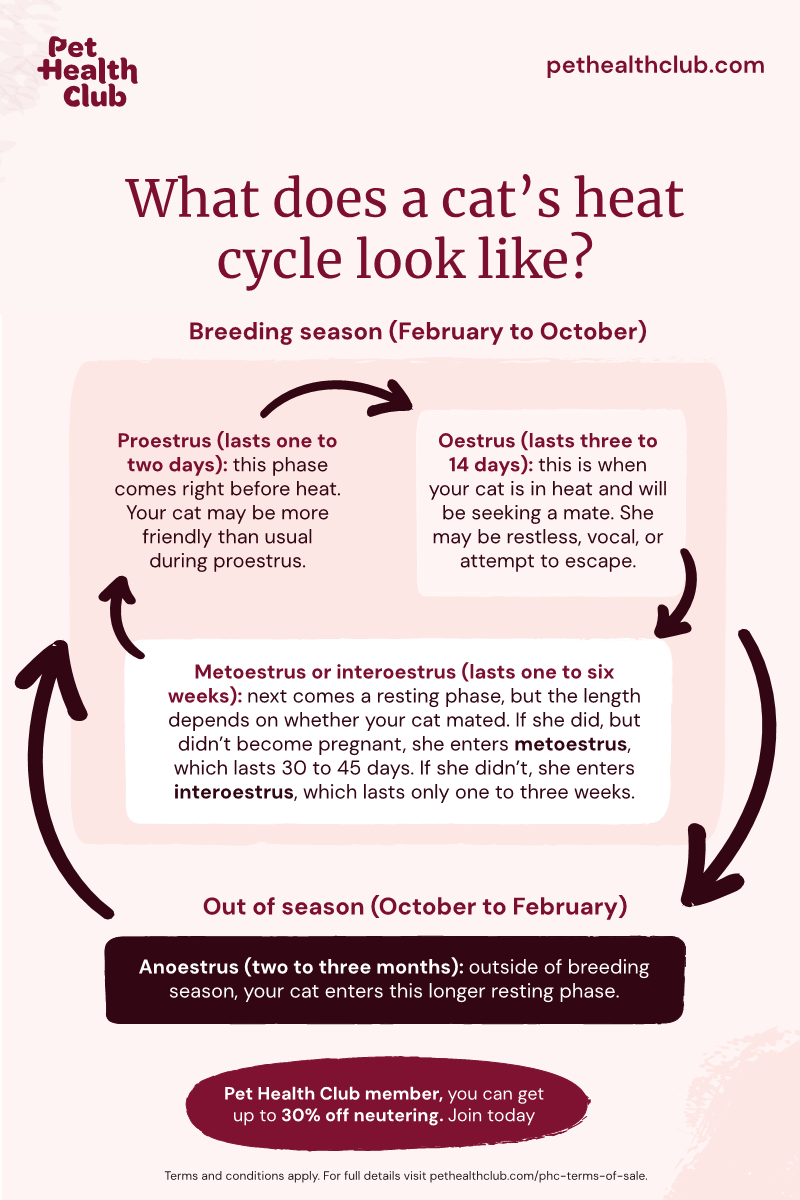
If you have a female cat that’s been part of your breeding program, you might wonder when it’s the right time to retire her. Knowing the perfect moment to stop breeding isn’t always easy, but it’s crucial for her health and happiness.
You’ll discover clear signs and expert advice to help you make the best decision for your cat’s well-being. Keep reading to ensure your beloved feline gets the care she deserves when it’s time to step back from breeding.

Credit: www.savannahgans.com
Signs To Consider Retirement
Knowing when to retire a breeding female cat is important for her health and well-being. Certain signs help determine the right time to stop breeding. Watching for these signs can protect her from stress and health risks. Understanding these signals makes retirement decisions clearer and kinder.
Age Factors
Most female cats start breeding at around one year old. As they age, fertility decreases naturally. Cats older than six years may face more risks during pregnancy. Breeding beyond seven or eight years is often unsafe. Age alone is a strong sign to consider retirement.
Health Indicators
Health plays a major role in deciding retirement. Look for weight loss or poor coat condition. Frequent illnesses or infections signal declining health. Difficulty recovering after pregnancy is a warning. Regular vet check-ups help track these health changes.
Behavioral Changes
Behavior shifts can indicate readiness to retire. Less interest in mating or nesting is common. Increased irritability or withdrawal may appear. A breeding female that avoids interaction needs rest. These changes often show she is ready to stop breeding.

Credit: www.reddit.com
Breeding Frequency Impact
The frequency at which you breed your female cat has a direct impact on her health and longevity. Overbreeding can lead to serious health problems and reduce her quality of life. Knowing the right balance is key to ensuring your cat stays healthy while still producing strong, healthy litters.
Litter Count Limits
Every cat has a limit to how many litters she can safely have in her lifetime. Breeding beyond this limit can cause exhaustion and weaken her immune system. Many experienced breeders recommend capping the number at around 4 to 6 litters, depending on the cat’s overall health and breed.
Think about your cat’s age and condition before deciding to breed again. Are her previous pregnancies affecting her energy or appetite? These signs can tell you if it’s time to retire her from breeding duties.
Recovery Time Between Litters
Allowing your cat enough time to recover between litters is just as important as limiting the total number. A rest period of at least six months helps her regain strength and prepare for the next pregnancy. Skipping this recovery can lead to complications like uterine infections or nutritional deficiencies.
Have you noticed your cat losing weight or becoming less active after a litter? These could be signals that she needs a longer break. Prioritizing recovery time supports her health and improves the chances of healthy kittens in the future.
Health Risks Of Prolonged Breeding
Prolonged breeding can cause serious health problems for female cats, including weakened immune systems and reproductive issues. Retiring a breeding cat at the right time helps protect her well-being and ensures a healthier life.
Prolonged breeding can pose significant health risks to a female cat, often compromising her well-being and longevity. As a responsible pet owner, understanding these risks is crucial in determining the right time to retire your breeding cat. Ensuring her health and happiness should always be a top priority.Reproductive Health Issues
Breeding over an extended period can lead to serious reproductive health issues in female cats. Conditions such as uterine infections and pyometra, an infection of the uterus, become more common. These can be life-threatening and often require surgical intervention. Moreover, frequent pregnancies can strain the reproductive system. This may result in complications during delivery or even infertility. Have you considered how these issues might affect your cat’s quality of life?Nutritional Concerns
Repeated pregnancies demand more from your cat’s body, significantly affecting her nutritional needs. A breeding cat requires an increased intake of calories and nutrients to support herself and her kittens. However, ongoing pregnancies can deplete her resources, leading to malnutrition. A malnourished cat may experience weakened immune function, making her more susceptible to diseases. Have you noticed any changes in your cat’s energy levels or coat condition? These could be signs of nutritional deficiencies. Balancing your cat’s diet is key to ensuring her overall health and well-being.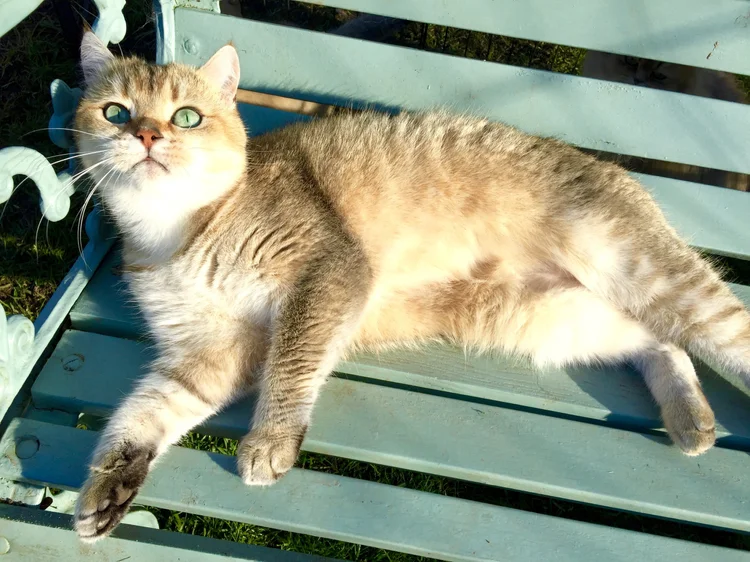
Credit: www.belleayr.com
Benefits Of Timely Retirement
Knowing the right time to retire your breeding female cat offers many benefits that improve both her health and your overall breeding experience. Timely retirement helps maintain her well-being and prevents unnecessary risks. It’s not just about stopping breeding; it’s about enhancing the quality of her life and avoiding future health problems.
Improved Quality Of Life
Retiring your female cat at the right moment allows her to enjoy a more relaxed and stress-free life. Without the demands of repeated pregnancies, she can regain energy and focus on her personal comfort and happiness.
You might notice she becomes more playful and affectionate once she’s no longer breeding. This change strengthens your bond and makes daily care more rewarding for both of you.
Have you observed how your cat’s behavior shifts after retirement? This can be a clear sign she’s benefiting from the reduced strain on her body.
Reduced Health Complications
Continuous breeding increases the risk of serious health issues like uterine infections, mammary tumors, and complications during pregnancy or birth. Retiring her on time significantly lowers these risks.
By stepping back from breeding duties, your cat’s immune system can recover, making her less vulnerable to illnesses. It’s a proactive way to extend her healthy years.
Consider how many breeders overlook the long-term health consequences of late retirement. Protecting your cat means planning ahead and acting before problems arise.
Alternatives After Retirement
After retiring your breeding female cat, you might wonder what the next chapter looks like for her. Retirement doesn’t mean the end of her value or companionship. There are meaningful alternatives that ensure she stays healthy, happy, and loved without the demands of breeding.
Spaying Options
Spaying your retired breeding cat is a smart choice. It helps prevent unwanted pregnancies and reduces the risk of certain health issues, like uterine infections and cancers.
Some cat owners worry that spaying will change their cat’s personality. In reality, many cats remain just as affectionate and playful after the surgery. Have you thought about how spaying might improve her quality of life?
If cost or timing is a concern, local shelters and veterinary clinics often offer affordable spay options. Scheduling the surgery soon after retirement can make the transition smoother for both of you.
Companion Pet Role
Your retired female cat can easily transition into a full-time companion pet. Without the stress of breeding, she can enjoy more relaxed days filled with cuddles and playtime.
Think about how her presence can brighten your daily routine. Cats often develop unique bonds with their humans over time, and she may enjoy being your constant, loving friend.
Consider enriching her environment with interactive toys or cozy resting spots. This helps keep her mentally and physically stimulated, which is important as she moves into this new phase of life.
Consulting Your Veterinarian
Consulting your veterinarian is a crucial step in deciding the right time to retire your breeding female cat. They provide expert insight based on your cat’s health, breed, and reproductive history. Your vet’s advice can help you balance your cat’s wellbeing with your breeding goals.
Regular Health Assessments
Schedule regular check-ups to monitor your cat’s physical condition. These visits allow your vet to detect any early signs of health issues that could affect breeding. Blood tests, weight checks, and dental exams are common assessments that reveal your cat’s overall fitness.
During one visit, my vet noticed subtle changes in my cat’s hormone levels, signaling it was time to retire her from breeding. Without that timely check-up, I might have missed the warning signs. Would you be able to spot such changes without professional help?
Personalized Retirement Plans
Your cat’s retirement plan should fit her unique needs and lifestyle. A vet can recommend the best timing and approach, considering factors like age, number of litters, and health status. This personalized plan ensures your cat transitions comfortably from breeding to a relaxed life.
Some cats may benefit from a gradual reduction in breeding frequency, while others might need immediate retirement due to health concerns. Discussing these options with your vet ensures your decisions are informed and compassionate. How prepared are you to adjust your plans based on your cat’s changing needs?
Frequently Asked Questions
When Is The Ideal Age To Retire A Breeding Female Cat?
Most breeders retire female cats between 5 to 7 years old. This age balances health and breeding performance. Older cats may face risks during pregnancy or delivery. Retiring ensures the cat’s well-being and maintains ethical breeding standards.
What Health Signs Indicate Retiring A Breeding Cat?
Signs like decreased fertility, frequent illness, or pregnancy complications suggest retirement. Aging cats may develop arthritis or dental issues affecting breeding. Regular vet check-ups help identify when health impacts breeding ability, signaling it’s time to retire the female cat.
How Many Litters Should A Breeding Female Cat Have?
A healthy breeding female cat should have about 3 to 4 litters in her lifetime. Overbreeding can lead to health problems and reduced fertility. Limiting litters ensures the cat remains healthy and prevents exhaustion or stress.
Can Retired Breeding Cats Live Normal Lives?
Yes, retired breeding cats can live happy, healthy lives as pets. They need proper care, nutrition, and regular vet visits post-retirement. Transitioning from breeding to pet life helps improve their quality of life and reduces stress.
Conclusion
Knowing when to retire a breeding female cat helps protect her health. Watch for signs of age and reduced fertility. Give her a calm life after retirement. This choice supports her well-being and happiness. Caring for your cat means making thoughtful decisions.
She deserves rest after years of breeding. Keep her comfortable and loved in this new stage. Your attention ensures a good life beyond breeding days.

Leave a Reply