
Are you thinking about breeding cats but unsure when the right time is? Knowing exactly when to start is crucial for your cat’s health and the well-being of her kittens.
Breeding too early or too late can lead to serious problems you want to avoid. You’ll discover the key signs to look for, the best age to begin, and how to prepare your cat for a safe and successful pregnancy.
Keep reading to make confident, informed decisions that protect your furry friend and set you up for a rewarding experience.
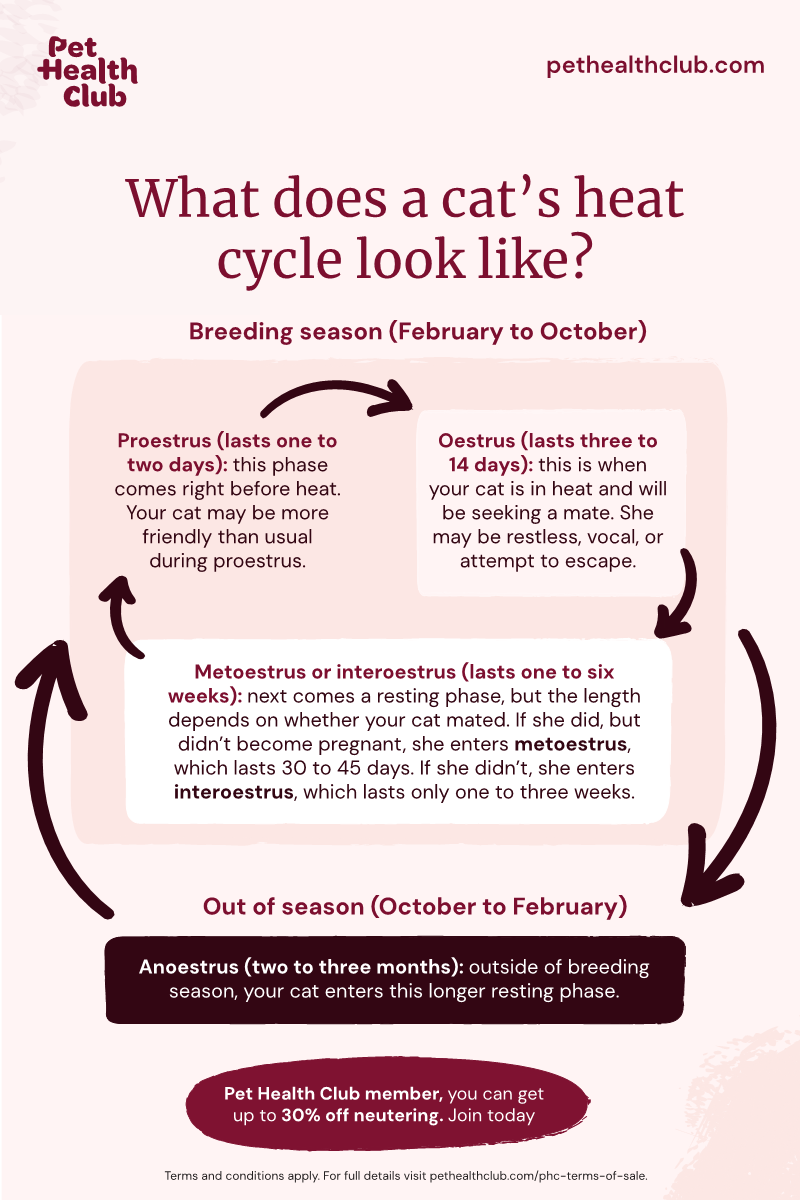
Credit: www.pethealthclub.com
Ideal Age To Start Breeding
Deciding the right time to start breeding cats is important for their health and well-being. The ideal age ensures the cat is ready physically and behaviorally. Starting too early can cause health problems. Waiting too long may reduce fertility. Understanding the cat’s maturity helps make the best choice.
Physical Maturity In Cats
Cats usually reach physical maturity between 8 and 12 months. Smaller breeds mature faster than larger ones. Female cats should weigh at least 6 pounds before breeding. Their bodies must be strong enough to handle pregnancy and birth. Regular vet checkups confirm health and readiness. Signs of full growth include:
- Adult teeth fully in place
- Steady body weight
- Healthy coat and clear eyes
- Strong bones and muscles
Behavioral Signs Of Readiness
Behavior can show when a cat is ready to breed. Female cats go into heat, showing clear signs. These include:
- Increased affection
- Restlessness or vocalizing more
- Lifting the hindquarters when touched
- Rolling on the ground
Males show interest by roaming and marking territory. They may become more aggressive or vocal. Watching these signs helps decide the right time for breeding.

Credit: www.catbreedingforbeginners.com
Health Requirements Before Breeding
Before you start breeding cats, ensuring their health is absolutely critical. A healthy cat not only increases the chances of successful pregnancies but also guarantees strong, healthy kittens. Ignoring these health requirements can lead to complications for both the mother and her offspring.
Vaccinations And Medical Checkups
Keeping your cat up to date on vaccinations is non-negotiable before breeding. Vaccines protect against common feline diseases like feline leukemia virus (FeLV) and feline immunodeficiency virus (FIV), which can be passed to kittens.
Regular medical checkups are just as important. A vet can detect hidden health issues such as parasites, infections, or dental problems that might affect your cat’s ability to breed safely. Have you ever considered how a simple blood test could prevent serious breeding issues down the line?
Genetic Screening And Testing
Genetic testing helps identify inherited diseases that could pass to the kittens. Many breeds have specific genetic conditions, and knowing your cat’s genetic status can save you from future heartbreak.
Tests for hypertrophic cardiomyopathy (HCM) in Maine Coons or polycystic kidney disease (PKD) in Persians are examples of screenings you should not skip. By avoiding breeding cats with certain genetic markers, you improve the overall health of the breed and reduce costly vet bills later.
Choosing The Right Cats For Breeding
Cats usually reach breeding age around six months, but waiting until they are fully mature is best. Healthy, well-developed cats produce stronger, healthier litters. Choosing cats with good health and temperament helps ensure successful breeding.
Choosing the right cats for breeding is crucial. The health, temperament, and breed standards of the cats play a big role. Selecting the best pairs ensures healthy and desirable kittens. This process requires careful evaluation and planning.Selecting Healthy Breeding Pairs
Healthy cats produce healthy kittens. Always choose cats with no genetic issues. Regular veterinary check-ups are essential. They should be free from diseases and parasites. Vaccinations must be up-to-date. Check their medical history thoroughly. A healthy cat leads to a successful breeding program.Temperament And Breed Standards
Temperament is key in breeding cats. Friendly cats often produce friendly kittens. Observe their behavior in different situations. They should be calm and sociable. Breed standards are also important. Each breed has specific traits. Ensure the cats meet these standards. This maintains the quality of the breed.
Credit: dremmanuelfontaine.com
Preparing Your Cat For Mating
Preparing your cat for mating is a crucial step before breeding. It ensures your cat is healthy and ready for pregnancy. Proper preparation helps avoid complications and promotes the well-being of both mother and kittens.
Start by focusing on your cat’s health and comfort. A balanced diet and a calm environment set the foundation. These factors support reproductive health and improve chances of successful breeding.
Nutrition And Diet Adjustments
Your cat needs extra nutrients before mating. Feeding high-quality food rich in protein helps build strength. Include foods with essential vitamins and minerals for reproductive health.
- Offer a balanced diet with increased calories
- Provide supplements like taurine and omega-3 fatty acids
- Ensure constant access to fresh water
Regular vet check-ups can guide diet changes. Avoid sudden food changes that may stress your cat.
Creating A Comfortable Environment
A quiet and safe space lowers stress levels. Stress can affect your cat’s fertility and behavior. Prepare a warm, clean, and cozy area away from noise.
- Use soft bedding and maintain cleanliness
- Keep the area free from other pets’ disturbances
- Provide hiding spots to help your cat feel secure
Maintain a steady room temperature and good ventilation. A calm environment encourages natural mating behavior.
Breeding Process And Timing
Understanding the breeding process and timing is key for successful cat breeding. Proper timing increases the chance of conception and healthy kittens. Knowing the female cat’s reproductive cycle and recognizing signs of mating helps guide the process. This section explains the heat cycle, ovulation timing, and signs of successful mating.
Heat Cycle And Ovulation Timing
Female cats go into heat, also called estrus, several times a year. This cycle lasts about 7 days but can vary. Ovulation happens only after mating, unlike many animals that ovulate regularly. This means cats are induced ovulators.
During heat, the female shows behaviors like:
- Restlessness and vocalizing
- Rubbing against objects or people
- Lifting her rear when petted
Mating triggers ovulation within 24 to 48 hours. Breeders must watch for this timing to ensure the best chance of fertilization. Multiple matings over several days often increase success.
Signs Of Successful Mating
After mating, cats often show clear signs that breeding was successful. These signs include:
- The female becomes calmer and less restless
- She may groom herself more often
- Occasional swelling or slight discharge may appear
Sometimes the male cat bites the female’s neck during mating, which is normal. If the female avoids the male after mating, it can mean she ovulated. Monitoring these behaviors helps confirm that breeding took place.
Caring For Pregnant Cats
Caring for pregnant cats requires attention and gentle care. Their needs change as they prepare to bring new life into the world. A calm environment and proper care help ensure the health of both mother and kittens. Understanding key aspects like nutrition and health monitoring is vital during this time.
Nutrition And Supplements
Pregnant cats need more calories and nutrients than usual. Feeding high-quality kitten food supports their energy and growth needs. This food has extra protein, vitamins, and minerals.
Supplements should only be given if a vet recommends them. Too many supplements can harm the cat or kittens. Fresh water must always be available to keep them hydrated.
Monitoring Health And Behavior
Watch for changes in eating habits, energy, and mood. Pregnant cats may become more affectionate or seek quiet spots. Notice any signs of illness like vomiting or unusual discharge.
Regular vet visits help track the pregnancy progress. The vet checks for any complications and offers advice. Early detection of problems can save lives and reduce risks.
Managing Birth And Early Kitten Care
Managing birth and early kitten care is vital for healthy cats. The birthing process can be stressful for the mother. Knowing what to expect helps you provide calm support. Early kitten care sets the foundation for their growth and survival.
Recognizing Labor Signs
Labor usually starts with restlessness and pacing. The mother may groom herself more than usual. She might hide or seek a quiet spot. You can notice mild contractions or trembling. Watch for nesting behavior, like scratching or arranging bedding.
Clear vaginal discharge may appear before birth. The mother’s temperature often drops below 99°F (37.2°C). Labor typically begins within 24 hours after the temperature drop. Prepare a warm, safe area for delivery. Stay calm and observe without disturbing her.
Postnatal Care For Mother And Kittens
After birth, the mother needs rest and good nutrition. Provide fresh water and high-quality kitten food. Keep the nesting area clean and warm. Check the mother’s nipples for swelling or redness. Encourage her to nurse the kittens often.
Kittens should start nursing within the first hour. Monitor their weight daily to ensure steady growth. Handle kittens gently and minimally during the first weeks. Watch for signs of illness like crying or weakness. Consult a vet immediately if problems arise.
Common Challenges And Solutions
Breeding cats can be rewarding but comes with several challenges. Understanding these challenges helps prepare for a smooth breeding process. Addressing problems early reduces risks for both cats and kittens.
Breeding Complications
Complications during breeding may include health risks for the mother cat. Pregnancy problems like difficulty giving birth can occur. Sometimes, kittens may be born weak or stillborn.
Regular vet check-ups can spot issues early. Keeping the mother healthy with proper diet and care is vital. Having a vet nearby during birth is a smart precaution.
Behavioral Issues
Breeding cats may show stress or aggression. Male cats may fight over females, causing injuries. Female cats might reject mating or be anxious.
Calm, quiet environments help cats feel safe. Separating aggressive males can prevent fights. Patience and gentle handling improve cooperation during breeding.
Frequently Asked Questions
When Is The Right Age To Start Breeding Cats?
Cats are typically ready for breeding at 8 to 12 months old. However, waiting until they are at least one year ensures better health and maturity for breeding.
How To Know If A Cat Is Ready To Breed?
Signs include the cat being in heat, showing behavioral changes, and reaching sexual maturity. A vet can confirm if the cat is healthy and ready.
What Health Checks Are Needed Before Breeding Cats?
Cats need full vaccinations, parasite control, and a vet check-up. Genetic screening is also recommended to avoid hereditary diseases in kittens.
Can You Breed Cats During Their First Heat Cycle?
Breeding during the first heat is not advisable. It’s better to wait until the cat is physically mature to ensure healthier kittens.
Conclusion
Breeding cats needs care and patience. Cats usually start breeding after six months. But health and readiness matter most. Always check your cat’s health first. Responsible breeding helps keep cats healthy. Take time to learn about cat care. This makes breeding safe and happy.
Remember, good timing protects both cats and kittens. Breeding is a big task, so prepare well. Your effort will help create strong, healthy cats.

Leave a Reply