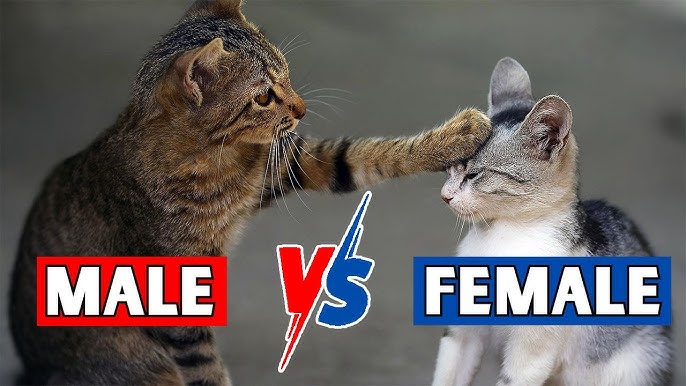
Have you ever watched your cats start grooming each other, only to suddenly break into a fight? It can be confusing and even a little upsetting to see.
You might wonder why something that seems so caring turns into a battle. Understanding why your cats fight during grooming can help you keep peace in your home and make your feline friends happier. Keep reading, because the answer might surprise you—and it could change the way you see your cats’ behavior forever.

Credit: tryfurgo.com
Cats And Social Grooming
Watching cats groom each other can look peaceful, but sometimes it sparks a sudden fight. Understanding why this happens starts with knowing what social grooming means for cats. It’s more than just cleaning; it’s a complex behavior tied to their social lives and emotions.
Purpose Of Grooming
Grooming helps cats stay clean by removing dirt and loose fur. But it also serves a social purpose, especially when cats groom each other. This activity helps reduce stress and creates a sense of safety among them.
Have you noticed your cats licking each other’s heads or necks? These are spots they can’t reach themselves, so grooming is practical as well as social. It’s a way for cats to support each other’s well-being.
Bonding Through Grooming
Social grooming builds and maintains bonds between cats. It’s like a silent conversation showing trust and affection. When cats groom each other, they reinforce their relationship and establish group harmony.
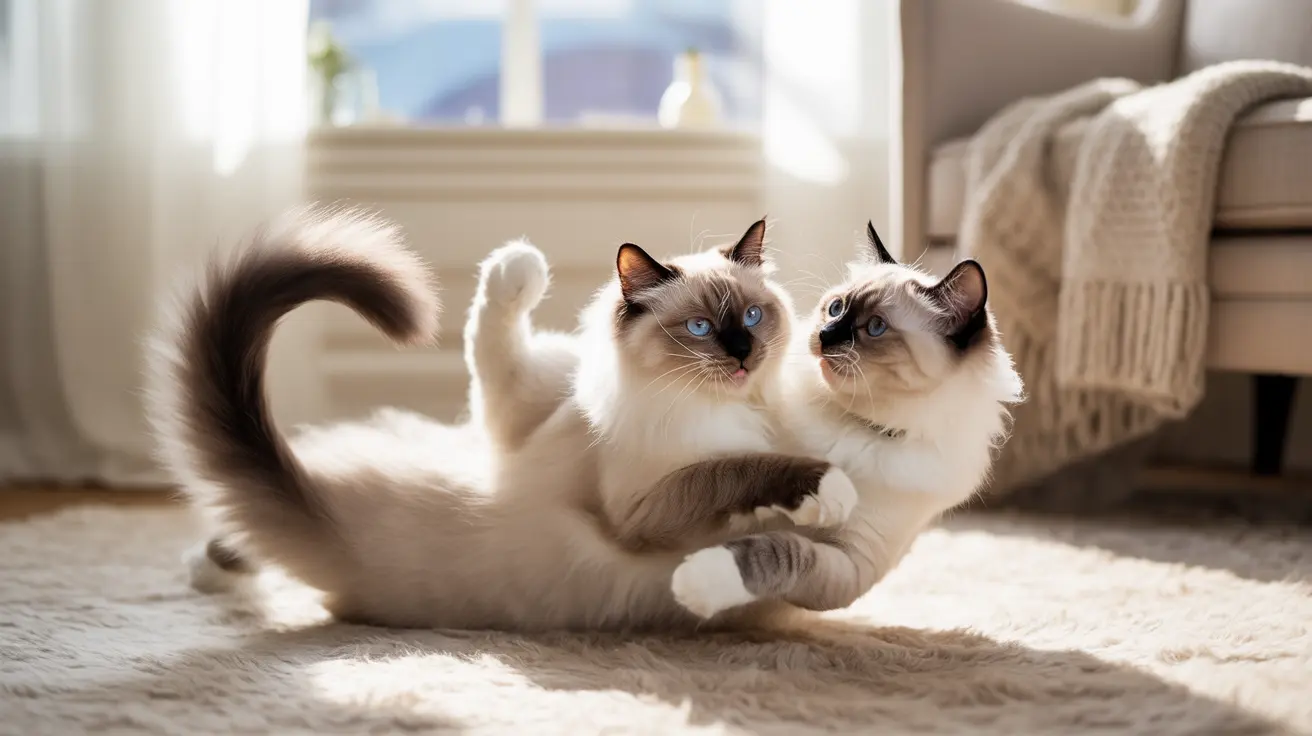
However, if one cat feels overwhelmed or annoyed, grooming can quickly turn into a fight. Pay attention to body language: a twitching tail or flattened ears may signal that your cat wants to stop. Have you ever seen a grooming session suddenly end with a hiss or swipe? It’s their way of saying, “Enough.”
Next time you see your cats grooming, watch closely. Their interactions can teach you a lot about their social dynamics and comfort levels.
Common Triggers For Grooming Fights
Grooming fights between cats can puzzle many pet owners. Understanding what sparks these conflicts helps you manage your cats’ relationships better. Several common triggers often lead to these tussles during what should be a bonding activity.
Overstimulation
Sometimes, a cat enjoys being groomed until it suddenly doesn’t. This shift happens because grooming can overstimulate sensitive nerve endings, causing discomfort or irritation. Have you noticed your cat suddenly swatting or biting during grooming? That’s a sign they’ve had enough attention, and continuing can provoke a fight.
Watch for signs like tail flicking, ears flattening, or sudden restlessness. These clues indicate your cat needs a break before the mood turns sour. Learning to read these signals helps you keep grooming sessions peaceful.
Territorial Behavior
Cats are naturally territorial, and grooming can sometimes feel like an invasion of their personal domain. When one cat grooms another, it might be asserting dominance rather than affection. If you see growling or stiff body language alongside grooming, it could mean a territorial dispute is brewing.
Think about your cats’ hierarchy and living space. Do they have enough separate spots to retreat to? Ensuring each cat feels secure in its own territory reduces tension during grooming.
Personal Space Issues
Just like people, cats value their personal space. Even close feline friends can have boundaries that must be respected. If one cat feels crowded or trapped during grooming, it may lash out to reclaim space.
Have you noticed if fights break out more when cats groom in tight or confined areas? Providing open, comfortable spaces for grooming allows cats to move away if they want. Respecting their need for space helps prevent grooming from turning into a battle.
Signs Of Discomfort In Cats
Cats may fight while grooming due to discomfort or pain in certain spots. Signs like growling, swatting, or stiff body language show they feel uneasy. Understanding these cues helps keep grooming calm and safe.
Understanding your cat’s behavior can be quite the puzzle, especially when their grooming sessions turn into skirmishes. Recognizing signs of discomfort in cats can help you gauge when a seemingly affectionate moment might take a turn. Knowing these signs allows you to step in and maintain peace between your feline friends.Body Language Clues
Cats communicate a lot through their bodies. A sudden stiffening of your cat’s posture or a bushy tail can indicate tension. If your cat’s ears flatten or they start to crouch, it might be time to intervene. Even subtle changes, like a flicking tail or dilated pupils, can be signs that your cat is not enjoying the grooming session. Observing these clues can help prevent fights before they happen.Vocalizations And Sounds
Cats also express discomfort through their vocalizations. A low growl or a loud hiss can be your cat’s way of saying “back off.” These sounds are often warnings that a fight might follow if the situation doesn’t change. Pay attention to the intensity and type of vocalization. A sudden yowl or persistent meowing during grooming could indicate that something is amiss. Are you able to recognize the difference between a content purr and a warning growl? By staying attentive to your cat’s body language and sounds, you can help ensure their interactions remain friendly. Understanding these signs not only enriches your relationship with your cats but also creates a harmonious environment for them to thrive in.Role Of Hierarchy In Cat Groups
Cats living together form social groups where hierarchy plays a crucial role. Understanding this hierarchy helps explain why your cats might fight during grooming sessions. Grooming is not just about cleanliness; it’s a social activity deeply tied to their status within the group.
Dominance And Submission
In cat groups, one cat often takes the lead, showing dominance, while others adopt a more submissive role. This dynamic influences how they interact during grooming. The dominant cat may insist on being groomed first or refuse grooming from a lower-ranked cat.
You might notice the dominant cat initiating grooming or even pushing another cat away. Submission is shown by allowing grooming without resistance or by retreating if the dominant cat becomes aggressive. These behaviors keep the group’s social order clear.
Grooming As A Power Play
Grooming can be a subtle way for cats to assert control. When one cat grooms another, it’s not just about bonding—it can be a way to reinforce who’s in charge. Sometimes, what looks like a friendly grooming session turns into a struggle for control.
If you see your cats suddenly swatting or hissing mid-groom, it could be a reaction to a power challenge. Watch for signs like stiff body language or staring; these often signal tension beneath the surface. Understanding this helps you decide when to step in or let them work it out.
Health And Grooming Conflicts
Cats often groom each other to show care and build bonds. But sometimes, grooming causes fights. Health and grooming conflicts can trigger these fights. Understanding these issues helps keep peace between your cats.
Skin Sensitivities
Some cats have sensitive skin that reacts to grooming. Their skin may feel itchy or sore. Grooming too hard can cause discomfort. Cats may bite or scratch to stop the pain. Allergies or dry skin make grooming painful. This can lead to sudden fights during grooming sessions.
Pain Or Injury
Cats with pain or injury may not like being touched. Grooming over a sore spot hurts them. They may snap or hiss to protect themselves. Older cats with arthritis often avoid grooming. Small wounds or infections also cause pain. Recognizing these signs can prevent fights and keep cats safe.

Credit: basepaws.com
How To Reduce Grooming Fights
Grooming fights between cats can be frustrating to watch, especially when you expect their grooming sessions to be moments of bonding. Understanding how to reduce these conflicts helps create a calmer environment for your feline friends. The key lies in creating comfort, observing behavior, and encouraging positive interactions.
Creating Safe Spaces
Cats need their own territory to feel secure during grooming. Providing multiple cozy spots around your home can prevent territorial disputes. Try placing soft beds or blankets in quiet corners where each cat can retreat when they want space.
Remember, overcrowding shared spaces often sparks tension. By giving each cat a personal area, you reduce stress and minimize the chance of grooming turning into a fight. Have you noticed your cats relaxing more when they have their own spots?
Monitoring Interactions
Keep a close eye on your cats during grooming sessions to catch early signs of discomfort or aggression. Watch for stiff body language, flattened ears, or sudden tail flicks. These signals can help you intervene before a fight erupts.
Sometimes, interrupting a grooming session briefly lets cats reset and approach each other more calmly. If fights happen often, note the specific triggers or times they occur. This awareness helps you manage their interactions better.
Positive Reinforcement Techniques
Reward your cats for calm behavior during grooming with treats, gentle petting, or soothing words. Positive reinforcement encourages them to associate grooming with good experiences. This builds trust and reduces anxiety around shared grooming time.
Try offering a favorite snack immediately after they groom each other without conflict. Over time, they’ll learn that peaceful grooming leads to rewards. Have you tried praising your cats right after they finish grooming? It might surprise you how effective it can be.
When To Seek Veterinary Advice
Knowing when to seek veterinary advice is important for your cats’ health and happiness. Grooming fights can sometimes signal deeper problems. Watching your cats closely helps catch issues early.
Persistent Aggression
Persistent aggression during grooming is a red flag. If your cats fight every time they try to groom, the behavior is not normal. This can lead to injuries or stress. A vet can check for pain or illness causing the aggression. Early help prevents worsening fights and keeps both cats safe.
Changes In Behavior
Sudden changes in your cats’ grooming habits or behavior need attention. If a calm cat becomes aggressive or a playful cat hides, something may be wrong. Illness, pain, or stress often cause these changes. A vet visit can uncover health issues or suggest ways to ease tension. Acting fast supports your cats’ well-being and peace at home.
Credit: www.petscare.com
Frequently Asked Questions
Why Do Cats Fight During Grooming Sessions?
Cats may fight during grooming due to overstimulation or irritation. Sometimes, one cat grooms too aggressively, causing discomfort. Territorial or dominance issues can also trigger fights. Understanding their body language helps prevent conflicts and promotes peaceful grooming behavior.
Is Fighting Normal When Cats Groom Each Other?
Mild disagreements during grooming are normal among cats. It helps establish social hierarchy and boundaries. However, frequent or aggressive fights indicate stress or health problems. Monitor their interactions closely and consult a vet if fighting escalates.
How Can I Stop My Cats From Fighting While Grooming?
To reduce fights, provide separate grooming times or spaces. Use calming aids like pheromone diffusers and ensure both cats feel safe. Positive reinforcement during grooming can also encourage peaceful behavior and strengthen their bond.
Can Grooming Fights Indicate Health Issues In Cats?
Yes, grooming fights can signal pain or skin problems. Cats may react aggressively if grooming causes discomfort. Regular vet check-ups help identify underlying health issues and keep grooming sessions pleasant.
Conclusion
Cats grooming each other can sometimes lead to fights. This behavior shows their complex social bonds. They may feel stressed or annoyed during grooming. Understanding these signs helps you keep peace. Giving cats space and time can reduce conflicts. Patience and care improve their relationship over time.
Watching their body language tells you when to step in. Happy cats often groom calmly and gently. Remember, small fights are normal but should not hurt. Keep observing and supporting your cats’ unique ways.

Leave a Reply