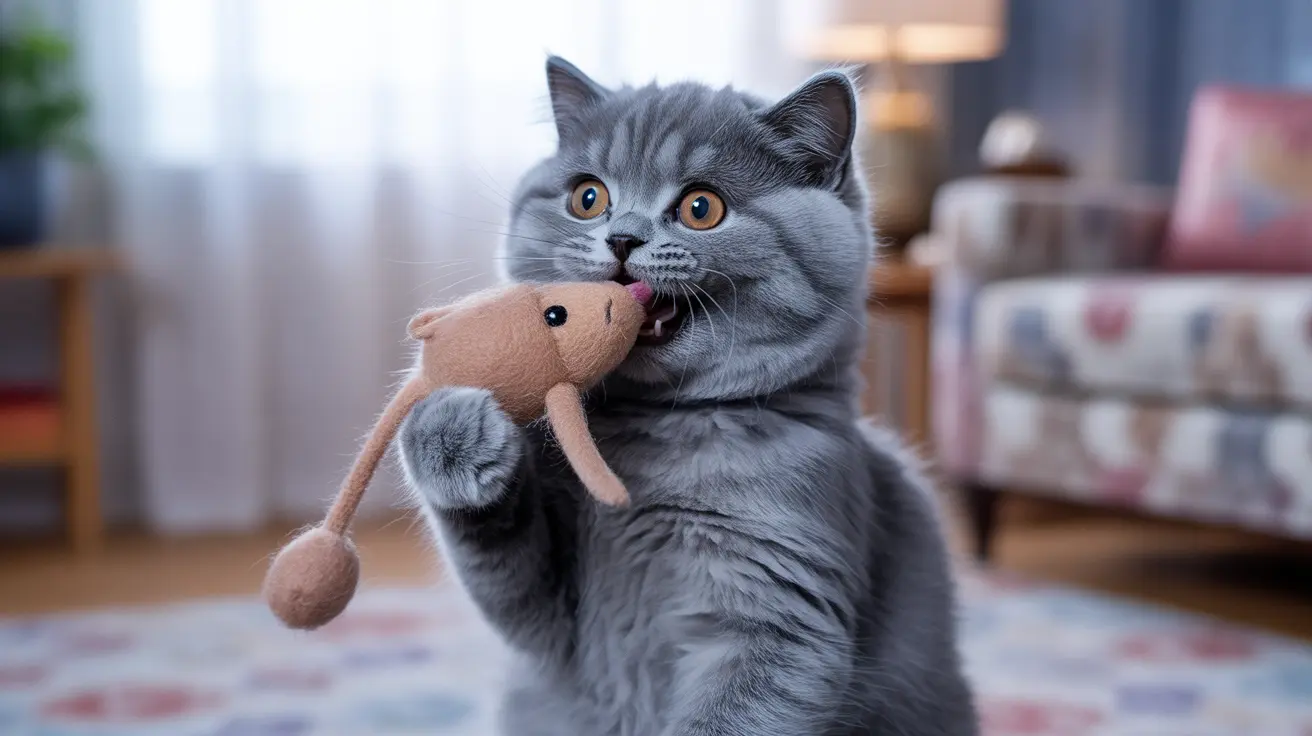
Have you ever noticed your cat yowling loudly over a simple toy mouse and wondered why? It can be surprising—and even a little confusing—to hear those sharp cries over something so small and harmless.
But your cat’s yowling isn’t random noise; it’s a message packed with meaning. Understanding why your furry friend reacts this way can help you strengthen your bond and keep your cat happy and healthy. Keep reading to uncover the secrets behind your cat’s yowling and discover what it really means when they focus so intensely on that little toy mouse.
Cat Vocalizations And Their Meanings
Understanding why your cat is yowling over a toy mouse starts with recognizing the different sounds cats make and what they mean. Cats use vocalizations as a primary way to communicate their feelings and needs. Paying attention to these sounds can reveal whether your cat is excited, frustrated, or trying to tell you something important.
Different Types Of Cat Sounds
Cats produce a variety of sounds, each serving a unique purpose. Common vocalizations include:
- Meowing:Often directed at humans, it can mean greeting, hunger, or a request for attention.
- Purring:Usually a sign of contentment, but sometimes can indicate pain or anxiety.
- Hissing and growling:Clear signs of fear, aggression, or discomfort.
- Chirping or trilling:Typically used when cats are excited, especially when watching birds or toys.
- Yowling:A loud, drawn-out sound usually signaling distress, frustration, or a strong emotional response.
Have you noticed your cat’s voice change when it interacts with the toy mouse? This shift might tell you more about its mood than you realize.
Yowling Vs Other Vocalizations
Yowling stands out among cat sounds because it is louder and more intense. Unlike a meow, which is short and often polite, yowling can indicate something more serious.
For example, your cat might yowl over the toy mouse because it’s overstimulated or frustrated by not catching it. This is different from chirping, which shows excitement and interest in the toy.
Ask yourself: Is your cat yowling to get your attention, or is it expressing irritation or stress? Understanding this helps you decide how to respond—whether to engage more or give your cat space.
The Role Of Play In Cat Behavior
Play is a crucial part of your cat’s life, shaping their behavior and emotional health. It’s more than just fun—it’s how they practice skills and express natural instincts. Understanding the role of play helps you see why your cat might yowl over something as simple as a toy mouse.
Hunting Instincts Triggered By Toys
Your cat’s play is often a rehearsal for hunting. Toys like a mouse mimic the movement and size of real prey, sparking your cat’s natural chase and pounce behaviors. This triggers excitement and sometimes vocalization, including yowling, as they get into “hunting mode.”
Think about how your cat’s eyes fix on the toy, their body tenses, and then they leap. That yowl can be a mix of frustration, excitement, or a way to communicate dominance over their “catch.”
Have you noticed your cat’s intensity increase when the toy moves unpredictably? This unpredictability keeps their brain engaged and makes playtime feel like real hunting.
How Cats React To Toy Mice
Cats react differently to toy mice based on their personality and past experiences. Some see it as a thrilling challenge, while others might feel frustrated if they can’t “catch” it easily. Yowling can be a sign they’re trying to express this frustration or excitement.
- Curious catsmay bat the toy around cautiously, sometimes vocalizing softly.
- Energetic catsoften pounce and chase, with louder yowls as part of their play ritual.
- Shyer catsmight hide after an initial investigation, occasionally yowling if startled.
Have you tried varying how you move the toy mouse? Changing the speed or direction can alter your cat’s reaction dramatically. This can help reduce loud yowling by keeping play engaging and less frustrating.
Reasons Behind Yowling At The Toy Mouse
Cats may yowl at toy mice out of excitement or frustration during play. This sound can also show their hunting instincts or a desire for attention.
Cats yowling over a toy mouse can be a perplexing, yet amusing behavior. If you’ve ever found yourself puzzled by your feline’s vocal outbursts, you’re not alone. Understanding the reasons behind this curious conduct can help you better cater to your cat’s needs and enhance your bond.Excitement And Stimulation
Cats are natural hunters, and a toy mouse can unleash their inner predator. The yowling might be an expression of pure excitement. Picture your cat in the wild, capturing prey and announcing their triumph. This behavior is a sign they’re fully engaged, their instincts taking over in a playful scenario.Territorial Behavior
Your cat might view the toy mouse as more than just a plaything; it’s a possession. Yowling can be a territorial declaration, a vocal warning to other pets—or even you—to back off. It’s as if they’re saying, “This is mine!” If your cat seems particularly possessive, it might be worth observing how they interact with other toys.Frustration Or Confusion
Sometimes, a cat’s yowling can stem from frustration. Perhaps the toy moves unpredictably, or it’s difficult to catch. This can lead to confusion, especially if your cat’s hunting skills are being challenged. Offering different types of toys might help alleviate this frustration by keeping their playtime varied and engaging.Seeking Attention
Cats are clever creatures and often use vocalizations to communicate with their human companions. If your cat yowls while playing with the toy mouse, they might be seeking your attention. They could be inviting you to join in the fun or simply craving your presence. Next time it happens, consider engaging with them to see if this is what they’re asking for. Understanding the reasons behind your cat’s yowling can enrich your interactions and ensure their well-being. Have you ever noticed your cat behaving this way with other toys? Observing their patterns can reveal fascinating insights into their personality and preferences.
Credit: www.reddit.com
Impact Of Age And Health On Vocal Behavior
The way your cat vocalizes can change a lot depending on their age and health. These factors play a big role in how and why your cat might yowl at something as simple as a toy mouse. Understanding these changes can help you respond better to your furry friend’s needs and keep their environment comfortable.
Changes In Senior Cats
As cats get older, their behavior naturally shifts. Senior cats may yowl more often due to confusion or anxiety. This can happen when they don’t recognize familiar toys or spaces anymore.
Older cats might also feel less energetic and become more vocal to get your attention. You might notice your cat yowling at a toy mouse because it triggers memories or feelings they find hard to express otherwise.
Have you noticed your older cat acting differently around their favorite toys? This could be a sign they need more comfort or mental stimulation.
Health Issues That Cause Yowling
Health problems can make your cat more vocal, especially if they are in pain or discomfort. Conditions like arthritis or dental issues often cause cats to yowl unexpectedly.
Sometimes, cats yowl because they are feeling unwell but can’t tell you directly. If your cat’s yowling seems unusual or intense, it’s a good idea to check for health concerns with your vet.
Other health-related reasons for yowling include:
- Hyperthyroidism, which increases restlessness and vocalization.
- Urinary tract infections causing discomfort.
- Neurological disorders affecting communication.
Pay attention to changes in your cat’s yowling patterns. Could this be a sign your cat needs medical attention?
How To Respond To Your Cat’s Yowling
Understanding how to respond to your cat’s yowling over a toy mouse can transform your playtime into a positive experience for both of you. Your cat is communicating something important, whether it’s excitement, frustration, or stress. By tuning into these signals and reacting thoughtfully, you can strengthen your bond and keep your cat happy and healthy.
Encouraging Positive Play
When your cat yowls during play, it might be trying to tell you it’s either overstimulated or eager for more interaction. You can channel this energy by offering different types of toys or changing the pace of play. Try introducing toys that mimic prey movements, like feather wands or laser pointers, to keep your cat engaged without causing frustration.
Pay attention to your cat’s body language. If your cat seems tense or overly vocal, pause and let it take a breather before resuming play. You could also reward calm behavior with treats or gentle petting to reinforce positive interactions.
Minimizing Stress And Anxiety
Yowling might also signal stress or anxiety, especially if your cat is fixated on a toy mouse and unable to settle. Creating a calm environment can help reduce these feelings. Provide quiet spaces and consistent routines to help your cat feel secure.
Consider whether the toy mouse is triggering aggressive or frustrated behavior. Some cats get overly fixated, which can lead to vocal distress. Rotating toys regularly and observing your cat’s reactions can prevent this buildup of tension.
When To Consult A Veterinarian
If yowling becomes frequent and intense, or if your cat shows signs of pain or distress beyond play, it’s time to seek professional advice. Sometimes vocalizations can indicate underlying health issues like dental pain or neurological problems.
Keep a diary of when the yowling occurs, noting any other unusual behaviors. This information will help your veterinarian make a more accurate diagnosis. Don’t hesitate to ask for help—your cat’s well-being depends on it.

Credit: www.reddit.com

Credit: www.kittyhelpdesk.com
Frequently Asked Questions
Why Does My Cat Yowl At The Toy Mouse?
Cats yowl at toy mice to express excitement or frustration. They mimic hunting behavior and communicate their emotions. Yowling can also indicate overstimulation or a desire for attention during playtime with the toy mouse.
Is Yowling Normal When Cats Play With Toys?
Yes, yowling is normal during play. It shows your cat’s natural hunting instincts and excitement. However, excessive yowling may indicate stress or the need for more engaging toys or interactive play.
How Can I Stop My Cat’s Yowling Over Toys?
Distract your cat with new toys or interactive play sessions. Provide mental and physical stimulation to reduce frustration. Consistent playtime and positive reinforcement can help minimize yowling behavior over toy mice.
Does Yowling Mean My Cat Is Stressed Or Anxious?
Sometimes, yes. Yowling during play can signal stress or anxiety. Observe your cat’s body language and environment to identify stress triggers. Providing a calm space and regular play can help reduce anxiety-related yowling.
Conclusion
Cats yowl at toy mice because they feel excited or frustrated. Yowling shows their strong hunting instincts and emotions. Sometimes, they want more attention or playtime with you. Watching your cat’s behavior helps you understand their needs. Giving them breaks or new toys can reduce yowling.
Enjoy their playful moments and stay patient. Your cat’s yowling means they are alive and curious. Keep playing and bonding to make them happy.


Leave a Reply