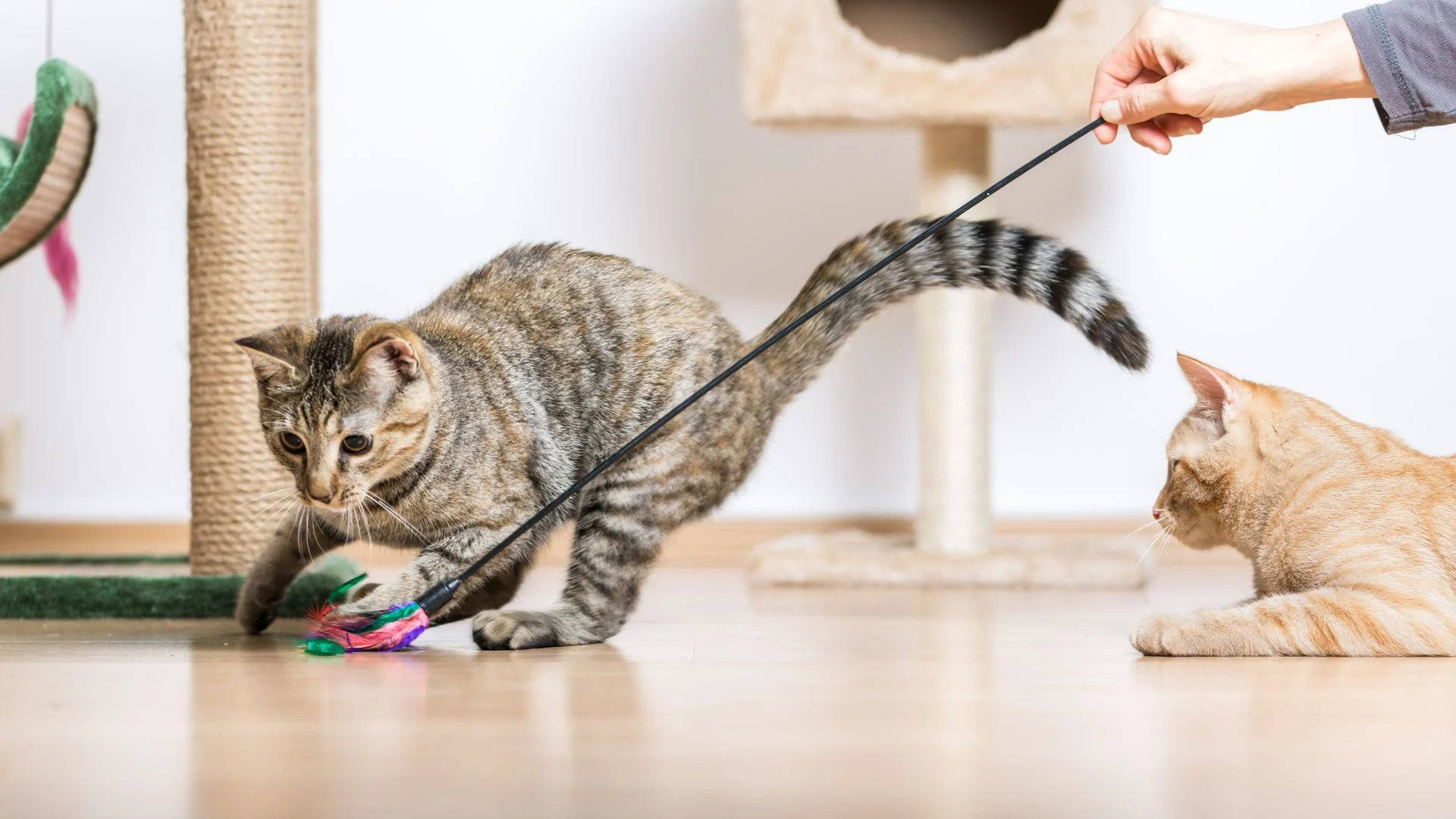
Have you ever noticed your cat, T Cat, suddenly crying while playing with a toy? It can be confusing and even a little worrying.
You might wonder if something is wrong or if your furry friend is just being dramatic. Understanding why your cat behaves this way can help you respond better and keep T Cat happy and healthy. Keep reading to uncover the surprising reasons behind those little cries and what you can do to make playtime more enjoyable for both of you.

Credit: moderncat.com
Signs Of Distress In Cats
Cats express their feelings in many ways. Signs of distress show when a cat feels scared, hurt, or anxious. Noticing these signs early helps keep your cat safe and happy. Pay attention to sounds and body language during playtime or quiet moments.
Recognizing Crying Sounds
Crying sounds can signal different emotions in cats. A soft meow might mean your cat wants attention. Loud, sharp cries often show pain or fear. If T Cat cries while playing, it might feel overwhelmed or uncomfortable. Watch if the crying lasts long or happens suddenly.
- Short meows usually mean curiosity or desire to play.
- Repeated loud cries suggest stress or discomfort.
- Whining or yowling could indicate pain or frustration.
Body Language Clues
Body language gives clear clues about your cat’s mood. Look at the ears, tail, and eyes during play. Flattened ears or a twitching tail show irritation or fear. Wide eyes with dilated pupils might mean stress. A tense body or crouching posture signals anxiety or pain.
- Relaxed body means your cat feels safe.
- Hiding or avoiding the toy can show discomfort.
- Sudden freezing or shaking suggests fear.
Emotional Causes Behind Crying
Cats express their feelings in many ways, and crying while playing is one of them. Understanding the emotional reasons behind this behavior helps owners respond better. Emotions like frustration or a need for attention often cause a cat to vocalize during play. Recognizing these signs improves the bond between you and your cat.
Frustration And Overstimulation
T cats can get frustrated if a toy is too hard to catch or too fast. This frustration shows as crying or meowing during play. Sometimes, a cat plays too long and becomes overstimulated. Overstimulation can cause them to feel anxious or upset. Crying is a way to express these feelings.
Seeking Attention
Cats sometimes cry to get your attention while playing. They want you to join in or give them more affection. The crying may mean they feel lonely or want more interaction. Responding to their calls strengthens your relationship and keeps them happy.
Physical Discomfort And Pain
Cats playing with toys is a joyful sight. But sometimes they cry while doing so. This could indicate physical discomfort or pain. Understanding the reasons behind their cries helps in addressing their needs.
Injuries During Play
Cats can get hurt while playing. A sharp toy or rough play can cause injuries. Scratches or cuts might occur, leading to discomfort. If a cat cries, inspect for visible injuries. Check their paws, legs, and body for signs of pain.
Underlying Health Issues
Some health problems can cause pain during play. Arthritis is one such condition. It makes joints stiff and painful. Dental issues can also affect play. If biting a toy causes pain, a cat may cry. Regular vet visits help detect these issues early.

Credit: moderncat.com
Environmental Factors
Environmental factors play a big role in a cat’s behavior. These factors can affect how your cat feels and acts during playtime. Sometimes, changes in their surroundings cause your cat to cry while playing with a toy. Understanding these influences helps you create a better space for your pet.
Stressful Surroundings
Stressful surroundings make cats uneasy. Loud noises, new people, or unfamiliar animals cause anxiety. This stress can show through crying during play. Your cat may feel unsafe or distracted. A calm and quiet environment helps reduce stress and supports happy playtime.
Changes In Routine
Cats love routine and predictability. Sudden changes in feeding times, play schedules, or sleeping spots can upset them. These disruptions might lead to crying during play. Keeping a consistent routine helps your cat feel secure. Predictability encourages relaxed and joyful interactions with toys.
Toy-related Triggers
T cat crying during play can stem from toy-related triggers. Toys that seem fun to us may cause discomfort or fear for cats. Understanding these triggers helps improve your cat’s playtime experience. Observing your cat closely reveals what toys cause stress or pain.
Toy Size And Texture
Size matters a lot to cats. Toys too big or too small can confuse or frighten them. Small toys might hurt if swallowed or caught in their mouths. Large toys may feel hard to control, causing frustration.
Texture also plays a key role. Rough or sharp materials can irritate sensitive paws or mouths. Soft, smooth toys tend to be more inviting and less likely to cause discomfort. Cats prefer toys that feel safe and easy to bite or hold.
Safety Concerns
Unsafe toys can make cats cry out of pain or fear. Loose parts or strings might choke or trap their claws. Broken toys with sharp edges can cut or scratch.
Check toys regularly for damage. Replace or fix any toy that poses a risk. Safe toys reduce stress and make playtime more enjoyable.
How To Comfort A Crying Cat
Comforting a crying cat during playtime can feel confusing. You want your cat to enjoy the moment, not feel upset or anxious. Understanding how to soothe your cat can turn play sessions into positive, bonding experiences.
Calming Techniques
Start by speaking softly to your cat. Gentle, reassuring tones can ease their stress quickly.
Try slow blinking at your cat. This subtle gesture shows trust and can help calm their nerves.
Offer a cozy spot nearby with a soft blanket or cushion. Sometimes, a safe retreat is all your cat needs to feel secure.
Use gentle petting focused around their favorite spots, like behind the ears or under the chin.
Have you noticed how your cat reacts when you pause play and give them a break? Observing their cues can guide when to calm them down.
Choosing The Right Toys
Not all toys suit every cat. Some cats prefer soft, slow-moving toys, while others enjoy fast, interactive ones.
Look for toys that mimic natural prey, such as feather wands or small balls. These can engage your cat without overwhelming them.
If your cat cries while playing, try switching to quieter toys. Loud or unpredictable noises may scare them.
Rotate toys regularly to keep your cat interested and prevent boredom-induced stress.
Have you tried observing which toys your cat approaches first? Their choice can reveal what makes them comfortable and happy during play.
When To Consult A Veterinarian
Not all cat crying during play means a serious problem. Yet, some signs show your pet needs a vet’s care. Knowing these signs helps protect your cat’s health fast. Early action can prevent pain and more issues. Always watch your cat closely when it cries while playing.
Signs That Require Medical Attention
- Persistent crying lasting more than a few minutes
- Sudden limping or refusal to move
- Visible wounds or swelling near the mouth or paws
- Excessive drooling or difficulty eating
- Changes in behavior like hiding or aggression
- Repeated vomiting or diarrhea
- Breathing problems or coughing during play
Preparing For The Vet Visit
Gather information about your cat’s recent behavior and crying episodes. Note the frequency, duration, and any triggers you observed. Bring your cat’s medical records, including vaccinations and past illnesses. Use a comfortable carrier to reduce stress during travel. Keep your cat calm before the appointment by offering quiet time and familiar toys. Write down any questions or concerns to discuss with the veterinarian.

Credit: observers.france24.com
Frequently Asked Questions
Why Is My Cat Crying While Playing With Toys?
Cats may cry during play due to frustration, overstimulation, or seeking attention. It can also indicate discomfort or stress related to the toy or environment.
Can A Cat’s Cry Mean Pain During Play?
Yes, if a cat cries persistently while playing, it could signal pain or injury. Consult a vet to rule out health issues.
Does Crying During Play Mean My Cat Is Bored?
Crying can indicate boredom if the toy fails to engage the cat properly. Try introducing new or interactive toys to stimulate interest.
How To Stop My Cat From Crying While Playing?
Ensure toys are safe, engaging, and suitable. Provide breaks and positive reinforcement to reduce stress and frustration during playtime.
Conclusion
T Cat crying while playing with a toy shows its feelings clearly. Sometimes, toys might hurt or scare cats without us knowing. Cats also cry to get attention or express confusion. Watching your cat closely helps you understand its needs better.
Offering gentle toys and calm playtime can make your cat happy. Remember, every cat is different and shows emotions in unique ways. Caring for your cat means listening to its signals and acting kindly. This way, your pet stays safe and joyful during play.

Leave a Reply