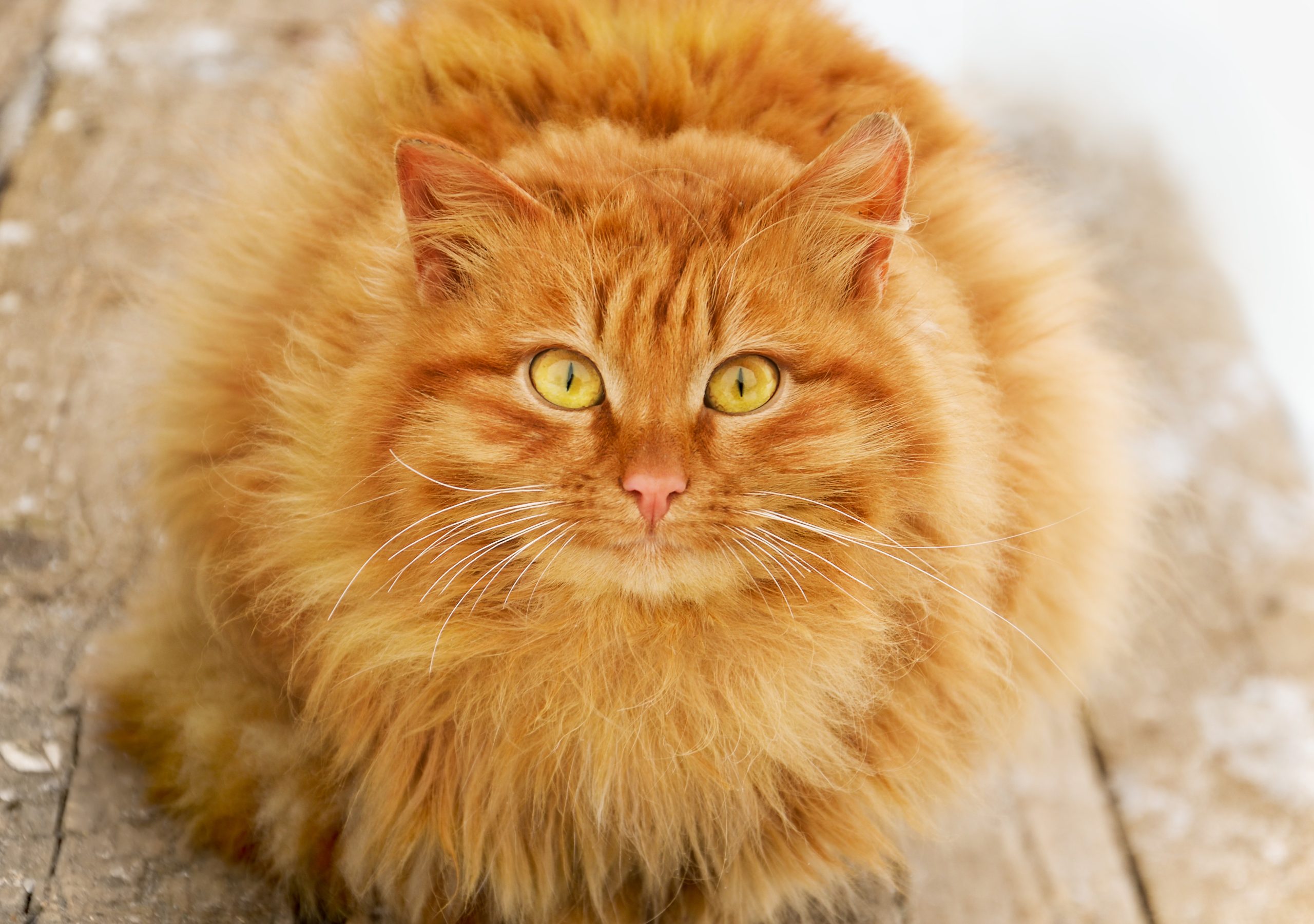
Have you ever noticed your cat spending way too much time licking or chewing its fur? Excessive grooming in cats isn’t just a quirky habit—it could be a sign that something is wrong.
If your furry friend is constantly over-grooming, it might lead to bald spots, skin irritation, or even infections. You want to make sure your cat stays healthy and happy, right? Keep reading to discover why your cat might be grooming too much and what you can do to help.
Reasons For Excessive Grooming
Excessive grooming in cats can signal various underlying issues. Understanding the reasons helps pet owners address this behavior effectively. Cats groom to stay clean and calm, but too much grooming might cause harm.
Medical Causes
Skin allergies often lead cats to groom excessively. Parasites like fleas cause itching and discomfort. Infections, wounds, or pain can trigger over-grooming. Hormonal imbalances may also affect grooming habits. A vet visit can diagnose medical problems quickly.
Behavioral Triggers
Stress and anxiety can cause cats to groom too much. Changes in routine or environment may upset them. Boredom often leads to repetitive grooming as a coping method. Some cats develop compulsive grooming habits over time. Attention-seeking behavior may also play a role.
Environmental Factors
Uncomfortable living spaces can increase grooming. Dirty or damp fur makes cats clean more. Lack of stimulation or toys leads to boredom. Overcrowded homes cause stress and over-grooming. Temperature extremes may also influence grooming frequency.
Credit: najupets.com
Health Risks Of Over-grooming
Over-grooming in cats can lead to serious health problems. Excessive licking and scratching damage the skin and fur. This behavior may indicate underlying physical or emotional issues. Recognizing the health risks helps in providing timely care and treatment.
Skin Irritation And Hair Loss
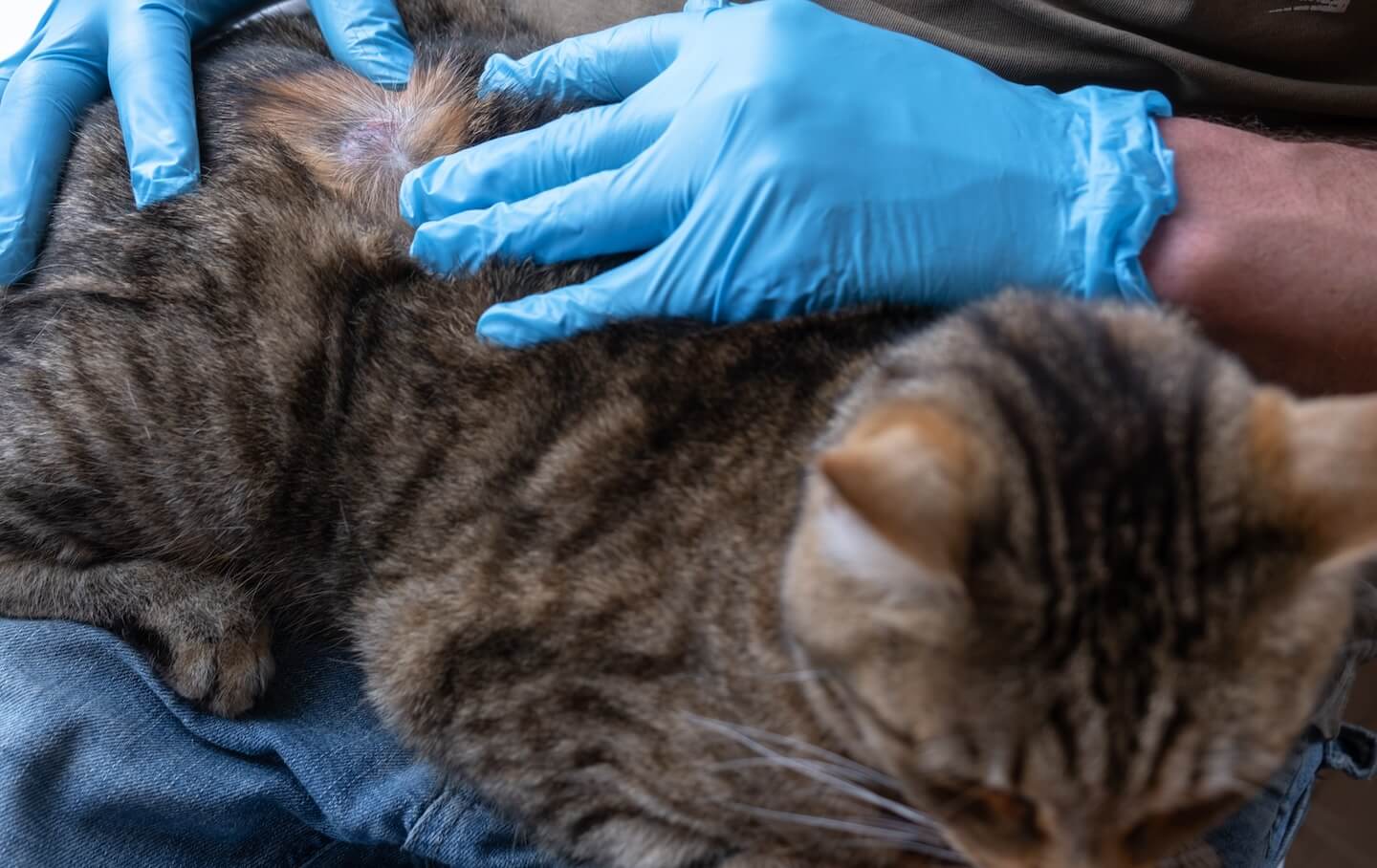
Repeated licking causes redness and swelling on the skin. The fur becomes thin or falls out in patches. This loss weakens the natural barrier against dirt and germs. Cats may develop scabs and raw spots from constant grooming.
Infections And Wounds
Open wounds form from over-grooming and scratching. Bacteria can enter these wounds, causing infections. Infected areas become painful and may smell bad. Without treatment, infections can spread and worsen quickly.
Stress And Anxiety Effects
Stress can trigger excessive grooming as a coping method. This behavior often worsens anxiety, creating a harmful cycle. Cats may become withdrawn or aggressive due to stress. Identifying stress sources is vital to reduce over-grooming.
Detecting Excessive Grooming
Cats groom to stay clean, but too much grooming can signal stress or health problems. Watch for bald spots, redness, or sores that may mean discomfort or anxiety. Early detection helps keep your cat healthy and happy.
Detecting excessive grooming in cats is crucial for their well-being. Cats are naturally clean animals. They groom themselves regularly. But too much grooming can signal a problem. Understanding the signs helps in taking timely action.Common Signs To Watch For
Excessive grooming can lead to visible signs. You may notice bald patches on your cat. Red or irritated skin is another sign. Keep an eye out for sores. These can develop from constant licking. Your cat might seem stressed or restless. Pay attention to any changes in behavior. Increased grooming could also lead to vomiting. This happens when cats ingest too much hair.When To See A Veterinarian
If you observe these signs, consult a veterinarian. Persistent grooming can cause health issues. Early detection is important. A vet will examine your cat thoroughly. They can determine the root cause. Allergies or skin infections might be the reason. Stress or anxiety can also trigger excessive grooming. A professional can offer the right treatment.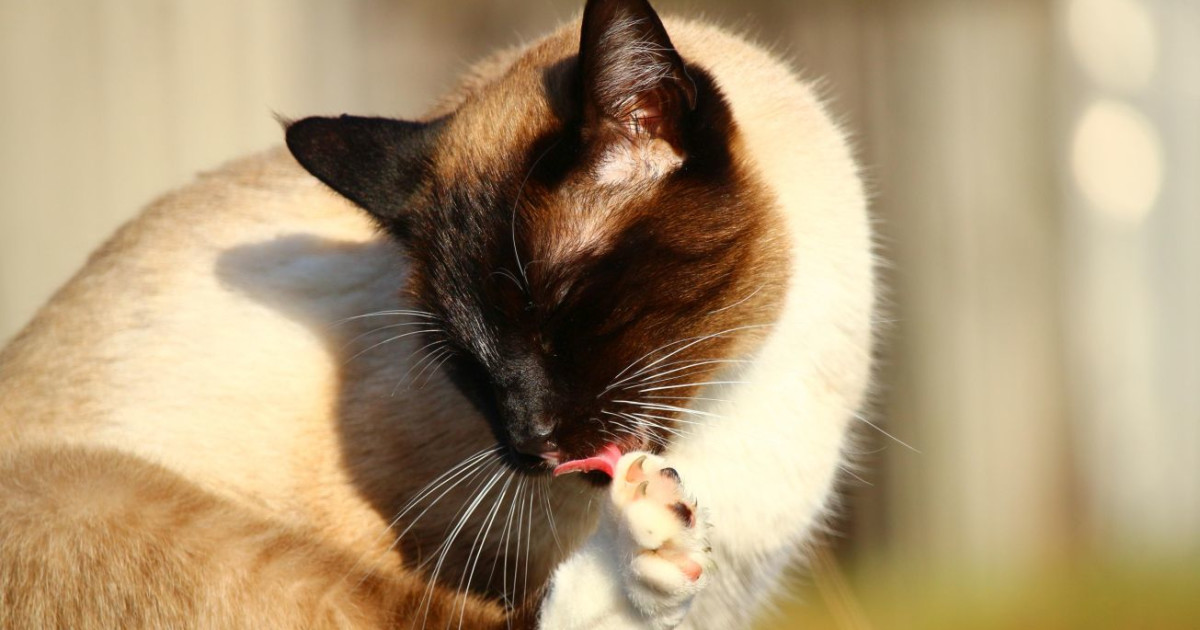
Credit: pethelpful.com
Treatment Options
Treating excessive grooming in cats requires a careful approach. Identifying the cause helps choose the best treatment. Options range from medical care to changing behavior and environment. Each choice aims to reduce stress and physical discomfort for your cat.
Medical Interventions
Veterinarians may prescribe medications to ease itching or pain. These can include:
- Anti-inflammatory drugs to reduce skin irritation
- Antihistamines for allergic reactions
- Antibiotics if infections are present
- Medications to treat parasites like fleas
- Hormone therapy for underlying endocrine issues
Regular check-ups ensure the treatment works well and adjust if needed.
Behavioral Therapies
Cats groom excessively due to stress or anxiety. Behavioral therapy can help lower this urge. Techniques include:
- Positive reinforcement to reward calm behavior
- Interactive play to divert attention
- Training to reduce compulsive grooming
- Use of pheromone diffusers to calm nerves
Patience and consistency improve the cat’s mental state over time.
Environmental Adjustments
Changing your cat’s surroundings can reduce grooming triggers. Steps to take:
- Provide cozy resting spots
- Keep a clean, quiet space
- Remove allergens like dust and strong scents
- Introduce new toys or scratching posts
- Maintain a regular feeding and play schedule
A calm, stimulating environment promotes healthier grooming habits.
Preventing Over-grooming
Preventing over-grooming in cats is vital for their health and comfort. Excessive grooming can cause skin problems and stress. Taking simple steps can reduce this behavior and keep your cat happy.
Regular Health Checkups
Regular visits to the vet help spot health issues early. Skin allergies, parasites, or pain can cause over-grooming. A vet can treat these problems before they worsen. Keep up with vaccinations and parasite control. This keeps your cat healthy and less likely to over-groom.
Stress Reduction Techniques
Stress often leads cats to groom too much. Create a calm space with quiet and cozy spots. Play with your cat daily to reduce anxiety. Use calming pheromone sprays or diffusers in your home. Avoid sudden changes in routine or loud noises. A relaxed cat grooms normally and feels safe.
Proper Grooming Habits
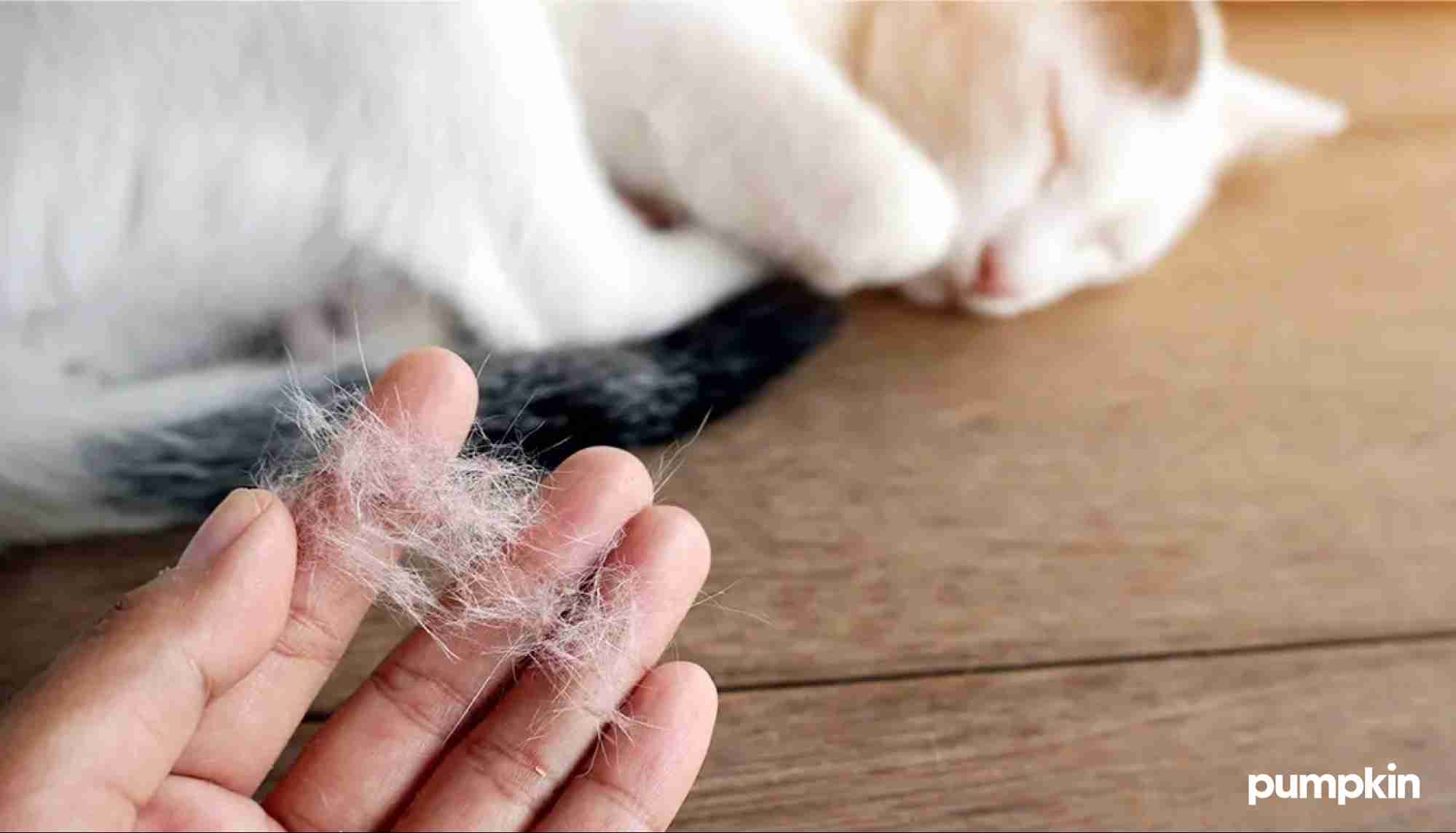
Help your cat stay clean without overdoing it. Brush your cat regularly to remove loose fur. This lowers the need for self-grooming. Check for mats or dirt and clean gently. Use pet-safe grooming tools that suit your cat’s coat. Proper grooming keeps skin healthy and reduces itching.
Credit: www.pumpkin.care
Frequently Asked Questions
Why Do Cats Groom Themselves Excessively?
Cats groom excessively due to stress, allergies, or skin infections. It may also indicate parasites or pain. Excessive grooming helps cats soothe themselves or remove irritants.
Can Excessive Grooming Harm My Cat’s Skin?
Yes, excessive grooming can cause skin irritation, redness, and bald patches. It may lead to sores or infections if untreated. Monitoring grooming behavior helps prevent skin damage.
How Can I Stop My Cat’s Excessive Grooming?
Identify the cause by consulting a vet. Treat allergies, parasites, or stress factors. Provide environmental enrichment and use calming products to reduce grooming urges.
Is Excessive Grooming A Sign Of Illness In Cats?
Excessive grooming can indicate health issues like allergies, infections, or pain. It is important to seek veterinary advice to diagnose and treat underlying problems promptly.
Conclusion
Cats groom to stay clean and calm. Excessive grooming may signal stress or health issues. Watch your cat’s behavior closely. Changes in grooming need attention. Visit a vet if grooming seems extreme. Early care helps avoid bigger problems. Keep your cat happy and healthy.
Understanding grooming habits improves your pet’s life. Small actions make a big difference. Stay patient and observant with your cat.

Leave a Reply