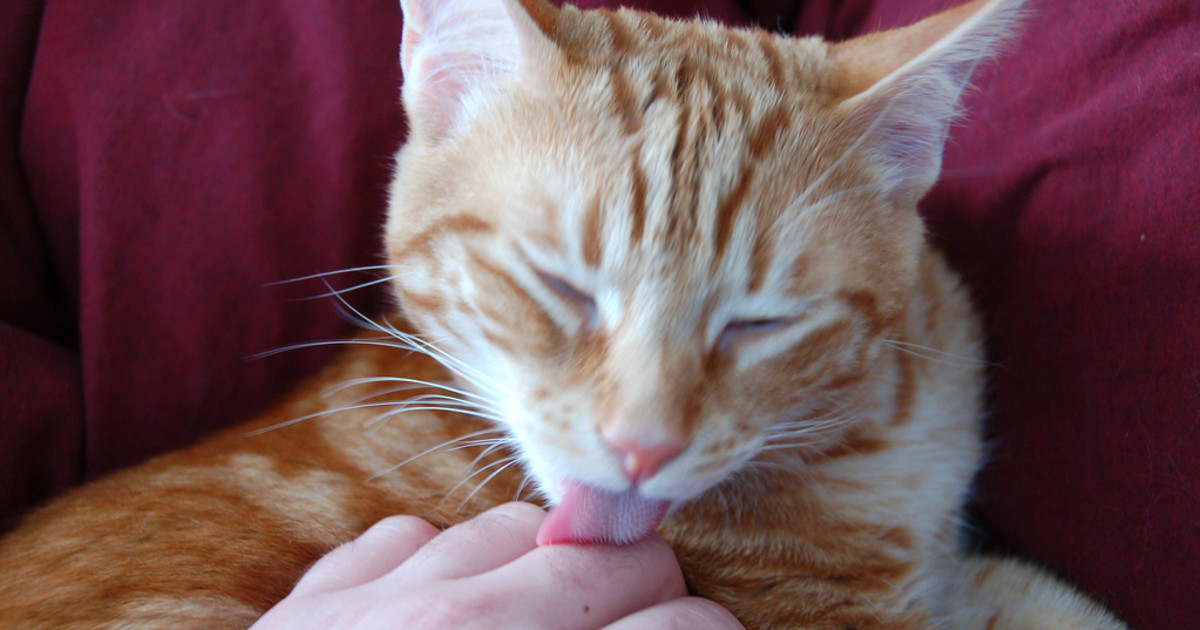
Have you ever noticed your older cat grooming your younger one and wondered why they do it? It’s a sweet and sometimes puzzling behavior that might make you smile or scratch your head.
But there’s more to this than just a simple act of cleaning. Understanding why your older cat grooms your younger cat can reveal important insights about their bond, social behavior, and even your cats’ health. Keep reading to discover the surprising reasons behind this affectionate ritual and what it means for your furry friends.
Cat Grooming Basics
Cats spend a lot of time grooming themselves and others. Grooming is not just about staying clean. It plays an important role in their social life and health. Understanding basic cat grooming helps explain why an older cat might groom a younger one.
What Grooming Means For Cats
Grooming is a natural habit for cats. It helps remove dirt and loose fur. It also controls their body temperature. Grooming reduces stress and calms cats down. When cats groom each other, it builds trust and bonds them. This behavior shows care and friendship between cats.
Types Of Grooming Behaviors
- Self-grooming:Cats lick their fur to clean and smooth it.
- Allogrooming:Cats lick or nibble other cats to strengthen social bonds.
- Mutual grooming:Cats groom each other in turns as a sign of friendship.
- Mother grooming:Mother cats groom their kittens to keep them clean and safe.
Social Bonds Through Grooming
Grooming between cats is more than just about staying clean. It’s a powerful way they communicate and build strong social bonds. When your older cat grooms your younger cat, it’s a clear sign of connection and interaction that goes beyond simple hygiene.
Strengthening Relationships
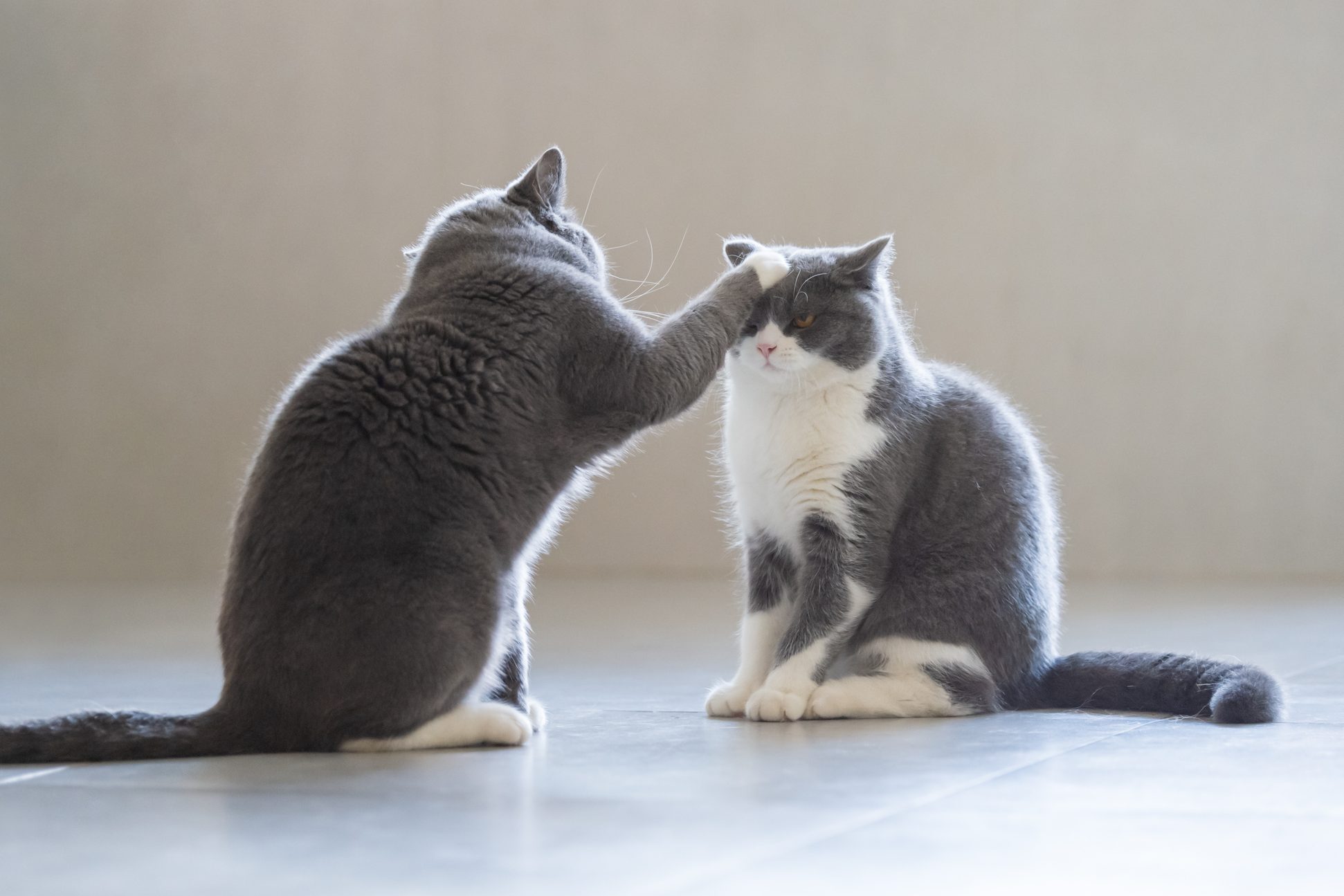
Grooming helps cats create and maintain their social groups. Your older cat grooming the younger one is like saying, “You belong here with me.” This behavior reduces tension and helps both cats feel safe around each other.
Think about the times you’ve seen your cats grooming each other before playing or resting together. This simple act promotes harmony and keeps their relationship stable. It’s a way for your older cat to take on a nurturing role, guiding the younger cat through social cues.
Showing Affection And Trust
When your older cat licks your younger cat, it’s a clear message of affection. Grooming is a vulnerable act—it means your older cat trusts the younger one enough to be close and gentle. It’s their way of saying, “I care about you.”
This behavior also encourages the younger cat to trust back and feel secure. You might notice that after grooming sessions, your younger cat seems calmer and more confident. Have you ever noticed how your cats behave after these moments? It’s a sign that trust is growing between them.
Older Cat’s Role In The Family
In a household with multiple cats, the older cat often takes on a special role. This role can be nurturing, protective, and educational. The grooming behavior you observe is part of this dynamic. Understanding this can enhance your appreciation of their bond.
Protective Instincts
Older cats often develop a protective nature towards younger cats. This can manifest in many ways, including grooming. Grooming helps clean the younger cat, removing dirt and loose fur. It also helps reduce stress and anxiety in the younger cat.
The older cat’s protective instincts create a sense of security. This helps the younger cat feel safe within the family unit. Such behavior can strengthen the bond between the cats.
Teaching And Guiding Younger Cats
Older cats also play a teaching role. Through grooming, they teach younger cats social skills. Young cats learn how to groom themselves and others.
This guidance is crucial for the younger cat’s development. It helps them understand boundaries and respect. The older cat’s patient grooming fosters a harmonious environment.
These actions contribute to the younger cat’s integration into the family. The older cat becomes a mentor, shaping the younger cat’s behavior. This role is vital for maintaining peace and balance in a multi-cat household.
Credit: www.rd.com
Stress Relief And Comfort
Older cats grooming younger cats is more than just a quirky behavior; it plays a crucial role in providing stress relief and comfort. This grooming helps both cats manage anxiety and fosters a calming environment. Understanding why your older cat does this can help you support their bond and create a peaceful home for your feline friends.
Reducing Anxiety
Grooming acts as a natural stress reliever for cats. When your older cat licks or cleans the younger one, it helps lower their heart rate and releases calming chemicals in their brain. This shared activity can ease tension, especially if your younger cat feels unsure or overwhelmed.
Have you noticed your older cat grooming more after a visit to the vet or during a thunderstorm? That’s their way of coping with stress and helping the younger cat feel less anxious too. It’s a subtle but powerful way cats communicate reassurance without words.
Creating A Sense Of Security
When your older cat grooms the younger one, it builds a feeling of safety and belonging. This action mimics the care kittens receive from their mother, which is deeply comforting. It sends a clear message that the younger cat is protected and accepted.
This behavior can be especially important if your younger cat is new to the home or still adjusting. The grooming helps them settle in and trust their environment. Could your older cat’s grooming be the key to helping a shy or nervous cat feel at ease?
Health And Hygiene Benefits
Older cats grooming younger ones is more than a sign of affection. It provides clear health and hygiene benefits. This behavior helps keep the younger cat clean and healthy. It also allows the older cat to check for any health problems early.
Helping With Difficult-to-reach Areas
Younger cats may struggle to clean certain parts of their bodies. The older cat helps by grooming spots the younger one cannot reach. Areas like the back of the head and neck get proper attention. This grooming removes dirt, loose fur, and parasites. It helps prevent skin problems and keeps the coat shiny. Regular grooming supports the younger cat’s overall cleanliness.
Monitoring For Health Issues
While grooming, the older cat can notice changes in the younger cat’s body. It may detect wounds, bumps, or skin irritations early. This silent check helps catch health issues before they worsen. Grooming also reduces stress for the younger cat. Feeling cared for can improve its immune system. The older cat acts as a gentle health monitor through grooming.
Credit: www.preventivevet.com
When Grooming Becomes Excessive
Sometimes, what starts as a sweet bonding moment between your older and younger cat can turn into a problem. Grooming is a natural behavior, but it becomes a concern when it happens too much. Excessive grooming might stress the younger cat or even cause physical harm.
Have you noticed your older cat licking your younger one relentlessly? This could be a sign that grooming is no longer just affectionate but has become excessive. Understanding when to step in helps protect both cats’ well-being.
Signs Of Over-grooming
- Bald patches:Look for areas where fur is thinning or missing on your younger cat.
- Red or irritated skin:Excessive licking can cause raw or inflamed spots.
- Restlessness or avoidance:Your younger cat may try to escape or hide from the older cat.
- Changes in behavior:Watch for signs of stress such as hiding, reduced appetite, or increased aggression.
- Repeated licking:If the older cat grooms the younger one nonstop for long periods, that’s a red flag.
Recognizing these signs early can save your younger cat from discomfort and help maintain harmony between them.
When To Seek Veterinary Advice
If you notice any signs of over-grooming, it’s time to consult your vet. Persistent bald spots or skin damage need professional attention. Your vet can check for underlying issues like allergies, parasites, or stress that might trigger this behavior.
Sometimes, excessive grooming is a sign of anxiety or health problems in either cat. A vet can also suggest calming strategies or recommend safe ways to keep both cats comfortable. Don’t wait until the damage is severe—getting advice early can make a big difference.
Have you seen your cats’ grooming habits shift suddenly? Monitoring their interaction closely can help you spot problems before they escalate. What small changes can you make today to keep your feline friends happy and healthy?
Encouraging Positive Grooming Behavior
Encouraging positive grooming behavior between cats helps build strong bonds. Older cats grooming younger ones show trust and care. Supporting this natural act benefits both cats emotionally and physically. It also reduces stress and keeps their coats clean. Creating a calm and safe space encourages more of this friendly interaction.
Creating A Calm Environment
Calm surroundings help cats feel safe and relaxed. Loud noises and sudden movements cause stress. Provide quiet areas with cozy bedding for your cats. Keep feeding and playtimes consistent to avoid confusion. Use soft lighting to create a peaceful mood. A calm environment invites cats to groom each other more often.
Promoting Healthy Cat Interactions
Healthy interactions start with positive social experiences. Encourage gentle play to build trust between cats. Avoid forcing them to be close if they seem tense. Reward calm and friendly behavior with treats or praise. Watch body language to spot signs of discomfort early. Healthy interactions lead to more grooming and better relationships.
Credit: www.purina.com
Frequently Asked Questions
Why Does My Older Cat Groom The Younger One?
Older cats groom younger cats to show affection and establish bonding. It helps build trust and comfort between them.
Is Grooming A Sign Of Dominance Or Affection?
Grooming usually indicates affection and social bonding, not dominance. It strengthens relationships and shows care within the cat family.
Can Grooming Reduce Stress In Cats?
Yes, grooming helps reduce stress by releasing calming pheromones. It creates a peaceful and secure environment for both cats.
Does Grooming Help Younger Cats Learn Social Skills?
Absolutely. Grooming teaches younger cats important social cues and proper hygiene habits. It fosters healthy social development.
Conclusion
Older cats grooming younger ones show trust and care. This behavior helps build strong bonds between them. It also keeps both cats clean and relaxed. Watching this can teach you about their feelings and friendship. Remember, such grooming means your cats feel safe and happy together.
Enjoy these sweet moments—they reveal a loving pet family.

Leave a Reply