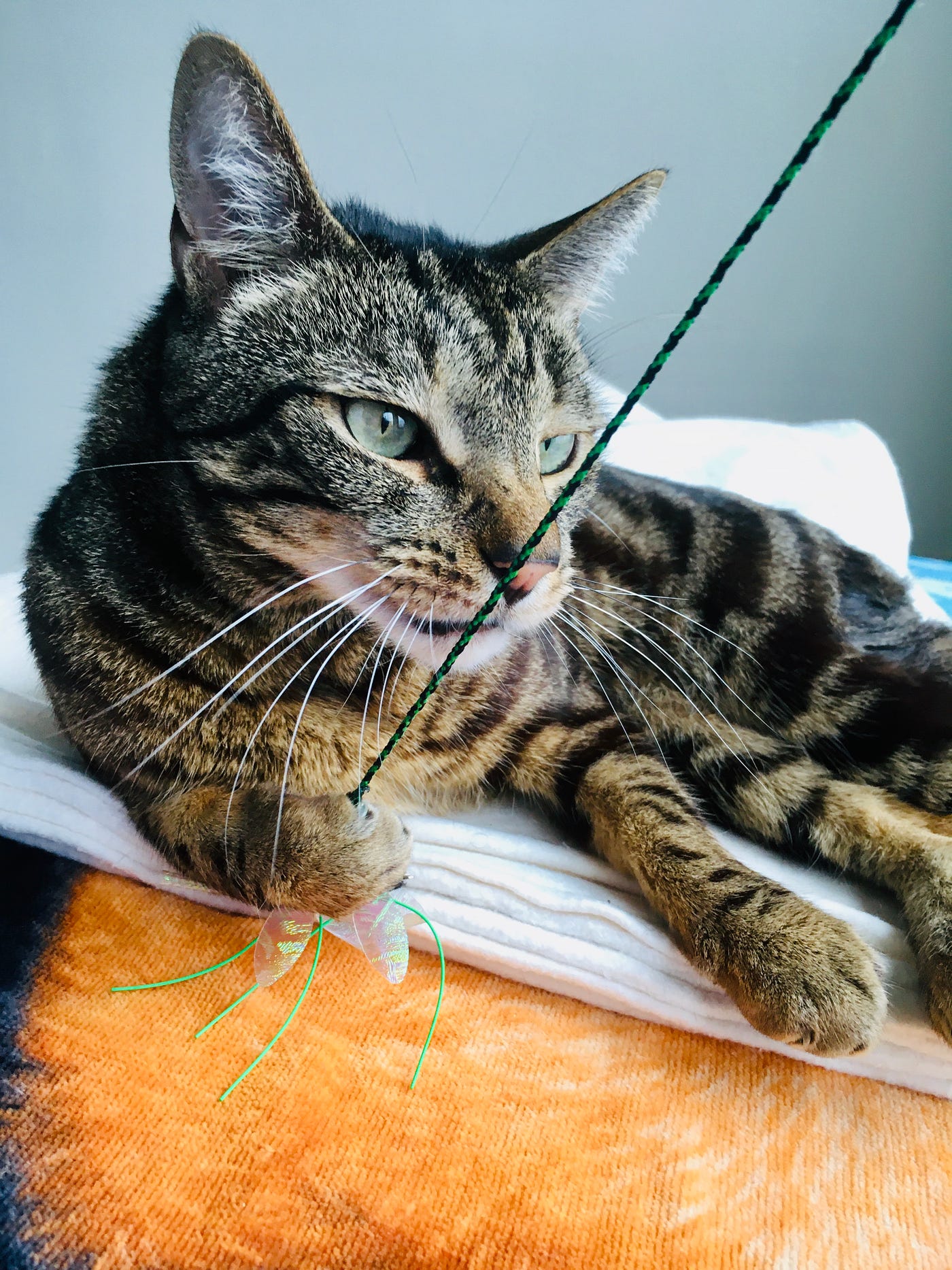
Have you ever bought a fun new toy for your cat, only to watch them ignore it completely? It’s frustrating, isn’t it?
You want your furry friend to play, stay active, and enjoy themselves, but they just don’t seem interested. You might be wondering, “Why isn’t my cat interested in toys? ” Understanding what’s really going on can help you find the right way to spark their curiosity and bring back the fun.
Keep reading, and you’ll discover the surprising reasons behind your cat’s behavior—and how you can turn playtime into a favorite part of their day.

Credit: caticles.com
Common Reasons Cats Ignore Toys
It can be frustrating when your cat seems uninterested in toys that usually excite other felines. Understanding why your cat ignores toys is key to rekindling their playful spirit. Several common reasons might be behind this behavior, and addressing them can help you engage your furry friend better.
Lack Of Interest Or Boredom
Sometimes, your cat might simply find the toys boring or not stimulating enough. Cats have unique preferences for textures, sounds, and movements, so a toy that excites one might leave another indifferent.
Try rotating different types of toys to keep things fresh. You could also mimic prey-like movements with the toy to spark your cat’s hunting instinct. Have you noticed if your cat prefers toys that move unpredictably or those they can chase on their own?
Health Issues Affecting Play
If your cat suddenly loses interest in toys, it could be a sign of an underlying health problem. Pain, dental issues, or even mild illness can reduce their energy and willingness to play.
Observe if your cat shows other changes like lethargy, loss of appetite, or unusual behavior. A visit to the vet can rule out medical causes and help ensure your cat’s well-being.
Age And Activity Levels
As cats grow older, their playfulness naturally changes. Kittens and young cats tend to be highly active and curious, while senior cats may prefer quiet and rest over energetic play.
Adjust your expectations and toy choices based on your cat’s age. Soft, gentle toys or slow-moving activities might appeal more to older cats. Have you considered how your cat’s age might influence their play style?

Credit: medium.com
Environmental Factors Impacting Play
Environmental factors play a big role in whether your cat shows interest in toys or not. The surroundings your cat lives in can either encourage playful behavior or shut it down completely. Understanding these factors helps you create a space where your cat feels safe and excited to play.
Stress And Anxiety In Cats
Stress can make your cat avoid toys altogether. Changes like moving to a new home, loud noises, or even new people can make them anxious.
When I introduced a new pet to my home, my cat stopped playing for weeks. Reducing stress with quiet spaces and familiar scents helped her regain interest in toys.
Ask yourself: Is your cat showing other signs of anxiety, like hiding or excessive grooming? Reducing stress can often bring back their playful side.
Inadequate Play Space
Cats need enough room to chase, pounce, and explore. A cramped or cluttered area can discourage play.
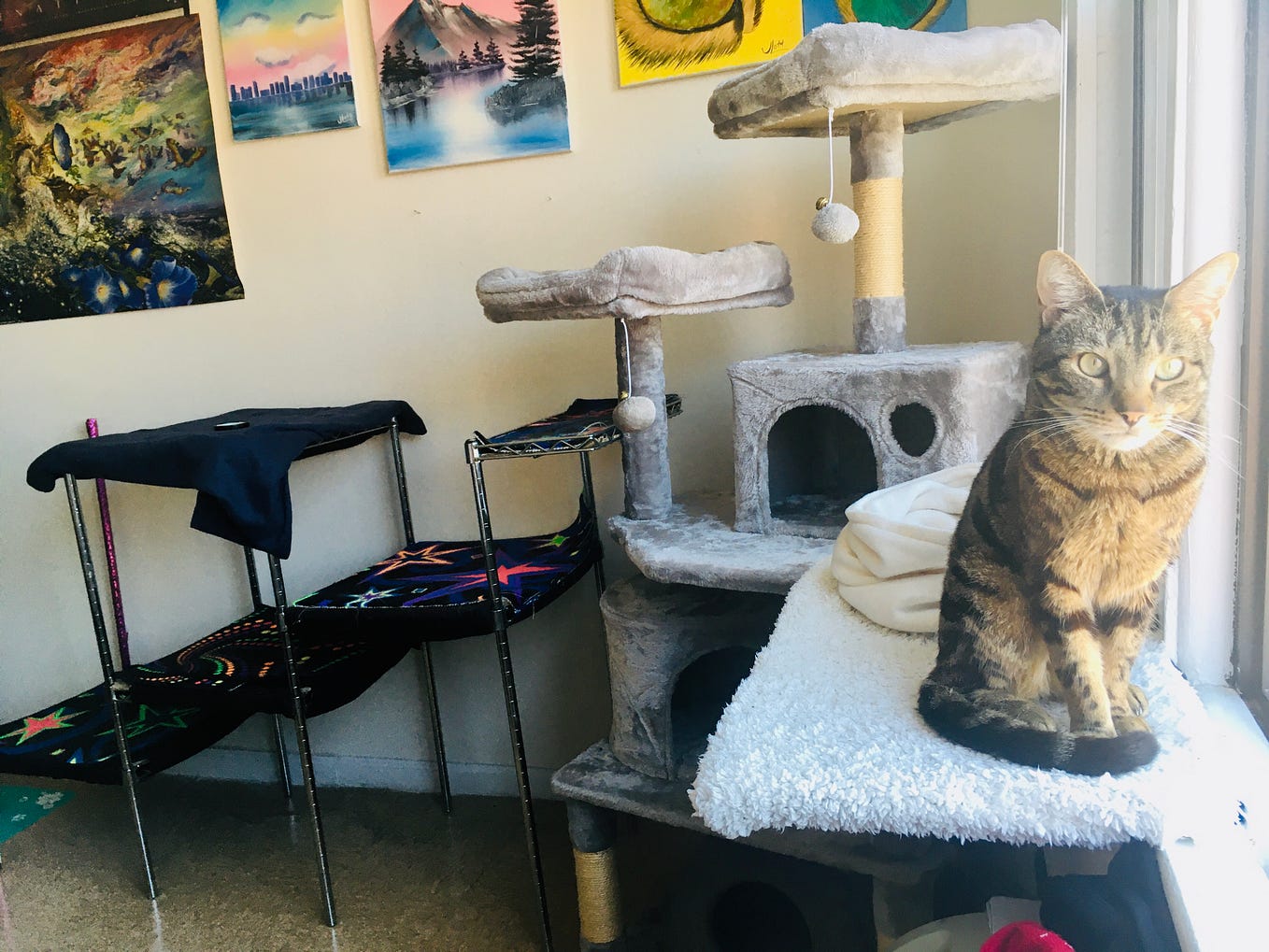
Try clearing a small area where your cat can move freely. Even moving furniture or adding vertical spaces like shelves can make a big difference.
Does your cat have spots to climb or hide near their toys? Creating a varied play environment often sparks curiosity and activity.
Lack Of Interaction Or Stimulation
Toys alone might not be enough if your cat feels lonely or bored. Cats often need your involvement to get excited about playtime.
Spending a few minutes daily playing with your cat can boost their interest in toys. Use wand toys or laser pointers to engage their hunting instincts.
Think about your cat’s natural behaviors—do you encourage stalking and chasing? Adding variety and interaction makes play more rewarding for them.
Toy Preferences And Types
Cats have unique toy preferences based on their personality and age. Some prefer soft toys, while others like moving or noisy ones. Understanding these types helps explain why a cat may ignore certain toys.
Cats have unique personalities. Their toy preferences often reflect these traits. Understanding what appeals to your cat can help. It might reignite their interest in play.Material And Texture Preferences
Cats are selective about the texture of toys. Some prefer soft, plush materials. Others enjoy the feel of hard, plastic toys. Pay attention to what your cat loves to touch. Does your cat prefer fabric or rubber? Experiment with different textures to find a favorite.Movement And Sound Effects
Cats are natural hunters. They often respond to toys that mimic prey. Toys with erratic movements can be exciting. Sound effects can also capture their attention. Bells, squeaks, or rustling sounds can intrigue. Try toys that move or make noise to engage your cat.Interactive Vs. Passive Toys
Interactive toys require your involvement. They can strengthen your bond with your cat. Examples include laser pointers or wand toys. Passive toys allow solo play. These include balls or stuffed mice. Both types have their benefits. Balance between interactive and passive toys for variety. This keeps your cat mentally stimulated and active.Improving Your Cat’s Interest In Toys
Getting your cat interested in toys can sometimes feel like a challenge. Cats are unique creatures with their own preferences and moods. But with a little patience and smart strategies, you can spark their curiosity and encourage playful behavior.
Introducing New Toys Gradually
Sudden changes can overwhelm your cat. Instead of giving several new toys at once, try introducing one toy at a time. Let your cat explore it at their own pace.
Switching toys every few days keeps things fresh. You might notice your cat prefers toys that mimic prey, like feathers or small balls. Watch how your cat reacts and use those clues to pick future toys.
Incorporating Playtime Routines
Consistency helps build excitement. Set aside specific times each day for play. Cats often respond well to routine and will start anticipating these fun sessions.
Try short, frequent play sessions rather than long ones. Even five minutes a few times a day can make a difference. This approach fits easily into your schedule and keeps your cat engaged without tiring them out.
Using Treats And Positive Reinforcement
Pairing toys with treats can create a positive connection. When your cat interacts with a toy, reward them immediately with a small treat or gentle praise. This encourages them to repeat the behavior.
Be mindful not to overdo the treats—balance is key. Offering affection or a favorite petting spot can work just as well. Have you noticed how your cat responds differently to various rewards? Use that insight to motivate them effectively.
When To Consult A Veterinarian
Sometimes, a cat’s lack of interest in toys isn’t just about mood or preference. It could signal an issue that needs professional attention. Knowing when to reach out to a veterinarian can save your furry friend from discomfort and help restore their playful spirit.
Signs Of Underlying Health Problems
If your cat suddenly stops playing or shows less energy than usual, it might be more than just boredom. Watch for signs like limping, excessive sleeping, changes in appetite, or unusual hiding. These could indicate pain or illness that dampens their desire to engage with toys.
Have you noticed your cat grooming less or more than usual? Skin problems or infections can also cause discomfort and reduce playfulness. Ignoring these signs might prolong your cat’s distress.
Behavioral Assessments
Sometimes, the issue isn’t physical but behavioral. Stress, anxiety, or changes in the environment—like a new pet or a move—can make your cat less interested in toys. A veterinarian can help assess these behavioral changes and recommend strategies or treatments.
Remember my cat, Leo, who stopped playing after we introduced a new puppy? A vet suggested gradual reintroduction and calming techniques, which worked wonders. Your cat’s lack of interest might be linked to similar stress factors you haven’t noticed yet.
Professional Advice For Play Enhancement
Veterinarians can offer tailored advice to make playtime more exciting for your cat. They might suggest different types of toys, interactive play techniques, or schedules that match your cat’s natural rhythms. Sometimes, even small changes can reignite your cat’s curiosity.
If your cat seems disinterested despite your efforts, a vet visit could uncover simple fixes you haven’t tried. Wouldn’t it be great to see your cat chasing toys again with enthusiasm? Getting professional guidance is a smart way to make that happen.
Credit: medium.com
Frequently Asked Questions
Why Does My Cat Ignore Toys Sometimes?
Cats may ignore toys due to boredom, stress, or lack of interest. They prefer toys that mimic prey. Rotate toys often to maintain curiosity. Environmental changes or health issues can also reduce playfulness. Understanding your cat’s preferences helps encourage more interaction with toys.
How Can I Make Toys More Appealing To My Cat?
Use toys that mimic prey like feathers or small moving objects. Add catnip to stimulate interest. Play with your cat to encourage interaction. Rotate toys regularly to avoid boredom. Interactive play strengthens your bond and motivates your cat to engage with toys.
Could Health Problems Cause My Cat’s Disinterest In Toys?
Yes, health issues like arthritis, dental pain, or illness can reduce playfulness. If your cat suddenly stops playing, consult a vet. Regular check-ups help identify and treat underlying problems. Healthy cats are generally more active and interested in toys.
Does Age Affect A Cat’s Interest In Toys?
Yes, kittens are usually more playful than older cats. Senior cats may prefer gentle or soft toys. Adjust toy types and playtime to suit your cat’s age. Respect your cat’s energy levels to keep playtime enjoyable and stress-free.
Conclusion
Cats have different reasons for ignoring toys. Sometimes, they feel tired or stressed. Other times, they may prefer different types of toys. Watch your cat’s mood and habits closely. Changing toys or playtime might help. Patience matters a lot with cats.
Play should always feel fun, not forced. Understanding your cat’s needs builds a stronger bond. Keep trying, and enjoy the moments together.

Leave a Reply