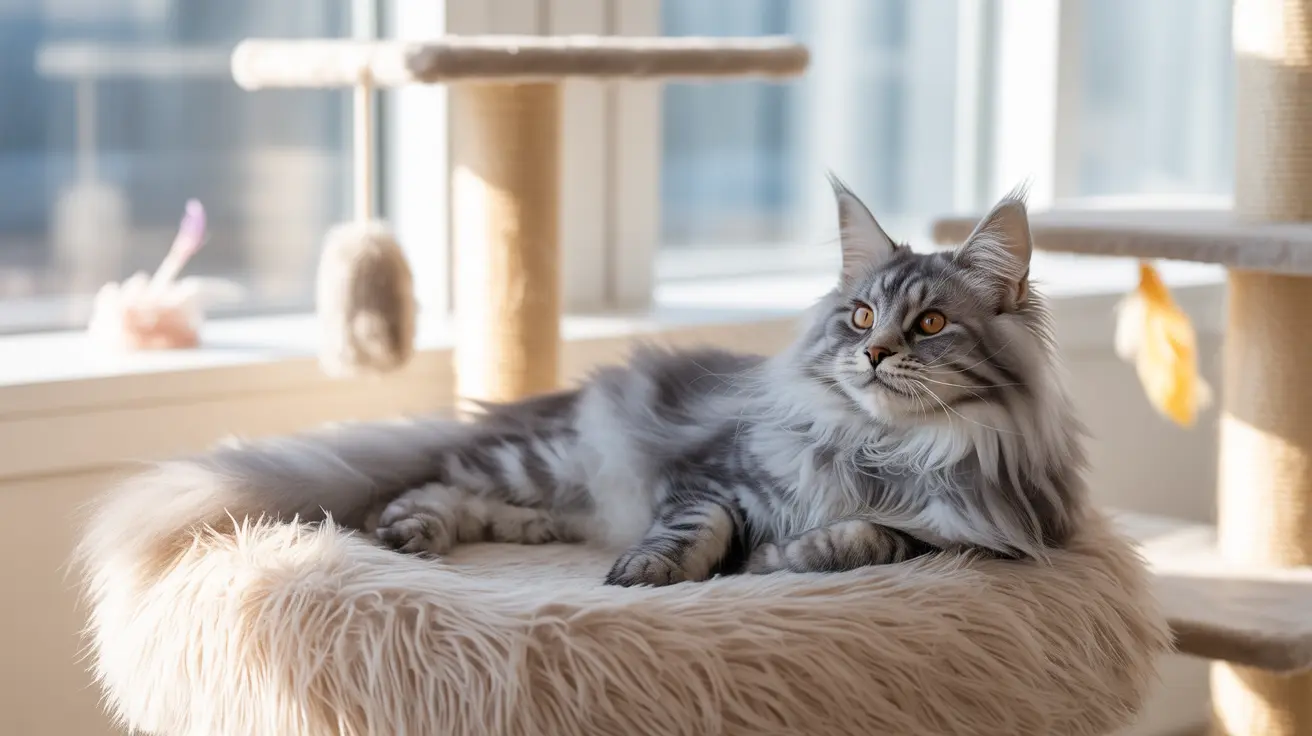
Are you passionate about cats and thinking of turning that love into a rewarding venture? Becoming a registered cat breeder in Victoria can open doors to new opportunities, but it requires more than just affection for felines.
You need to understand the rules, meet specific standards, and follow clear steps to make your breeding business official and successful. In this guide, you’ll discover exactly what it takes to become a registered cat breeder in Victoria—so you can start breeding healthy, happy cats while staying on the right side of the law.
Ready to learn how? Let’s dive in.

Credit: perfectpets.com.au
Legal Requirements
Understanding the legal requirements is essential before you start breeding cats in Victoria. These rules protect you, your cats, and potential buyers. Ignoring them can lead to penalties or even closure of your breeding business.
Licensing And Registration
You must obtain a breeder’s licence through the Victorian government. This licence confirms you meet safety and health standards. The application process includes providing details about your facilities and the breeds you plan to work with.
Renew your licence annually and keep records of all cats bred. Have you checked if your premises meet the minimum space and sanitation guidelines yet? This step saves you from future compliance issues.
Local Council Regulations
Each local council in Victoria has its own rules about keeping and breeding animals. You need to contact your council to find out specific restrictions or permits required.
Some councils limit the number of cats you can have or require inspections. Being proactive here helps avoid fines and unwanted disputes with neighbors.
Animal Welfare Laws
Victoria’s animal welfare laws ensure cats are treated humanely. You must provide proper food, shelter, and veterinary care at all times.
Failing to meet these standards can result in serious legal consequences. How will you ensure your cats’ well-being while maintaining productivity? Planning their environment carefully shows your commitment and builds trust with buyers.
Choosing A Cat Breed
Choosing a cat breed is a crucial step in becoming a registered cat breeder in Victoria. The breed you select will shape your breeding goals, the care your cats need, and the type of buyers you attract. Understanding the characteristics and requirements of different breeds helps you make an informed choice that fits your lifestyle and passion.
Popular Breeds In Victoria
Victoria has a vibrant cat breeding community with several breeds standing out for their popularity. Some of the top choices include:
- Ragdoll:Known for their gentle temperament and striking blue eyes.
- British Shorthair:Loved for their calm nature and plush coat.
- Persian:Famous for their luxurious long fur and quiet demeanor.
- Sphynx:Distinct for their hairless appearance and friendly personality.
Think about which breed’s personality and care needs resonate with you. Are you ready to manage the grooming demands of a Persian, or does the low-maintenance nature of a British Shorthair appeal more?
Breed Standards
Each breed has specific standards set by cat associations that define ideal physical and behavioral traits. These standards guide responsible breeding practices and help maintain breed purity.
Familiarize yourself with the Victorian Cat Association’s breed standards. They cover details such as coat color, body shape, eye color, and temperament.
Adhering to these standards ensures your cats are competitive in shows and valued by serious buyers. How confident are you in meeting these standards through your breeding program?
Health Considerations
Breeding healthy cats is essential for the welfare of your animals and the reputation of your breeding business.
Research common health issues linked to your chosen breed. For example, Persians often face respiratory problems due to their flat faces, while Maine Coons may have heart conditions.
Invest in health screenings and genetic testing before breeding. This proactive approach reduces inherited diseases and helps you deliver strong, healthy kittens.
Are you prepared to commit to regular veterinary care and health checks as part of your breeding responsibilities?
Setting Up Your Breeding Space
Create a clean, quiet space for your cats with enough room to move and rest comfortably. Ensure proper lighting, ventilation, and easy access to food and water. A safe environment helps cats feel secure and promotes healthy breeding.
Setting up your breeding space is a critical step in becoming a successful registered cat breeder in Victoria. Creating an ideal environment ensures the health and well-being of your cats and kittens. Let’s explore how you can create a safe, clean, and comfortable space for your feline family.Housing And Environment
Your cats need a dedicated space that mimics a natural, comfortable setting. Ensure each cat has enough room to move freely. Consider using adjustable shelving to maximize vertical space. Utilize cozy beds and perches for resting and observing. Make sure the space is well-ventilated and temperature-controlled. Think about natural light and access to fresh air to keep your cats healthy and happy.Sanitation And Hygiene
Cleanliness is vital in a breeding environment. Daily cleaning routines prevent diseases and maintain a hygienic space. Use cat-safe disinfectants to clean surfaces, litter boxes, and feeding areas. Replace litter frequently and wash bedding regularly. Have you thought about setting up a schedule to ensure everything remains spotless?Safety Measures
Safety should never be overlooked. Check for any potential hazards like loose wires or small objects that could be swallowed. Ensure all windows and doors are secure to prevent escapes. Consider installing baby gates or barriers if you have multiple cats. How would you handle an emergency if it arises? Having a first aid kit and emergency contacts on hand could make all the difference.
Credit: www.petscare.com
Health And Care Of Breeding Cats
Maintaining the health and care of breeding cats is essential for successful breeding. Healthy cats produce strong kittens and reduce risks during pregnancy and birth. Care involves proper nutrition, regular veterinary visits, and genetic screening. Each factor supports the well-being of the cats and their offspring.
Nutrition And Feeding
Feeding breeding cats a balanced diet is crucial. Cats need high-quality protein for muscle and energy. Include vitamins and minerals for overall health. Provide fresh water at all times. Adjust food amounts based on the cat’s activity level and pregnancy stage. Avoid sudden diet changes to prevent stomach upset.
Vaccinations And Vet Visits
Regular veterinary visits keep breeding cats healthy. Vaccinations protect against common diseases like feline leukemia and distemper. Schedule vet checks before breeding and during pregnancy. Monitor cats for signs of illness or stress. Prompt care helps avoid complications and keeps the breeding line strong.
Genetic Testing
Genetic testing helps identify inherited diseases. Test cats for conditions common in their breed. This prevents passing harmful genes to kittens. Use test results to choose safe breeding pairs. Genetic health ensures kittens grow up strong and healthy.
Breeding Process
The breeding process is a crucial part of becoming a registered cat breeder in Victoria. It requires careful planning, attention to detail, and a commitment to the health and well-being of both the parent cats and their kittens. Understanding each stage—from selecting mates to caring for newborns—can make your breeding program successful and rewarding.
Selecting Mates
Choosing the right cats to breed is more than just pairing two beautiful animals. You need to consider their health, genetic background, and temperament. Have you reviewed the pedigree records and health clearances for both cats? This helps avoid hereditary diseases and promotes strong offspring.
Look for mates that complement each other’s strengths and weaknesses. For example, if one cat has a strong build but prone to a minor genetic condition, select a mate that does not carry that condition. This approach improves the overall quality of your breeding line.
Mating And Pregnancy
Once you have selected suitable mates, timing is everything. Cats are usually receptive to mating during their heat cycle, which lasts about 5 to 9 days. Keep a close eye on behavioral changes that signal readiness, such as increased affection or restlessness.
After mating, pregnancy typically lasts around 63 to 65 days. During this time, provide a quiet, comfortable space for the pregnant cat. Regular veterinary check-ups are essential to monitor her health and address any concerns early.
Kitten Care
Newborn kittens need constant attention and care. You should prepare a clean, warm area where the mother can nurse without disturbance. Are you ready to support the mother with proper nutrition and hydration during this demanding phase?
Monitor the kittens for proper growth and signs of illness. Handle them gently and introduce socialization early to help them develop confidence and friendliness. Remember, your involvement during these first weeks sets the foundation for healthy, well-adjusted cats.
Registration And Documentation
Getting your cat breeding business officially recognized in Victoria requires thorough attention to registration and documentation. This part of the process ensures your litters are acknowledged, your cats’ lineage is traceable, and your records stay organized and compliant with local regulations.
Registering Litters
Each litter you breed must be registered with an official cat breeding association in Victoria, such as the Australian Cat Federation. This step makes your kittens eligible for registration papers and future pedigree certification.
Registering involves submitting details about the parents, birth date, and number of kittens. Missing this crucial step can limit your kittens’ ability to participate in shows or be sold as registered pedigree cats.
Think about how registration adds value to your kittens. Would you prefer to buy a kitten with clear lineage or one with no official record?
Pedigree Papers
Pedigree papers prove your cat’s ancestry and are essential for maintaining breed standards. These documents track generations of your cat’s family tree, confirming purebred status.
To obtain pedigree papers, you must provide accurate registration information and sometimes proof of health clearances. This paperwork supports your reputation and the integrity of your breeding program.
Imagine a buyer asking for proof of lineage. Having pedigree papers ready can be a game changer in building trust and command higher prices.
Record Keeping
Keeping detailed and accurate records is fundamental to managing your breeding activities effectively. Records should include mating dates, health checks, vaccination schedules, and sales information.
Good record keeping helps you track genetic lines and avoid inbreeding, which is crucial for your cats’ health. It also prepares you for audits by breeding bodies and simplifies tax reporting.
Ask yourself: How organized is your current system? Would digitizing your records save you time and reduce errors?
Marketing And Selling Kittens
Marketing and selling kittens is a key part of being a registered cat breeder in Victoria. It involves connecting with the right buyers, setting fair prices, and ensuring clear agreements. Proper marketing helps build your reputation and find loving homes for your kittens.
Understanding how to reach potential buyers and handle sales professionally creates trust and satisfaction for everyone involved.
Finding Buyers
Reach out to local cat clubs and pet shows to meet interested buyers. Use social media platforms to share photos and stories of your kittens. Create a simple website or blog with details about your cats and contact information.
Word of mouth also works well. Ask happy kitten owners to recommend you to friends and family. Always respond quickly to inquiries and provide honest answers.
Pricing Strategies
Set prices based on your breed’s demand and the kitten’s quality. Consider costs like vaccinations, vet checks, and registration fees. Check prices from other breeders in Victoria for a fair range.
Offer different prices for pet homes and show-quality kittens. Avoid setting prices too low or too high. Clear pricing helps buyers trust your professionalism.
Contracts And Guarantees
Use a written contract for every sale. Include details like kitten’s health, vaccination records, and registration papers. State the responsibilities of both buyer and breeder clearly.
Offer health guarantees for a specific period after sale. This builds confidence and protects both parties. Keep copies of all contracts and communicate openly with buyers.
Credit: perfectpets.com.au
Joining Breeder Associations
Joining breeder associations is a key step in becoming a registered cat breeder in Victoria. These groups offer support and resources that help breeders follow best practices. Membership can also boost your credibility and connect you with experts in the field.
Benefits Of Membership
Breeder associations provide many advantages. Members gain access to official breeding standards and guidelines. They also receive updates on legal requirements and animal welfare rules. This information keeps your breeding program compliant and ethical.
Associations often offer discounts on registration fees and health checks. These savings help manage breeding costs effectively. Being part of a group also shows potential buyers that you are serious and trustworthy.
Networking Opportunities
Associations create chances to meet other breeders and experts. These connections can lead to sharing advice and resources. You can find mentors who guide you through breeding challenges.
Events like shows and seminars help build relationships. Networking helps you find good homes for kittens. It also opens doors to partnerships and collaborative projects.
Continuing Education
Breeder associations offer workshops and training sessions. These help you learn about genetics, health care, and breeding techniques. Staying informed improves the quality of your breeding program.
Education also covers new laws and industry changes. This knowledge keeps your practices up to date. Regular learning leads to better outcomes for cats and buyers alike.
Frequently Asked Questions
How Do I Register As A Cat Breeder In Victoria?
To register as a cat breeder in Victoria, you must apply through the Victorian Government’s animal welfare department. Submit required documents, including premises inspection and breeding plans. Registration ensures compliance with local laws and ethical breeding standards.
What Are The Legal Requirements For Cat Breeders In Victoria?
Legal requirements include registering with local authorities, maintaining proper facilities, and following animal welfare laws. Breeders must provide suitable care, health checks, and avoid overbreeding. Compliance protects cats and supports responsible breeding practices.
How Much Does It Cost To Become A Registered Cat Breeder?
Costs vary but generally include application fees, inspection charges, and ongoing compliance costs. Expect initial registration fees around $100 to $300. Additional expenses cover veterinary care and facility maintenance.
What Documents Are Needed For Cat Breeder Registration?
You need proof of identity, property ownership or lease, breeding plans, and vaccination records. Veterinary health certificates for cats are essential. These documents verify your readiness and commitment to responsible breeding.
Conclusion
Becoming a registered cat breeder in Victoria takes clear steps and patience. You must follow rules set by local authorities and cat organizations. Proper care for cats and good record-keeping matter a lot. This helps keep your breeding ethical and safe.
Stay informed about laws and health standards. Enjoy the journey of raising happy, healthy cats. Your efforts create better lives for cats and owners. Start with knowledge and commitment. Success will follow with care and respect.

Leave a Reply