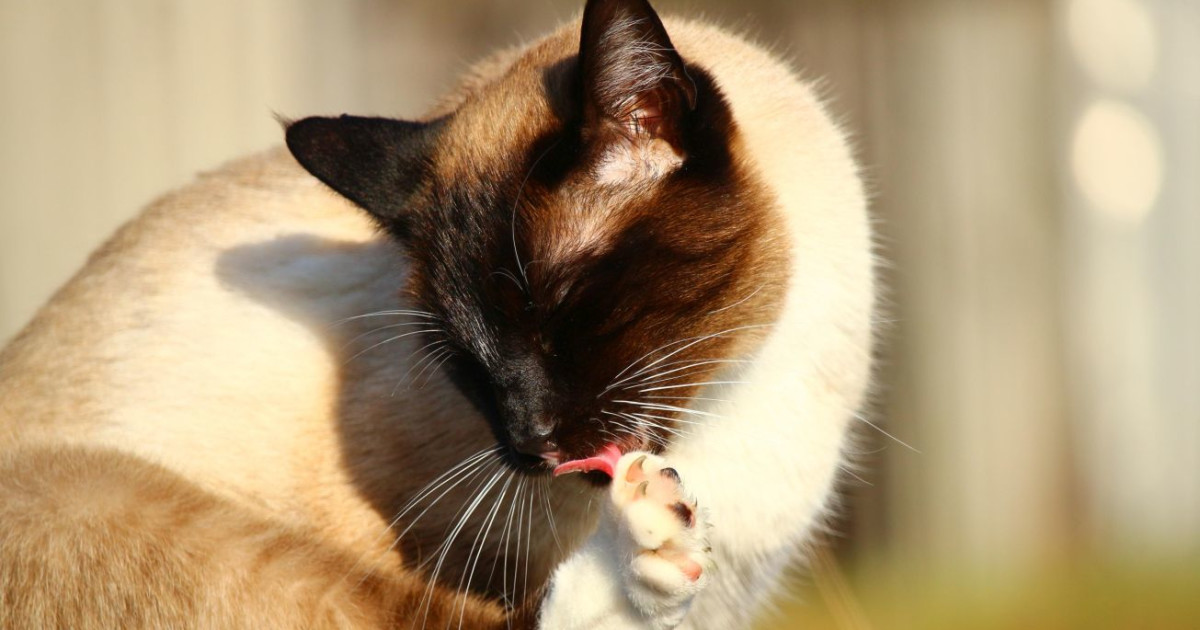
Have you ever watched your cat spend hours licking her fur and wondered, “Why does my cat always groom herself?” It’s not just a quirky habit—your cat’s grooming tells you a lot about her health, mood, and even her comfort in your home. Understanding this behavior can help you keep your furry friend happy and healthy.
Keep reading to discover the surprising reasons behind your cat’s grooming routine and what it means for you both.

Credit: www.youtube.com
Normal Grooming Habits
Cats grooming themselves is a natural and important behavior. It keeps them clean and healthy. Understanding normal grooming habits helps you know what to expect from your feline friend. Grooming is more than just cleaning; it plays a key role in a cat’s well-being.
Daily Grooming Routine
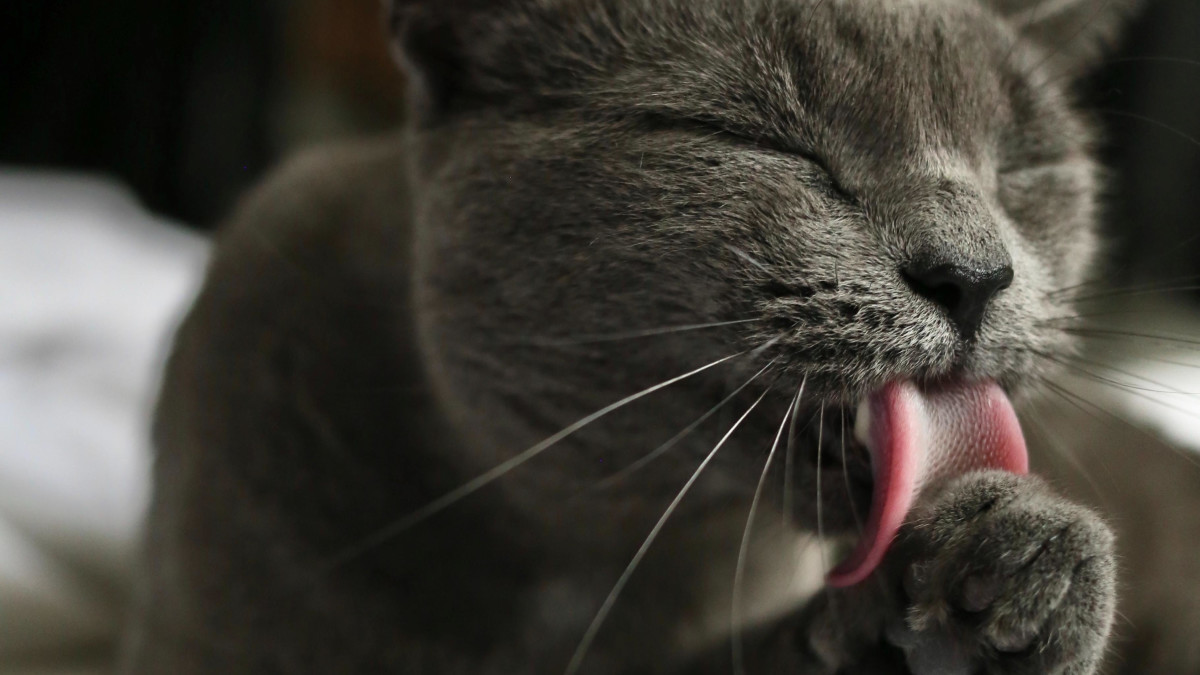
Cats spend a large part of their day grooming. They use their tongues to lick their fur and paws. This removes dirt and loose hair. Cats also nibble and scratch to untangle knots. Grooming helps spread natural oils across their coat. These oils keep their fur shiny and soft. Grooming also cools them down in warm weather.
Benefits Of Self-cleaning
Self-cleaning helps cats stay free from parasites. It reduces the chance of skin infections. Grooming calms cats and reduces stress. It also strengthens the bond between a cat and its owner. A well-groomed cat is usually a happy and healthy cat. Grooming helps cats feel comfortable in their own skin.
Stress And Anxiety
Cats groom themselves for many reasons. One key reason is stress and anxiety. Grooming helps cats calm down and feel safe. It acts as a natural way to reduce tension. When a cat feels nervous or scared, grooming becomes a comforting routine. This behavior can keep them relaxed during stressful moments.
Grooming As A Soothing Behavior
Grooming releases endorphins, chemicals that help cats feel good. This makes grooming a self-soothing activity. Cats use grooming to distract from worries or discomfort. It helps them regain a sense of control. Stressful changes like new people or loud noises can trigger more grooming. In these times, grooming acts like a security blanket.
Signs Of Over-grooming
Too much grooming can signal a problem. Watch for bald spots or red, irritated skin. Over-grooming may cause sores or scabs. Your cat might lick one area repeatedly. This behavior can worsen anxiety or hide other health issues. If you notice these signs, consult a vet. Early help can prevent serious harm to your cat’s skin and well-being.
Health Issues
Cats groom themselves to stay clean and remove loose fur. Excessive licking might signal stress or skin problems. Watching your cat’s behavior helps spot any health issues early.
Cats are meticulous groomers, often spending a significant part of their day cleaning themselves. While grooming is a natural behavior, excessive grooming can be a sign of underlying health issues. Understanding these potential problems can help you ensure your cat remains healthy and comfortable.Skin Problems And Irritations
Skin problems are a common reason why cats might groom excessively. Cats with dry skin or dermatitis often lick and scratch more than usual. If you’ve noticed your cat focusing on a particular area, it could be trying to relieve discomfort caused by irritation. A friend’s cat began grooming its belly obsessively. A quick vet visit revealed a minor skin infection. Addressing such issues promptly can prevent further irritation and keep your cat’s skin healthy.Parasites And Allergies
Parasites like fleas can drive a cat to groom frequently as they try to rid themselves of the pesky invaders. Even indoor cats can be affected, so regular checks and preventive treatments are essential. Allergies, whether from food or environmental factors, can also lead to over-grooming. If your cat has recently started grooming more than usual, consider any changes in diet or surroundings. Are there new plants in your house? Did you switch cat food brands? Identifying the allergen can help alleviate your cat’s need to groom excessively. Have you ever wondered if your cat’s grooming habits might be more than just cleanliness? Observing these signs can be crucial in addressing potential health concerns. Regular check-ups with your vet can keep your furry friend feeling their best.)
Credit: www.northroadvet.com.au
Environmental Factors
Cats groom themselves for many reasons, and their environment plays a big role. Changes around them can make cats clean more often. They use grooming to feel safe and comfortable in their space.
Changes In Surroundings
Cats notice even small changes in their home or outside. New furniture, visitors, or noises can stress them. Grooming helps calm their nerves and reduce anxiety. It is a way to feel in control when things feel different.
If your cat moves to a new house or room, expect more grooming. It helps them get used to the new place. This behavior shows they want to feel secure again.
Impact Of Weather
Weather changes also affect how much cats groom. In hot weather, cats lick more to cool down. Their saliva helps lower body temperature.
Cold weather may cause cats to groom to keep their fur clean and thick. Clean fur traps heat better. Wet or rainy days might make cats groom extra to dry off quickly.
Seasonal changes can cause shedding. Grooming removes loose hair to keep the coat healthy. This helps them stay comfortable all year.
Social And Communication Reasons
Cats groom themselves for more than just cleanliness. Grooming plays a key role in how they communicate and interact socially. Understanding these reasons helps you see your cat’s grooming habits in a new light.
Marking Territory
Your cat’s grooming leaves behind scent markers unique to her. These scents act like invisible name tags that say, “This is my space.”
By grooming, she spreads her personal scent over her fur and surroundings. This helps her feel secure and signals to other cats to keep their distance.
Have you noticed your cat rubbing her cheeks or head against furniture after grooming? That’s another way she marks territory with scent glands located there.
Bonding With Other Cats
If you have more than one cat, grooming often becomes a social activity. Cats groom each other to strengthen their bonds and show trust.
This mutual grooming, called allogrooming, reduces tension and creates a sense of community. Your cat might even invite you to groom her by nudging or purring.
Ever seen your cats pause their play to groom each other? That’s their way of saying “you’re part of my group.” It helps them feel connected and safe together.
Credit: pethelpful.com
When To See A Vet
Noticing your cat spending an unusual amount of time grooming can be worrying. While grooming is a natural behavior, excessive or strange grooming patterns may signal underlying health issues. Knowing when to seek veterinary advice helps you protect your cat’s well-being before problems worsen.
Identifying Unusual Grooming
Watch for changes in your cat’s grooming habits. If your cat suddenly grooms one spot obsessively or develops bald patches, it could indicate irritation or pain. Excessive licking or biting might be a sign of allergies, parasites, or skin infections.
Also, notice if grooming is accompanied by other symptoms like redness, swelling, or sores. These signs suggest your cat might be uncomfortable or in distress. When grooming interrupts eating, playing, or sleeping, it’s time to take action.
Effective Treatment Options
Once you visit the vet, they’ll conduct a thorough examination to pinpoint the cause of the grooming behavior. Treatment might include medications to tackle infections or allergies, dietary changes, or parasite control.
In some cases, your vet may recommend behavioral strategies to reduce stress-related grooming. Simple changes like providing more playtime or a calm environment can make a big difference. Remember, early intervention can prevent your cat’s condition from worsening and improve their quality of life.
Frequently Asked Questions
Why Does My Cat Groom Herself So Often?
Cats groom often to keep their fur clean and free of dirt. Grooming also helps regulate body temperature and reduce stress. It’s a natural behavior that promotes comfort and healthy skin.
Can Excessive Grooming Indicate Health Problems?
Yes, excessive grooming may signal allergies, parasites, or skin infections. It’s important to monitor your cat’s behavior and consult a vet if grooming seems obsessive or causes hair loss.
How Does Grooming Benefit A Cat’s Health?
Grooming removes loose fur and dirt, preventing matting and skin issues. It also distributes natural oils, keeping the coat shiny and healthy. Grooming supports overall hygiene and well-being in cats.
Do Cats Groom To Show Affection?
Yes, cats groom themselves and others to bond and show affection. Mutual grooming strengthens social connections and reduces tension between cats in the same household.
Conclusion
Cats groom themselves to stay clean and healthy. It helps them remove dirt and loose fur. Grooming also cools them down and reduces stress. When your cat licks often, it shows comfort and care. Sometimes, it means your cat feels safe and relaxed.
Watch for changes in grooming habits to spot health issues. Understanding your cat’s grooming helps you care for her better. Keep your cat happy by letting her groom naturally. It’s a normal and important part of cat life.

Leave a Reply